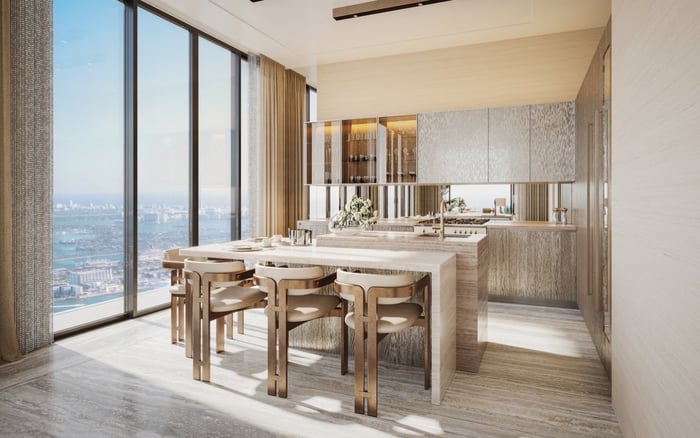
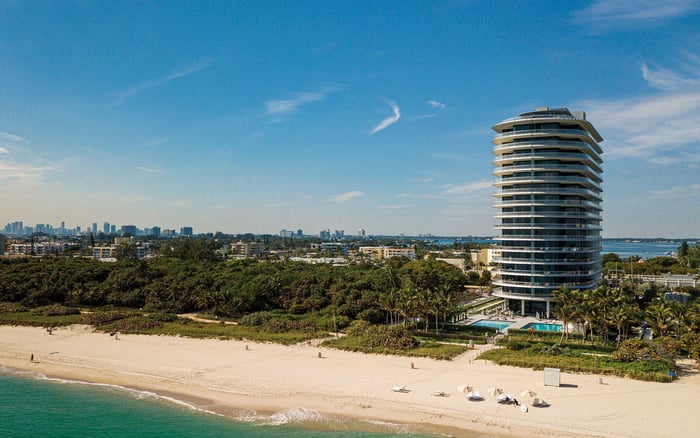
A practical luxury-home guide for Buenos Aires families weighing Surfside and nearby South Florida enclaves through the lens of household routines, staffing, schooling, privacy and daily flow.
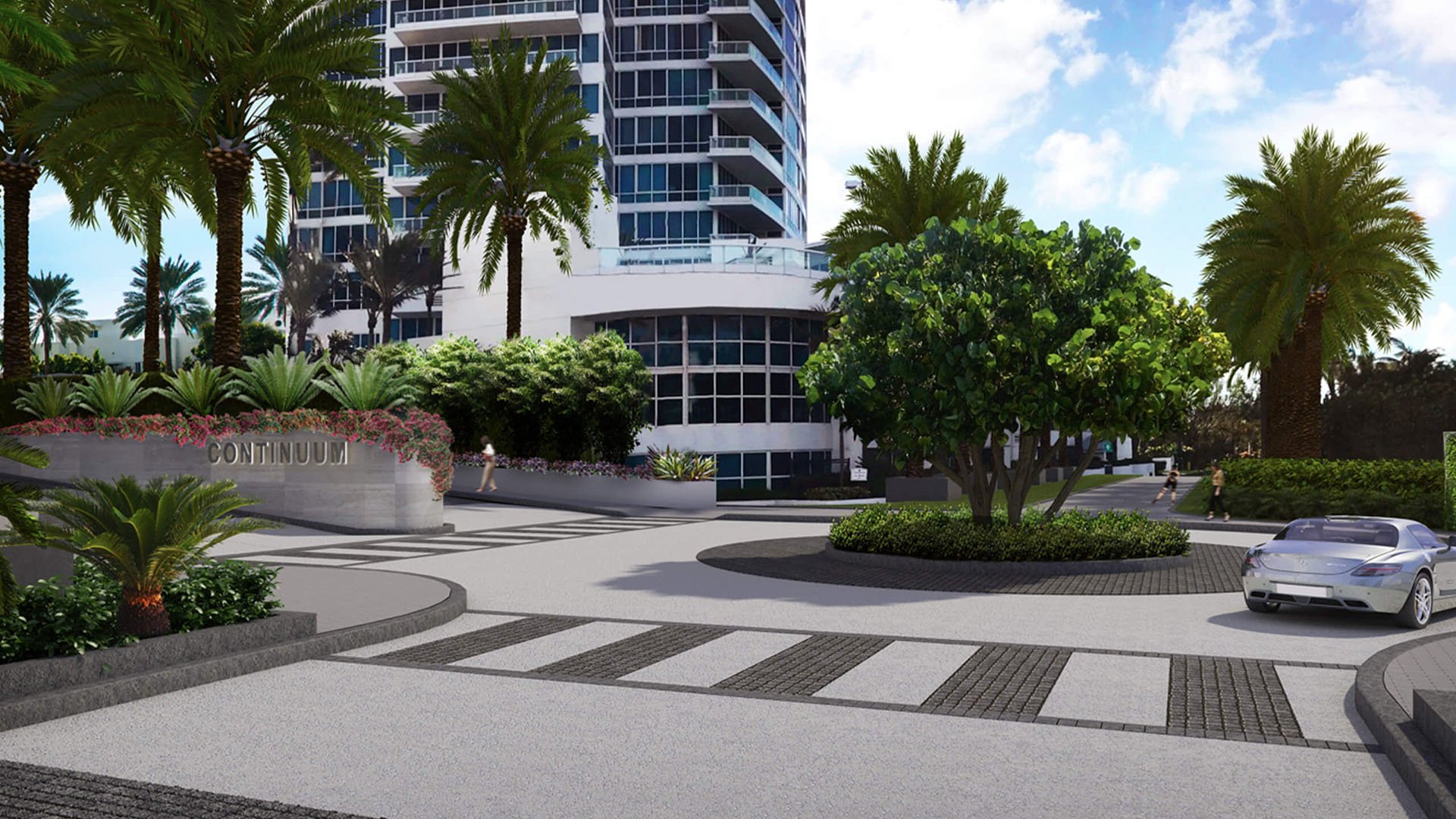
For a Buenos Aires household considering Surfside, the first decision is not whether the view is compelling. The more revealing question is whether the home can absorb daily life with grace. A strong South Florida residence should make arrivals feel composed, school mornings predictable, service providers easy to manage, guests simple to host and quiet time genuinely protected.
That perspective changes the search. Instead of starting with finishes, terrace depth or brand cachet, start with the week itself. Who arrives first in the morning? Who needs building access when the owner is abroad? How often will family visit? Are pets part of the household? Does the residence need to function as a seasonal base, a primary home or a flexible family compound?
Surfside is often considered because it offers a quieter residential sensibility while remaining close to neighboring luxury corridors. For buyers who want the texture of oceanfront living without the constant theatricality of a larger urban setting, residences such as The Delmore Surfside can enter the conversation as part of a broader lifestyle analysis, not merely as a design object.
Before selecting a building, run a private logistics audit. It is less glamorous than touring a model residence, but it is often where the right home reveals itself. Ask how groceries, florals, tailoring, private chefs, tutors, trainers, security consultants and visiting staff move through the property. Confirm where cars wait, how packages are received, how vendors are announced and whether repeated service access remains smooth or becomes irritating over time.
The right answer will vary by household. A couple using the residence for long weekends may value lock-and-leave simplicity. A family relocating with children may need predictable elevators, calm loading access, storage for sports equipment and room for relatives who arrive for extended stays. A multigenerational household may care as much about internal separation as shared entertaining space.
Private-school planning deserves its own lane. Even when a family has not chosen a school, the residence should be assessed against morning and afternoon routines, extracurricular movement, tutoring schedules and the possibility that children may have different calendars. A beautiful home becomes less persuasive if every weekday begins with avoidable friction.
One of the most common mistakes is treating South Florida as a single luxury market. It is not. Surfside, Bal Harbour, Miami Beach and Brickell each create a distinct household operating system.
Surfside may appeal to buyers who want a residential tone, beach proximity and a more restrained daily pace. Nearby Bal Harbour can suit those who want a polished, resort-adjacent environment with a highly curated sense of arrival. Projects such as Rivage Bal Harbour may be evaluated by buyers who want elegance close to Surfside while comparing how building protocols support the family’s routines.
Miami Beach often introduces a broader social calendar, more visible hospitality energy and a wider range of lifestyle tempos. For some households, that is the point. For others, it can add too much movement around the edges of the day. Brickell is different again. It may be useful for households whose professional, dining or entertaining patterns lean more urban, where Cipriani Residences Brickell can represent a different kind of convenience than an oceanfront home.
The best choice is rarely about status alone. It is about whether the address supports the way the household actually functions.
Ultra-luxury buyers often focus on private elevator foyers, ceiling heights, kitchens, closets and terraces. Those details matter, but building rules can shape daily comfort even more. Before moving forward, request clarity on guest registration, domestic staff access, vendor hours, deliveries, valet expectations, pet policies, storage, renovations and extended family stays.
For an international household, the residence must also work when the owners are not present. Can a trusted representative coordinate maintenance? Can staff access the unit without repeated friction? How does the building handle keys, authorizations and recurring vendors? These details determine whether the home feels effortless or constantly supervised.
Ocean House Surfside belongs in this type of conversation when buyers are thinking carefully about the balance between privacy, coastal living and day-to-day manageability. The building name is only the beginning. The real question is how well the building’s culture fits the household.
Privacy is sometimes described as a luxury, but for globally mobile families it is also operational. A private environment helps staff work discreetly, allows guests to arrive without spectacle and gives children a more protected daily rhythm. It also reduces the emotional tax of being in residence during high-season periods, holidays or large family visits.
This is where floor-plan intelligence becomes important. Look for separation between principal bedrooms and guest rooms, sensible circulation for staff or service providers, generous storage and entertaining zones that do not disturb sleeping areas. A residence may photograph beautifully yet fail if everyone is forced through the same narrow sequence of rooms.
In Surfside, The Surf Club Four Seasons Surfside may be part of a buyer’s mental map for a more established sense of coastal prestige. Still, the same practical questions apply: access, quiet, guest flow, staff movement, storage, privacy and the ability to leave the residence confidently when travel resumes.
A first weekend in South Florida can be seductive. The terrace is bright, the water is close and the idea of a new chapter feels immediate. But the second month is more instructive. That is when laundry systems, parking choreography, children’s routines, recurring guests, domestic staff schedules and building policies begin to matter.
A disciplined buyer should test the residence against ordinary days. Imagine a rainy school morning, a late guest arrival, a private dinner at home, a pet appointment, a maintenance visit and a spontaneous family weekend. If the home supports those scenarios calmly, it is likely to support the larger lifestyle.
That is why the search from Buenos Aires to Surfside should be strategic rather than impulsive. The right South Florida home does not simply impress visitors. It protects time, lowers friction and gives the household a sophisticated base from which life can unfold.
What should a Buenos Aires family prioritize first when buying in Surfside? Start with household logistics: access, staff movement, school routines, guest flow, privacy and storage. Views and finishes should support those needs, not distract from them.
Is Surfside better for privacy than busier South Florida areas? Surfside can offer a more residential tone, but privacy depends on the specific building, floor plan and operating rules. Buyers should evaluate protocols carefully before committing.
How should domestic staff access be reviewed? Ask how recurring staff, vendors and trusted representatives are authorized, announced and managed. The goal is discretion without daily administrative friction.
Why are building rules so important in luxury condos? Rules shape daily life, including deliveries, guests, pets, renovations, service access and extended stays. A beautiful residence can feel restrictive if the rules do not fit the household.
Should families choose oceanfront living automatically? Oceanfront living can be compelling, but it should be weighed against routines, privacy, transportation patterns and building culture. The best choice is the one that works every week.
How does Bal Harbour compare with Surfside? Bal Harbour may suit buyers seeking a polished nearby environment, while Surfside may feel more residential. The better fit depends on the family’s preferred daily rhythm.
When does Miami Beach make sense instead? Miami Beach can suit households that want a broader social and hospitality setting. It may be less ideal for buyers seeking a quieter, more contained daily atmosphere.
Why consider Brickell during a Surfside search? Brickell may suit households with more urban routines or professional patterns. Comparing it with Surfside helps clarify whether the buyer wants coastal calm or city convenience.
What floor-plan features support strong logistics? Look for generous storage, clear guest separation, practical service access, flexible bedrooms and circulation that supports entertaining without disturbing private areas.
What is the clearest sign a residence fits the household? It should make ordinary days feel easier, not only special occasions more impressive. The strongest homes reduce friction quietly and consistently.
For a tailored shortlist and next-step guidance, connect with MILLION.
If branded residences are on your mind — as a home or as an allocation — we would be glad to share what we are seeing, privately.
Begin a quiet conversation