A collector-focused due-diligence guide for Ponce Park buyers, covering backup cooling, humidity control, generator loads, monitoring, responsibility, and contract language before relying on any climate-controlled storage claim.
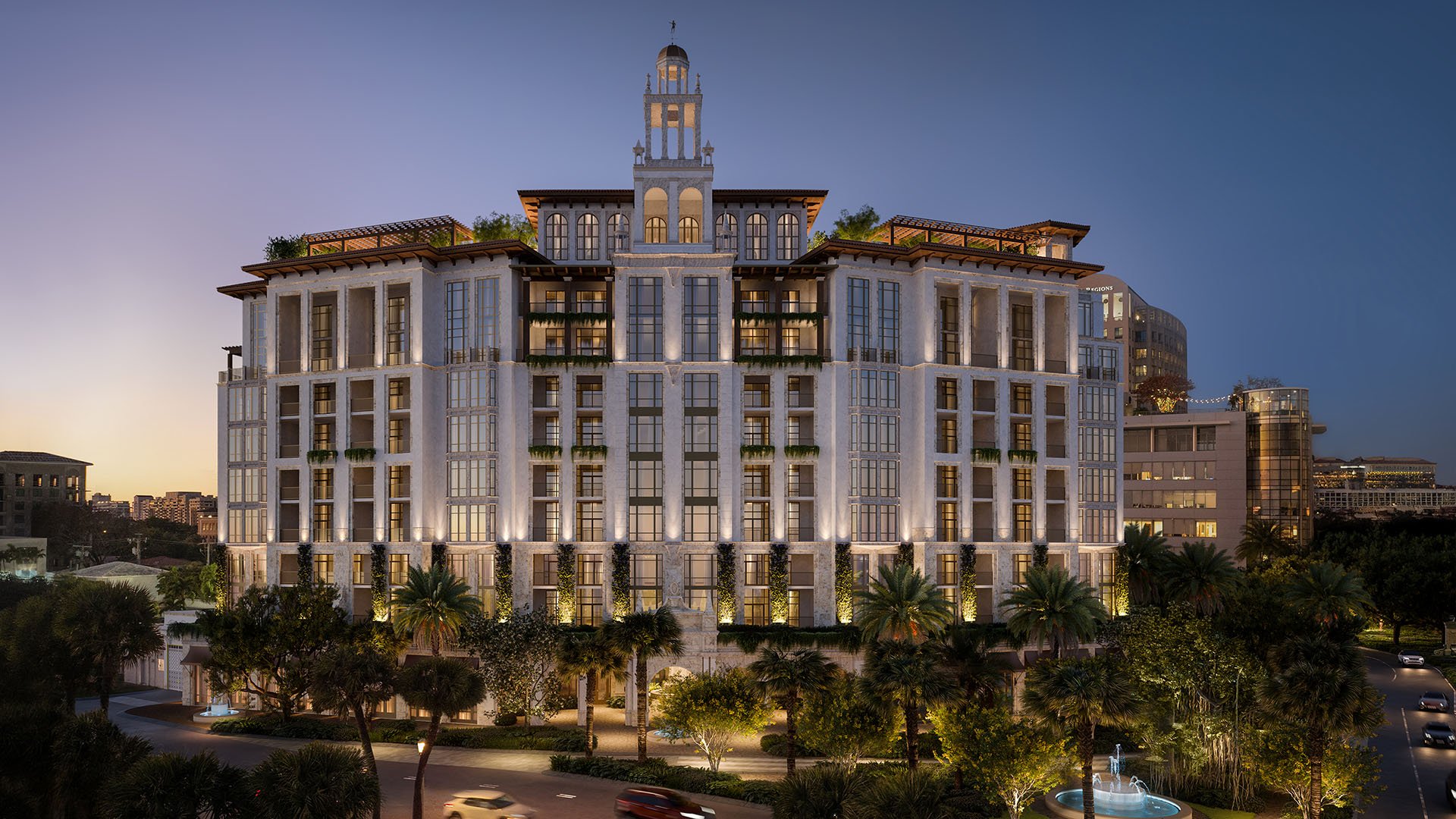
For a buyer with art, wine, rare books, watches, archival fashion, or important vehicles, the phrase “climate-controlled” should never be treated as a complete answer. At Ponce Park Coral Gables, the more sophisticated question is not simply whether a collection space is cooled. It is whether that space can remain within acceptable temperature and humidity conditions when South Florida is at its least forgiving.
That distinction matters in Coral Gables because many high-value collections belong to residents who travel, divide time between homes, or rely on building staff during storms and prolonged outages. A wine room that performs beautifully on a normal afternoon may reveal very little about what happens after a power loss, compressor failure, manual reset, or generator load-shedding decision.
This is why backup cooling belongs in the same conversation as insurance, storage design, association documents, and closing representations. For readers who save MILLION Buyer's Guides, the discipline is straightforward: translate polished amenity language into written mechanical, electrical, operational, and legal answers before the purchase becomes irreversible.
The first question is deceptively basic: which spaces are actually delivered as climate-controlled collection areas? A buyer should distinguish among a wine room, storage room, garage, private vault, or any assigned collection area, because each may be served differently. One space may sit within the unit’s conditioned envelope, another may depend on separate equipment, and another may be described aspirationally without the same mechanical commitment.
This is especially important in new-construction settings, where renderings, sales conversations, and final documents may not carry the same precision. Ask for the exact space tied to the residence, not a generalized building description. If a garage, storage room, or vault is part of the appeal, request confirmation of whether it is delivered with active cooling, dehumidification, or only ventilation.
Collectors comparing nearby luxury options such as Cora Merrick Park should apply the same standard. The address, architecture, and amenity story may differ, but preservation depends on the same fundamentals: equipment, power, humidity control, monitoring, and responsibility.
Once the exact collection area is identified, ask whether its cooling is served by the building’s main HVAC system, a dedicated split or VRF system, or owner-installed equipment. This is not a technicality. The answer can shape who controls the system, who maintains it, whether it can be modified, and whether it is included in any emergency-power plan.
A collection room served by the main building system may depend on central operations and association protocols. A dedicated split or VRF system may provide more targeted control, but it still raises questions about condenser location, condensate routing, access, replacement parts, and backup power. Owner-installed equipment may offer flexibility, yet it must be permitted by condominium documents and physical building constraints.
Design and architecture choices can also affect what is practical. Coral Gables design standards, screening expectations, exterior equipment placement, generator locations, and condensate routing may limit where supplemental systems can go. Buyers should not assume that adding a condenser, battery backup, dehumidifier, sensor package, or dedicated generator connection after closing will be simple or permitted.
The most important collector question is whether the collection-area cooling remains powered during an outage or is excluded from emergency generator loads. Many residential buildings prioritize life-safety and core building systems first. Collection cooling may be treated as standby, optional standby, or non-backed-up load, depending on the project’s design and documents.
Ask for the emergency-power load schedule. This document can show whether the relevant HVAC equipment is classified as life-safety, standby, optional standby, or not backed up at all. A verbal assurance that the building has a generator is not enough. The question is whether the specific equipment serving the specific collection space is on backed-up power.
The next question is fuel duration. How long is generator fuel expected to support backed-up systems during a prolonged South Florida outage? A short interruption and a multi-day disruption are very different conditions for wine, paper, canvas, leather, and mechanical collections. Even if cooling is backed up, a buyer should understand the operational assumptions behind that promise.
For collectors, temperature is only half the conversation. Backup power should cover both cooling and dehumidification, because humidity control can be as important as temperature for art, wine, books, watches, and vehicles. A space that stays cooler but loses humidity control may still expose a collection to unacceptable risk.
Ask for the target temperature and humidity ranges for each collection space. Then ask whether the developer will warrant those ranges. The difference between a design target, an operating goal, and a written warranty is substantial. A polished description of climate control is less useful than a clear range, a monitoring method, and a remedy if the system does not perform.
The same scrutiny applies beyond Coral Gables. A buyer evaluating The Village at Coral Gables or crossing into Coconut Grove to consider Four Seasons Residences Coconut Grove should treat humidity as a preservation variable, not a comfort feature.
Outages introduce another practical issue: what happens when power returns or transfers to backup? Ask whether collection cooling starts automatically after power loss or requires manual reset by building staff, a contractor, or the unit owner. A system that requires a manual restart may be acceptable if the building has a clear emergency operations plan, but it is risky for an owner who is traveling and unaware.
Redundancy is the next layer. Ask whether the system has N+1 redundancy, a spare condenser or compressor, or another backup if the primary cooling equipment fails. In collector terms, the failure scenario is not limited to a citywide outage. A single mechanical component can create the same exposure if no secondary path exists.
Monitoring should be continuous, logged, and alarmed. Ask whether temperature and humidity are tracked in real time, whether historical logs are available, and whether alarms go to management, the owner, or both. For insurance conversations and post-event analysis, logs can be as important as equipment. They help establish what happened, when it happened, and who was notified.
The final step is legal and operational clarity. Ask who is responsible for maintaining collection-area cooling equipment: the unit owner, condominium association, developer, or a third-party vendor. If the answer changes by component, get that distinction in writing. A condenser, thermostat, sensor, drain line, alarm panel, and generator connection may not all fall under the same responsibility.
Buyers should also ask whether condominium documents allow owner-installed supplemental cooling, battery backup, dehumidifiers, sensors, or dedicated generator connections. If they do, ask what approvals are required. If they do not, understand that limitation before relying on an after-closing workaround.
The sales contract should be considered part of the preservation strategy. Ask whether it can include written representations about backup cooling, monitoring, access, maintenance, and post-closing remedies. Request mechanical, electrical, and plumbing drawings for the exact stack, storage room, or garage assigned to the buyer. Finally, ask whether the building has an emergency operations plan for storms, prolonged outages, HVAC failure, and remote-owner notification.
For the ultra-premium buyer, this is not adversarial. It is the same careful stewardship that governs a collection itself: provenance, condition, documentation, and continuity.
What should collectors ask first at Ponce Park Coral Gables? Ask which exact spaces are delivered as climate-controlled collection areas, including wine rooms, storage rooms, garages, or private vaults.
Is a building generator enough protection for a collection? Not by itself. Ask whether the specific cooling and dehumidification equipment serving the collection space is included in emergency generator loads.
Why does humidity matter as much as temperature? Art, wine, books, watches, leather, and vehicles can be affected by humidity swings even if a room feels cool.
What is an emergency-power load schedule? It is the document that helps show whether equipment is treated as life-safety, standby, optional standby, or not backed up.
Should buyers ask about generator fuel duration? Yes. A short outage and a prolonged South Florida outage create very different preservation risks.
What does automatic restart mean? It means the collection cooling resumes after power loss or transfer without requiring a manual reset by staff, a vendor, or the owner.
Why ask about redundancy? Redundancy helps clarify whether there is a backup path if the primary condenser, compressor, or cooling equipment fails.
Who should maintain collection-area cooling equipment? The responsible party should be identified in writing, whether it is the owner, association, developer, or third-party vendor.
Can owners add supplemental cooling after closing? Only if the condominium documents, building design, approvals, and Coral Gables constraints allow it.
Should backup cooling promises be in the sales contract? Yes. Written representations can address cooling, monitoring, access, maintenance, and post-closing remedies.
If you'd like a private walkthrough and a curated shortlist, connect with MILLION.
If branded residences are on your mind — as a home or as an allocation — we would be glad to share what we are seeing, privately.
Begin a quiet conversation