A discreet guide for affluent families considering a Florida residence, focused on ownership conversations, shared-use rules, succession planning, privacy and decision-making before the purchase becomes emotional.
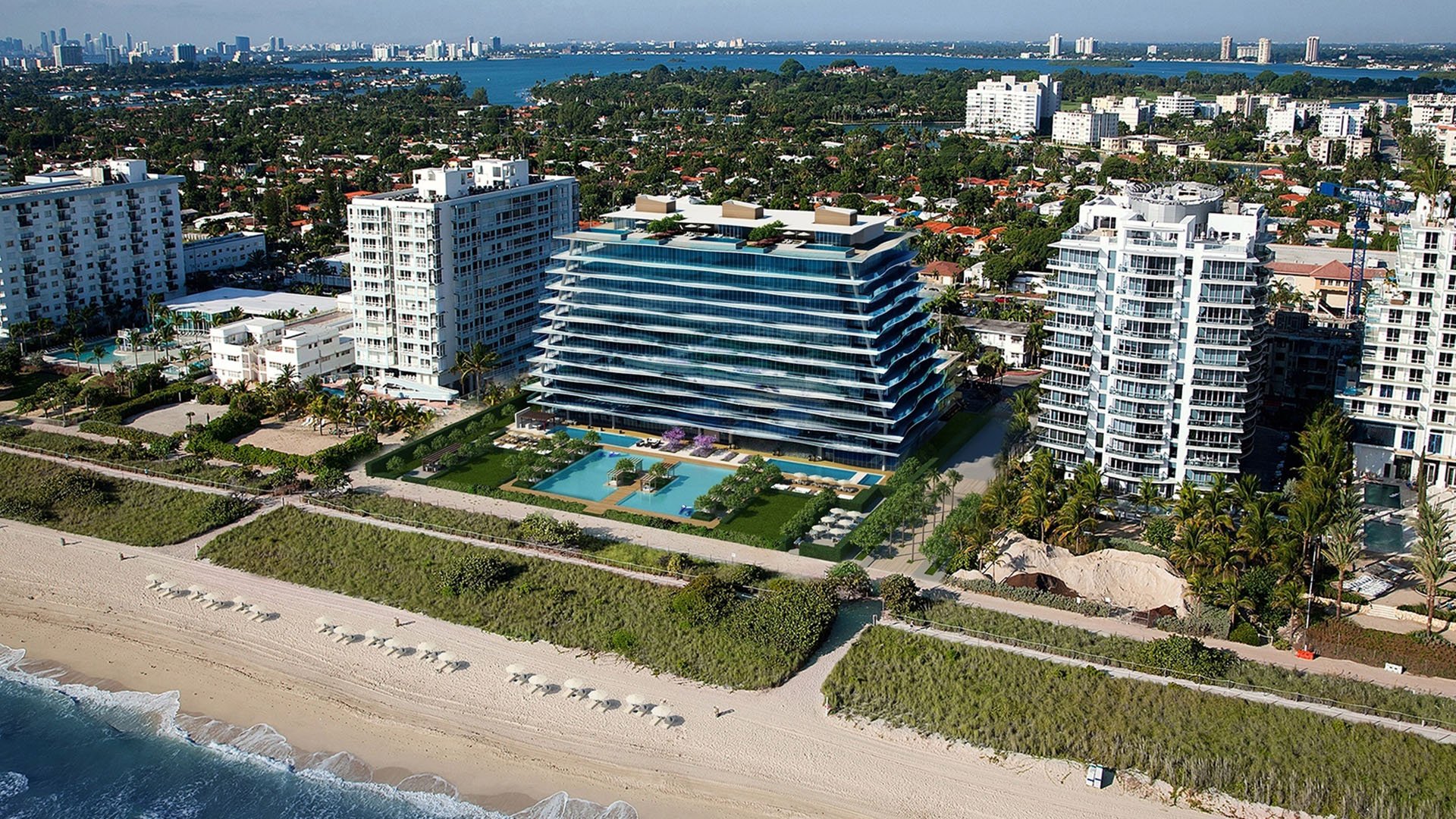
For a Brooklyn family looking toward Surfside, the conversation is rarely only about square footage, views or the elegance of the lobby. A Florida home can become a seasonal residence, a gathering place for adult children, a discreet base for grandparents, a future inheritance asset and, at times, a setting for family tension. The residence may feel effortless once everyone arrives, but the governance behind it should be deliberate.
The essential question is not simply which home to buy. It is how the family will own it, use it, fund it, protect it and eventually transfer or sell it. Those choices determine whether the property becomes a source of harmony or a beautiful complication.
In Surfside, buyers often gravitate toward a quieter, more residential oceanfront rhythm, with projects such as The Delmore Surfside entering the conversation for families that want privacy and a defined sense of place. Even the most serene setting benefits from rules agreed to before anyone is choosing bedrooms for a holiday week.
Before debating title, trusts, entities or financing, families should agree on the purpose of the Florida home. Is it primarily a second home for one couple? A multigenerational retreat? A future full-time residence? A legacy asset intended to stay in the family? Or a flexible property that may be sold if circumstances change?
These answers affect almost everything that follows. A home intended for grandparents and occasional family visits needs a different operating model than one shared equally by siblings. A property meant to be retained across generations requires more formal decision rights than a lifestyle purchase expected to be reassessed in a few years.
The most productive families separate romance from mechanics. They can love the terrace, the beach approach and the morning light while still asking precise questions about governance. Who has final say on renovations? Who approves staff? Who controls the calendar? Who pays when one branch uses the residence more than another?
Ownership is where many affluent buyers need disciplined advice. Personal ownership may feel simple, but simplicity can become fragile when multiple family members expect access or future control. Entity or trust ownership may offer a clearer framework, but those structures require administration, documentation and coordination with tax, legal and estate advisers.
The right structure depends on the family’s objectives, risk tolerance, privacy expectations and succession plan. A buyer moving from Brooklyn to Surfside should not assume that the family’s existing New York framework automatically translates neatly to a Florida residence. The property should be reviewed within the broader estate plan, not treated as a standalone indulgence.
If siblings or adult children will benefit from the home, the purchase documents should be supported by a separate family agreement. That agreement can define use rights, funding obligations, dispute procedures and exit options. It should be written while goodwill is high, not after the first disagreement over peak-season access.
In luxury real estate, scheduling can be as sensitive as ownership. A family home with limited prime weeks becomes a test of fairness. The winter holidays, school breaks and long weekends can expose assumptions no one acknowledged during the purchase process.
A strong calendar system is neutral. It sets booking windows, priority periods, cancellation rules, guest policies and blackout dates. It should also define whether the residence can be used by friends without a family member present. That issue seems minor until staff, security, insurance and building rules are involved.
For buyers comparing Surfside with neighboring enclaves, the lifestyle difference matters. The experience around Ocean House Surfside may suit a family seeking a more intimate coastal pattern, while nearby Bal Harbour and Bay Harbor searches can point to a different rhythm of access, dining, marina proximity or village living. The governance question remains the same: who gets to enjoy the home, when, and under what conditions?
The purchase price is only the opening number. Families should define how carrying costs, assessments, insurance, maintenance, staff, repairs, design updates and reserves will be funded. If one family member pays and another uses, expectations should be explicit.
A reserve account can reduce emotional decision-making. Instead of debating every repair or furniture refresh, the family can agree on annual contributions and approval thresholds. Minor operating expenses can be handled by a designated manager. Larger capital decisions can require consent from named decision-makers.
The family should also define what happens if someone stops contributing, wants out or disagrees with a major expenditure. Exit rights are not pessimistic. They are a form of respect. A graceful exit mechanism can preserve both the asset and the relationship.
South Florida living often involves service: property managers, housekeepers, drivers, chefs, maintenance teams, security vendors and concierge relationships. For families accustomed to dense city living, the shift to a waterfront residence can feel liberating, but it also creates a broader privacy surface.
A governance plan should cover who may hire staff, who may give instructions, how vendors are paid and what confidentiality expectations apply. It should also address photographs, social media, parties, charitable events and guest access. In some families, discretion is the highest amenity.
This is especially important when the residence has a prominent address or when multiple generations have different attitudes toward visibility. A parent may want absolute quiet. An adult child may view the home as a natural gathering point. Neither position is wrong, but both need rules.
Surfside, Bal Harbour, Bay Harbor Islands and Miami Beach each create a different family operating pattern. A buyer focused on oceanfront living may prioritize beach access and quiet arrival. Another may prefer the balance of village scale and connectivity near The Well Bay Harbor Islands. A family looking at Rivage Bal Harbour may be thinking about a more formal coastal address. Those comparing Miami Beach options, including The Ritz-Carlton Residences® Miami Beach, may weigh access to a broader social and cultural circuit.
For search shorthand, the relevant frame may include Surfside, Bal Harbour, Bay Harbor, Miami Beach, second-home and oceanfront considerations. But the family should go beyond labels. The right location is the one that supports the family’s intended pattern of use without creating unnecessary friction.
A Florida home can become emotionally important faster than anyone expects. Children build memories. Grandparents form routines. Spouses develop preferences. Once that happens, later planning becomes more delicate.
Families should discuss succession before the purchase or soon after. Who inherits the residence? Can one branch buy out another? Must the home be sold if the next generation cannot agree? Are there funds available to maintain it? Who decides if the property no longer fits the family?
These conversations should involve qualified legal, tax and estate advisers. The goal is not to make the home feel clinical. It is to let the family enjoy it without leaving avoidable ambiguity for the future.
When governance is done well, guests do not feel it. They simply arrive to a home that is prepared, staffed, funded and available according to a fair system. The view remains the view. The terrace dinner remains a pleasure. The family does not need to renegotiate its rules every season.
For Brooklyn-to-Surfside buyers, the most sophisticated move is to treat governance as part of the acquisition itself. The purchase is not complete when the contract closes. It is complete when the family understands how the home will function across time, people and changing priorities.
Should family governance be discussed before choosing a property? Yes. The intended use, ownership structure and decision rules can influence which residence is truly appropriate.
Is a written family agreement necessary for a Florida home? It is often prudent when multiple family members expect access, responsibility or future ownership rights.
Who should control the residence calendar? Families usually benefit from one designated administrator and written rules for priority periods, guests and cancellations.
How should carrying costs be handled? The family should agree in advance on contributions, reserve funding, approval thresholds and consequences for nonpayment.
Can one family member use the home more than others? Yes, if the agreement clearly explains whether unequal use affects costs, privileges or future expectations.
Should guests be allowed without a family member present? That depends on the family’s privacy standards, building rules, insurance considerations and comfort with third-party access.
What decisions should require family consent? Renovations, major repairs, staff changes, financing, sale decisions and long-term occupancy should be clearly addressed.
How does succession planning fit into the purchase? The residence should be coordinated with the broader estate plan so future ownership and liquidity issues are not left unclear.
What is the biggest mistake families make? They assume goodwill will solve practical questions that should have been written down before conflict appeared.
Can governance make a luxury home feel less personal? No. Good governance usually makes the home feel more relaxed because expectations are clear and disputes are less likely.
For a tailored shortlist and next-step guidance, connect with MILLION.
If branded residences are on your mind — as a home or as an allocation — we would be glad to share what we are seeing, privately.
Begin a quiet conversation