A discreet guide for New York buyers weighing Bal Harbour and nearby South Florida residences through the lens of private-aviation convenience, arrival rhythm, privacy, and lock-and-leave ease.
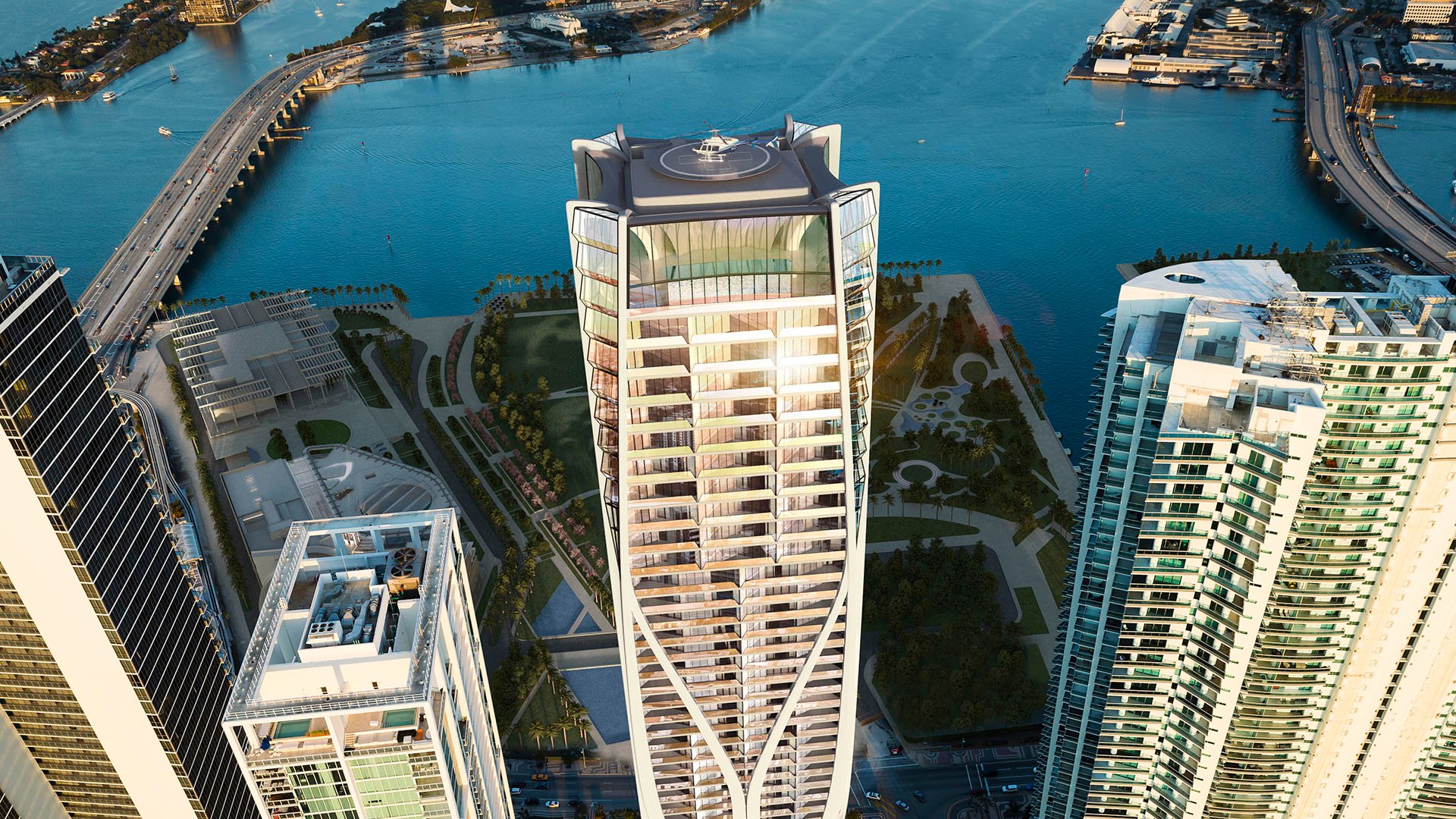
For a New York buyer considering Bal Harbour, the most disciplined search does not begin with a floor plan. It begins with the repeatable private-aviation routine: departure from the Northeast, arrival in South Florida, car staging, building access, luggage handling, and the first half hour after the residence door opens.
Private aviation compresses the air portion of the trip. The remaining friction is on the ground. A home that appears spectacular on paper can feel less usable if the arrival pattern is fussy, if guests wait awkwardly, or if staff cannot prepare the residence quickly enough before a late landing. Conversely, a quieter building with disciplined service, predictable access, and an elegant elevator sequence can become the address owners use most.
For New York families, the South Florida home is often a second home, a winter base, a weekend escape, or a place to gather across generations. That means the property must support speed without feeling transactional. The goal is not only to arrive quickly. It is to arrive privately, gracefully, and with as few decisions as possible.
A shorter private-aviation routine is rarely a single metric. It is a chain. The chain starts with how easily the aircraft is scheduled and serviced, then continues through landing, car transfer, gate or valet access, elevator privacy, and in-residence readiness.
Before choosing between Bal Harbour, Surfside, Bay Harbor Islands, Sunny Isles, or Miami Beach, a buyer should write a personal arrival brief. Who usually travels? Will children, grandparents, household staff, pets, or security accompany the trip? Does the owner arrive mostly in the evening, after meetings, or with guests for long weekends? Is the priority the least visible arrival, the shortest perceived transfer, or the easiest route to a formal dinner ten minutes after landing?
Those answers matter more than a glossy amenity list. A building with refined valet choreography, generous porte cochere space, and high staff discretion may outperform a more dramatic property if the weekly arrival feels smoother. For aviation-minded owners, the most valuable luxury is repeatability.
Bal Harbour has a particular appeal for buyers coming from New York: it feels composed. The area offers the kind of polished coastal environment that suits owners who want resort-level ease without surrendering residential privacy. The best homes here are not simply about views. They are about the choreography of arrival, service, security, wellness, and access to the sand.
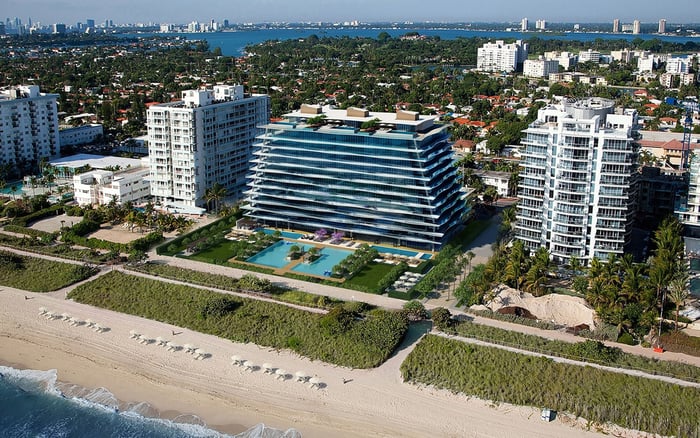
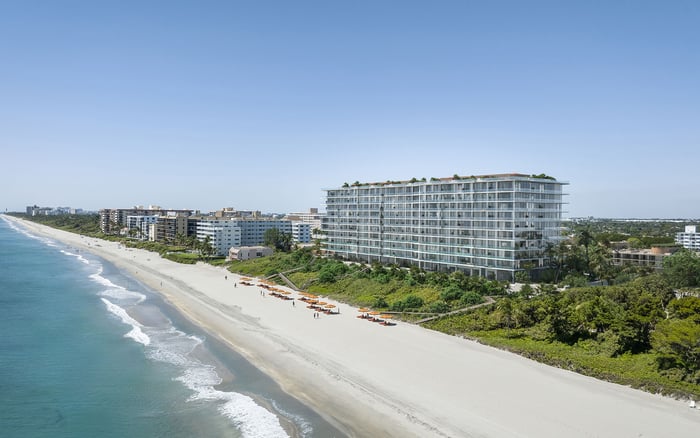
In that context, Rivage Bal Harbour belongs in the conversation for buyers who want a contemporary interpretation of Bal Harbour living, where the residence itself is part of a broader lifestyle routine. For those drawn to established oceanfront stature, Oceana Bal Harbour offers a recognizable Bal Harbour reference point for buyers who value a direct coastal setting and a more collected sense of place.
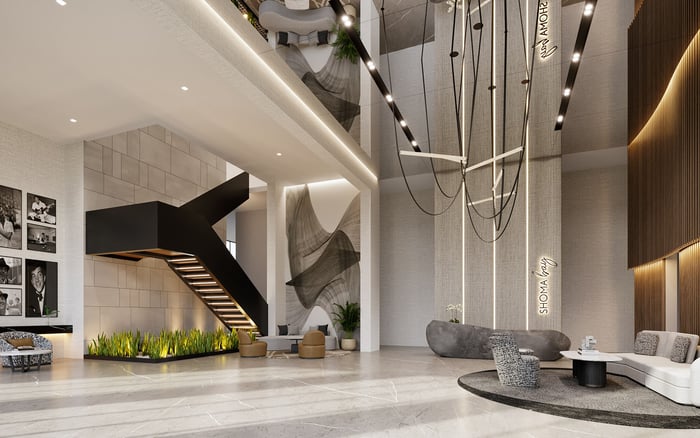
The private-aviation buyer should tour Bal Harbour differently from a conventional purchaser. Arrive as you would after a flight. Note the car approach, the handoff at the entrance, the feeling in the lobby, and the distance from vehicle to elevator. Ask how the residence is prepared before arrival, how deliveries are handled, and how visiting family members are received. The right building should make the owner feel expected, not processed.
A Bal Harbour search often expands naturally into neighboring enclaves, not because Bal Harbour lacks appeal, but because the aviation routine may point to different tradeoffs.
Surfside can suit owners who want beachside calm with a more residential mood. The Surf Club Four Seasons Surfside is often considered by buyers who appreciate heritage, service, and a quieter form of coastal glamour. For a New York household that entertains selectively rather than constantly, Surfside may feel less performative while still preserving access to the same broader northern beach lifestyle.
Bay Harbor Islands can be compelling for buyers who want a more tucked-away rhythm, especially when boating, family logistics, or a lower-key neighborhood cadence matter. Bay Harbor Towers gives that buyer a way to consider Bay Harbor living through a residential lens rather than a purely beachfront one.
Sunny Isles can serve a different profile: the owner who wants vertical luxury, large-scale amenities, and a high-service tower environment. The Ritz-Carlton Residences® Sunny Isles may appeal to buyers who prioritize a branded service culture and an oceanfront lifestyle with a more resort-like vocabulary.
In a working brief, those choices often become shorthand: Bal Harbour for formal coastal privacy, Surfside for quieter beach living, Bay Harbor for marina-minded ease, Sunny Isles for tower amenities, a second home for lock-and-leave use, and oceanfront when the water view is nonnegotiable.
The most experienced buyers do not ask only what the residence includes. They ask how it operates when nobody is improvising. A shorter routine depends on small operational details that become significant over years of use.
Begin with staff coordination. Can the residence be opened, cooled, stocked, and lit before arrival? Is there a simple protocol for luggage, flowers, groceries, wardrobe deliveries, and car service? If household staff are traveling separately, can they enter and prepare the home without friction?
Then study privacy. A discreet arrival should avoid unnecessary exposure at the curb, in the lobby, and in elevator banks. Ask how guests are announced, how service providers move, and whether the building culture supports quiet ownership. The most elegant South Florida buildings tend to understand that visibility is not the same as prestige.
Finally, test weekend reality. A residence that feels easy on a quiet weekday may behave differently during peak seasonal moments. The buyer should experience the approach at the same time they expect to use it most, particularly if the home is intended for fast New York turnarounds.
Some New York buyers are escaping intensity. Others are extending it with better weather. The distinction should shape the purchase.
If the South Florida home is meant to be restorative, prioritize simplicity: direct beach access, wellness spaces, quiet bedrooms, and a building culture that does not demand constant social engagement. If the home is meant for entertaining, evaluate guest arrival, terrace flow, dining capacity, and the ease of moving between residence, restaurant, boat, and beach.
For families, schools, relatives, and medical access may matter even if they are not the emotional reason for purchase. For collectors, storage, art handling, climate control, and staff competency become part of the aviation routine. For executives, the residence must support calls immediately after landing, without a scramble to create a workspace.
The best choice is not always the grandest. It is the home that reduces cognitive load. After a flight, the owner should not be solving the residence. The residence should be solving the trip.
Should I buy the home closest to the airport? Not automatically. The best choice is the home that creates the smoothest total arrival, from aircraft landing to opening the residence door.
Is Bal Harbour best for New York private flyers? It can be an excellent fit for buyers who prioritize privacy, oceanfront living, polished service, and a composed coastal environment.
How should I compare Bal Harbour with Surfside? Bal Harbour often feels more formal and curated, while Surfside may appeal to buyers seeking a quieter beachside rhythm.
Why consider Bay Harbor Islands? Bay Harbor Islands can suit buyers who want a more tucked-away residential feel, especially when boating or neighborhood calm matters.
Does Sunny Isles make sense for a second home? Yes, especially for buyers who want high-service towers, broad amenities, and a more resort-oriented oceanfront lifestyle.
What should I test during a property tour? Recreate your real arrival sequence, including car approach, valet handoff, lobby experience, elevator privacy, and staff readiness.
How important is building staff for private-aviation owners? Extremely important. Staff coordination often determines whether the residence feels prepared, private, and effortless after a flight.
Should I prioritize views or access? Ideally both, but aviation-minded buyers should not sacrifice operational ease for a view they will enjoy less often.
Is a branded residence always better for service? Not always. A branded residence may offer a defined service culture, but each building should be evaluated on actual daily operations.
What is the simplest decision rule? Choose the residence that makes your most common trip feel calm, private, and repeatable rather than merely impressive.
For a discreet conversation and a curated building-by-building shortlist, connect with MILLION.
If branded residences are on your mind — as a home or as an allocation — we would be glad to share what we are seeing, privately.
Begin a quiet conversation