A buyer-focused comparison of Coconut Grove and Bay Harbor Islands for luxury clients who want meaningful amenities, privacy, and service without the atmosphere of a resort.
For sophisticated South Florida buyers, the amenity conversation has matured. The goal is no longer to count every lounge, treatment room, pool deck, or private dining room. The sharper question is whether a building delivers meaningful daily convenience without making home feel like a hotel lobby.
That distinction matters when comparing Coconut Grove and Bay Harbor Islands. Both can appeal to buyers who want privacy, design integrity, and a calmer residential experience. Yet they tend to frame amenities differently. In a Coconut Grove search, the conversation often begins with lifestyle texture: greenery, neighborhood rhythm, terraces, wellness, and a sense of retreat. In Bay Harbor Islands, it often centers on discretion, boutique scale, and the feeling of being tucked away while still connected to a broader luxury corridor.
If your internal search notes say Coconut Grove or Bay Harbor Islands, translate that first into a lifestyle question: do you want amenities to feel woven into a larger neighborhood ritual, or do you want them to function as quiet private infrastructure?
Coconut Grove is compelling for buyers who do not want to separate the idea of home from the rhythm of daily life. The best amenity programs here feel less like spectacle and more like support: places to reset, gather, work, entertain, and move through the day without friction.
That is why projects such as Arbor Coconut Grove are often part of the conversation for buyers who want an intimate, design-forward setting rather than a large-scale resort composition. The appeal is not simply having amenities. It is having the right amenities, scaled to the way residents actually live.
For a buyer who entertains in measured doses, values a generous terrace, and prefers a softer arrival experience, Coconut Grove can make sense. The amenity spaces should not compete with the residence. They should extend it. A strong building in this context gives you places to host, recover, and work privately, while keeping the home itself as the primary luxury.
Four Seasons Residences Coconut Grove also belongs in the comparison for buyers who want a more polished residential vocabulary but remain sensitive to atmosphere. The key test is whether the experience feels composed and residential, rather than performative. For many Grove buyers, the ideal experience is refined but not theatrical.
Bay Harbor Islands tends to attract buyers who want amenities that are present, useful, and private, without requiring a constant social scene. Here, the strongest amenity programs often know when to disappear. A good fitness room, pool environment, wellness space, and resident lounge can be enough if they are beautifully executed and easy to use.
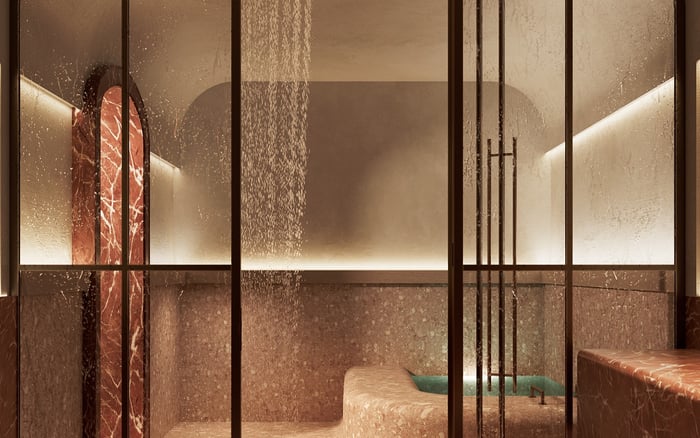
That is where The Well Bay Harbor Islands becomes relevant for buyers who place wellness at the center of the residence decision. The point is not to recreate a resort day after day. It is to make restoration feel built into the architecture of home.
Bay Harbor also suits buyers who see value in boutique scale. Smaller-feeling residential environments can make amenities feel more personal, provided the programming is balanced. Too few shared spaces can feel thin. Too many can feel inflated. The ideal is a curated suite of amenities that supports routine without turning the building into a destination for its own residents.
Projects such as Onda Bay Harbor and Bay Harbor Towers are useful reference points for buyers evaluating how a Bay Harbor address handles privacy, water-oriented living, and the balance between shared amenity and private residence.
Before choosing between the two markets, define amenity depth in practical terms. A long list is not automatically deep. Depth means the amenity program covers multiple moments of daily life with quality, not redundancy.
For most luxury buyers, the most important categories are wellness, outdoor space, hosting, work-from-home support, arrival experience, parking convenience, pet accommodation, and service. A pool is only valuable if it feels usable at the times you will use it. A lounge is only meaningful if you would actually invite a guest there. A wellness suite is only worth paying for if it reduces the need to leave home for routine care.
This is where buyers should be unsentimental. Ask what you will use weekly, monthly, and almost never. If an amenity belongs in the “almost never” category, it may still be beautiful, but it should not drive the purchase.
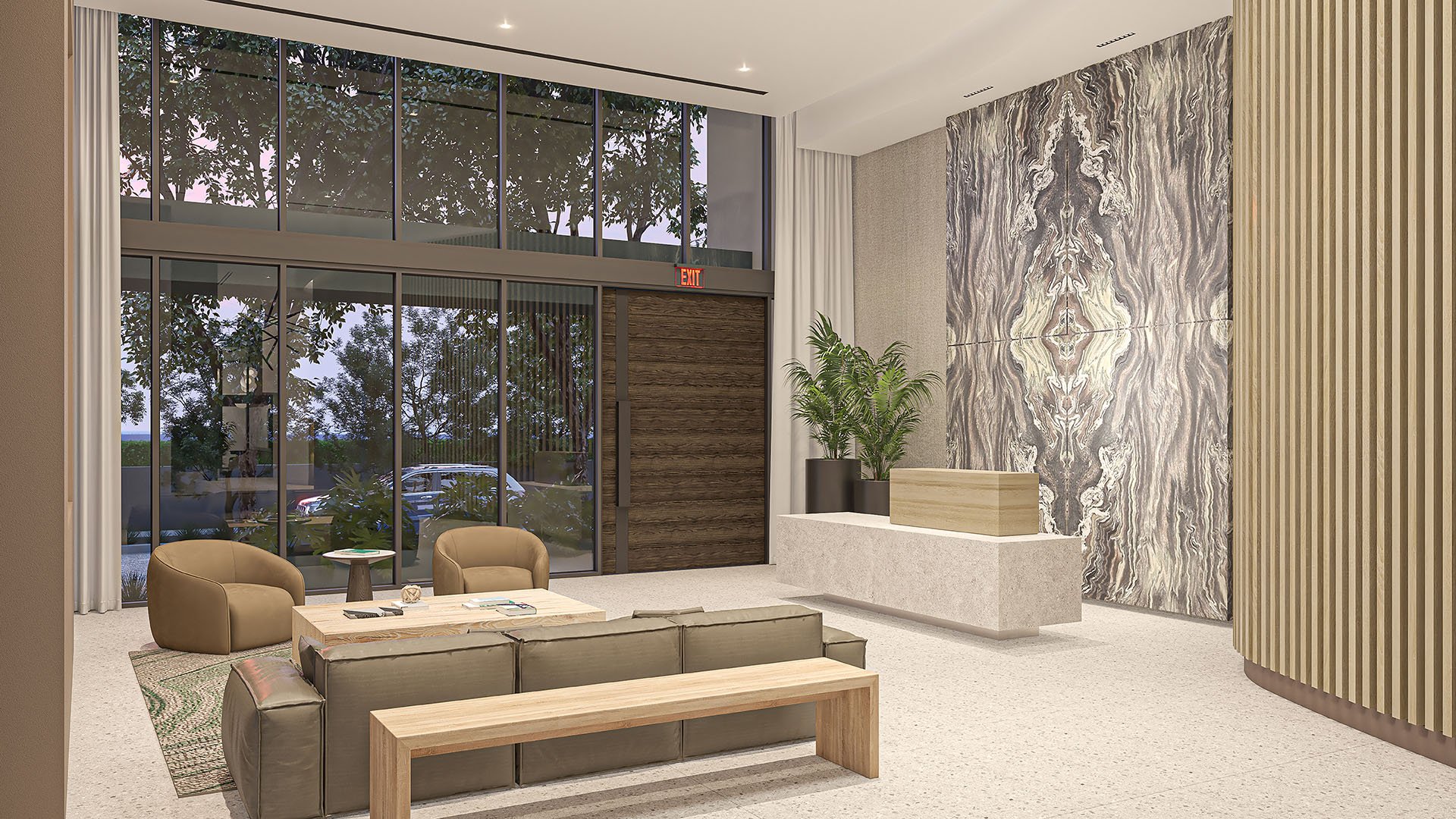
The simplest way to avoid a resort feeling is to study the sequence of arrival and movement. When you enter the building, does the experience feel like coming home, or checking in? Are shared spaces placed where residents can use them discreetly, or do they force a constant performance of lifestyle? Does the staff presence feel intuitive, or does it dominate the atmosphere?
Coconut Grove buyers may tolerate a broader lifestyle canvas if it remains elegant and neighborhood-aligned. Bay Harbor Islands buyers may prefer a quieter composition, where amenity spaces are secondary to the residence and the sense of privacy.
The best buildings in both areas understand restraint. They do not need every possible feature. They need the right features, edited properly. Luxury, in this context, is not abundance alone. It is the absence of daily inconvenience.
Choose Coconut Grove if you want the residence to feel connected to a layered daily routine. This may include morning wellness, relaxed entertaining, private outdoor living, and a more organic relationship between home and neighborhood life. The Grove buyer is often drawn to warmth, landscaping, texture, and a slightly more expressive residential character.
Choose Bay Harbor Islands if you want a quieter residential posture with amenities that serve rather than announce themselves. The Bay Harbor buyer often wants calm, privacy, and a building that feels complete without feeling busy. Amenity depth matters, but only if it supports discretion.
Neither choice is inherently better. The better choice is the one where the amenity program matches your actual habits. If you travel frequently, prioritize lock-and-leave ease, staff consistency, and maintenance simplicity. If this will be a primary residence, look more closely at daily circulation, storage, outdoor space, and the comfort of shared areas during ordinary weekdays.
Walk the building mentally before you walk it physically. Where do you arrive? Where do guests wait? Where would you take a call? Where would you have coffee? Where would you exercise when the building is quiet? Where would you avoid going if it felt crowded?
Then compare the answers across Coconut Grove and Bay Harbor Islands. A residence that looks glamorous in a presentation can feel wrong if the amenities interrupt privacy. Conversely, a quieter building can feel richer than expected if every shared space has a clear purpose.
The right choice is usually evident when a buyer stops asking, “How many amenities are there?” and starts saying, “I would actually live this way.”
Is Coconut Grove better than Bay Harbor Islands for amenities? Not universally. Coconut Grove may suit buyers who want amenities tied to a broader daily lifestyle, while Bay Harbor Islands may suit those who want quieter residential support.
How do I avoid buying into a building that feels like a resort? Focus on arrival sequence, resident privacy, staff tone, and whether shared spaces feel calm during normal use.
Are boutique buildings usually better for privacy? They can be, but only if the amenity program is well planned. Boutique scale should feel curated, not limited.
Should I prioritize wellness amenities? Prioritize them if you will use them consistently. Wellness spaces add the most value when they replace real routines outside the home.
Is a large amenity list a sign of better value? Not always. A shorter, better-edited program can be more valuable than a long list of spaces you rarely use.
Which area is better for a primary residence? The better fit depends on your daily rhythm. Choose the area where the building, residence, and surrounding lifestyle feel easiest to repeat.
Which area is better for a second home? For a second home, emphasize lock-and-leave simplicity, privacy, service reliability, and amenities that require little planning.
How important is outdoor private space? Very important for many luxury buyers. Private outdoor space can reduce dependence on shared amenities and make the residence feel more complete.
Should I tour amenities at different times of day? Yes. A building can feel very different in the morning, late afternoon, and evening, especially around shared wellness and pool areas.
What is the best way to shortlist comparable options for touring? Start with location fit, delivery status, and daily lifestyle priorities, then compare stacks and elevations to validate views and privacy.
To compare the best-fit options with clarity, connect with MILLION.
If branded residences are on your mind — as a home or as an allocation — we would be glad to share what we are seeing, privately.
Begin a quiet conversation