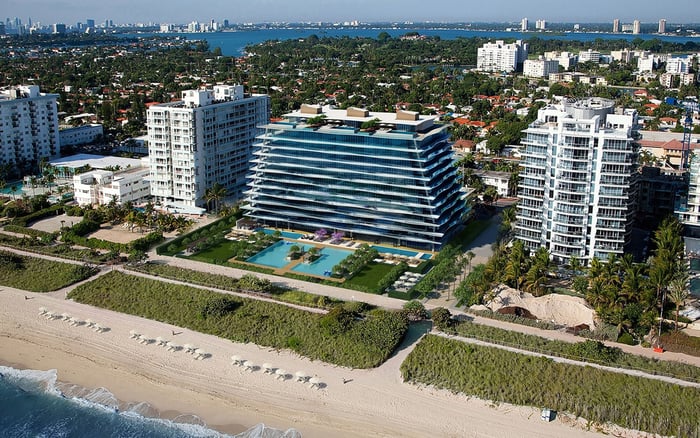
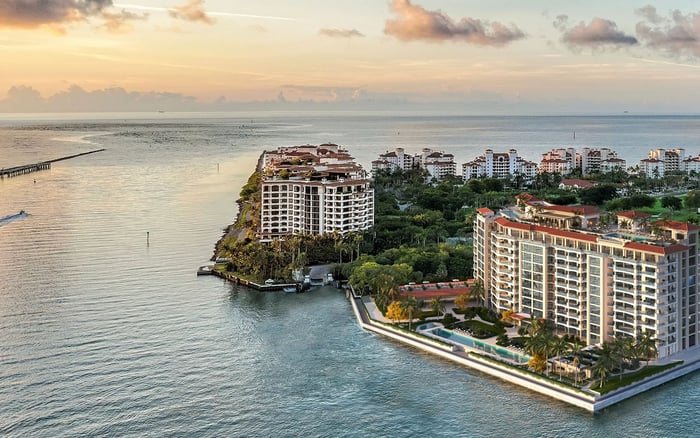
A discreet ownership guide for buyers evaluating Bal Harbour as a primary Miami base, with emphasis on privacy, livability, access, building culture, and long-term discipline.
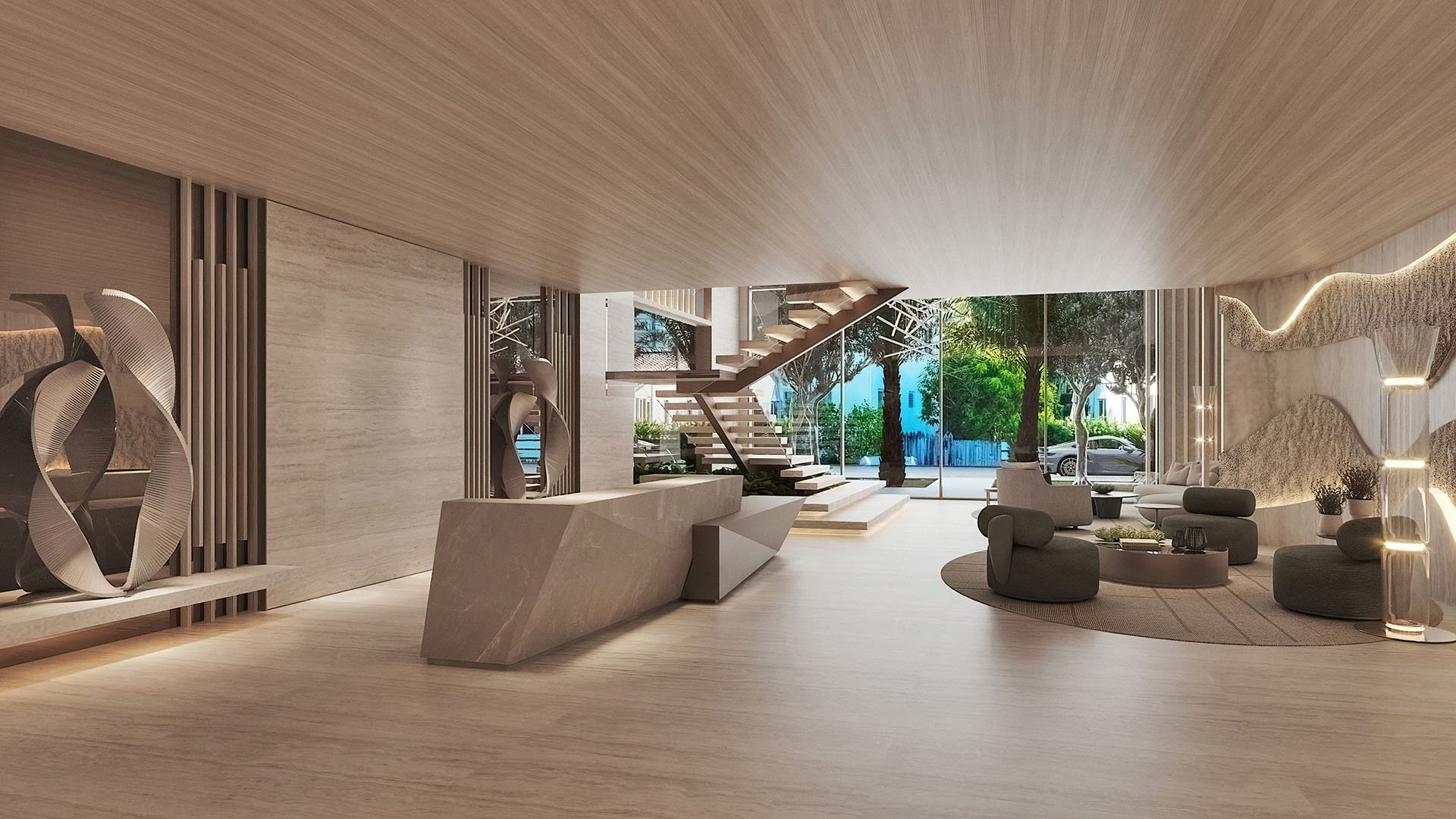
Bal Harbour asks a more exacting question than many Miami addresses: can a residence support real life with the grace of a resort, without requiring the buyer to live inside resort traffic? For the ultra-premium buyer seeking a primary Miami base, the answer is not found in a lobby photograph, a view corridor, or an amenity list alone. It is found in the rhythm of ownership.
A primary base must work on an ordinary Tuesday. It must allow a quiet morning, an efficient departure, a calm return, and the sense that the building treats privacy as a service standard, not a marketing phrase. Bal Harbour has long attracted buyers who prefer refinement over spectacle, but the strongest purchase decisions still come from a practical test: does the property make daily life feel lighter?
That test matters especially for buyers who want proximity to Miami without inheriting the friction of heavily touristed corridors. The most successful ownership choice is rarely the loudest one. It is the residence that protects time, simplifies movement, and keeps the experience of home distinct from the energy outside the gates.
A second residence can tolerate compromise. A primary base cannot. Before evaluating any building, buyers should define the non-negotiables of daily living: arrival sequence, elevator privacy, staff interaction, guest management, pet logistics, storage, parking, and the ease of receiving deliveries without constant personal involvement.
In Bal Harbour, the ownership test begins with the building’s social temperature. Some buyers want a visible residential community; others want near-total discretion. Neither is universally better, but the mismatch is expensive. A buyer who wants anonymity may tire quickly of an address with a highly social lobby culture. A buyer who enjoys familiarity may find a more restrained building too quiet.
The right fit should feel intuitive. When touring, resist the urge to focus only on finishes. Sit in the common areas. Observe the porte cochere. Ask how guests are announced. Notice whether the property feels composed during transitions, not only staged during showings. Primary ownership is measured in repeated moments, and repeated moments reveal the truth.
The phrase “without resort traffic” is not only about cars. It is about the emotional density that comes with living near places designed for visitors. Buyers who want Bal Harbour as a home should consider how often non-resident energy touches the ownership experience.
A well-run building can create separation between public glamour and private calm. That separation begins at arrival. The entry should feel controlled, not congested. Valet and front desk teams should appear fluent in resident routines. Service areas should support staff and vendors without pulling the owner into operational details.
Inside the residence, the same principle applies. A dramatic view is most valuable when paired with interiors that allow retreat. Large entertaining spaces may be desirable, but the everyday plan should also support quiet meals, private work, and restful evenings. The best primary-base residences do not perform luxury at every moment. They allow luxury to recede into ease.
Oceanfront living remains one of the most powerful draws in South Florida, but the word oceanfront should not close the conversation. For a primary buyer, frontage is only the beginning. The deeper question is whether the building converts that setting into dependable ownership.
Look at the transition from residence to beach, pool, fitness, spa, and parking. A beautiful amenity is less compelling if reaching it feels exposed or inconvenient. A terrace becomes more than a photograph when it can be used comfortably across different parts of the day. A view becomes more than a premium when the floor plan lets the owner experience it from the rooms that matter most.
This is where Bal Harbour can be especially appealing to disciplined buyers. The market’s best homes are not merely about proximity to the water. They are about the ability to live beside the water without feeling that the property is competing for attention. The distinction is subtle, but owners feel it every day.
In ultra-luxury residential ownership, building culture often becomes the hidden asset. It affects privacy, resale confidence, staff continuity, noise tolerance, renovation etiquette, and the way residents share common spaces. Buyers often underestimate it because it is difficult to quantify. Yet it can define the ownership experience more than a marginal difference in ceiling height or appliance package.
A strong building culture feels consistent. Staff members know how to be present without being intrusive. Residents understand the tone of the address. Management communicates clearly. Rules are enforced with polish rather than drama. For a primary base, that consistency protects the buyer’s daily peace.
This is also where resale discipline enters the conversation. A residence in a building with a coherent identity may be easier for future buyers to understand. The most durable addresses tend to communicate what they are, and what they are not. In Bal Harbour, that clarity can be more valuable than chasing novelty.
A primary Miami base should not feel isolated, but it should feel protected. Bal Harbour’s appeal is tied to that balance: access to the broader Miami lifestyle while preserving a calmer residential atmosphere. For buyers comparing Miami Beach, Surfside, and nearby island or waterfront neighborhoods, the decision often turns on temperament as much as architecture.
This is where language matters. Bal Harbour, as a search category, can imply exclusivity, but ownership is more personal than a tag. A buyer should ask whether the location supports the actual week: school runs if relevant, medical appointments, dining habits, airport patterns, fitness routines, visiting family, and the cadence of entertaining.
Second-home buyers may prize the instant vacation feeling. A primary buyer needs something more durable. The home must deliver quiet convenience repeatedly, including during high season, holidays, and weekends when nearby destinations become more active. If the address only feels effortless in the off-season, it may not be the right primary base.
A private showing should be treated like a dress rehearsal for ownership. Arrive at the time of day you would normally return home. If possible, visit more than once. Daylight, traffic patterns, lobby activity, and ambient sound can change the impression significantly.
Start with the arrival experience. Is the approach graceful? Does the transition from car to lobby feel protected? Are service personnel warm, precise, and discreet? Then move through the building as an owner would, not as a guest. Consider elevator wait, corridor privacy, storage practicality, package handling, and the route from parking to residence.
Inside the home, test the plan. Where would you take your first call of the morning? Where would guests gather without interrupting private rooms? Can staff or service providers function without crossing the most intimate areas? Is the primary suite a true retreat, or merely a large bedroom attached to a view?
Finally, listen. The most refined properties have a certain acoustic calm. Not silence, necessarily, but control. For buyers escaping resort traffic, that control may be one of the purest luxuries available.
Bal Harbour is not for every luxury buyer, and that is part of its strength. It suits those who want proximity without constant display, service without theatricality, and a polished residential setting that does not require participation in a scene. The best match is often the buyer who values privacy, routine, and elegant restraint.
It can also suit the buyer transitioning from a larger single-family home into a more managed lifestyle, provided the building offers enough privacy and spatial dignity. Lock-and-leave convenience is useful, but primary ownership requires more than convenience. It requires confidence that the home can support a full life, not just intermittent visits.
The right Bal Harbour residence should make Miami feel accessible but not invasive. It should offer beauty without friction, service without overexposure, and a sense of return that remains satisfying after the novelty fades.
Is Bal Harbour better for a primary home or a second home? It can serve either purpose, but primary buyers should focus more closely on building culture, access, privacy, and daily operating ease.
What should I prioritize if I want less resort traffic? Prioritize controlled arrival, discreet staff flow, private elevators or low-friction circulation, and a calm lobby environment.
Is an oceanfront residence always the best choice? Not always. Oceanfront appeal should be weighed against floor plan, privacy, service quality, and how comfortably the home functions every day.
How important is building culture in Bal Harbour? It is central. Building culture shapes noise, privacy, staff consistency, guest experience, and long-term ownership satisfaction.
Should I tour at different times of day? Yes. Morning, late afternoon, and evening visits can reveal different patterns in access, sound, light, and common-area activity.
What makes a residence feel like a true primary base? It should support work, rest, entertaining, storage, service, guests, and routine errands without making daily life feel managed by the building.
Is Bal Harbour a good fit for buyers who want discretion? It can be, especially for buyers who choose a building with restrained service, composed common areas, and a privacy-minded resident culture.
How should I compare Bal Harbour with nearby areas? Compare not only views and finishes, but also temperament, access patterns, neighborhood rhythm, and the level of public activity nearby.
Does resale matter if I plan to live there long term? Yes. Resale discipline encourages buyers to choose coherent buildings, sensible layouts, and locations with durable appeal.
What is the best way to shortlist comparable options for touring? Start with location fit, delivery status, and daily lifestyle priorities, then compare stacks and elevations to validate views and privacy.
To compare the best-fit options with clarity, connect with MILLION.
If branded residences are on your mind — as a home or as an allocation — we would be glad to share what we are seeing, privately.
Begin a quiet conversation