A practical, discreet guide for Las Olas buyers evaluating whether a residence, building, and service culture can support private dining and polished entertaining.
For a Las Olas buyer, private dining is not simply a room with a table. It is an operating system. The strongest residences allow a host to receive guests gracefully, serve dinner without visible friction, and close the evening without turning the home into a production site. That requires architecture, staff culture, building rules, vendor access, parking logic, and acoustic control to work in concert.
The question is not whether a property looks beautiful during a showing. The question is whether it can perform on a Saturday evening when guests arrive at once, a chef needs staging space, bottles require temperature control, and the host wants privacy rather than improvisation. In a Las Olas and Fort Lauderdale context, where buyers may compare waterfront, urban, and resort-adjacent living, that operational layer can separate a polished purchase from an attractive inconvenience.
Before comparing amenities, define your entertaining profile. A buyer who hosts intimate chef-led dinners for eight has different needs than a family planning holiday gatherings, charity salons, birthday weekends, or regular cocktail hours. The right residence should match the scale, frequency, and tone of those occasions.
Start with three scenarios: a quiet weekday dinner, a formal seated event, and a larger reception. For each, map the guest count, service style, food preparation, bar setup, parking needs, and expected end time. This exercise quickly reveals whether the property needs a true service kitchen, a prep pantry, a second dishwasher, wine refrigeration, staff entry, or simply a flexible open plan with excellent circulation.
Buyers touring Fort Lauderdale options such as Four Seasons Hotel & Private Residences Fort Lauderdale should resist judging only the beauty of shared spaces. Ask how the building supports residents when private entertaining moves from aspiration to actual use.
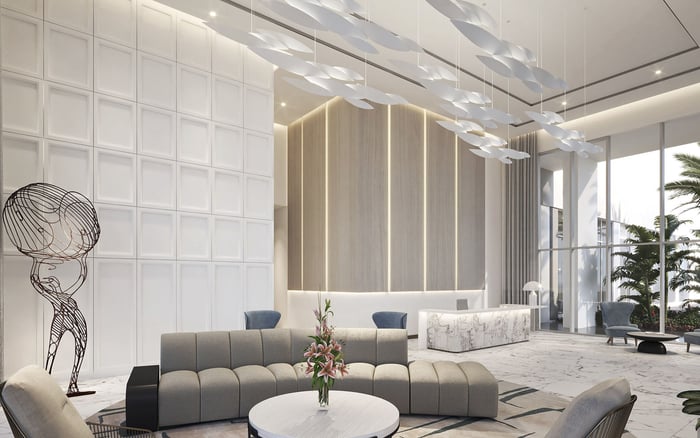
Private dining support often begins outside the residence. A capable front desk, valet team, concierge, and property management office can make the difference between a seamless dinner and a sequence of awkward interruptions. Ask who coordinates guest arrivals, how vendors are checked in, whether deliveries can be staged, and whether staff understands the discretion expected by high-net-worth residents.
The best question is practical: if a resident hosts a dinner for twelve with an outside chef, what happens from the first vendor arrival to the final trash removal? The answer should be specific. If it depends on ad hoc permission, unclear approvals, or the mood of a particular manager, the building may not be mature enough for frequent entertaining.
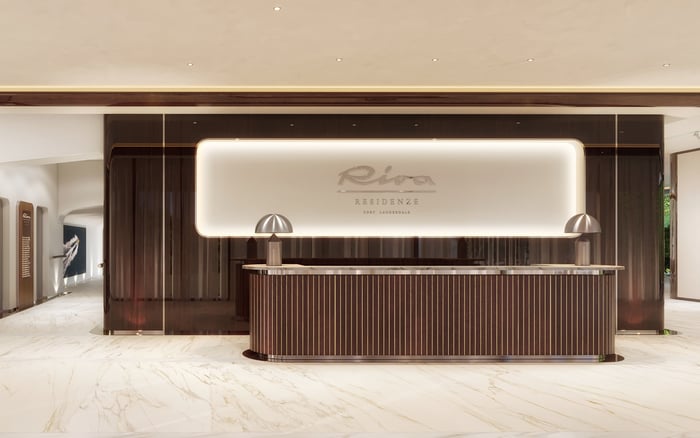
When comparing residences such as Riva Residenze Fort Lauderdale, buyers should ask for the house rules early, before emotional attachment has formed. Rules around vendors, elevator reservations, loading areas, music, insurance, alcohol service, and hours of use can matter more than a dramatic view.
A serious buyer should bring a private dining checklist to the second showing. Is there space for plated service, or only buffet-style entertaining? Can a chef work without crossing the guest path? Is there a powder room placed conveniently for guests without compromising private bedroom wings? Is there a coat or bag drop? Can service items be hidden before and after dinner?
Look closely at the kitchen, even if you do not cook. Luxury entertaining often requires refrigeration, warming, plating, storage, and cleanup. A show kitchen may photograph beautifully but function poorly if it lacks working zones. If the home has a separate prep area, test whether it is large enough for real staff movement. If it does not, ask where trays, glassware, floral buckets, ice, and service pieces would actually go.
Also confirm whether building policies allow private chefs, caterers, bartenders, florists, rental companies, musicians, and event staff. Some residences are comfortable with regular vendor activity, while others treat each occasion as an exception. A buyer who entertains often should favor predictability over special favors.
Entertaining infrastructure is subtle. It includes outlets in the right locations, lighting zones, durable surfaces, discreet storage, AV capacity, climate control, and enough distance between social areas and sleeping areas. A residence may be large yet still feel strained if the layout funnels every guest through the same narrow corridor.
Acoustics deserve special attention. Hard surfaces, tall ceilings, and open glass can create a lively effect at first, then become tiring during dinner. Ask whether rugs, drapery, acoustic treatments, or furnishings can soften the environment. If music is part of your entertaining style, confirm sound transfer to neighboring residences and common areas.
For buyers considering newer urban living near Las Olas, Sixth & Rio Fort Lauderdale offers a useful prompt: study how the residence handles the transition from everyday life to occasion. The strongest homes do not require the owner to rearrange the entire household for a dinner to feel composed.
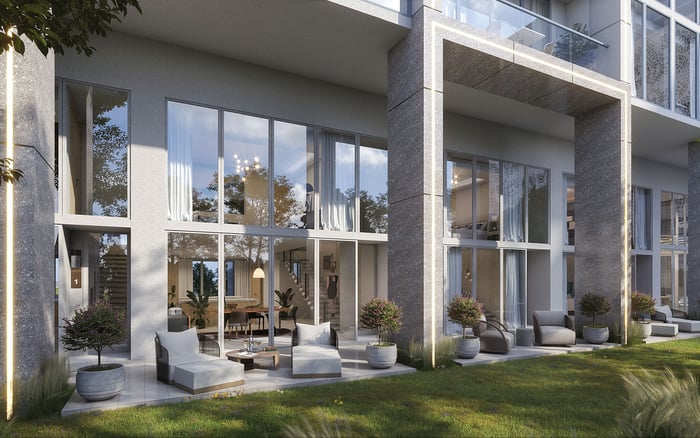
Terrace entertaining is one of South Florida’s great pleasures, but it must be evaluated with discipline. Consider shade, wind, privacy from neighboring residences, evening lighting, furniture depth, and whether doors allow an easy indoor-outdoor rhythm. A beautiful terrace that is difficult to furnish or exposed to direct view may be less useful than a smaller, more protected outdoor room.
Bars require the same rigor. A proper bar area is not merely a counter. It needs refrigeration, ice, glass storage, water access when possible, and proximity to the social zone without blocking circulation. If the bar will be temporary, identify where it can sit without crowding the dining path.
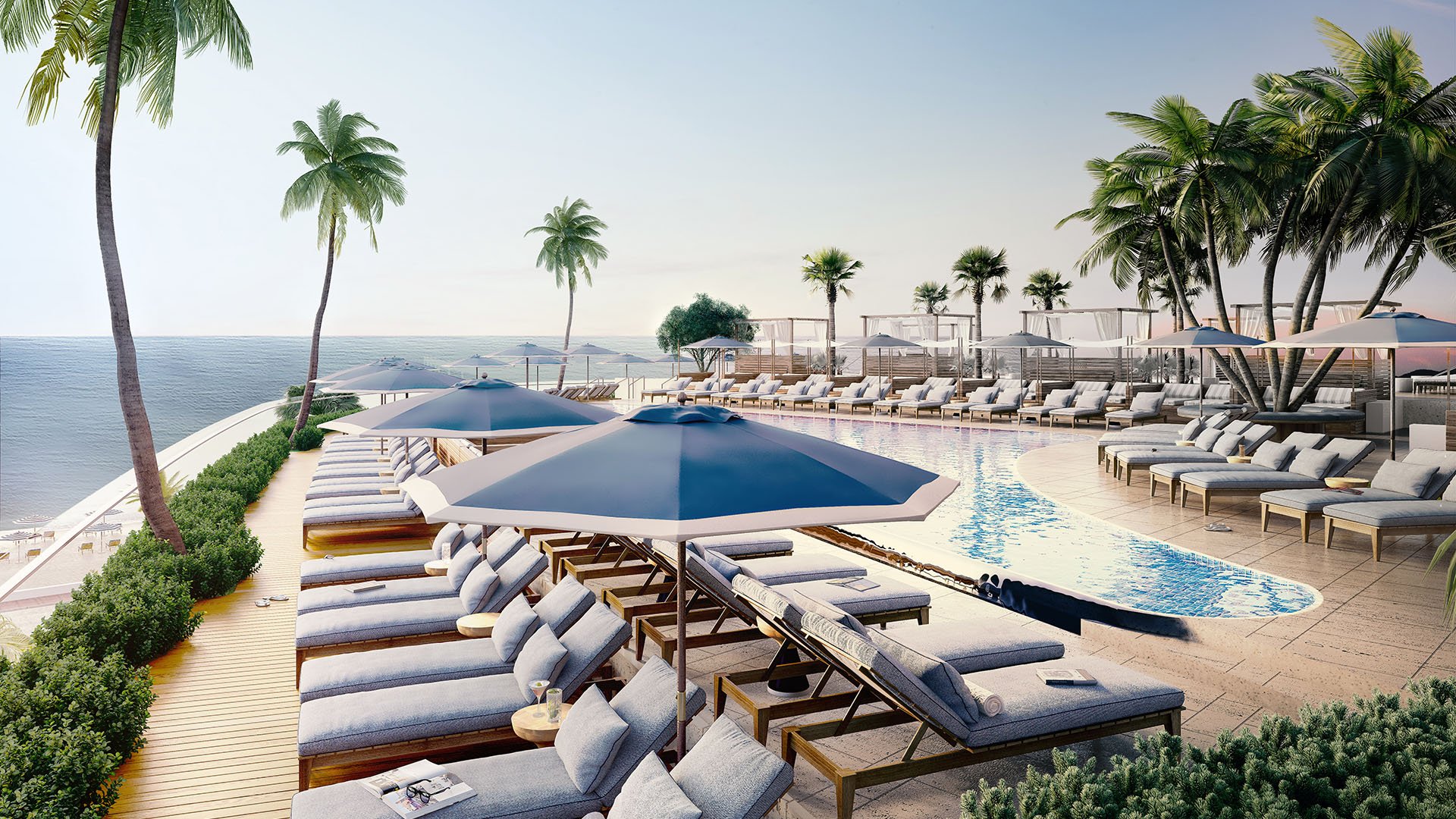
Pool areas, whether private or shared, raise another set of questions. Can residents reserve or use adjacent spaces for small gatherings? Are there limitations on music, catering, glassware, furniture, and guest access? If a building promotes a resort sensibility, buyers should still distinguish between everyday amenity enjoyment and private entertaining rights.
Entertaining begins before the first toast. Arrival sequence matters enormously in Las Olas purchasing decisions. Guests should know where to go, how they will be received, and whether the building can absorb simultaneous arrivals without delay. Valet capacity, guest parking rules, rideshare flow, and lobby circulation all shape the tone of the evening.
Ask what happens when several residents entertain on the same night. A building may function beautifully during a private tour yet feel congested during peak social hours. Also consider departure. Can guests leave without passing through service cleanup? Can cars be retrieved efficiently? Does the building maintain a sense of calm late in the evening?
Residences connected to a higher service expectation, such as St. Regis® Residences Bahia Mar Fort Lauderdale, should still be evaluated through specific use cases. Brand language is not a substitute for understanding how the property handles your particular version of hospitality.
Private dining support has a cost profile. Some costs are visible, such as amenity reservations, valet charges, extra cleaning, security, or staff overtime. Others are embedded in association fees or service charges. The right question is not whether fees exist. It is whether the fee structure aligns with the way you live.
Review rules before contract. Confirm guest limits, advance notice requirements, deposits, insurance certificates, elevator reservations, loading dock hours, noise policies, terrace restrictions, and cleanup obligations. If you plan to host often, ask whether recurring use is welcomed or merely tolerated.
A disciplined buyer also weighs resale. Residences that entertain effortlessly often appeal to future buyers with similar expectations. The value is not only in a dining room’s dimensions, but in the confidence that a home can support a private life beautifully.
What is the first thing Las Olas buyers should evaluate for entertaining? Start with how you actually host, then compare the residence, staff support, and rules against those real scenarios.
Is a large dining room enough for private dining? No. Service flow, kitchen function, acoustics, storage, and vendor access are just as important as table capacity.
Should buyers ask for building rules before making an offer? Yes. Rules on guests, vendors, music, elevators, terraces, and cleanup can materially affect daily enjoyment.
How important is concierge support for entertaining? It can be essential if you host frequently, especially when coordinating arrivals, deliveries, reservations, and vendor access.
What should buyers look for in a kitchen? Look for practical prep space, refrigeration, cleanup capacity, circulation, and separation between working and guest zones.
Do terrace rules matter in South Florida? Yes. Terraces can be central to entertaining, but wind, privacy, music rules, furniture limits, and hours of use all matter.
How can a buyer test acoustic privacy? Visit at different times, discuss sound transfer with management, and evaluate hard surfaces, ceiling heights, and neighboring walls.
Are amenity spaces a substitute for entertaining at home? Sometimes, but only if reservation rules, catering permissions, guest access, and fees align with your expectations.
What costs are easy to overlook? Extra cleaning, valet, security, staff overtime, amenity deposits, rental equipment, and insurance requirements are commonly missed.
Why does entertaining support affect long-term value? A residence that hosts smoothly can appeal to buyers who value privacy, service, and an effortless social life.
For a tailored shortlist and next-step guidance, connect with MILLION.
If branded residences are on your mind — as a home or as an allocation — we would be glad to share what we are seeing, privately.
Begin a quiet conversation