A discreet buyer’s guide to weighing Bal Harbour’s quieter social rhythm against Miami Beach before committing to a luxury residence.
Buying in Bal Harbour is rarely just a decision about square footage, finishes, or a water view. For many high-net-worth buyers, the more important question is atmospheric: do you want the visible, constantly activated social canvas of Miami Beach, or a softer residential profile where prestige is expressed with greater restraint?
That distinction matters because the wrong social setting can make even an exceptional residence feel misaligned. A buyer who thrives on nightly restaurant energy, constant cultural programming, and a rotating circle of visitors may find Bal Harbour too quiet. A buyer who values privacy, controlled access, calm arrivals, and a refined daily rhythm may find it precisely right.
Many clients begin the search in Bal Harbour, then compare it with Miami Beach, Surfside, and Bay Harbor before they understand what they are really buying. The question is not simply oceanfront versus inland, boutique versus resort-scale, or second home versus primary residence. It is whether the neighborhood’s tempo supports the life you expect to live there.
A softer social profile does not mean isolated, sleepy, or lacking in luxury. It means the social experience is less performative. In Miami Beach, the public-facing lifestyle is often part of the appeal: arrival moments, dining scenes, hotel energy, art-driven events, and a higher probability of spontaneous encounters. Bal Harbour is more edited. The best version of life there is composed, deliberate, and less dependent on being seen.
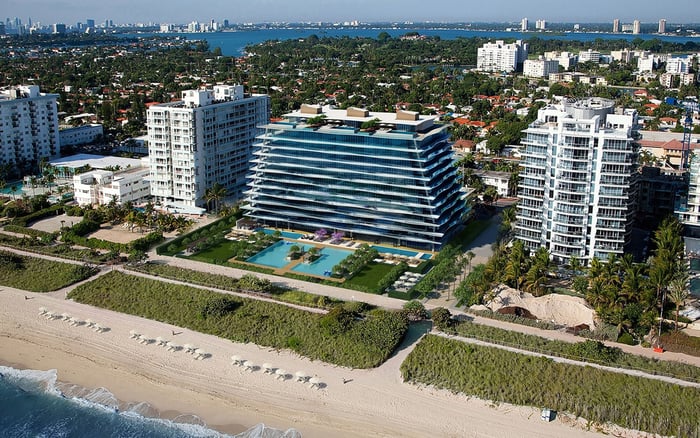
For buyers considering residences such as Rivage Bal Harbour or Oceana Bal Harbour, the evaluation should go beyond architecture. Ask whether you want your building to function as a private retreat first and a social platform second. The softer profile is a feature when it protects rest, family time, and discretion. It becomes a drawback only when a buyer expects the neighborhood itself to generate a busy social calendar.
The most common mistake is evaluating Bal Harbour while in a holiday state of mind. A weekend visit can make calm feel glamorous. A second visit during a normal weekday can reveal whether that calm feels restorative or too still.
Create a realistic ownership diary. Where would you take morning meetings? How often would you dine outside the neighborhood? Would you host at home or prefer to meet friends in busier districts? Would guests expect immediate nightlife, or would they understand that the residence is a sanctuary with access to energy elsewhere?
For a primary residence, the test is routine. For a second home, the test is arrival. If the first hour after landing should feel decompressed, Bal Harbour’s quieter profile may be valuable. If the first hour should place you directly into a lively social current, Miami Beach may be the more natural fit.
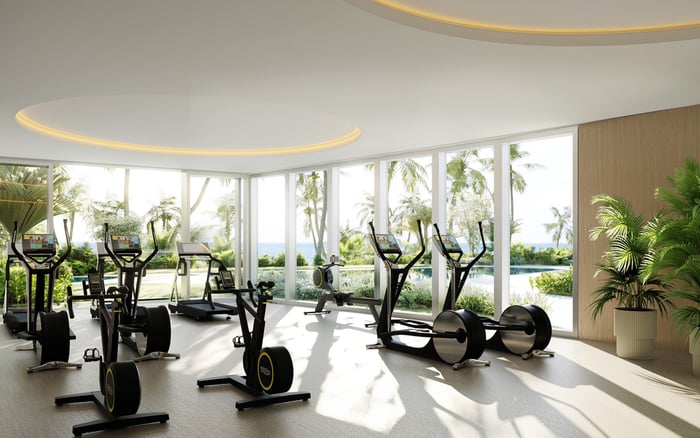
In ultra-luxury condominium ownership, the building often determines the social tone as much as the neighborhood. A residence with large private spaces, discreet service, thoughtful wellness amenities, and low-friction access can make a quieter location feel complete. Conversely, if the building depends heavily on the surrounding neighborhood for stimulation, a softer location can expose that gap.
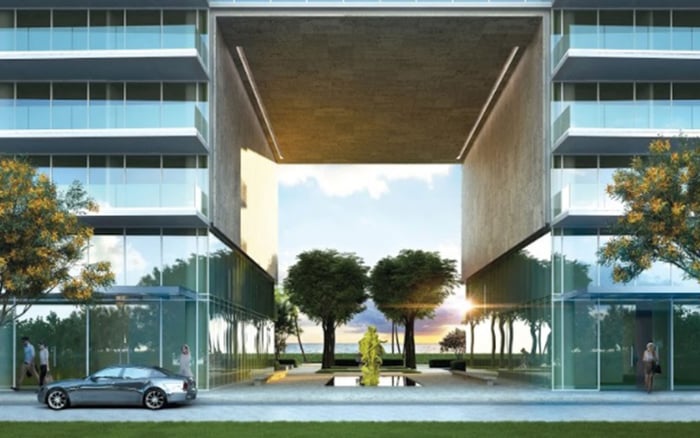
This is why buyers should study lobby scale, amenity programming, elevator privacy, guest flow, valet choreography, and the character of common spaces. Are residents encouraged to linger, gather, and entertain, or is the building designed to move people gracefully between private home, beach, pool, and car? Neither model is inherently better. The better choice is the one that matches the owner’s social identity.
Nearby alternatives can sharpen the comparison. In Surfside, projects such as The Delmore Surfside and Ocean House Surfside may appeal to buyers who want an intimate coastal setting close to Bal Harbour, but with a subtly different neighborhood feel. The point is not to rank one address above another. It is to understand which version of quiet feels most natural.
Bal Harbour’s lower-key profile is often attractive because it reduces friction. There is less need to curate every public appearance, less pressure to participate in constant social motion, and a greater sense that home can remain home. But every layer of privacy has a convenience trade-off.
Before purchasing, buyers should map the destinations they will actually use: preferred restaurants, schools, airports, marinas, offices, clubs, wellness appointments, and friends’ homes. A neighborhood can be serene and still impractical if your weekly life pulls you elsewhere too often. Similarly, a busier area can be exciting and still exhausting if the daily logistics feel exposed or congested.
The right question is not whether Bal Harbour is quieter than Miami Beach. It is whether the quiet helps your life operate more elegantly.
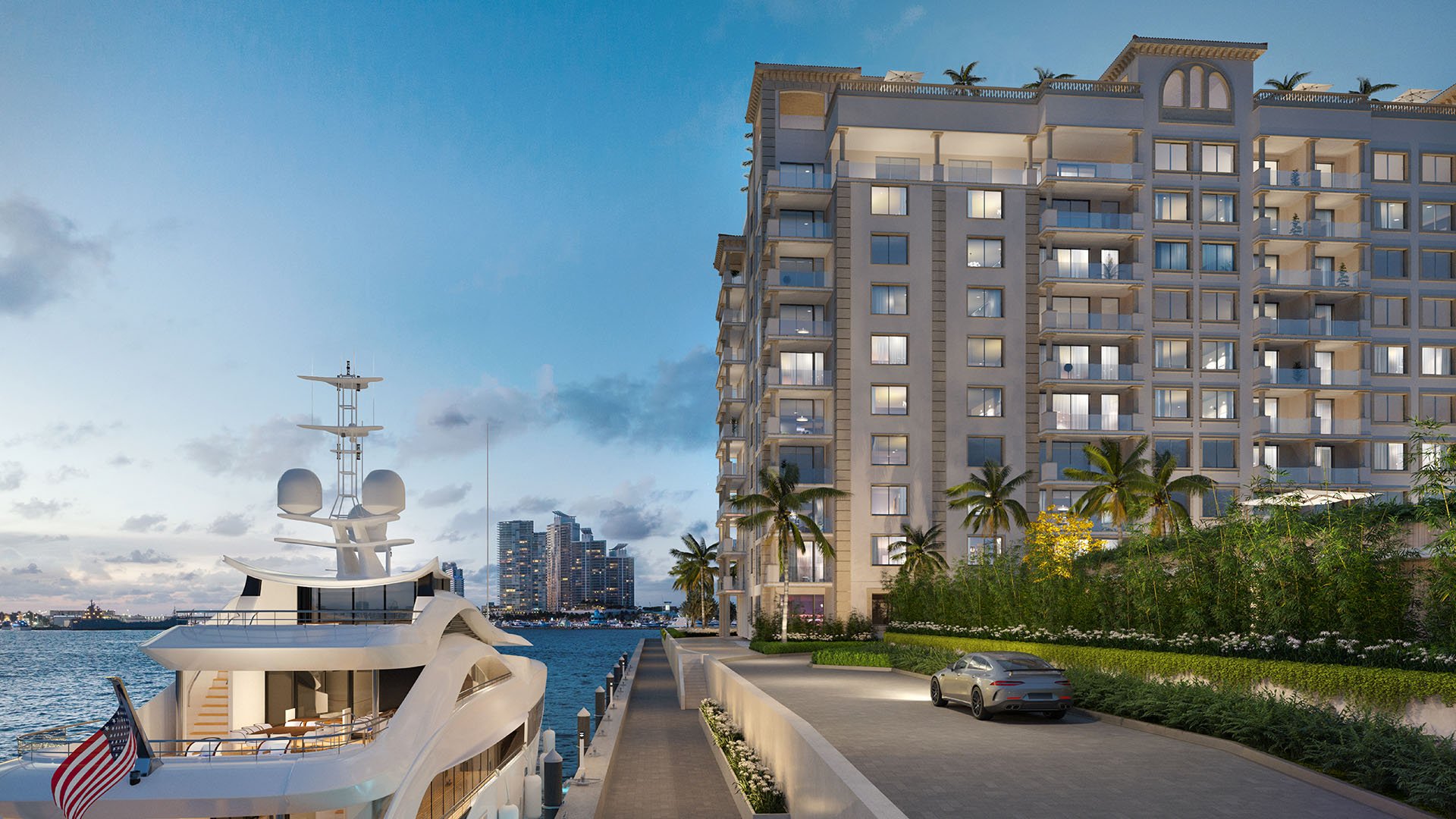
Bay Harbor Islands can be useful for buyers who are drawn to the same northern-beach geography but want to compare waterfront calm, residential scale, and access patterns. A project such as La Maré Bay Harbor Islands gives buyers another lens through which to consider privacy, boating-oriented lifestyle preferences, and a more residential cadence.
This comparison is especially important for buyers who think they want Bal Harbour because of prestige, but who may actually want a quieter address with a different relationship to the water and surrounding streets. Prestige should not be used as shorthand for fit. The best purchase is the one where daily life feels intuitive, not merely impressive.
A softer social profile can be an advantage in resale when the next buyer is seeking the same qualities: discretion, beachfront calm, controlled luxury, and proximity to more active districts without living inside them. The buyer pool may be narrower than in a more broadly social market, but it can also be highly focused.
That means product quality matters. Floor plan, view corridor, terrace usability, service experience, and building reputation must all reinforce the lifestyle promise. If the neighborhood is selling privacy, the residence should not feel compromised. If the building is selling refinement, the arrival sequence and amenity experience should support that message from the first showing.
A buyer should also avoid over-personalizing the purchase around a temporary life phase. A home chosen for quiet during an intense work cycle should still function when entertaining returns. A residence chosen as a peaceful family base should still feel elegant for guests. Bal Harbour works best when the owner values calm as a long-term preference, not as a short-term escape.
Start with three questions. First, where do you want your public life to happen? If the answer is outside the home and by choice, Bal Harbour may be compelling. Second, how much social energy should your building generate? If the answer is selective and controlled, look for residences with service depth rather than constant spectacle. Third, how often will you leave the neighborhood for stimulation? If the answer is frequently, test the routes before you buy.
Then make two visits at different times. Walk or drive the arrival sequence. Sit in the lobby if possible. Observe the tone of service. Notice whether you feel relieved by the quiet or curious about what is missing. Luxury real estate decisions are often framed around desire, but the strongest purchases are made when desire and temperament agree.
Bal Harbour is not a substitute for Miami Beach. It is a different proposition: quieter, more residential, and often more comfortable for buyers whose wealth does not require a stage. For the right owner, that softness is not a compromise. It is the luxury.
Is Bal Harbour too quiet for buyers used to Miami Beach? It can be, depending on the buyer’s expectations. Those who need constant nightlife nearby should test the rhythm carefully before purchasing.
Who is the ideal Bal Harbour buyer? The ideal buyer values privacy, calm, refined service, and access to energy without living in the center of it.
Should I compare Bal Harbour with Surfside before buying? Yes. Surfside offers a nearby coastal comparison that can help clarify whether you prefer Bal Harbour’s particular tone.
Is a softer social profile good for a second home? It can be excellent if the second home is meant for rest, family time, and controlled entertaining rather than constant outings.
How should I evaluate a Bal Harbour building? Focus on privacy, service flow, common-area tone, amenity quality, and whether the building supports quiet luxury.
Does quieter mean less luxurious? No. In Bal Harbour, luxury is often expressed through discretion, space, service, and calm rather than high visibility.
What if I want both privacy and social access? Bal Harbour may work if you are comfortable traveling to livelier areas when you want more activity.
Should resale matter in this decision? Yes. Choose a residence whose design, views, and service experience reinforce the neighborhood’s discreet luxury identity.
How many times should I visit before committing? Visit at different times of day and week so you understand the daily rhythm, not just the vacation mood.
How can buyers vet social-media claims about a luxury listing? Cross-check permits, condo documents, and verified sales records, then tour comparable units for real-world context.
For a discreet conversation and a curated building-by-building shortlist, connect with MILLION.
If branded residences are on your mind — as a home or as an allocation — we would be glad to share what we are seeing, privately.
Begin a quiet conversation