A discreet buyer’s guide for Brooklyn residents considering a seasonal Miami pied-à-terre, with guidance on neighborhoods, building lifestyle, governance, carrying costs, and long-term usability.

For a Brooklyn buyer, Miami is rarely a simple vacation-home search. It is a decision about rhythm: when you arrive, how you decompress, who visits, how private you want the building to feel, and whether the residence should live like a hotel suite, a family apartment, or a quiet retreat that waits perfectly between seasons.
The best seasonal pied-à-terre is not necessarily the largest residence or the most recognizable tower. It is the one that reduces friction. That means thoughtful arrival, strong day-to-day management, sensible rules, and a neighborhood that supports your actual habits rather than an imagined itinerary. A buyer spending winter weekdays between calls may need a different Miami than one seeking beach mornings, long lunches, and a guest room that is always in use.
This is where South Florida rewards precision. Brickell, Miami Beach, Coconut Grove, Bay Harbor Islands, Sunny Isles Beach, Surfside, Fort Lauderdale, Boca Raton, and West Palm Beach each offer a different version of ease. The right answer begins with lifestyle, then moves into building structure, ownership costs, governance, and exit strategy.
Before comparing views or finishes, map the cadence of use. Will you come for long weekends, school holidays, the full winter season, or spontaneous escapes when New York feels too compressed? A pied-à-terre used for short visits should be effortless to open and close. A residence used for several months should feel more like a true home, with real storage, a comfortable kitchen, quiet work zones, and outdoor space that feels integral rather than ornamental.
For many Brooklyn households, the first decision is urban energy versus coastal quiet. Brickell offers a vertical, walkable environment with dining, offices, and nightlife close at hand. A building such as 2200 Brickell speaks to buyers who want a polished city base rather than a purely resort-oriented setting. Miami Beach, by contrast, places the buyer closer to sand, culture, and a more languid daily pace, especially when the building delivers privacy and service without excessive spectacle.
Second-home planning should also consider who will actually use the residence. If adult children, friends, or visiting parents are part of the picture, the floor plan matters as much as the address. Split bedrooms, powder rooms, private elevator entries, and terraces that function as true living rooms can make a compact residence feel generous.
A seasonal buyer should resist buying by reputation alone. Prestige has value, but daily compatibility matters more. Brickell is compelling for buyers who want restaurants, wellness, business access, and Manhattan-like convenience. Miami Beach is ideal for those who want their day framed by water, design, and social life. Coconut Grove appeals to buyers who prefer greenery, boating culture, neighborhood scale, and a softer residential texture.
In Coconut Grove, the conversation often turns to privacy, canopy, and a quieter sense of permanence. Four Seasons Residences Coconut Grove naturally suits a buyer seeking service and residential calm in one of Miami’s most established enclaves. For a Brooklyn buyer moving between brownstone streets and South Florida, that balance can feel more intuitive than a high-intensity district.
Miami Beach requires a more specific lens. South Beach, Mid-Beach, North Beach, and the nearby coastal villages do not behave the same way. A buyer seeking a high-touch beachfront lifestyle may gravitate toward buildings where wellness, dining, and beach access are integrated into the residential experience. Shore Club Private Collections Miami Beach fits that conversation for purchasers who view the pied-à-terre as a refined seasonal retreat rather than simply a place to sleep.
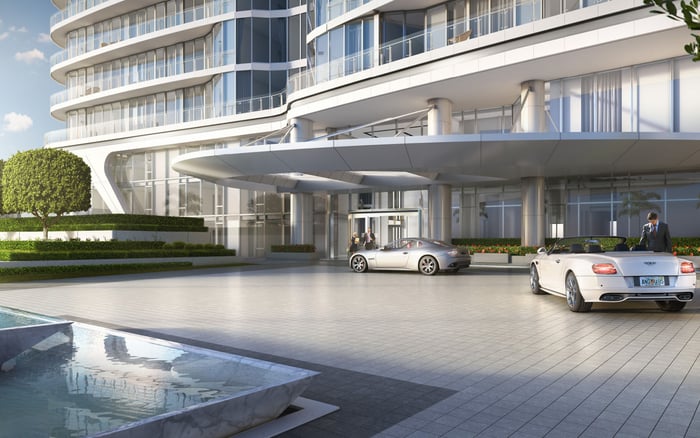
For seasonal ownership, the building is your local infrastructure. A strong concierge, attentive management, valet or self-parking clarity, package handling, pet protocols, guest registration, and maintenance access all shape the experience. The question is not just whether the lobby is beautiful. It is whether the building can operate gracefully when you are not there.
Review rules carefully. Some buildings are designed for owner-occupants and long seasonal stays. Others may allow more flexible rental use. Neither is inherently better, but the policy must match your expectations. If rental income is central to the thesis, confirm minimum lease terms, approval processes, fees, local compliance, and the building’s appetite for transient use. If privacy is the priority, tighter rental restrictions may be an advantage.
For buyers focused on waterfront living, the details become even more important. Exposure, balcony depth, storm protocols, parking elevation, insurance structure, and the association’s approach to maintenance all belong in the first conversation, not the last. A beautiful view should be paired with practical ownership architecture.
A true pied-à-terre should pass the lock-and-leave test. Can you depart for weeks without worrying about plants, deliveries, leaks, cleaning, climate control, or access for approved vendors? Can the residence be prepared before arrival without turning every trip into a logistics exercise? Does the building have a culture of serving seasonal owners, or will every request feel exceptional?
This is where smaller boutique buildings and larger amenity-rich towers diverge. Boutique properties may offer intimacy, privacy, and fewer residents. Larger buildings may offer deeper staffing, broader amenities, and more redundancy. The better choice depends on temperament. Some Brooklyn buyers prefer the anonymity of a full-service tower. Others want a quieter building where staff know their preferences.
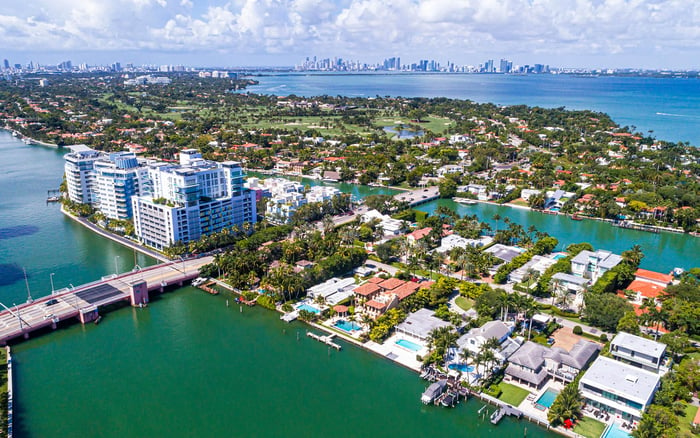
Bay Harbor Islands can be persuasive for buyers who want a residential, low-key setting near the beach communities without living directly in the center of the most visible resort corridors. Onda Bay Harbor is a natural reference point for those considering a more measured waterfront residential mood with proximity to both mainland convenience and coastal leisure.
A sophisticated buyer treats carrying costs as part of the design. Monthly assessments, reserves, insurance, planned capital work, parking, storage, staff, utilities, and potential special assessments should be reviewed before emotional momentum takes over. The most elegant purchase is the one whose economics remain comfortable after the first season.
Condo documents deserve serious attention. Read the budget, minutes, rules, reserve posture, rental policy, pet policy, alteration procedures, and guest protocols. Ask how the association handles major repairs, insurance renewals, and access for contractors when owners are away. A pied-à-terre is often used lightly, but the building itself must be managed heavily.
Residency and tax planning should be handled with qualified advisers. A Miami home may become part of a larger personal, financial, and estate-planning conversation, especially for households with businesses, children, or multiple residences. Treat the property as one piece of a broader structure rather than an isolated indulgence.
Even if the plan is to hold for years, a seasonal residence should be purchased with resale clarity. Views, floor-plan efficiency, parking, outdoor space, building reputation, neighborhood trajectory, and maintenance discipline all influence future demand. Avoid overly personalized compromises unless they are central to your life.
The most resilient pied-à-terre usually has a simple story. It is easy to understand, easy to use, and easy to show. A well-located two-bedroom with a strong terrace and a disciplined building may outperform a larger residence with awkward proportions or uncertain governance. Luxury buyers will forgive very little when they are purchasing convenience.
The right buying framework slows the process down. The ideal Miami residence should feel seductive, but the decision should remain calm. Walk the neighborhood at different times, test the commute from the airport, sit on the terrace, listen from the primary bedroom, and imagine arriving after a late flight with luggage, guests, and no patience for complexity.
What is the first decision for a Brooklyn buyer choosing a Miami pied-à-terre? Decide how you will actually use the residence: weekends, full seasons, family holidays, remote work, or a mix of all four.
Is Brickell a good fit for seasonal buyers? Brickell works well for buyers who want urban convenience, restaurants, wellness, and a more vertical city rhythm.
Who should consider Miami Beach? Miami Beach suits buyers who want beach access, design, dining, and a more resort-oriented daily lifestyle.
Why consider Coconut Grove? Coconut Grove appeals to buyers who prefer greenery, residential calm, boating culture, and a softer neighborhood scale.
Should I buy new construction or resale? New construction may offer modern amenities and finishes, while resale may offer established operations and immediate context.
How important are condo rules? They are essential, especially for rentals, guests, pets, renovations, deliveries, and access when you are away.
What makes a property truly lock-and-leave? Strong management, dependable staff, maintenance access, climate control, package handling, and clear vendor procedures.
Should rental flexibility drive the purchase? Only if it matches your financial plan and the building’s rules; privacy-focused buyers may prefer stricter policies.
How should I think about waterfront ownership? Evaluate views together with insurance, maintenance, storm protocols, balcony usability, and building governance.
When should I involve advisers? Bring in legal, tax, insurance, and building-review advisers before contract decisions become emotionally fixed.
For a tailored shortlist and next-step guidance, connect with MILLION.
If branded residences are on your mind — as a home or as an allocation — we would be glad to share what we are seeing, privately.
Begin a quiet conversation