A discreet buyer’s guide for Canadian snowbirds evaluating storm preparation services, association protocols, vendor access, and seasonal ownership responsibilities before committing to a South Florida residence.
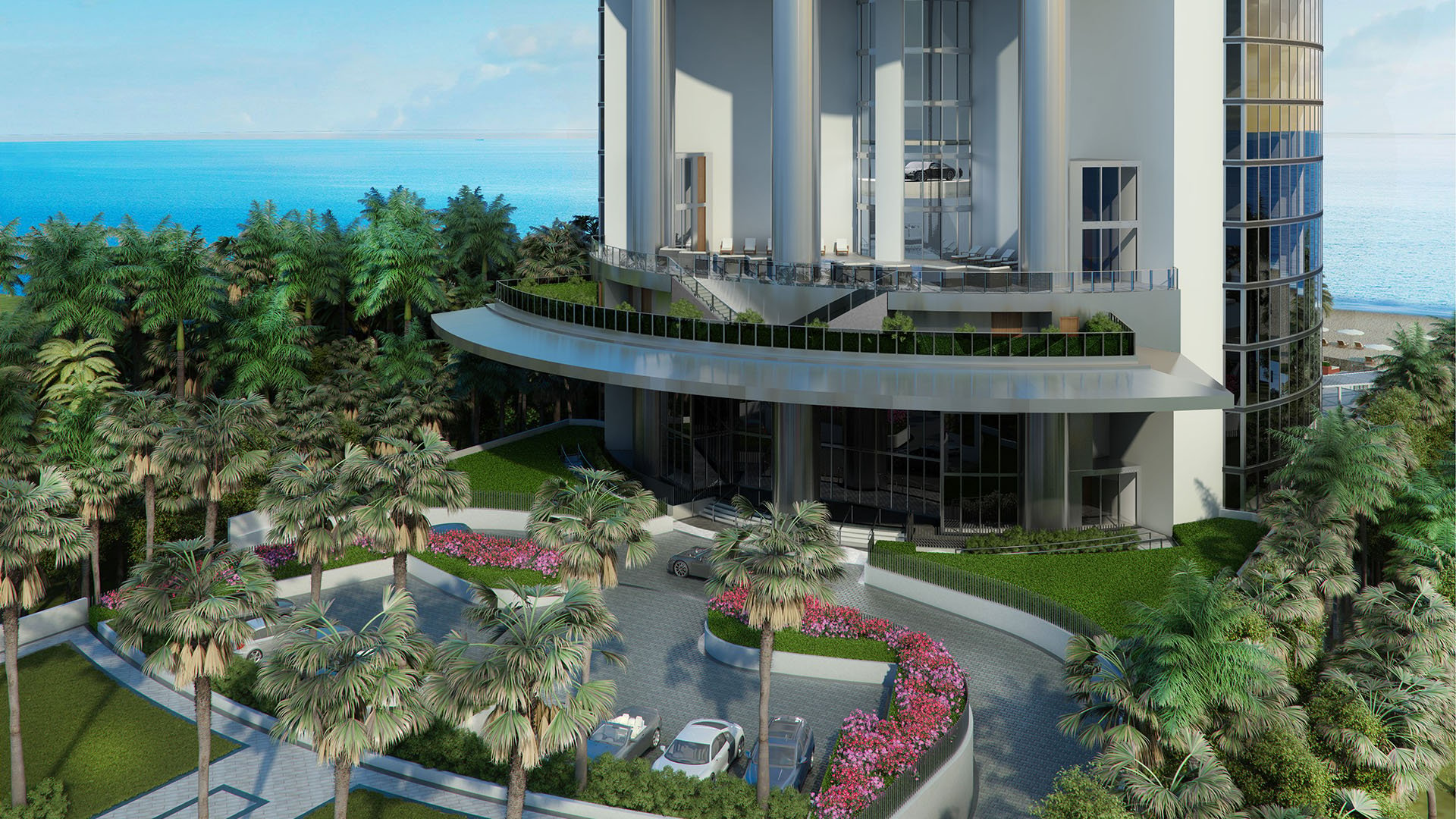
For Canadian snowbirds, South Florida ownership is often imagined through light, water, design, and ease. The more disciplined conversation starts before the contract is signed: who prepares the residence when the owner is in Toronto, Montreal, Vancouver, Calgary, or abroad, and how quickly can that work be authorized?
Storm preparation services are not an afterthought for seasonal owners. They sit at the intersection of property management, building rules, insurance expectations, vendor access, and personal peace of mind. A buyer may love a terrace, a waterfront exposure, or a lock-and-leave floor plan, but the practical question is whether the residence can be secured, inspected, and returned to normal without the owner boarding a last-minute flight.
This is especially relevant for second-home purchasers who expect the residence to perform quietly while they are absent. The best ownership experience is not simply about amenities. It is about invisible systems: clear authority, documented service levels, responsive building communication, and a plan that has been discussed before urgency arrives.
Storm preparation is a broad phrase, and buyers should not assume every building, manager, or caretaker defines it the same way. In a condominium, the service conversation may include balcony and terrace readiness, furniture storage, window protection protocols where applicable, interior checks, appliance settings, post-event access, and visual reports. In a single-family or townhome setting, the discussion may extend to landscaping, pool areas, gates, garages, generators, drainage, and vendor coordination.
The priority is not a generic promise. It is a written scope. What is included? What is excluded? Who decides when preparation begins? Who holds keys, fobs, parking access, and elevator permissions? Who sends photographs? Who confirms completion? For Canadian buyers, clarity matters because time zones, travel plans, and cross-border banking can complicate rapid decision-making.
This is where a sophisticated buyer’s checklist becomes more than administrative. The objective is to separate lifestyle appeal from ownership friction. Storm preparation is one of the clearest tests of whether a residence is truly suited to seasonal living.
Luxury condominium ownership can reduce certain burdens, but it does not eliminate personal responsibility. A full-service building may have staff, management procedures, access controls, and communications infrastructure. Still, each owner should understand what the association manages, what the unit owner must arrange, and how third-party vendors are admitted.
In Miami Beach, buyers comparing residences such as The Perigon Miami Beach should ask how owner communications are handled, how terrace rules are communicated, and what limitations apply to outside service providers. The question is not whether a building feels polished on a tour. The question is whether its operating culture supports absent owners with precision.
The same principle applies in Sunny Isles Beach, where vertical living, ocean proximity, and seasonal ownership often converge. Buyers evaluating properties such as St. Regis® Residences Sunny Isles should understand the sequence between owner notification, building preparation, private unit preparation, and re-opening. A beautiful arrival experience after the season only happens when the unglamorous procedures are already defined.
Waterfront living is central to South Florida’s appeal, but it requires a more deliberate mindset. Outdoor furnishings, railings, terraces, dock-adjacent areas, landscaping, and glass exposures all belong in the seasonal maintenance discussion. Buyers should ask how routine care differs from storm preparation, because the two are not always the same.
In Fort Lauderdale, the boating and waterfront lifestyle can be highly compelling. A buyer considering Four Seasons Hotel & Private Residences Fort Lauderdale may want to know how communications are escalated when an owner is away, whether the building has preferred preparation vendors, and how quickly a residence can be checked after weather passes.
For owners who split their year between Canada and South Florida, the most elegant solution is often layered: building management for common-area protocols, a private property manager for unit-specific oversight, and a documented authority structure for urgent approvals. That structure should be settled before signing, not improvised later.
Canadian buyers should treat storm preparation as part of due diligence, alongside association documents, closing logistics, tax planning, financing, and insurance. The questions should be direct and practical.
Who is responsible for preparing the unit when the owner is absent? Is the service offered by the building, by a preferred vendor, or by a private manager? Are there blackout periods, staffing limitations, or advance notice requirements? Can the owner authorize action by email? Are photographs or written confirmations standard? What happens after the weather event, and how quickly can someone inspect for visible issues?
Buyers should also ask whether preparation rules differ for furnished residences, large terraces, penthouses, cabanas, parking spaces, storage rooms, and private elevators. Even when the answers are simple, the conversation itself reveals whether the residence fits the owner’s travel habits.
For West Palm Beach buyers considering a more residential rhythm, a project such as Alba West Palm Beach can be part of a broader comparison between urban convenience, waterfront orientation, and ease of absentee oversight. The goal is not to find a building that promises everything. It is to find one whose procedures match the owner’s expectations.
A handshake understanding is rarely enough for seasonal ownership. Canadian snowbirds should ask for a written service agreement or management proposal before relying on any storm preparation provider. The document should identify the residence, define routine visits, define storm-specific actions, explain vendor access, describe communication standards, and state how emergency work is approved.
Insurance should also be discussed with the owner’s professional advisers. Buyers do not need to become insurance specialists, but they should understand whether their carrier expects certain protective measures, whether vacant periods create special considerations, and what documentation may be useful after an event. The same applies to association requirements. A building may have rules that affect timing, access, elevator use, deliveries, and exterior items.
For buyers comparing Brickell, Coconut Grove, Palm Beach, Boca Raton, Miami Beach, Sunny Isles Beach, and Fort Lauderdale, the best choice is rarely defined by one amenity. It is defined by alignment: how the residence is used, who is accountable when the owner is away, and how calmly the property can be managed when conditions change.
In the ultra-premium market, true luxury is not loud. It is the absence of avoidable stress. A Canadian snowbird should be able to enjoy South Florida with confidence that the residence has a plan, the plan has responsible people behind it, and the documents support action when speed matters.
Before signing, buyers should ask their adviser to make storm preparation part of the property conversation. It belongs beside views, finishes, service, privacy, parking, wellness, and dining access. A residence may be exquisite, but for a seasonal owner, it must also be operable from a distance.
Should Canadian snowbirds ask about storm preparation before making an offer? Yes. The earlier the question is raised, the easier it is to compare residences on real ownership practicality rather than presentation alone.
Is storm preparation usually handled by the condominium association? Some responsibilities may sit with the association, while others remain with the individual owner. Buyers should ask for the exact division in writing.
Do I still need a private property manager in a luxury building? Many seasonal owners prefer private oversight for unit-specific tasks, access coordination, and post-event visual checks. The need depends on how often you are away and how the building operates.
What should a written service scope include? It should define preparation tasks, access rights, communication timing, photo confirmations, exclusions, fees, and post-event inspection procedures.
Are terrace furnishings part of storm preparation? They often become part of the conversation, especially for residences with significant outdoor space. Ask who moves, secures, stores, or documents exterior items.
Should insurance be reviewed before closing? Yes. Buyers should discuss coverage, vacancy considerations, and documentation expectations with qualified insurance advisers before relying on any preparation plan.
Can I authorize storm preparation from Canada? Often, remote authorization can be arranged, but the process should be established in advance. Confirm accepted communication methods and who has authority to act.
Do waterfront homes require different planning than inland condos? They may involve additional exterior, landscape, dock, pool, or access considerations. Buyers should tailor the plan to the specific property type.
What is the biggest mistake seasonal buyers make? Assuming that a beautiful building automatically means every private-unit detail is covered. Written procedures are more reliable than assumptions.
When should the storm preparation provider be selected? Ideally before or immediately after signing, so access, authority, and expectations are settled before the residence is left vacant.
When you're ready to tour or underwrite the options, connect with MILLION.
If branded residences are on your mind — as a home or as an allocation — we would be glad to share what we are seeing, privately.
Begin a quiet conversation