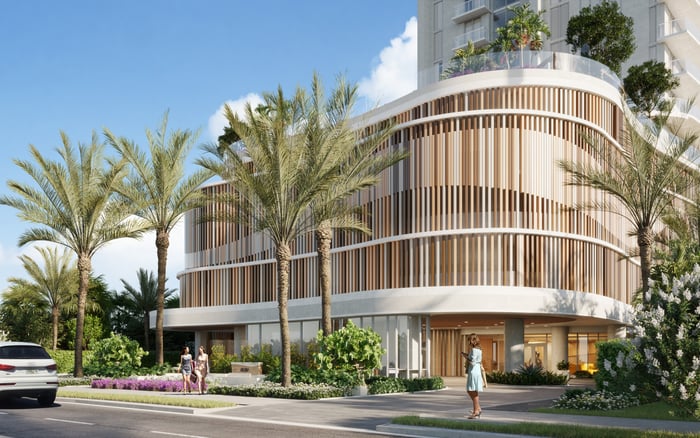
A practical, discreet guide for Boston buyers considering Palm Beach second-home ownership, with emphasis on planning, documentation, rental intent, and advisory coordination before closing.
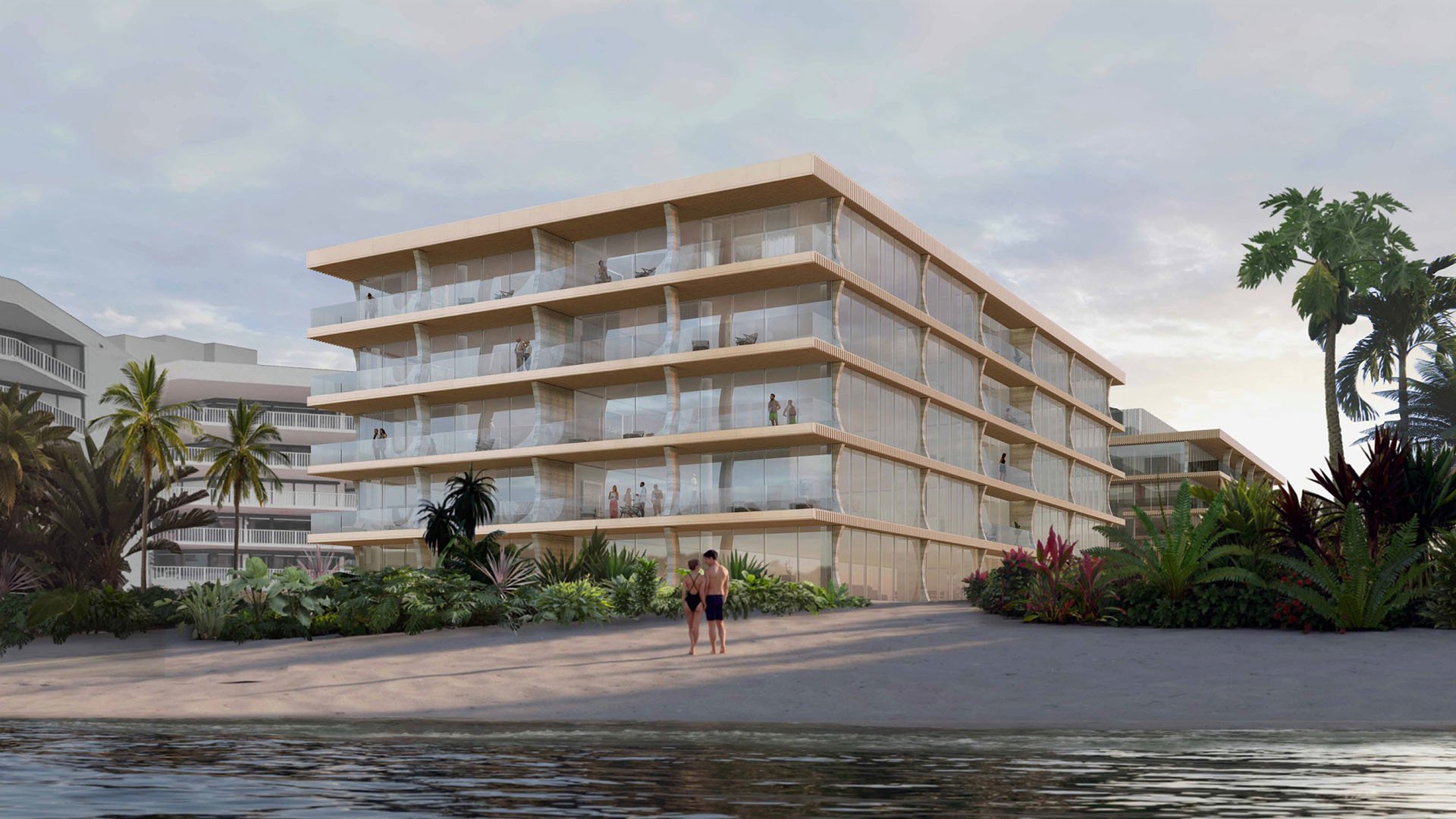
For Boston buyers, the move from a northern primary residence to a Palm Beach second home is rarely casual. It is often part of a larger life design: winter season on the water, easier access to family, a club calendar, a more private pace, and a residence capable of serving multiple generations without feeling provisional. Yet the tax treatment of a second home is not determined by style, price point, or view. It is shaped by how the property is owned, used, financed, documented, and, in some cases, rented.
The first principle is simple: the planning conversation should begin before the closing date approaches. A buyer who intends to use a Palm Beach residence strictly for family holidays may approach the purchase differently from a buyer who expects occasional rental income, business entertaining, charitable hosting, or a longer-term change in residency posture. Those choices can influence which advisers should be involved, which records should be kept, and how the property fits within an estate, trust, or investment framework.
This is why the most sophisticated conversations around Palm Beach real estate often happen before the property tour, not after. A residence at Palm Beach Residences may be evaluated for privacy, service, architecture, and waterfront access, but the ownership plan deserves the same level of scrutiny.
The phrase “second home” sounds straightforward, but it can obscure several different intentions. A Boston family may want a seasonal property without changing its core legal or financial life. Another buyer may be considering a gradual shift toward Florida living. A third may be purchasing for children, parents, or future flexibility. The tax conversation changes with each scenario.
Buyers should be careful not to assume that time spent in South Florida, membership in local institutions, or the purchase of a substantial residence automatically creates the outcome they want. Residency and domicile discussions are fact-sensitive and should be coordinated with counsel and tax advisers. The practical question is not simply where the property is located. It is how the buyer’s full life is organized: days in each jurisdiction, primary relationships, business activity, family obligations, vehicles, voting, mailing addresses, records, and the consistency of the buyer’s conduct over time.
The takeaway is restraint. Treat lifestyle and tax posture as related, but not identical. Enjoying Palm Beach is not the same as making a formal residency decision. Conversely, buyers who do intend a more meaningful transition should build a coherent record rather than rely on assumptions.
One of the most important second-home questions is whether the residence will be used only by the owner and invited guests, or whether it may be rented for part of the year. The answer can affect accounting, documentation, insurance, property management, and expectations around access. It can also affect the character of the asset from a planning standpoint.
A home used exclusively for personal enjoyment should still be documented carefully. Buyers should keep records of occupancy, improvements, maintenance, association matters, financing, and closing costs. If the residence is occasionally made available for rent, the buyer should clarify the rules before relying on that income. Building policies, local requirements, lender terms, insurance coverage, and tax reporting should all be reviewed in advance.
This is especially relevant in full-service condominium environments, where privacy, amenity access, guest protocols, and rental restrictions can be central to the ownership experience. In West Palm Beach, a project such as Alba West Palm Beach may appeal to buyers seeking a refined seasonal base, but rental intent should still be matched to the building’s governing documents and the buyer’s advisory plan.
Luxury buyers often have the flexibility to pay cash, finance, or use a more bespoke liquidity strategy. The choice can be driven by portfolio preference, not just rate sensitivity. Still, the tax treatment of financing should not be treated as an afterthought.
Before closing, buyers should ask advisers how the residence will be classified, how loan documents describe the property, whether interest may be treated differently depending on use, and how any refinancing or line of credit could change the analysis. A second home held for personal use may raise different questions from a property purchased with rental or investment expectations.
The broader carrying cost should also be modeled with sophistication. Association assessments, insurance, reserves, staffing, maintenance, upgrades, and travel logistics all belong in the same conversation as taxes. For buyers considering a waterfront residence, the pleasure of the setting should be accompanied by a clear view of long-term maintenance and ownership obligations.
South Florida second-home purchases are frequently part of larger family architecture. A buyer may want privacy during ownership, continuity for a spouse, eventual use by children, or a structure that coordinates with existing trusts and entities. These choices can have tax, estate, liability, financing, and governance implications.
The question is not whether one structure is universally better than another. It is whether the selected structure matches the buyer’s objectives. Individual ownership may be simple. Trust ownership may support estate planning. Entity ownership may be considered in certain situations, but it can introduce financing, insurance, tax, and administrative questions. Buyers should not select a structure merely because a friend used it.
In West Palm Beach, residences such as Forté on Flagler West Palm Beach attract buyers who may be thinking beyond a single season. For those families, the ownership structure should anticipate not just the first winter, but the next decade.
Palm Beach and West Palm Beach can serve different ownership rhythms. Palm Beach is often chosen for discretion, club life, beach proximity, and a quieter residential cadence. West Palm Beach may appeal to buyers who want newer condominium living, dining access, cultural energy, and easier movement across the mainland. Neither choice is inherently more efficient from a tax standpoint. The right answer depends on how the buyer will actually live.
A Boston buyer who plans to arrive for long seasonal stays may prioritize storage, guest suites, service, and lock-and-leave ease. A buyer who expects frequent shorter visits may care more about airport access, valet service, staff coordination, and building management. A family planning multi-generational use may evaluate bedroom separation, privacy for guests, and rules around family occupancy.
At The Ritz-Carlton Residences® West Palm Beach, the appeal for many buyers is the prospect of service-led ownership. The planning question is whether that lifestyle is matched by equal discipline in records, documentation, and advisory oversight.
Before a second-home contract is signed, Boston buyers should assemble the right team: real estate counsel, tax counsel, estate counsel, insurance advisers, financing advisers, and a brokerage team that understands the luxury market’s practical nuances. The objective is not to slow the purchase. It is to prevent avoidable friction after closing.
Buyers should prepare a concise memo for advisers describing intended use. Will the home be personal only? Will family members use it without the owner present? Is rental income contemplated? Is the buyer considering a future residency shift? Will the residence be owned individually, jointly, in trust, or through another structure? Will renovations begin immediately? Will staff or household vendors be engaged?
The more precise the intended use, the easier it becomes to align tax treatment, insurance, association compliance, estate planning, and recordkeeping. For investment-minded buyers, this discipline is not defensive. It is part of preserving optionality.
The best Palm Beach second-home purchases are not merely beautiful. They are coherent. The residence, the legal structure, the family plan, and the tax posture all speak the same language. That coherence matters because high-value real estate is not static. Families evolve, markets change, buildings mature, and a seasonal retreat can become a central part of life.
For Boston buyers, the most elegant strategy is to decide what the home is meant to be before asking what it may become. It may be a sanctuary, a seasonal base, a future primary residence, a rental asset, a family holding, or some blend of these roles. Once that answer is clear, the tax treatment conversation becomes more precise, and the real estate search becomes more intelligent.
Does buying in Palm Beach automatically change my tax residency? No. Tax residency and domicile depend on a broader pattern of facts and should be reviewed with qualified advisers.
Should I speak with a tax adviser before making an offer? Yes. The best time to coordinate tax, estate, financing, and ownership structure is before the contract is signed.
Can a second home also be rented? It may be possible, but rental intent should be reviewed against tax guidance, insurance, loan terms, and building rules.
Does ownership structure matter for a second home? Yes. Individual, joint, trust, or entity ownership can each create different planning considerations.
Should Boston buyers track days spent in Florida? Yes. Day counts and travel records can be important when a buyer’s residency posture is being evaluated.
Are condominium rules relevant to tax planning? Indirectly, yes. Rules on rentals, guests, and use can affect how the property operates in practice.
Is cash always simpler than financing? Not always. Cash may simplify some matters, but buyers should compare liquidity, estate, and tax considerations.
Can family members use the property when I am not there? Often they can, but the arrangement should be consistent with ownership documents, building rules, and planning advice.
Should improvements and expenses be documented? Yes. Records for improvements, maintenance, insurance, assessments, and closing costs should be retained carefully.
Is Palm Beach different from West Palm Beach for planning purposes? The lifestyle rhythm may differ, but tax treatment depends more on use, structure, and documentation than prestige alone.
When you're ready to tour or underwrite the options, connect with MILLION.
If branded residences are on your mind — as a home or as an allocation — we would be glad to share what we are seeing, privately.
Begin a quiet conversation