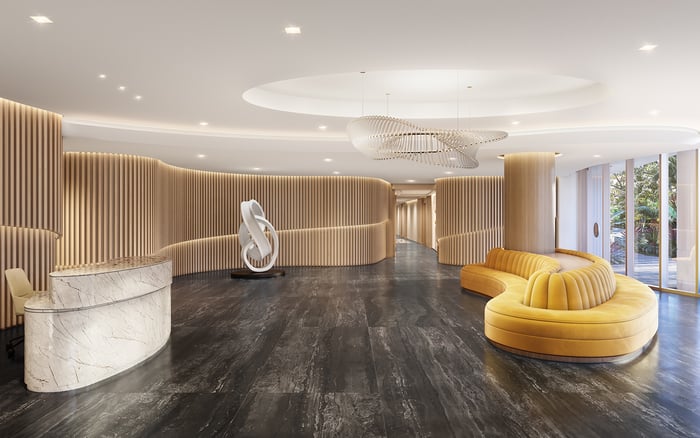
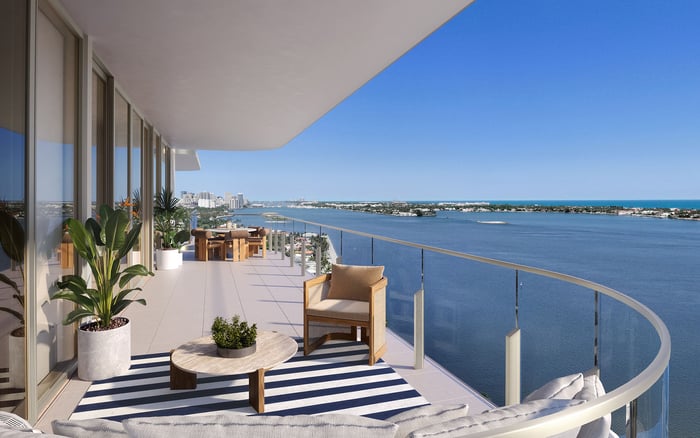
A practical South Flagler buyer’s guide to new-resident onboarding, from concierge scope and move-in protocol to privacy, service expectations, and the first 90 days of ownership.
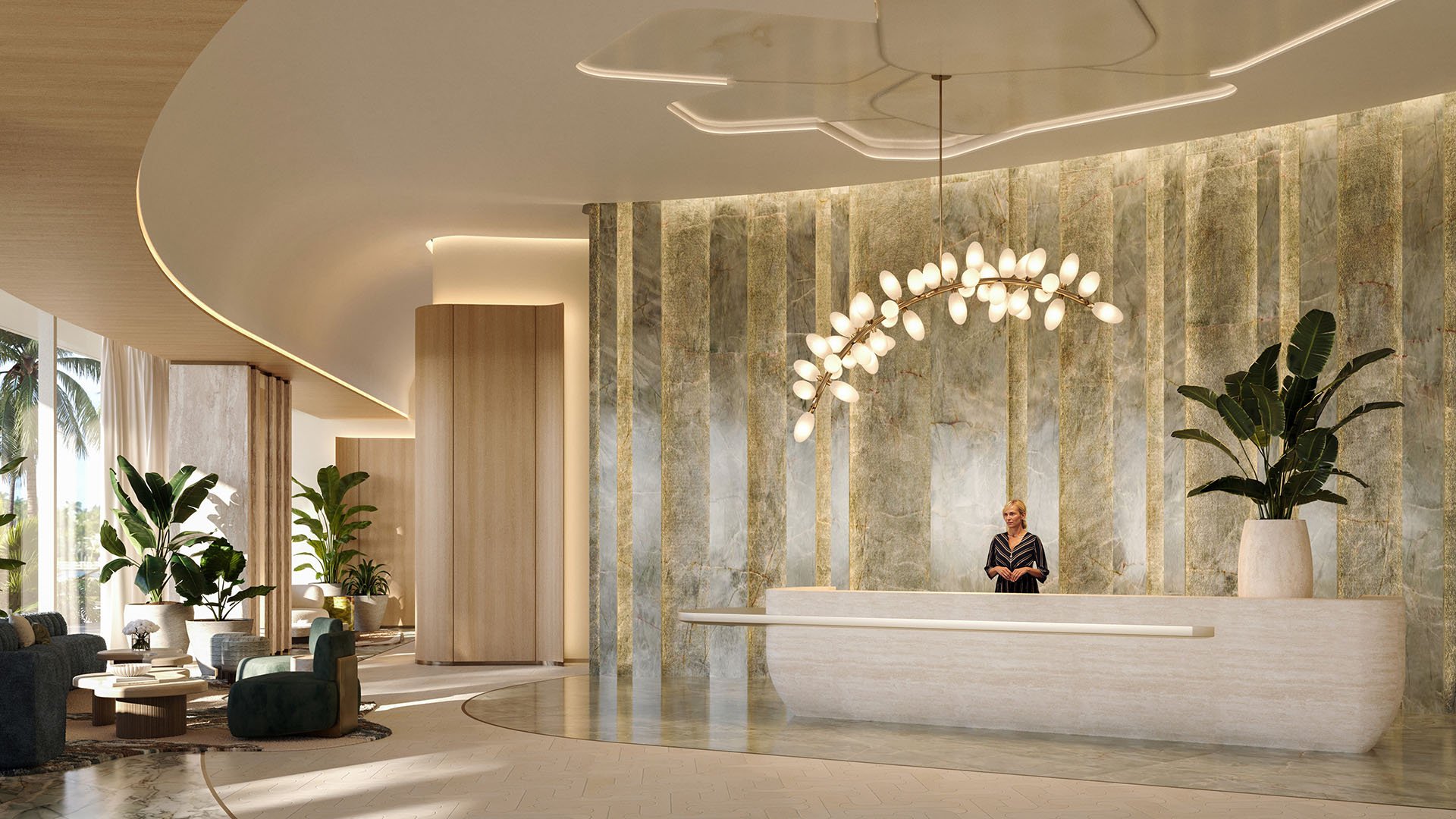
In South Flagler, the purchase is rarely just about square footage, views, or finishes. For a luxury buyer, the more revealing question is how gracefully a building absorbs a new resident into its daily rhythm. Onboarding is the bridge between closing and living. It determines whether the first weeks feel effortless or improvised, discreet or over-explained, private or operationally exposed.
The best buildings treat onboarding as a designed experience. That means a clear sequence for approvals, access credentials, move coordination, staff introductions, service preferences, guest permissions, vehicle registration, package handling, pets, vendors, and household employees. It also means there is one accountable person who can answer practical questions without forcing the buyer to navigate a committee of departments.
For buyers considering South Flagler House West Palm Beach or neighboring luxury residences, the right questions should begin before contract, not after closing. A polished sales presentation may convey the lifestyle. Onboarding reveals the operating culture.
Begin with a simple question: who owns the resident relationship after closing? In a high-service building, the handoff from sales to management should feel deliberate. Ask whether there is a dedicated resident services contact, a move-in coordinator, or a property management representative assigned to new owners.
The first 90 days matter because that is when daily habits are formed. The resident learns how the valet works, how guests are announced, which entrance vendors should use, what can be reserved through the concierge, how amenity access is controlled, and how quickly maintenance requests are acknowledged. If the answer is vague, ask for the written onboarding sequence. A luxury building should be able to describe the path from certificate of occupancy or closing to full resident readiness with calm precision.
New-construction buyers should be especially attentive. In a newly delivered building, the resident experience can evolve as staff, systems, and service standards settle. That does not make the residence less desirable, but it does make clear communication essential.
South Flagler attracts buyers who value proximity, views, and privacy in equal measure. Access protocol is therefore not a minor administrative detail. Ask how residents, guests, family members, household staff, drivers, trainers, chefs, nurses, and vendors are entered into the building system. Find out whether permissions can be limited by day, time, elevator bank, parking area, or amenity access.
A serious onboarding program should also explain how the building handles recurring visitors. A private residence is not a hotel, and that distinction should be clear. Owners should know whether guest lists are managed through an app, front desk approval, written authorization, or direct staff communication. Buyers who entertain frequently should ask how the building handles multiple arrivals, valet capacity, caterers, florists, security details, and private-event setup.
At Forté on Flagler West Palm Beach, as with other premier waterfront addresses, the question is not only what amenities exist. It is how the building protects the resident’s sense of arrival, discretion, and control.
Concierge is one of the most used and most misunderstood words in luxury real estate. Before buying, ask what the concierge actually does, what is excluded, and whether certain services involve outside vendors or additional fees. There is a meaningful difference between receiving packages, coordinating reservations, scheduling building amenities, arranging transportation, managing in-residence services, and providing personal lifestyle assistance.
This is where lifestyle expectations should be translated into written practice. If you expect staff to know your preferences, ask how those preferences are collected. If you expect travel coordination, restaurant introductions, private chef referrals, wellness bookings, or household vendor access, ask whether those services are standard, referral-based, or handled case by case.
Buyers should also ask about response windows. A promise of service is strongest when supported by operating discipline. How are requests submitted? Who sees them? Is there a resident portal? Are urgent issues separated from routine preferences? Are after-hours requests handled by on-site staff or routed externally?
A luxury move-in should not feel like a loading dock negotiation. Ask for the move-in policy before finalizing closing logistics. The policy should identify permitted days and hours, elevator reservations, insurance requirements, floor protection, delivery routes, staff supervision, parking limitations, and any restrictions on oversized items.
For buyers relocating from another primary residence, the most overlooked questions are often practical: where can art handlers stage crates, how are receiving areas managed, what happens if a delivery arrives early, and can multiple vendors work in the residence on the same day? Ask whether the building distinguishes between a standard furniture delivery and a complex installation involving art, millwork, lighting, window treatments, technology, and security.
At Shorecrest Flagler Drive West Palm Beach, buyers evaluating the area should think beyond the residence itself and study the choreography of arrival, service entry, and daily movement. Elegant operations are usually quiet because they were planned early.
Onboarding should also surface recurring and situational costs. Ask which services are included in association fees and which are billed separately. Valet, guest parking, private storage, move coordination, amenity reservations, housekeeping referrals, pet services, in-residence maintenance, and after-hours support may each be treated differently depending on the building.
Do not assume that a higher-service building includes every service without charge. The more refined question is whether pricing, billing, and authorization are transparent. Ask how owner charges are approved, whether household staff can authorize work, how invoices are delivered, and how disputes are handled.
This is a useful lens for buyer guidance because it separates aesthetic luxury from operational luxury. The former is visible during a tour. The latter appears in the owner portal, the staff training manual, the move-in packet, and the way the building communicates small rules before they become large frustrations.
Amenities can be central to the value proposition, but their daily use depends on governance. Ask how amenity spaces are reserved, whether guests may accompany residents, whether private events are permitted, and whether blackout periods apply. If wellness, dining, club, pool, screening, meeting, or guest suite spaces are part of the offering, each should have a clear operating protocol.
Buyers comparing South Flagler with broader West Palm Beach options, including Alba West Palm Beach, should ask how amenity culture is curated. A spectacular room can feel very different depending on reservation friction, guest limits, staff presence, noise standards, and the building’s tolerance for private entertaining.
The right question is not simply, “What do I get?” It is, “How will this feel on a Thursday evening, a holiday weekend, or when I host family for the season?”
Many South Flagler buyers operate homes with a sophisticated support network. That may include assistants, housekeepers, chefs, drivers, nannies, dog walkers, trainers, nurses, stylists, estate managers, and technology consultants. Onboarding should explain how these people are credentialed, how access is updated, and how departures are handled when someone no longer works for the household.
Ask whether the building requires identification, insurance, background information, work orders, or advance scheduling for certain vendors. Ask whether service elevators and loading areas are separated from resident arrival paths. Ask whether staff can accept deliveries, release keys, escort vendors, or grant access when the owner is away.
The more complex the household, the more important the onboarding process becomes. A building that handles these details elegantly allows an owner to live privately without personally managing every threshold.
Even exceptional buildings need clear escalation paths. Ask what happens when something goes wrong: a delayed elevator reservation, a package error, a valet issue, an amenity conflict, a maintenance concern, or a security question. Who resolves it first? Who supervises that person? How is the issue documented?
Buyers should listen for accountability rather than reassurance. “We take care of everything” is pleasant, but not specific. A better answer names the responsible department, the communication channel, the expected timing, and the escalation protocol.
At Mandarin Oriental Residences, West Palm Beach, as with any high-expectation address, the perceived value of ownership will depend as much on service consistency as on design. The quiet confidence of a building is often found in how it handles ordinary inconveniences.
When should I ask about onboarding? Ask before signing, then revisit the topic during contract review and before closing.
Is onboarding different from property management? Yes. Onboarding is the resident’s entry process, while property management governs ongoing operations.
What is the most important onboarding question? Ask who is personally accountable for your first 90 days as a new resident.
Should I request written policies? Yes. Written move-in, guest, vendor, pet, parking, and amenity policies reduce uncertainty.
Can concierge services involve extra fees? They can. Ask what is included, what is referral-based, and what is billed separately.
How should seasonal owners approach onboarding? Confirm remote access permissions, mail handling, household staff protocol, and emergency contacts.
What should I ask if I have household employees? Ask how staff are credentialed, restricted, updated, and removed from building access systems.
Are amenity rules negotiable? Usually they are building policies, so buyers should understand them before relying on frequent use.
Why does move-in protocol matter in a luxury building? It protects finishes, privacy, staff coordination, elevator flow, and the resident arrival experience.
Can onboarding affect resale appeal? Yes. A well-run resident experience can support the long-term perception of quality and ease.
For a confidential assessment and a building-by-building shortlist, connect with MILLION.
If branded residences are on your mind — as a home or as an allocation — we would be glad to share what we are seeing, privately.
Begin a quiet conversation