A practical guide for Palm Beach buyers assessing whether a residence truly supports privacy, hosting, family routines, staff circulation, and long-term livability.
In Palm Beach, the most desirable residences are rarely judged by scale alone. They are judged by how gracefully they live. For many buyers, especially those relocating full time, purchasing a second home, or planning seasonal family stays, the distinction between guest areas and family areas becomes one of the most consequential parts of the decision.
A separate guest zone is not simply an extra bedroom. It is a privacy system. It shapes how relatives visit, how adult children come and go, how houseguests wake early or return late, and how owners maintain quiet routines while still hosting generously. A family zone, by contrast, should protect intimacy. It should allow children, grandchildren, pets, staff, and everyday life to function without feeling on display.
The best homes and residences in the Palm Beach market make this separation feel effortless. Less successful plans create distance without purpose, or worse, place guest rooms where they interrupt the owners’ daily rhythm. Before falling in love with a view, pool, garden, or façade, a buyer should study the plan as if living in it for a full week with guests in residence.
The first question is simple: who enters where, and what do they see first? In a well-composed Palm Beach residence, guests can arrive into a gracious public area without immediately crossing through the family’s informal spaces. A foyer should create orientation, not exposure. If a guest bedroom opens directly off a heavily used family corridor, the home may feel less private than it appears on paper.
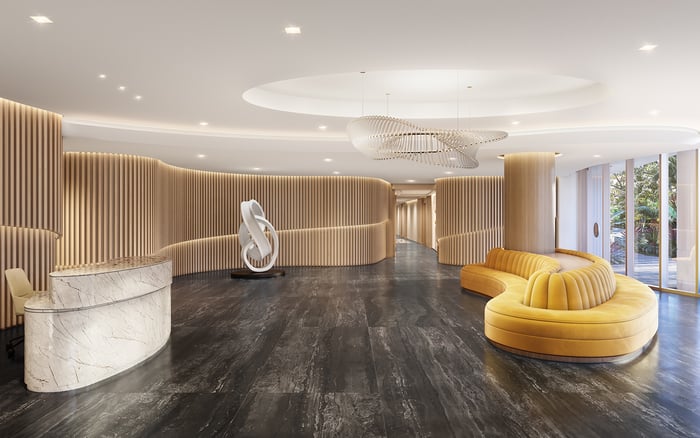
For condominium buyers, the elevator arrival, vestibule, and bedroom placement deserve special attention. A residence such as Palm Beach Residences should be evaluated not only by address and finishes, but by how its plan handles the transition from public arrival to private retreat. The same principle applies across new and established offerings: hospitality should feel warm without making the household feel visible.
Ask whether guests can reach their suite without passing the primary bedroom. Consider whether luggage has a natural place to land. Notice whether the powder room is convenient to entertaining spaces without doubling as a guest bath. These details shape the tone of the home from the first evening.
A strong guest suite should have more than a bed and bath. It should offer acoustic separation, closet capacity, room for luggage, good lighting, and a sense of independence. The bath should be easy to access at night without awkward circulation. If two guest rooms share a hall bath, the arrangement may work for young grandchildren but feel less comfortable for adult guests.
The primary suite should remain protected. Buyers often focus on its view, terrace, bath, and closet, yet the subtler question is what surrounds it. If the primary suite is adjacent to a guest room, media room, or elevator lobby, quiet may depend on behavior rather than architecture. The better approach is spatial buffering: dressing areas, vestibules, galleries, or service spaces that separate sleep from activity.
In West Palm Beach, buyers comparing newer residences such as The Berkeley Palm Beach or Alba West Palm Beach should look beyond finish palettes and study the bedroom hierarchy. The question is not merely how many bedrooms exist, but which bedrooms feel truly private, which are best for family, and which can host guests without compromise.
Palm Beach homes often support two different modes of living: public elegance and private ease. The formal living room, dining room, loggia, terrace, or poolside setting may be designed for cocktails and dinners. The family room, breakfast area, study, or secondary sitting room should support uncurated life.
A buyer should identify where the family will gather in the morning, where children will watch a film, where someone can take a call, and where pets naturally rest. If all casual life collapses into the same area used for entertaining, the home may require constant resetting. Conversely, if family rooms are too remote, the house may feel divided rather than relaxed.
This is especially important for Estates & Single-Family buyers, where square footage can mask planning flaws. Large houses sometimes create long walks between the kitchen, pool, guest rooms, and primary suite. A successful plan keeps the family’s daily loop efficient while allowing guests to enjoy beautiful spaces without intruding.
Separate zones work best when supported by intelligent service circulation. Staff, caterers, maintenance teams, and deliveries should be able to function without crossing the most private family areas. This is not formality for its own sake. It is about keeping the residence calm during the very moments when hosting or household support becomes most active.
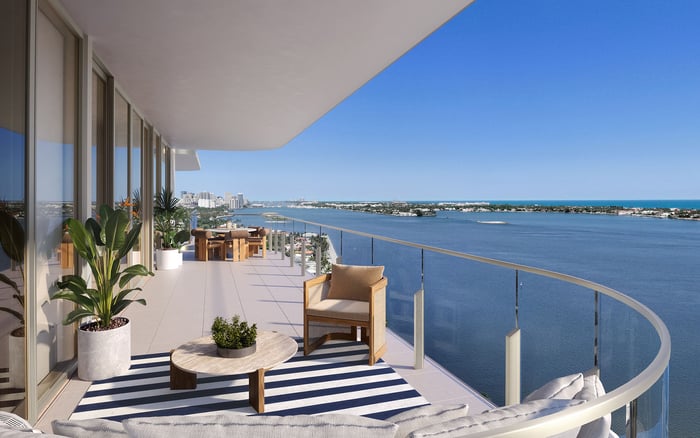
Look at the route from garage or service entry to kitchen. Study how linens reach guest rooms. Consider where pool towels are stored, where beach equipment goes, and whether housekeeping can access rooms without disrupting breakfast or the owner’s suite. In a Waterfront setting, the movement between water, pool, terraces, showers, and interior spaces becomes even more important.
Residences such as The Bristol Palm Beach invite buyers to think carefully about vertical living, arrival, and privacy in a luxury condominium context. The same due diligence applies in a Palm Beach house: service routes should feel invisible, not improvised.
The most revealing exercise is to imagine a guest’s full day. They wake before the household. Can they make coffee, step outside, or read without crossing the children’s rooms? They return from dinner later than the owners. Can they reach their room quietly? They spend the afternoon by the pool. Is there a bath nearby, or must they cross formal interiors in wet clothing?
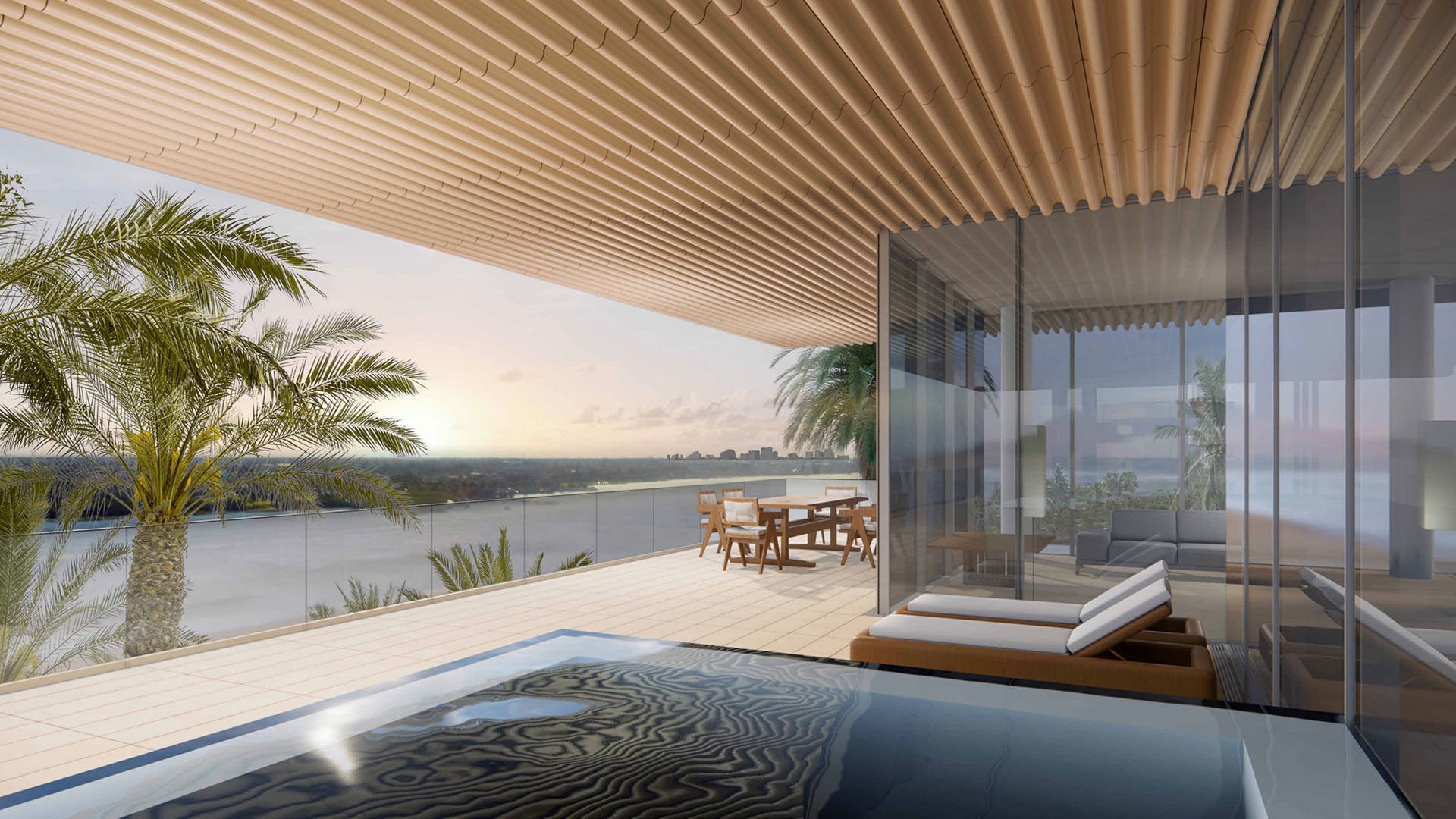
Guest autonomy should be gracious, not isolated. A detached guest house can be ideal for long visits, but it may feel inconvenient during heavy rain or late evenings. A second-floor guest wing can be private, but less suitable for older relatives. A cabana suite may be wonderful for seasonal use, but only if it has comfort, storage, and a clear connection to the main residence.
For Palm Beach Gardens buyers considering options such as The Ritz-Carlton Residences® Palm Beach Gardens, the same questions apply in a different setting: does the guest arrangement feel self-contained, and does it still respect the owner’s everyday privacy?
The best separate zones adapt. A guest suite may later become a caregiver room, office, nursery, wellness room, or long-stay family bedroom. A children’s lounge may become a media room. A secondary entrance may support privacy for adult children or visiting parents. Buyers should favor plans that can evolve without major reconstruction.
Flexibility also matters for resale. Future buyers may have different household structures, but they will still recognize privacy, acoustic comfort, and intelligent circulation. A home with well-separated guest and family zones can appeal to multigenerational families, seasonal hosts, buyers with staff, and those who entertain frequently.
The recurring lesson is that layout quality often proves more durable than decorative taste. Finishes can be changed. Poor circulation is expensive to correct. Before purchasing, buyers should ask their advisor to walk the residence not as a showing, but as a sequence of lived scenarios.
Before making an offer, request the floor plan and mark it by zone: owner, family, guest, service, entertainment, outdoor, and storage. Then trace daily routes. Morning coffee. School or club departure. Pool use. Dinner party arrival. Overnight guest movement. Staff access. Late-night returns. The strongest plans will begin to reveal themselves quickly.
A beautiful Palm Beach residence should allow the owner to be generous without surrendering privacy. It should welcome family without creating chaos. It should make guests feel considered, yet keep the center of the home intact. That balance is often the difference between an impressive property and a residence that becomes beloved.
Why are separate guest and family zones so important in Palm Beach? They help owners host comfortably while preserving quiet, privacy, and everyday family routines.
What is the first layout detail buyers should evaluate? Start with the arrival sequence and whether guests can enter, settle, and circulate without crossing private family areas.
Should guest suites be near or far from the primary suite? They should feel meaningfully separated, ideally with buffers such as halls, closets, galleries, or other rooms.
Is a detached guest house always better? Not always. It can be excellent for privacy, but buyers should consider weather, accessibility, security, and convenience.
How should families evaluate a guest wing? Imagine a guest’s full day, including morning coffee, pool access, late returns, luggage storage, and bathroom privacy.
Do service routes affect guest and family zoning? Yes. Thoughtful service circulation keeps hosting, housekeeping, deliveries, and maintenance from disrupting private spaces.
What should Waterfront buyers watch closely? They should study routes between water, pool, terraces, baths, storage, and interior living areas.
Can a flexible guest suite improve long-term value? Yes. A suite that can become an office, caregiver room, nursery, or wellness space may broaden future appeal.
Are condominiums evaluated differently from single-family homes? The principles are similar, but condominium buyers should pay special attention to elevator arrival, corridors, and acoustic separation.
What is the simplest test before purchasing? Walk the floor plan as if hosting guests for a week and note every moment where privacy or circulation feels strained.
If you'd like a private walkthrough and a curated shortlist, connect with MILLION.
If branded residences are on your mind — as a home or as an allocation — we would be glad to share what we are seeing, privately.
Begin a quiet conversation