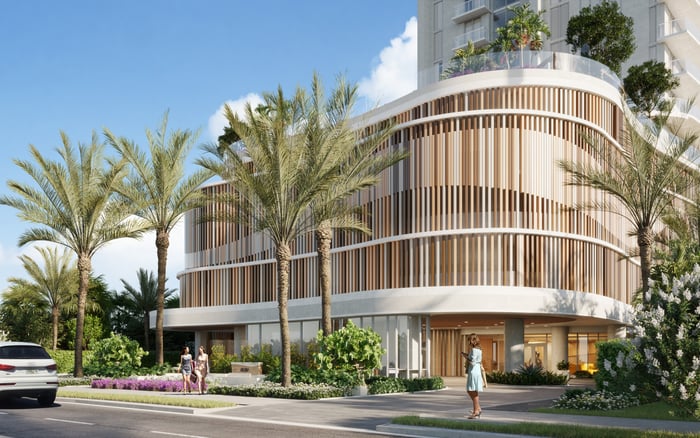
A buyer-focused guide to reading the social rhythm, service standards, governance, and daily usability of a Palm Beach building before committing to full-time residence.
Buying in Palm Beach for full-time life requires a different lens than buying for seasonal use. A residence may feel exquisite during a short showing, yet the true test is how the building performs on an ordinary Tuesday morning, a quiet Sunday evening, or the first week after guests return north. Building culture is the invisible architecture of daily life: who lives there, how staff communicate, how rules are interpreted, how neighbors share space, and whether the atmosphere protects privacy without feeling impersonal.
For a buyer accustomed to estate living, the move into a condominium or branded residence can be liberating, but only when the building’s habits match the owner’s own. Some addresses feel formal and discreet. Others are more social, wellness-oriented, family-friendly, or seasonal. The right choice is not universal. It is personal, and in Palm Beach, that distinction is everything.
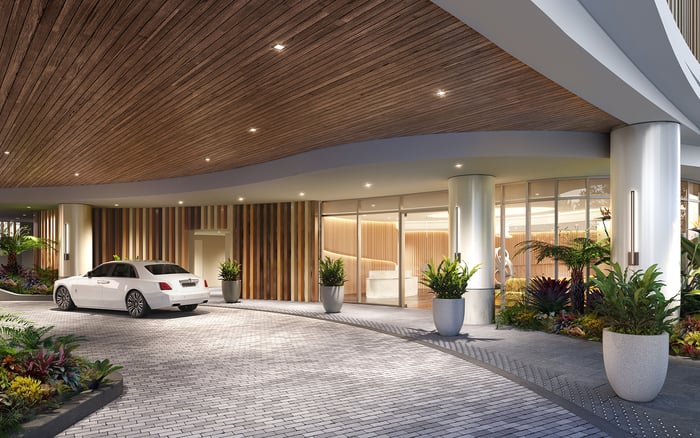
The lobby is the building’s social preface. Watch how residents enter, how long they pause, whether staff greet them by name, and whether the space feels ceremonial, neighborly, or purely transitional. A full-time resident will cross this threshold several times a day, so its tone matters.
Ask practical questions. Does the arrival sequence remain calm during active hours? Are packages, guests, vendors, and service providers handled discreetly? Does the valet or front desk atmosphere feel warm without becoming familiar? A building can be luxurious and still not suit a buyer who prefers quiet precision over club-like energy.
This is especially important for those comparing Palm Beach with West Palm Beach options. A buyer considering Palm Beach Residences may be seeking a different cadence than someone evaluating newer urban-adjacent choices across the bridge. Neither is inherently better. The question is which daily rhythm feels natural after the novelty of acquisition fades.
Building culture is not simply age, wealth, or household composition. It is behavior. Do residents use amenities regularly or keep to themselves? Are dogs common in the elevators? Do families gather in shared spaces, or is the atmosphere predominantly adult and reserved? Is the building active in the early morning, late evening, or only during season?
A sophisticated buyer should not rely solely on a sales narrative. Visit at different times if possible. Observe how residents treat staff, how staff respond under pressure, and whether common areas feel genuinely cared for or merely staged. A building with impeccable finishes can still feel mismatched if residents use the property in ways that conflict with your preferred routine.
For a buyer’s-guide mindset, the key question is not, “Is this prestigious?” The sharper question is, “Can I live here comfortably, repeatedly, and privately?”
Rules shape culture. Before purchasing, review the building’s approach to renovations, deliveries, guest access, pets, rentals, service personnel, amenity use, and private events. Full-time residents feel governance more intensely than seasonal owners because daily life constantly touches the rules.
A highly controlled building may appeal to those who prize order, quiet, and predictability. A more flexible building may suit buyers with visiting family, staff, entertainment needs, or evolving schedules. The wrong governance style can make even a beautiful residence feel restrictive.
Boards and management teams also influence tone. Are communications polished and prompt? Are policies enforced consistently? Are capital planning conversations transparent? Buyers often focus on acquisition price, yet full-time comfort is equally tied to whether a building is managed with patience, discipline, and discretion.
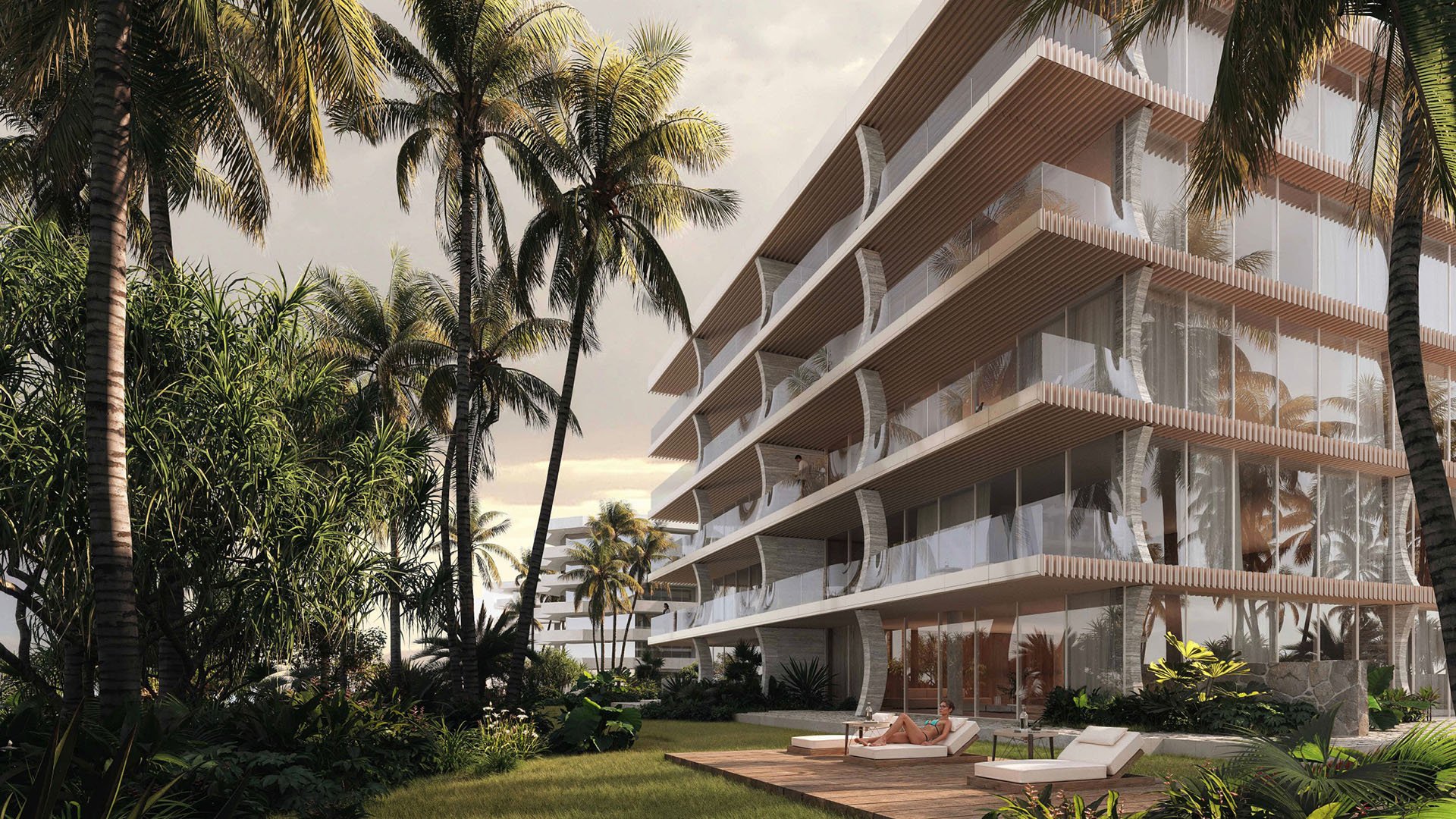
Amenities photograph well, but service culture is what residents remember. A pool, fitness room, private dining room, or residents’ lounge is only as good as the way it is maintained, reserved, staffed, and shared. Full-time living depends less on the number of amenities than on whether they remain usable without friction.
A buyer who values privacy may prefer a building where amenities feel serene and uncrowded. Another may want a social pulse, with neighbors who actually use shared spaces. Both approaches can be luxurious. The mistake is assuming that a larger amenity program automatically creates a better lifestyle.
In West Palm Beach, buyers evaluating Alba West Palm Beach or Forté on Flagler West Palm Beach should look beyond the renderings and ask how each environment might function as a primary residence. The ideal building should support morning routines, work calls, fitness, entertaining, and retreat with equal composure.
Palm Beach buyers often want both connection and distance. They may enjoy knowing neighbors, but not being observed. They may appreciate attentive staff, but not conversation at every crossing. The best buildings understand social boundaries and make privacy feel effortless.
Look closely at elevator design, corridor length, garage flow, guest screening, service access, and amenity placement. These elements quietly determine how often residents encounter one another and how exposed daily life feels. A grand residence loses appeal if every grocery delivery, trainer visit, or dinner guest becomes part of the building’s informal theater.
Privacy is also acoustic. Ask about sound transfer, mechanical systems, elevator proximity, and the relationship between terraces. In waterfront settings, outdoor living is central, but terraces must still feel usable as private rooms in the air.
Some Palm Beach buildings transform during season. Lobbies become livelier, elevators busier, amenity reservations more competitive, and guest activity more visible. For a seasonal owner, that pulse may be pleasant. For a full-time resident, it can define the year.
Ask how the building feels in both active and quiet periods. A property with strong year-round identity often feels more stable for primary residents. Staff know routines, maintenance rhythms are established, and common areas retain a sense of purpose even when seasonal owners are away.
This is where a buyer must be honest. If you want a quiet primary home, avoid choosing a building whose culture depends on event energy. If you want a social winter calendar, avoid a building that prizes near-silence. Full-time satisfaction comes from alignment, not compromise.
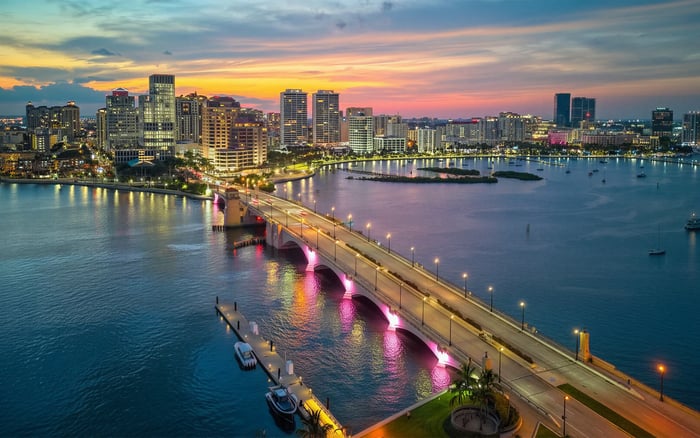
A building does not end at its property line. Its culture is reinforced by the neighborhood, walking patterns, bridge access, dining habits, club proximity, beach routines, and the general tempo of nearby streets. The same residence can feel entirely different depending on whether daily errands require driving, walking, staff coordination, or a quick crossing into West Palm Beach.
For buyers considering a Palm Beach waterfront building, the decision may include a broader question about how Palm Beach and West Palm Beach connect in daily life. For others, new-construction options may offer a different operational feel, with contemporary systems, fresh amenity programs, and a resident base forming its culture in real time.
Do not separate the building from your calendar. Where will you have coffee? Where will guests be picked up? Where will staff park? Where will you walk after dinner? The best address is the one that makes the ordinary graceful.
Before purchasing, spend time in the building without being dazzled by the residence itself. Arrive early. Arrive late. Stand in the lobby. Listen in the corridors. Notice whether staff seem rushed or composed. Observe whether residents look relaxed in their own building. Ask about guest policies, pet rules, renovation windows, delivery procedures, amenity reservations, and long-term maintenance priorities.
Then translate the answers into lived experience. If you host often, governance matters. If you travel frequently, staff consistency matters. If you work from home, acoustics and service interruptions matter. If you value anonymity, elevator and lobby design matter. If you plan to make Palm Beach your true base, the culture of the building must feel like an extension of your private life.
Luxury is not only finish level. It is the absence of daily irritation. The right building protects time, privacy, health, relationships, and routine. In Palm Beach, that is the highest form of residential value.
What does building culture mean in Palm Beach real estate? It refers to the daily atmosphere created by residents, staff, rules, service style, privacy norms, and amenity use.
Why does building culture matter more for full-time buyers? Full-time residents interact with the building every day, so small frictions become meaningful over time.
How can buyers observe a building’s culture before purchasing? Visit at different times, watch common areas, note staff tone, and ask practical questions about daily operations.
Should buyers prioritize amenities or service quality? Service quality usually has greater impact on daily life because it determines how smoothly amenities and routines function.
Are stricter building rules always better? Not necessarily. Stricter rules may preserve order, while flexible rules may better suit active households or frequent guests.
How important is the lobby experience? Very important. The lobby reveals arrival rhythm, staff discretion, resident behavior, and the building’s social temperature.
What should pet owners evaluate? Pet owners should review rules, elevator etiquette, walking access, staff comfort, and the building’s broader attitude toward animals.
Can a seasonal building work for full-time living? It can, if the buyer is comfortable with changing activity levels and the building remains well managed year-round.
How should buyers compare Palm Beach and West Palm Beach buildings? Compare daily routines, privacy expectations, service style, neighborhood access, and the kind of social rhythm each location supports.
What is the clearest sign of a good cultural fit? The building feels comfortable during ordinary moments, not only during a polished showing or a dramatic view reveal.
To compare the best-fit options with clarity, connect with MILLION.
If branded residences are on your mind — as a home or as an allocation — we would be glad to share what we are seeing, privately.
Begin a quiet conversation