A discreet buyer’s guide to choosing a South Florida residence by building culture, daily rhythm, governance, privacy, service style, and neighborhood fit.
For a Boston buyer considering Bal Harbour or another South Florida address, the smartest decision is not simply coastal versus urban, or new construction versus established condominium. It is building culture. Full-time life is shaped by lobby etiquette, staff discretion, elevator rhythm, board tone, guest flow, and whether the residence feels calm on an ordinary Tuesday.
A beautiful home can underperform if its building culture does not match the owner’s daily life. Some residences are social, high-touch, and hospitality driven. Others are quieter, more residential, and deliberately understated. Some are ideal for frequent entertaining. Others suit buyers who value privacy, predictable operations, and a sense that the building almost disappears into the routine of life.
The question is less “Which building is best?” and more “Which building will still feel correct after the novelty of arrival has passed?” A Boston buyer accustomed to seasonal change, older housing stock, private clubs, and neighborhood rituals may find South Florida liberating. The best choice is the one that converts that liberation into livability.
Bal Harbour attracts buyers who want polish without excessive spectacle. Its appeal is rooted in a quieter form of luxury: proximity to the water, a refined retail and dining environment, and a residential pace that can feel more composed than the busiest parts of Miami Beach or Brickell. For a full-time resident, that composure matters.
A buyer considering Rivage Bal Harbour is not only evaluating a residence. They are evaluating whether Bal Harbour’s daily rhythm fits the way they live. That includes how often they host, how much they drive, whether they prefer a smaller social radius, and whether they want the building to feel like a private address rather than a public stage.
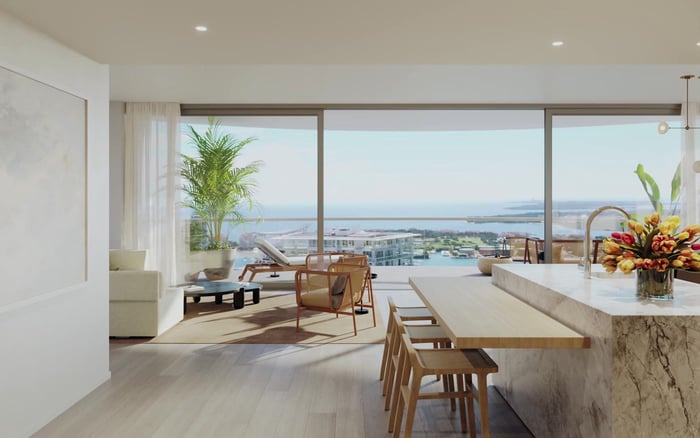
The right Bal Harbour building should feel intuitive in the morning and gracious in the evening. It should handle guests smoothly, support a refined service standard, and offer a sense of separation from the more animated parts of the coast. For buyers relocating from Boston, that balance can be especially appealing: warm weather and waterfront living, without surrendering the desire for order.
Brickell is a different proposition. Its culture is more vertical, urban, and kinetic. A Brickell residence can make sense for buyers who want restaurants, offices, social plans, and daily conveniences close at hand. Building culture often matters even more here because the neighborhood itself has energy. A calm building can become the essential counterweight.
In this context, The Residences at 1428 Brickell belongs in a conversation about buyers seeking an urban South Florida base. The decision should focus on how the building manages privacy, arrivals, amenities, and the transition from public city life to private residential life.
A Boston buyer who loves a walkable weekday routine may appreciate Brickell’s immediacy. The caution is to distinguish convenience from comfort. Full-time living requires more than access. It requires a building that can absorb the city’s pace and still deliver personal calm upstairs.
Miami Beach is not one lifestyle. It can be serene, social, architectural, resort-like, or discreetly residential depending on the exact address and building. Buyers should avoid broad assumptions. The same buyer may reject one part of Miami Beach and feel entirely at home in another.
A residence such as The Perigon Miami Beach can enter the conversation for buyers studying the difference between beach presence and everyday usability. The useful questions are practical: How does the building feel at midday? Does the lobby culture suit full-time residents? Are amenities designed for daily use or occasional display? Does the location support the owner’s preferred level of visibility?
Miami Beach can be ideal for those who want the water close and the social calendar within reach. It is less ideal for buyers who assume every beach address delivers the same quiet. Building culture is the filter that separates vacation energy from residential permanence.
Not every South Florida buyer wants a high-rise identity centered on glamour. Coconut Grove often appeals to buyers seeking a softer residential cadence, with a feeling of neighborhood life that can be more relaxed and grounded. Four Seasons Residences Coconut Grove may be considered by buyers who want a branded residential environment in a setting that feels less purely urban than Brickell.
Bay Harbor can also suit buyers who want a quieter bridge between the beach, the mainland, and Bal Harbour. In that conversation, Bay Harbor Towers offers a useful reference point for those comparing intimacy, access, and a more measured neighborhood feel.
The important point is not that one cadence is superior. Cadence is personal. The best South Florida home is the one whose building culture supports a life the owner will actually live, not the one that performs best during a single showing.
Start with governance. A building can have exceptional finishes and still feel wrong if its rules, staffing, maintenance culture, or rental posture do not align with the owner’s expectations. Full-time residents should understand how the building protects quiet enjoyment, how it handles service, and whether its policies encourage stability.
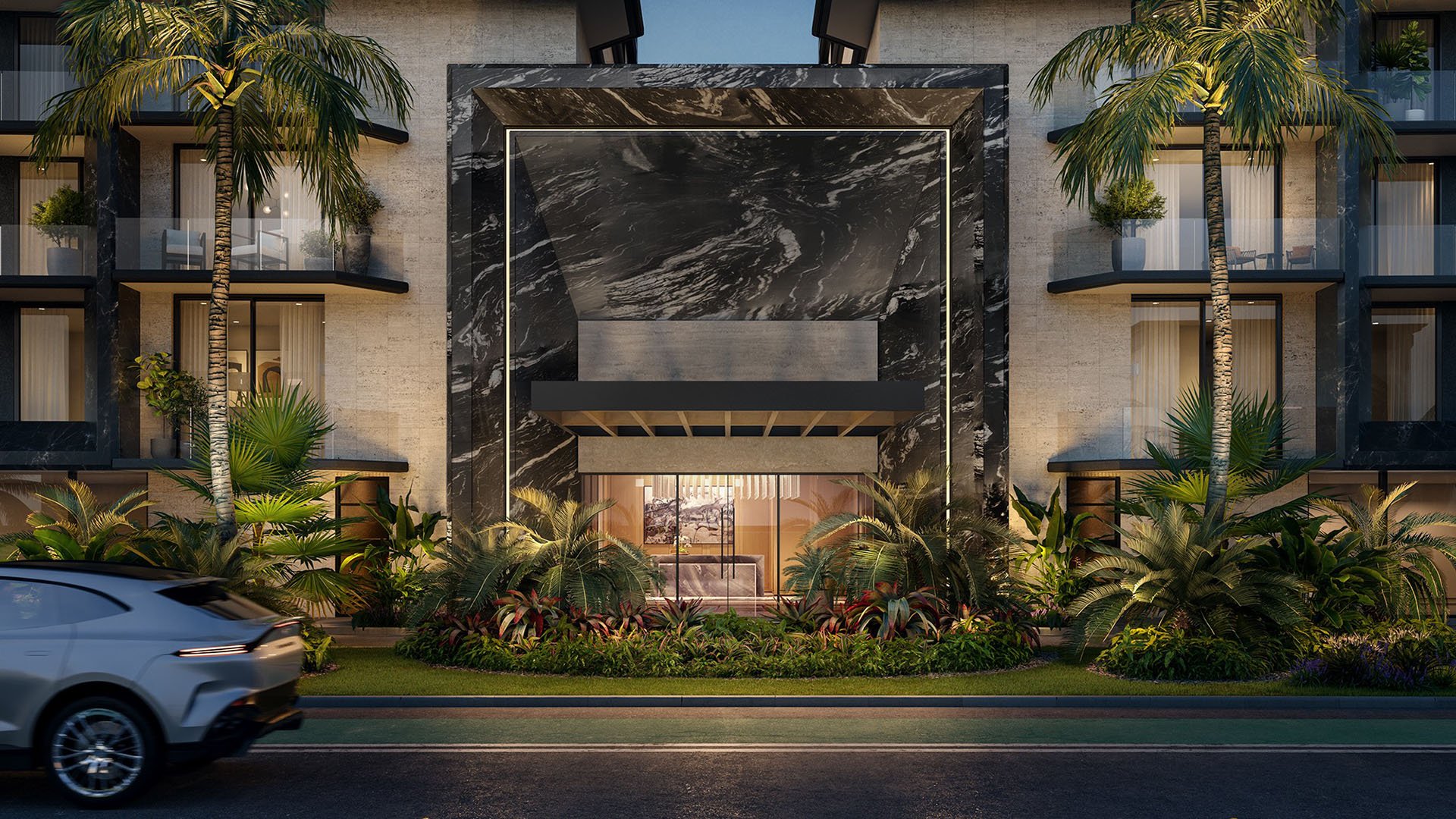
Then study arrival. A porte cochere, lobby, valet process, elevator sequence, and package protocol are not minor details. They are daily experiences. For a Boston buyer moving into a warmer, more open lifestyle, the transition should feel effortless rather than theatrical.
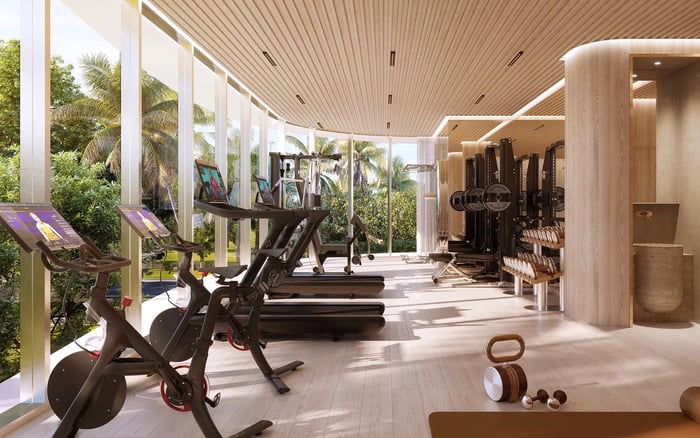
Next, consider the amenity culture. Are residents using the spaces in a way that suits you? Does the pool feel serene, social, family oriented, or hotel-like? Is the fitness experience private enough? Are common areas extensions of home, or places you will admire but rarely use?
Finally, visit at different times. Morning tells one story. Late afternoon tells another. A weekend can mislead. Full-time life is revealed through repetition: elevator waits, staff consistency, guest flow, acoustics, parking, deliveries, and the subtle social code of the building.
Boston buyers often understand the value of neighborhood identity. They know that two blocks can change the entire feel of a home. That instinct is useful in South Florida, where waterfront, urban, island, and garden lifestyles can sit remarkably close to one another.
The difference is that South Florida buildings often carry more of the lifestyle burden. In Boston, the street, club, school, or neighborhood square may define the day. In South Florida, the residential building itself may provide the gym, pool, valet, concierge, social rooms, wellness areas, and much of the owner’s daily convenience. That makes the building’s culture central.
Lifestyle should be evaluated with restraint. Do not buy the promise of a life you do not want to maintain. Buy the operating system that makes your actual life feel better. If that means Bal Harbour for composure, Brickell for momentum, Miami Beach for coastal presence, or Coconut Grove for ease, the decision becomes clearer.
What does building culture mean in South Florida real estate? It refers to the daily character of a condominium or residential building, including service style, privacy, governance, amenity use, and resident rhythm.
Why should Boston buyers focus on building culture first? A move from Boston to South Florida often changes how much daily life happens inside the building, making operations and atmosphere especially important.
Is Bal Harbour best for full-time living? Bal Harbour can suit buyers who value composure, discretion, and a refined coastal setting, but the right fit still depends on the specific building.
How is Brickell different from Bal Harbour? Brickell generally offers a more urban and energetic daily rhythm, while Bal Harbour tends to feel quieter and more residential.
Can Miami Beach work for year-round residents? Yes, but buyers should be precise about the building and location because Miami Beach can vary widely in tone and daily experience.
What should I observe during a building tour? Pay attention to arrivals, staff interaction, elevator flow, amenity use, noise, guest handling, and how the building feels at ordinary times.
Are amenities the most important factor? Amenities matter, but their culture matters more. A beautiful space is valuable only if it supports the way you live.
Should I prioritize new construction or resale? The better priority is fit. A new residence and an established building can both work if the culture, governance, and location match your routine.
How many times should I visit before deciding? More than once is wise. A weekday visit and a weekend visit can reveal different aspects of the building’s daily personality.
What is the simplest way to choose between neighborhoods? Define your preferred daily cadence first, then choose the neighborhood and building that support it with the least friction.
For a tailored shortlist and next-step guidance, connect with MILLION.
If branded residences are on your mind — as a home or as an allocation — we would be glad to share what we are seeing, privately.
Begin a quiet conversation