A buyer-focused guide to the questions that matter before committing to a luxury pre-construction or new-construction residence in Downtown Miami.
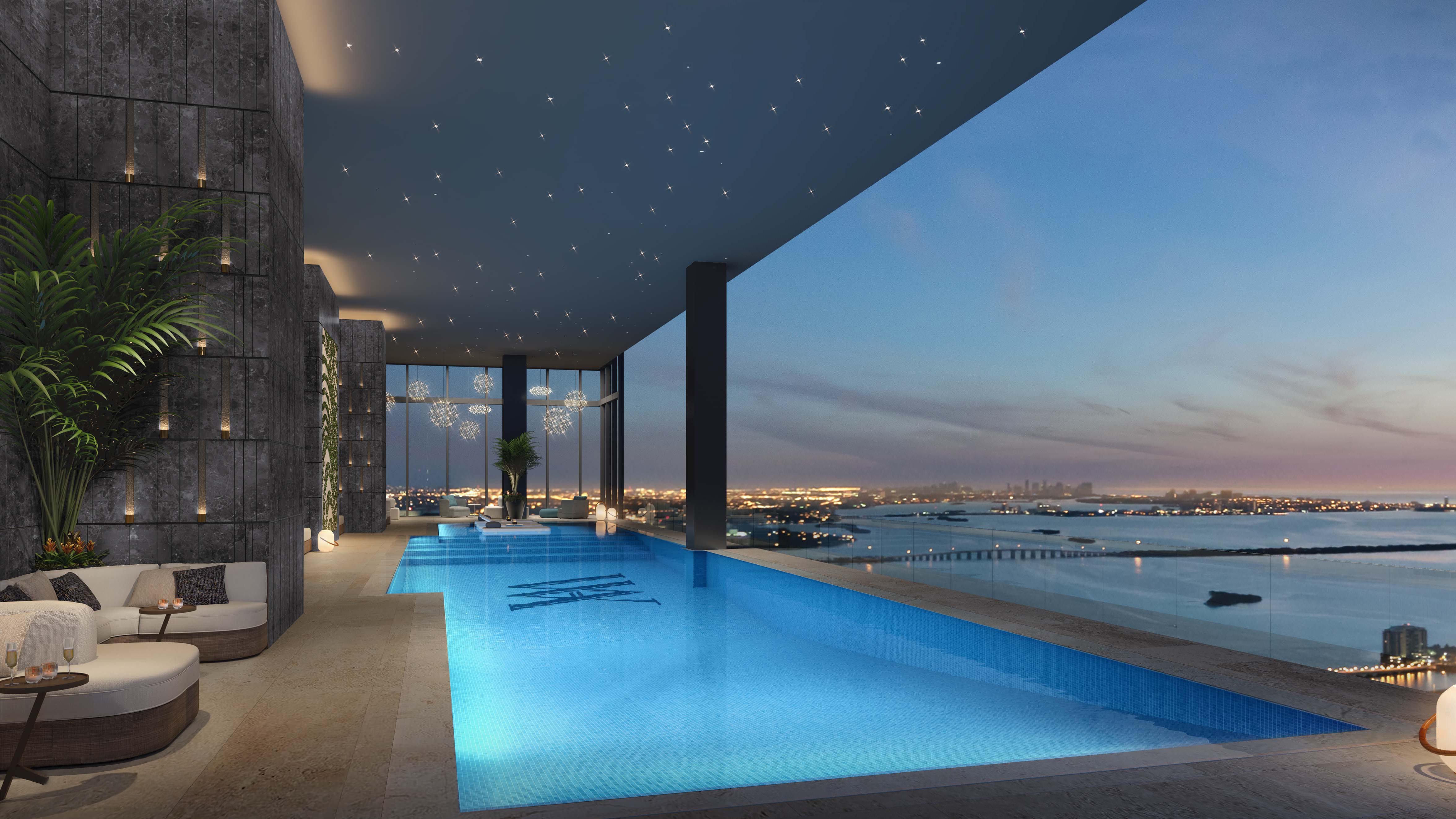
Downtown Miami has become one of South Florida’s most closely watched luxury corridors, with towers that appeal to international buyers, primary residents, pied-à-terre owners, and long-horizon investment purchasers. The architecture is often dramatic, the amenity programs ambitious, and the lifestyle promise immediate: walkable dining, cultural venues, Biscayne Bay, and quick access to Brickell, Miami Beach, Coconut Grove, and the airport.
Yet before a buyer studies floor height, exposure, or private elevator access, a quieter question deserves equal attention: can the developer deliver what is being sold, when it is expected, and at the quality level the price implies?
Developer delivery risk is not a reason to avoid pre-construction or new-construction opportunities. It is a reason to ask better questions. A trophy residence is not simply a view purchase. It is a contract, a construction schedule, a financing structure, a design intent, and eventually, a functioning association. Sophisticated buyers treat each of those elements as part of the asset.
A polished sales gallery can be persuasive, but delivery risk begins with the sponsor. Ask what the developer has completed, whether past projects were delivered at the promised standard, and how the team handled delays, design refinements, or market shifts. The answer should be specific enough to reveal discipline, not merely prestige.
In Downtown Miami, comparison is useful because buyers can study completed benchmarks alongside active offerings. A residence at Aston Martin Residences Downtown Miami, for example, gives buyers a reference point for how branding, waterfront positioning, amenity programming, and finished common areas translate after delivery. That does not guarantee another project’s outcome, but it sharpens the eye.
Ask who is actually responsible for day-to-day execution. A recognized brand, celebrated designer, or hospitality name may shape identity, but the developer, general contractor, architects, engineers, consultants, and lenders determine delivery. Luxury buyers should understand whether the same experienced principals remain involved through completion, turnover, and early operations.
For pre-construction buyers, the capital stack matters. Ask whether construction financing is secured, what conditions remain before full funding, and how buyer deposits are treated under the purchase documents. The goal is not to become the lender’s underwriter. It is to understand whether the project has a credible financial path from reservation to closing.
Questions should be precise. Has the project reached the sales threshold needed for financing? Are deposits held in escrow or released under defined conditions? What happens if construction costs change? Are there outside equity partners, and does the developer have the ability to absorb cost pressure without diluting the promised finish level?
These questions are especially important in a market where luxury buyers are comparing Downtown Miami with Brickell projects such as Baccarat Residences Brickell or St. Regis® Residences Brickell. The most desirable address is not always the most protected purchase. The strength of the documents and the project’s capitalization can be just as important as the name on the façade.
Delivery timing should be reviewed as a range, not as a promise carved in stone. Ask which approvals are complete, which permits remain, whether vertical construction has begun, and what milestones trigger the next buyer obligations. The key is to distinguish between aspirational timing and contractually meaningful timing.
Review the outside delivery date, extension rights, force majeure language, and buyer remedies. A sophisticated buyer does not need every delay to be a default. Construction is complex. But the purchase agreement should make clear how much flexibility the developer has, what notice must be provided, and when a purchaser has the right to act.
Ask also about the general contractor and major subcontractors. Labor availability, specialized materials, elevators, façade systems, imported finishes, and custom amenity components can all affect the rhythm of completion. A thoughtful developer will have a credible sequencing plan and a clear explanation of how procurement risk is managed.
Renderings sell atmosphere. Specifications protect value. Ask for the latest finish schedule, appliance package, ceiling heights, window systems, flooring details, cabinetry standards, smart-home provisions, terrace materials, and any allowances or substitution rights. If a model residence is available, clarify what is standard, what is upgraded, and what is purely decorative.
This is especially relevant in branded or design-led projects such as Casa Bella by B&B Italia Downtown Miami, where buyers may be responding to a complete aesthetic universe. The contract should explain how the design vision translates into deliverable components. Brand alignment is valuable, but the legal and technical documents define the residence a buyer will receive.
Ask how substitutions are handled if a specified item becomes unavailable. A well-drafted substitution standard should preserve comparable quality, not merely comparable function. In the luxury tier, a small change in stone, millwork, lighting, or hardware can alter the entire experience.
Developer delivery risk does not end when the building receives approval for occupancy. It continues through closing logistics, punch-list work, association turnover, staffing, warranty administration, and the opening of amenities. Ask whether all amenities are expected to be complete at closing or phased afterward. If they are phased, ask what remains, who pays for ongoing work, and how residents are inconvenienced or compensated.
Review estimated association budgets with care. Luxury service requires staffing, insurance, maintenance reserves, technology, security, valet or garage operations, spa facilities, pools, lounges, and mechanical systems. An attractive first-year budget can become less attractive if assumptions are too lean. Buyers should ask how budgets were built and whether the developer is subsidizing any costs temporarily.
For a landmark vertical project such as Waldorf Astoria Residences Downtown Miami, the operational transition is part of the luxury proposition. The question is not only what the building looks like at completion. It is how gracefully it begins to live.
Ask these questions before focusing on upgrades or furniture plans. What has this developer delivered before, and at what quality level? Is construction financing fully arranged? What happens to deposits? Which approvals remain? Who is the contractor? What are the outside delivery dates and extension rights? What amenities may open after closings begin? What substitutions are allowed? What are the warranty obligations? When will the association be turned over to owners?
Then ask one final question: if the market changes, what still protects my position? The answer may come from location, views, pricing, deposit structure, contract rights, brand strength, scarcity, or completion status. Ideally, it comes from several of those factors at once.
Downtown Miami remains compelling because it offers scale, connectivity, and a cosmopolitan waterfront identity. But the right purchase is not simply the most dazzling one. It is the residence where design, documentation, capitalization, and execution feel aligned.
What is developer delivery risk? It is the risk that a project is delayed, changed, underfunded, poorly executed, or delivered below the quality a buyer expected.
Is delivery risk only a concern in pre-construction purchases? It is highest in pre-construction, but new-construction buyers should also review punch-list items, warranties, amenities, and association turnover.
What should I ask first when evaluating a Downtown Miami project? Start with the developer’s completed track record, then move to financing, permits, construction team, timing rights, and finish specifications.
Are branded residences automatically lower risk? No. Branding can enhance design and service standards, but execution still depends on the developer, contractor, documents, and capital structure.
Why do deposit terms matter? Deposit terms affect buyer protection, project funding mechanics, and the remedies available if the project is delayed or materially changed.
How should I evaluate a promised completion date? Treat it as one data point, then review outside dates, extension rights, force majeure language, and the milestones already completed.
What documents should a buyer review carefully? The purchase agreement, condominium documents, budget estimates, finish specifications, deposit provisions, warranty language, and closing procedures.
Can amenities open after residents start closing? They can, depending on the project documents and construction schedule, so buyers should ask what is complete at closing and what may be phased.
How does Brickell compare with Downtown Miami for delivery risk? The risk analysis is similar: evaluate sponsor strength, financing, construction progress, contract protections, and long-term operational quality.
Should delivery risk affect my offer or unit selection? Yes. A buyer may price risk into the decision, favor more advanced construction, or choose a project with stronger documents and clearer execution.
For a tailored shortlist and next-step guidance, connect with MILLION.
If branded residences are on your mind — as a home or as an allocation — we would be glad to share what we are seeing, privately.
Begin a quiet conversation