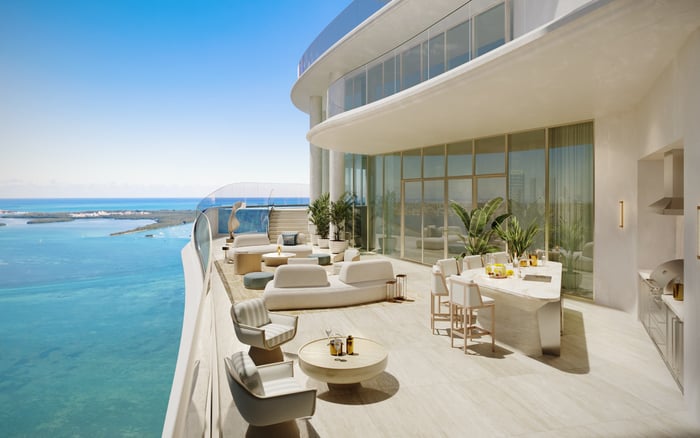
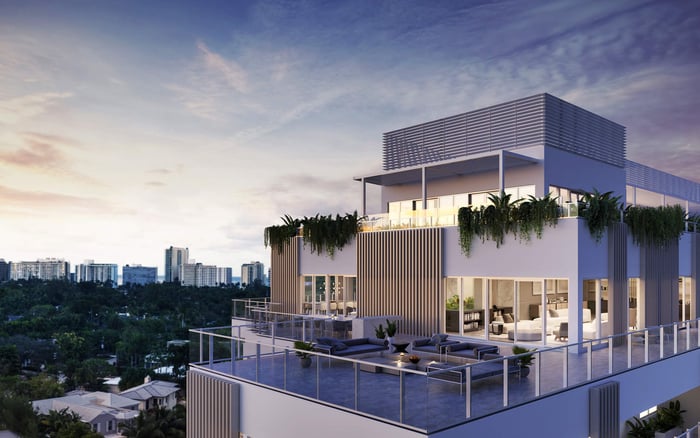
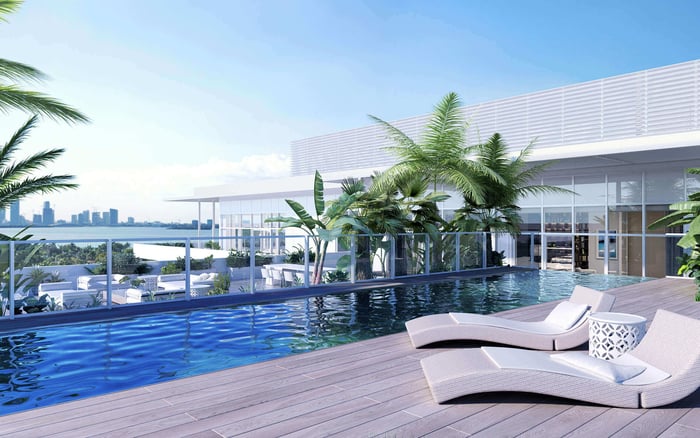
A branded residence in Coral Gables should be evaluated less as a logo purchase and more as a disciplined long-term home: service culture, design restraint, governance, privacy, operating costs, and resale clarity must all support the premium.
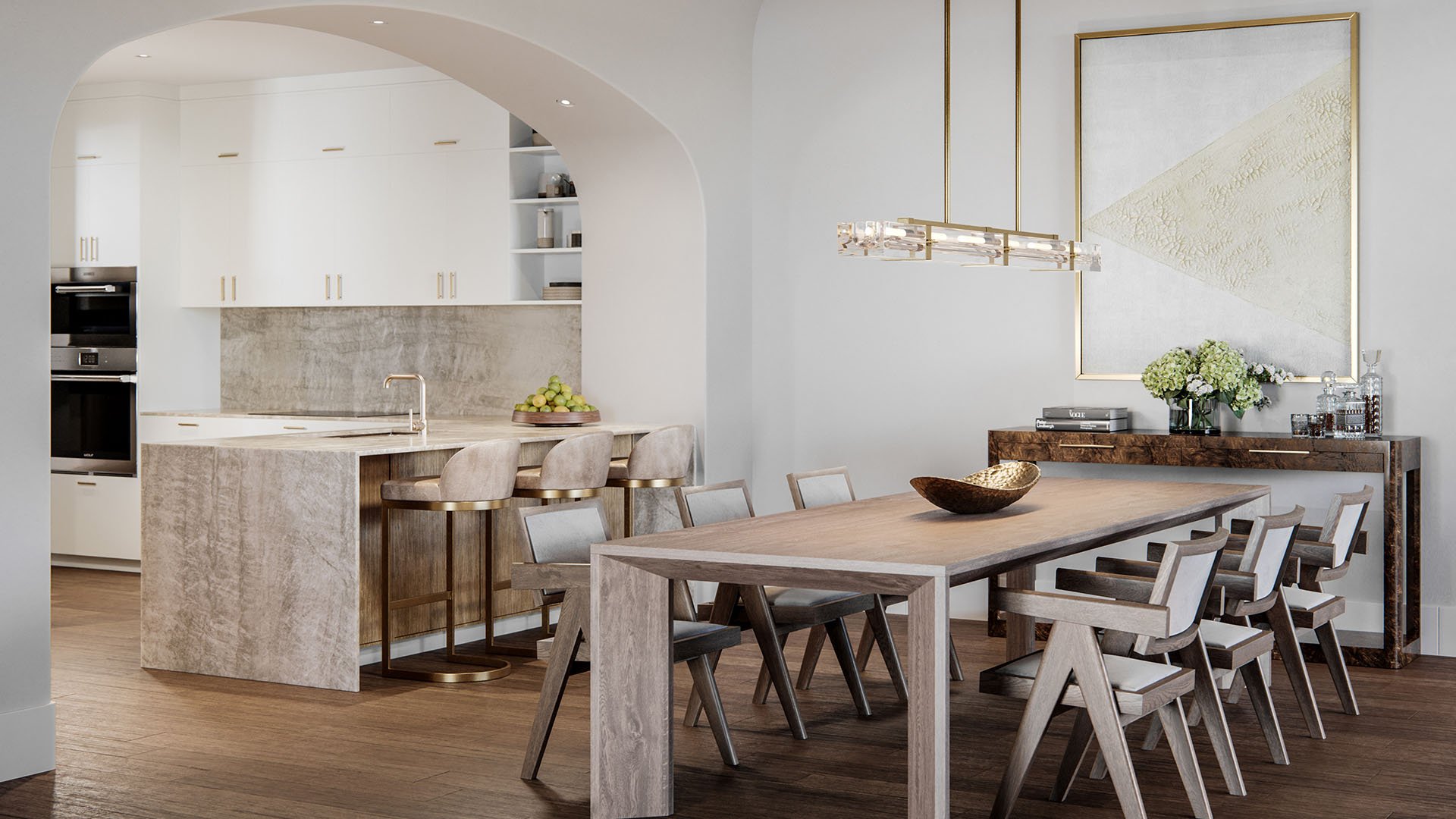
A branded residence in Coral Gables works as a serious long-term purchase only when the name on the door is supported by substance behind it. The brand may create the first layer of confidence, but the long-term owner lives with the floor plan, the building culture, the monthly operating costs, the service standards, and the way the residence ages.
That distinction matters. In South Florida, branded residences have become part of the luxury vocabulary, but Coral Gables requires a quieter test. This is not a market where spectacle alone carries the decision. Buyers tend to care about continuity, privacy, design discipline, and whether a home can remain relevant through different life stages.
The right branded residence should feel less like a marketing object and more like a well-run private address. Its value is not simply the brand premium at purchase. It is the confidence that the residence will still make sense years later, when tastes shift, new buildings arrive, and the owner’s daily needs matter more than launch-day imagery.
A brand should clarify the experience. It should make service more consistent, design more coherent, and ownership easier to understand. If it only adds a recognizable name without improving the quality of daily life, the premium becomes fragile.
The strongest branded residences usually give the buyer a clear operating philosophy. That may include a recognizable hospitality standard, a design language that feels edited rather than themed, and amenities managed with consistency. For a long-term owner, this matters because the residence is not judged on brochure appeal alone. It is judged on whether the lobby remains elegant, whether staff culture stays polished, whether amenities are maintained, and whether the building’s tone continues to align with its original promise.
In Coral Gables, restraint is especially important. A branded residence should complement the city’s residential character rather than compete with it. The most convincing execution will feel composed, private, and architecturally settled. It should not require constant explanation.
A brand cannot rescue the wrong location. For a long-term purchase, the surrounding context must make sense on ordinary days, not only during a sales presentation. A buyer should ask whether the address supports the expected lifestyle: quiet arrival, useful proximity, comfortable access, and a setting that feels coherent with the price point.
This is where Coral Gables becomes a demanding filter. The buyer is not only purchasing finishes or amenities. The buyer is buying into a residential rhythm. A strong long-term address should feel natural for full-time living, seasonal use, and eventual resale conversations. If the branded concept feels disconnected from the neighborhood, the premium may be harder to defend later.
Nearby projects can help calibrate expectations even when they are not the same product type. A buyer studying Cora Merrick Park can think carefully about scale, access, and how a residence fits into a Gables lifestyle. Similarly, Ponce Park Coral Gables offers a useful reference point for buyers who want a more intimate residential expression in the city.
For a serious long-term purchase, design durability is more important than novelty. Branded residences can be tempting when the interiors are dramatic, but the better question is whether the design will remain calm, functional, and desirable after the first cycle of attention has passed.
Buyers should look for proportion, natural light, storage, circulation, and privacy between living and sleeping areas. These are not glamorous talking points, but they shape daily comfort. A residence with a memorable brand but a compromised layout may disappoint faster than a quieter home with excellent fundamentals.
Material selection also matters. The best luxury interiors do not feel disposable. They allow an owner’s art, furniture, and habits to live comfortably within the space. In Coral Gables, where many buyers value permanence, overly theatrical design can become a liability. The goal is not anonymity. The goal is a residence with enough identity to feel special and enough restraint to feel enduring.
Service is one of the main reasons buyers consider branded residences, but it has to be judged practically. A long-term owner should understand what services are included, what costs extra, how staffing is structured, and whether the building can maintain its promises over time.
The distinction between amenities and operations is crucial. A beautiful amenity deck is not the same as a well-run building. A concierge desk is not the same as a service culture. A serious buyer should focus on how the residence will function in everyday scenarios: arrivals, deliveries, guests, maintenance, reservations, private events, and security protocols.
Established branded benchmarks elsewhere in South Florida can be useful. A buyer comparing Coral Gables opportunities may also study how hospitality-driven projects such as St. Regis® Residences Brickell position service as part of the ownership experience. The point is not to copy Brickell in Coral Gables. It is to understand what a true service promise should require.
Long-term value depends on governance. Buyers should review how the association is structured, how brand standards are maintained, what obligations exist around services, and how future costs may be handled. A branded residence can be excellent, but if the operating model is unclear, ownership can feel less predictable than it should.
Luxury buyers sometimes focus on the purchase price while underestimating the importance of monthly carrying costs. For an investment-minded owner, that is a mistake. The question is not simply whether the residence is expensive to maintain. The question is whether the costs feel justified by the quality, consistency, and scarcity of the experience.
A strong branded residence should make the economics legible. Owners should be able to understand what they are paying for and why it matters. If the brand promise is vague, the operating costs will feel harder to defend over time.
The best long-term residences are easy to explain. When a future buyer walks in, the value proposition should be immediately understandable: the address, the service, the design, the privacy, and the quality of ownership all align.
A branded residence can help with that clarity, but only if the brand remains respected and the building remains well maintained. The name may attract attention, yet the home still has to perform against competing options. In Coral Gables, that means the residence must appeal to buyers who care about elegance, ease, and permanence.
Comparisons should be broad. A buyer might look at the village-scale sensibility of The Village at Coral Gables while also considering branded models in other luxury submarkets, such as The Ritz-Carlton Residences® Miami Beach. The purpose is to separate brand power from true residential fit.
Before paying a brand premium, a buyer should ask a simple question: would this still be the right home if the logo were removed? If the answer is yes, the brand may be enhancing an already strong residence. If the answer is no, the purchase may depend too heavily on perception.
A serious long-term purchase in Coral Gables should satisfy both emotional and practical standards. It should feel beautiful on arrival, calm in daily use, credible on resale, and disciplined in operation. The brand should sharpen those qualities, not substitute for them.
That is what makes a branded residence work here. Not noise. Not novelty. A lasting alignment between place, service, architecture, and ownership.
What makes a branded residence different from a standard luxury condo? A branded residence connects the home to a recognized hospitality, design, or lifestyle identity. The best examples also bring stronger service standards and a clearer ownership experience.
Is a branded residence always a better long-term purchase? No. The brand only helps if the location, design, service model, governance, and costs all support the premium over time.
Why is Coral Gables a distinct setting for branded residences? Coral Gables rewards discretion, livability, and architectural restraint. A branded concept has to feel compatible with that residential character.
What should buyers review before signing a contract? Buyers should review floor plans, service inclusions, association structure, operating costs, brand obligations, and resale positioning.
Do amenities matter as much as service? Amenities matter, but service is often more important over time. A beautiful space loses impact if it is not operated and maintained well.
How should an investment buyer think about the brand premium? The premium should be tied to durable advantages, not recognition alone. Look for scarcity, operating quality, and long-term buyer appeal.
Can a non-branded Coral Gables project be a better fit? Yes. Some buyers may prefer boutique scale, local character, or a quieter ownership model over a formal branded platform.
What is the biggest risk in buying a branded residence? The biggest risk is paying for a name without enough underlying residential quality. The home still has to function beautifully.
Should buyers compare Coral Gables with other South Florida branded markets? Yes. Comparing service models and design approaches can help clarify what is truly valuable versus what is simply promotional.
What is the simplest long-term test? Ask whether the residence would still be compelling without the brand attached. If the answer is yes, the brand may be adding real value.
If you'd like a private walkthrough and a curated shortlist, connect with MILLION.
If branded residences are on your mind — as a home or as an allocation — we would be glad to share what we are seeing, privately.
Begin a quiet conversation