A buyer-focused editorial on why beachfront safety signage, access clarity, and compliance diligence matter at The Estates at Acqualina and 900 Ocean Surfside.
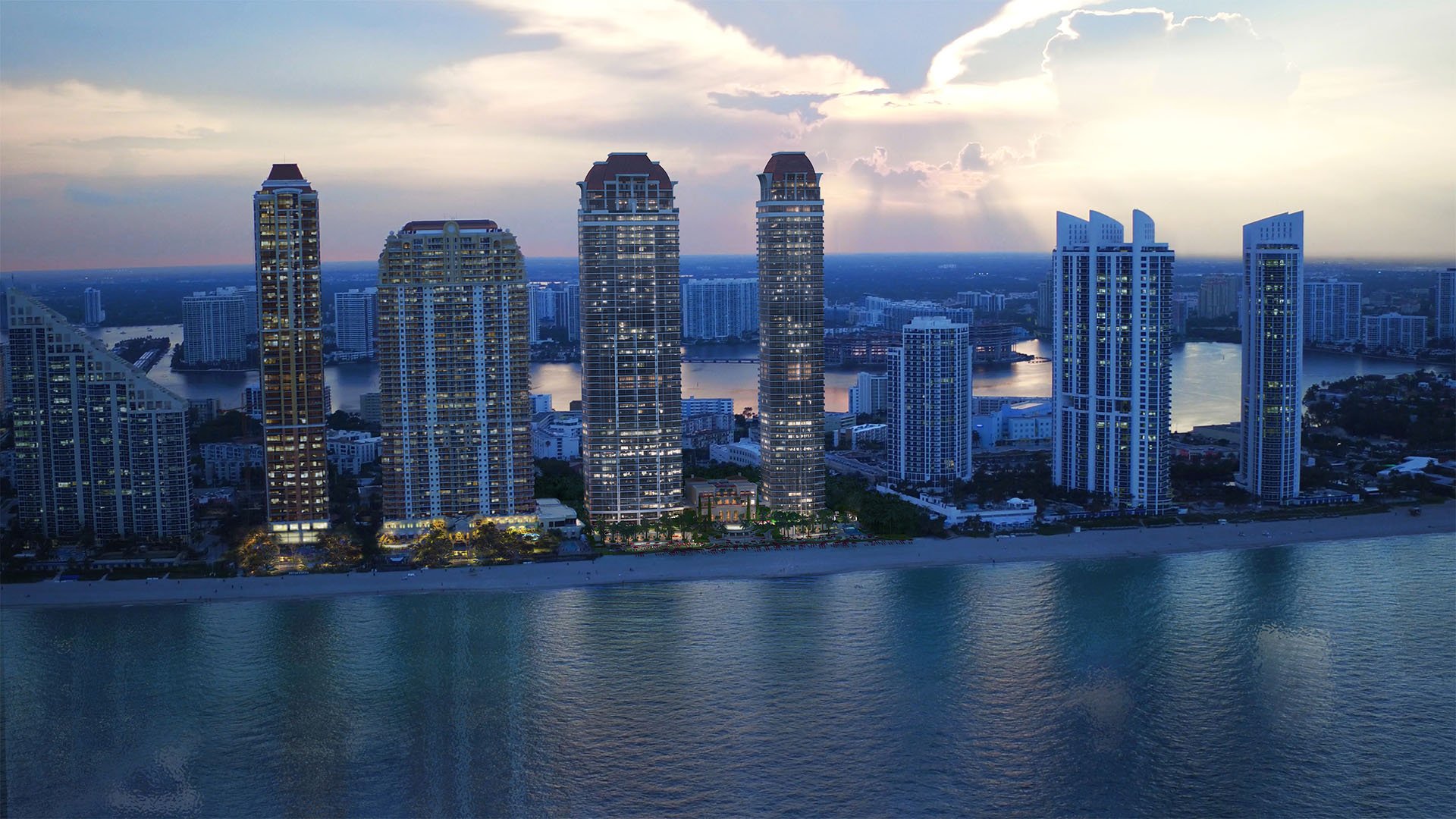
Beachfront safety signage rarely leads the first conversation about a trophy residence. Buyers usually begin with views, ceiling heights, private elevators, resort amenities, service culture and the quality of the arrival sequence. Yet at the waterline, signage becomes part of a building’s lived architecture. It shows how the property meets the beach, how risk is communicated, and how the association or operator approaches daily stewardship.
At The Estates at Acqualina and 900 Ocean Surfside, the topic carries particular weight because both names sit within one of South Florida’s most scrutinized coastal ownership environments. These are not casual vacation settings. They are highly visible addresses where service expectations, municipal oversight, insurance sensitivity and resident discretion intersect. A sign at a beach gate, pool deck, dune crossover or private-access threshold may appear simple, but it belongs to a larger system of safety, liability, hospitality and compliance.
For the luxury buyer, the question is not merely whether signage exists. The sharper question is whether it is clear, consistent, well maintained and integrated into the property’s operating culture. That is where a routine detail becomes an indicator of management sophistication.
A beachfront condominium is both private residence and coastal interface. Residents may move from lobby to cabana, from pool to sand, from spa to shoreline, often with guests, children, staff or visiting family members. The property’s signage should support that transition without disrupting the atmosphere of calm that defines premium living.
In practical terms, buyers should assess four dimensions. First is visibility. Warnings, rules and access instructions should appear where decisions are actually made, not tucked away where they satisfy a checklist but fail in use. Second is clarity. Language should be understandable to residents, guests and service teams. Third is condition. Faded, improvised or inconsistent signs suggest deferred attention. Fourth is governance. A refined building should know who reviews, replaces and approves signage, especially at points involving beach access, pool rules, storm preparation, pedestrian movement and emergency communication.
This is not a substitute for legal review. It is a buyer’s lens. Just as a purchaser may study reserves, insurance, architectural control and valet operations, beachfront signage offers a visible clue about invisible systems.
The Estates at Acqualina Sunny Isles sits within a market where the building experience is expected to feel seamless from arrival to shoreline. Sunny Isles Beach has long attracted buyers who want the intensity of oceanfront living with the services and privacy associated with branded or resort-caliber residential towers. In that setting, signage must do more than warn. It must fit the choreography of the property.
For an owner, the ideal condition is discreet but unambiguous. Beach-access points should be easy to understand. Pool and deck guidance should not appear ad hoc. Directional signs should support guest movement without making the environment feel institutional. The strongest luxury buildings treat these elements as part of design coordination, not as afterthoughts added once operations begin.
This matters because residents at the highest end expect privacy and polish, but the ocean does not become less dynamic because the building is elegant. Wind, surf conditions, wet surfaces, service deliveries, beach furniture movement and seasonal visitor patterns all require operational discipline. A property’s ability to communicate calmly and consistently is part of that discipline.
Sunny Isles often evokes dramatic towers and expansive water views, but for an informed buyer it should also prompt questions about the shoreline experience. Where do residents enter the sand? How are guest expectations managed? Which signs are permanent, seasonal or event-driven? Who decides when messaging is updated? Those answers shape daily confidence.
Surfside presents a different but equally important context. The village scale, walkable character and intimate beachfront rhythm create a quieter form of luxury, one where small operational details are more noticeable. At 900 Ocean Surfside, signage should be considered in relation to access, streetscape, neighboring properties and the softer residential cadence that defines the area.
In Surfside, buyers often prize understatement. They want the beach at their doorstep without the atmosphere of a public resort. That preference places extra importance on visual restraint. Signage should be legible and compliant while remaining compatible with architecture, landscaping and the sense of residential calm.
The same principle applies across established luxury references in the area, including The Surf Club Four Seasons Surfside, where the broader neighborhood expectation has been shaped by a high standard of service and discretion. Buyers looking at any Surfside beachfront address should ask whether the signs feel permanent, considered and maintained, or whether they appear reactive.
That distinction matters. A sign selected, placed and maintained with care suggests coordinated ownership. A sign that is temporary, damaged or confusing may invite further questions about management habits, vendor oversight and board communication.
A serious showing should include more than the residence itself. Walk the full resident path from arrival to beach and back. Notice the entry sequence, elevator transition, amenity deck, pool perimeter, beach gate, dune or sand access, showers, cabanas and any service corridors that connect to outdoor amenities. The most revealing observations often occur outside the sales presentation.
Look for consistency in typography, material, mounting and placement. Luxury properties do not need excessive signage, but they do need disciplined signage. A collection of mismatched warnings can create visual noise. Too little signage can leave ambiguity. The best balance is quiet authority.
Ask how signage changes during storms, maintenance, special events or beach-service adjustments. Ask whether multilingual considerations, guest access, children’s safety, pet movement, delivery routes or accessibility needs are handled through written rules, posted signs, resident communications or staff protocols. The answer may be a combination, but it should not feel improvised.
Beach access is not merely a convenience in South Florida. It is a core feature of value. When that access is poorly explained or unevenly managed, the ownership experience suffers. When it is clear and gracefully governed, the beach feels like an extension of the residence rather than a logistical boundary.
Buyers at this level are sensitive to cues. They notice whether stone is book-matched, whether staff know names, whether landscaping is trimmed before it becomes obvious, and whether outdoor furniture is aligned at dawn. Signage belongs to the same family of cues. It may not drive price on its own, but it can influence the confidence with which a buyer evaluates stewardship.
The relevant question is not whether a sign is beautiful. It is whether the overall system communicates order. Oceanfront buildings operate in a demanding environment. Salt, sun, wind, sand and heavy seasonal use can age exterior materials quickly. If signs remain clean, legible and consistent, it suggests that maintenance teams are attentive to the edge conditions that often reveal a property’s true standards.
For investors and second-home buyers, this is particularly important. Many owners are not present every day. They rely on management to protect both experience and asset quality. Clear signage at beach and amenity areas helps reduce confusion for guests and staff, while also signaling that the building takes shared spaces seriously.
Before purchasing, buyers should direct detailed questions to the appropriate professionals. Counsel can review governing documents, association obligations and the relationship between private property rules and public coastal requirements. Management can explain inspection routines, replacement schedules and protocols for weather events. The association can clarify who approves exterior design changes, including signs visible from common areas or the beach.
For The Estates at Acqualina and 900 Ocean Surfside, the most valuable answers will be specific to the building, not generic. Who maintains beach-adjacent signs? Are there written standards for replacement? How are residents notified when rules change? How is guest behavior addressed at the beach-access point? Are emergency or temporary notices handled in a way that preserves both safety and presentation?
These questions do not diminish the romance of beachfront ownership. They protect it. A residence can offer spectacular water views, but the daily experience depends on the property’s smallest operational decisions.
Why does beachfront safety signage matter to luxury buyers? It helps reveal how carefully a property manages the transition between private amenities and the coastal environment.
Is signage a major value driver on its own? Usually no, but it can influence confidence in management, maintenance quality and overall stewardship.
What should buyers inspect first at a beachfront property? Walk the resident path from lobby to pool, beach gate and sand access, noting clarity, condition and consistency.
How should signs look in a high-end building? They should be legible, restrained, durable and aligned with the property’s design language.
Why is The Estates at Acqualina relevant to this topic? Its Sunny Isles setting places beachfront operations within a highly serviced oceanfront ownership experience.
Why is 900 Ocean Surfside different? Surfside’s quieter residential character makes discreet, well maintained signs especially visible to buyers.
Should buyers ask the association about signage? Yes, especially regarding maintenance responsibility, approval standards, guest rules and temporary notices.
Can signage affect the guest experience? Yes, clear signs reduce confusion while helping staff maintain a calm and orderly environment.
Are temporary signs a concern? They can be appropriate during maintenance or weather events, but repeated improvised signage deserves questions.
How should buyers approach signage during due diligence? Treat it as one visible indicator of governance, maintenance discipline and daily beachfront operations.
If you'd like a private walkthrough and a curated shortlist, connect with MILLION.
If branded residences are on your mind — as a home or as an allocation — we would be glad to share what we are seeing, privately.
Begin a quiet conversation