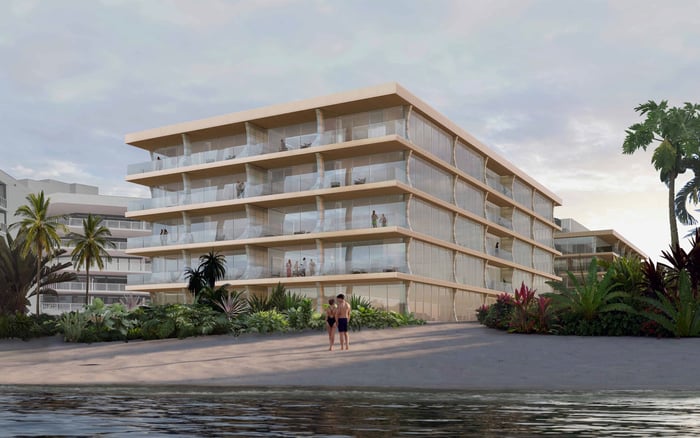
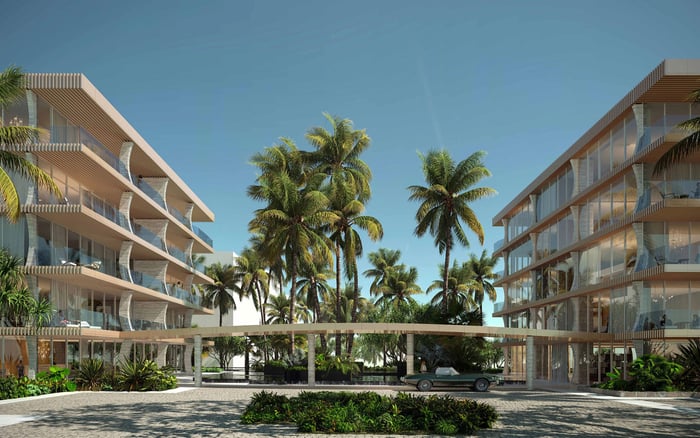
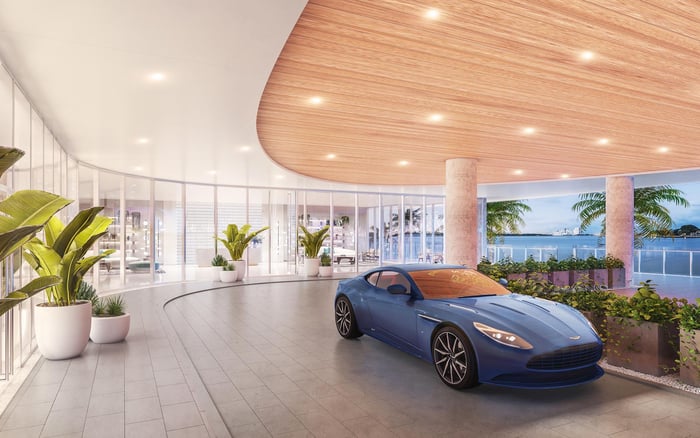
A discreet buyer’s guide to backup power, resilience, and generator diligence for Palm Beach estates and residence-minded luxury acquisitions.
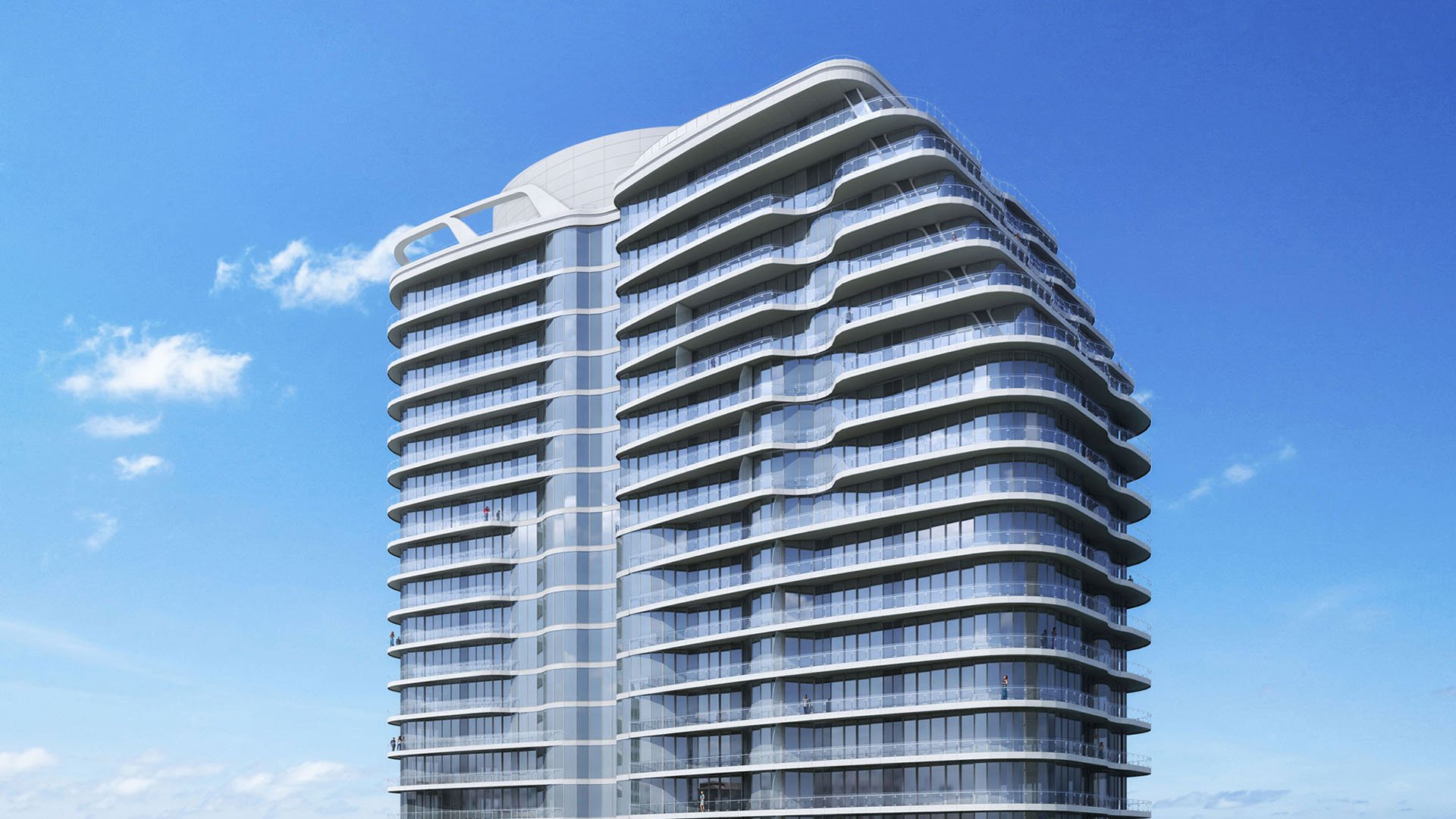
In Palm Beach, the luxury conversation is no longer confined to architecture, provenance, privacy, and landscape. The most sophisticated buyers now ask a quieter question before they study finishes: what happens when the power goes out? For estate owners, seasonal residents, and families moving between homes, generator planning has become part of the modern definition of ease.
That shift is especially relevant when buyers compare named residential environments such as The Brazilian Court Residences with the broader idea of The Chesterfield Systems. Together, the names suggest two distinct ways to think about resilience. One is the residential experience, where service, comfort, and continuity matter. The other is the technical layer behind that comfort, where capacity, transfer timing, fuel strategy, acoustic control, maintenance, and placement determine whether a home feels prepared or merely expensive.
This is not a theatrical amenity. A generator is rarely the feature that sells a home in a brochure. Yet for the ultra-premium buyer, it can become decisive during diligence. It touches lifestyle continuity, staff operations, refrigeration, climate control, security, communications, elevators where applicable, and the simple ability to arrive at a residence and find it functioning as expected.
The best generator conversation begins before the emotional commitment to a property. A buyer should ask what the system is designed to support, not simply whether one exists. Whole-home coverage is different from partial backup. A system serving essential circuits may protect refrigeration, selected lighting, security, and limited climate zones, while another configuration may support a more expansive daily routine.
Capacity is only one part of the equation. Installation quality, equipment age, service history, unit location, maintenance access, and the condition of transfer equipment can matter as much as headline output. In a luxury estate context, discreet siting is also important. A visible or poorly screened generator can compromise gardens, arrival sequences, and neighboring sightlines.
Noise belongs in the discussion as well. Buyers should ask how the system performs in real conditions, including startup, extended operation, and proximity to guest suites, terraces, pool areas, and adjacent properties. For Palm Beach owners who entertain outdoors or use the home seasonally, sound management is part of hospitality.
Fuel strategy deserves equal attention. A technically impressive system still requires practical planning around fuel availability, refill access, safety, and maintenance cadence. The goal is not simply to own equipment. The goal is to understand the operating plan that keeps the residence calm when public infrastructure is under stress.
The Brazilian Court Residences and The Chesterfield Systems can be read as a useful pairing for buyers because they frame both sides of the Palm Beach expectation. On one side is the refined residential experience: arrival, privacy, service, air conditioning, lighting, security, and uninterrupted domestic rhythm. On the other is the infrastructure discipline required to support that experience when conditions are less than ideal.
For a buyer considering any Palm Beach residence, the real question is not whether a name sounds established or elegant. It is whether the building or estate has been evaluated with the same seriousness given to interior design. Mechanical systems, backup power, and operational continuity should be part of the same conversation as ceiling heights, millwork, stone selection, and garden design.
This is particularly true for owners who view Palm Beach as a second-home destination. A property that sits unoccupied for stretches of time must be dependable in the owner’s absence. Generator readiness, remote monitoring, maintenance documentation, and clear staff protocols can help protect the residence before an owner even boards a flight.
Buyers often group this kind of search under Palm Beach, West Palm Beach, new-construction, gated-community, and single-family-home criteria, but the more valuable filter is operational confidence. A graceful property should not require constant uncertainty behind the scenes.
Single-family estates and residence buildings approach backup power differently. In an estate, the owner has greater control over system scope, placement, maintenance, and upgrade decisions. That control is valuable, but it also places responsibility squarely on the owner and advisory team. The buyer should understand what is covered, what is not, and what would be required to expand coverage.
In a residence building, resilience is more layered. Common areas, elevators, access control, life-safety systems, garage functions, lobby operations, and private residences may all be treated differently. A buyer should ask how backup power is allocated and what the resident experience looks like during a prolonged outage. The answer may affect daily comfort as much as any amenity deck.
For boutique settings, the diligence can be especially nuanced. Smaller buildings may offer privacy and intimacy, but buyers should still review how essential systems are maintained, who manages service contracts, and how decisions are made when equipment requires repair or replacement. Luxury is not only the presence of systems, but the governance behind them.
In either format, the generator conversation should be coordinated with insurance review, inspection findings, building documents where applicable, and long-term ownership planning. A beautiful residence with unclear operational infrastructure may still be desirable, but it should be priced and understood with eyes open.
Backup power is best understood as a value stabilizer. It may not transform an ordinary property into an exceptional one, but it can reinforce the confidence buyers feel about a truly refined home. In Palm Beach, where privacy, comfort, and continuity are central to the lifestyle, that confidence can influence negotiation, inspection priorities, and resale positioning.
For sellers, documentation matters. Service records, equipment specifications, load details, maintenance schedules, and any upgrade history can reduce friction during diligence. A buyer who sees an organized file is more likely to view the home as carefully stewarded. A buyer who sees uncertainty may discount the system or request further review.
For buyers, the smartest posture is neither alarmist nor casual. A generator is a mechanical asset with limits, not a magic shield. It should be evaluated by qualified professionals, understood in relation to the home’s actual needs, and considered alongside other resilience measures such as drainage, openings, roof condition, security systems, and communications.
The most elegant outcome is invisible preparedness. The garden remains composed, the residence remains serene, and the owner experiences continuity without needing to think about the machinery behind it. That is the standard Palm Beach buyers increasingly expect.
Why do Palm Beach estate buyers care about generators? Backup power supports comfort, security, climate control, and household continuity during outages, which matters for both primary and seasonal ownership.
Is having a generator enough for luxury due diligence? No. Buyers should review capacity, installation quality, service history, fuel strategy, transfer equipment, and which parts of the home are actually supported.
What should be reviewed in a residence building? Buyers should ask how backup power is allocated among private residences, common areas, elevators, access systems, and life-safety functions.
How does generator planning differ for a single-family estate? Estate owners often control the system directly, which allows customization but also requires clear responsibility for maintenance and upgrades.
Does generator noise matter in a luxury purchase? Yes. Sound levels, placement, screening, and proximity to outdoor living areas can affect the daily experience of the property.
Should seasonal owners think differently about backup power? Yes. A second-home owner should prioritize monitoring, maintenance records, and staff protocols because the property may be vacant during key moments.
Can generator documentation affect negotiations? It can. Organized service records and clear specifications may reduce uncertainty, while incomplete information can invite further inspection or price discussion.
Is new-construction automatically better for resilience? Not automatically. New systems can be valuable, but buyers still need to understand scope, coverage, maintenance planning, and building operations.
Do gated-community buyers need the same review? Yes. A community setting does not replace property-level diligence around backup power, access, security, and household continuity.
How should buyers evaluate The Brazilian Court Residences and The Chesterfield Systems theme? Treat it as a prompt to study both the residential experience and the infrastructure supporting that experience, without separating elegance from operations.
If you'd like a private walkthrough and a curated shortlist, connect with MILLION.
If branded residences are on your mind — as a home or as an allocation — we would be glad to share what we are seeing, privately.
Begin a quiet conversation