A buyer-oriented look at how seasonal beach access considerations can shape daily life at ultra-luxury oceanfront residences in Sunny Isles and Surfside.
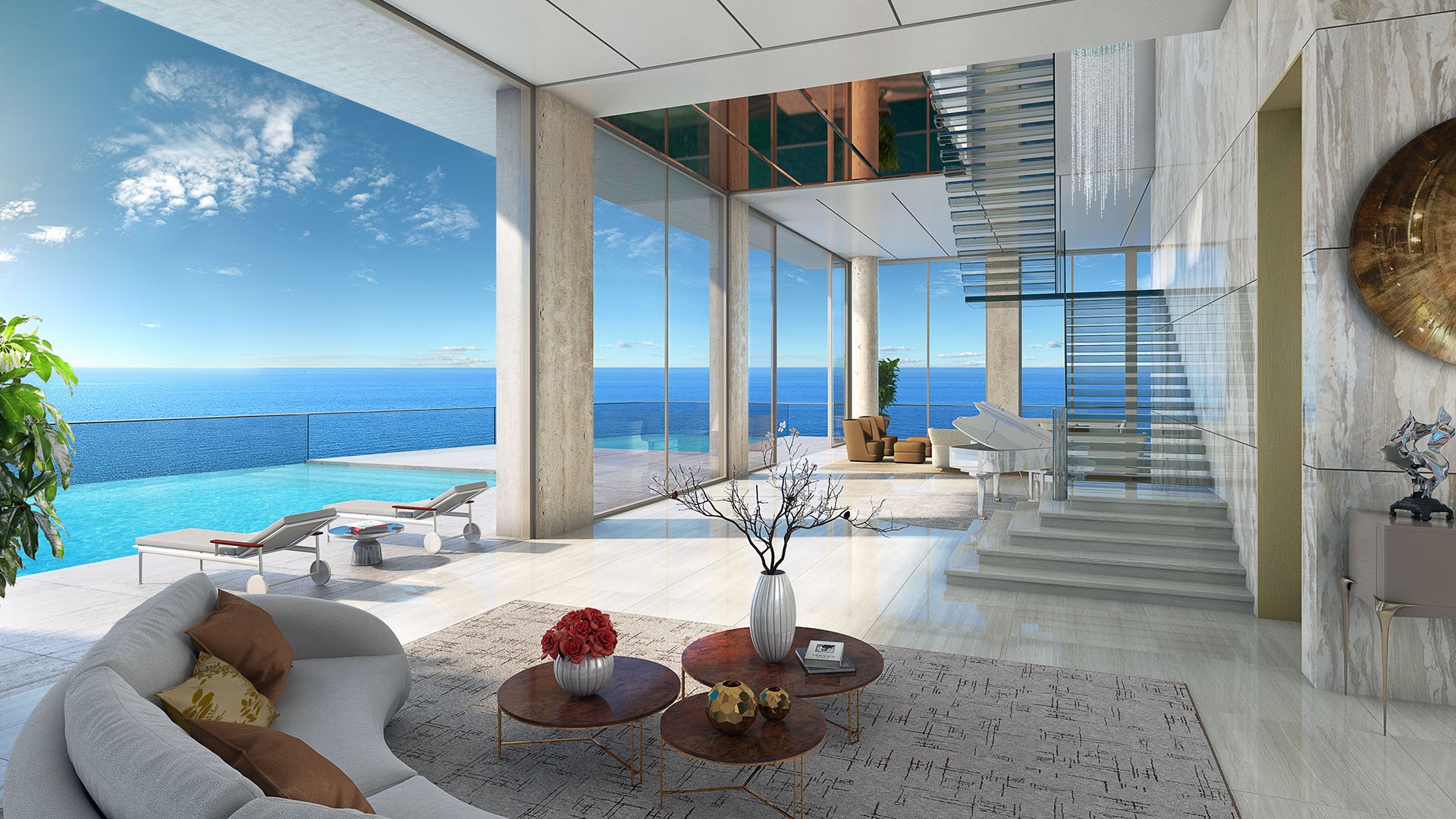
In South Florida’s most rarefied oceanfront market, beach access is often discussed as though it were self-evident. A residence sits on the sand, the Atlantic is steps away, and the lifestyle is presumed to be effortless. For serious buyers, however, the more meaningful question is not whether the beach is nearby. It is how access functions in daily life: during peak season, in the evening, with guests, and through the quieter months when the coastline feels more private.
That is why the comparison between The Estates at Acqualina and 900 Ocean Surfside is less about a single posted hour and more about operational nuance. At this level, beach access becomes part amenity, part building culture, and part ownership experience. The difference between a beach that feels available and a beach that feels truly integrated into home life can come down to staffing practices, association rules, service windows, guest procedures, weather protocols, and seasonal resident patterns.
For buyers evaluating The Estates at Acqualina in Sunny Isles or 900 Ocean Surfside, the right approach is precise and discreet: request the current written beach-use policies, ask how they vary during high season and low season, and understand what is handled by residence staff, building staff, or third-party beach-service personnel. In the luxury segment, access is not simply a convenience. It shapes privacy, rhythm, and the way a property lives.
South Florida’s beach season does not carry one continuous mood. Winter and early spring often bring a more active resident and guest calendar. Summer can feel more spontaneous, with different weather patterns and longer daylight. Holiday weeks may establish their own cadence. Even when a building’s core access policy remains stable, the lived experience can shift with occupancy, staffing, daylight, wind, tides, storms, and municipal conditions.
A buyer should ask whether beach access hours are formally fixed, seasonally adjusted, or managed case by case. If chairs, umbrellas, towels, cabanas, attendants, food service, or security are involved, those elements may follow separate operating practices from basic pedestrian access to the sand. A resident may be able to walk to the beach at one hour while full service begins or ends at another. That distinction matters for owners who rise early, return late from dinner, host family, or spend extended weekends in residence.
The most useful questions are practical. How is access controlled after staffed hours? Are owners, residents, family members, and registered guests treated differently? Is there a sign-in process? Are there quiet-hour restrictions? How are severe weather closures handled? Is beach equipment removed at certain times regardless of season? For a second-home owner who arrives unpredictably, written answers are more valuable than impressions gathered during a single tour.
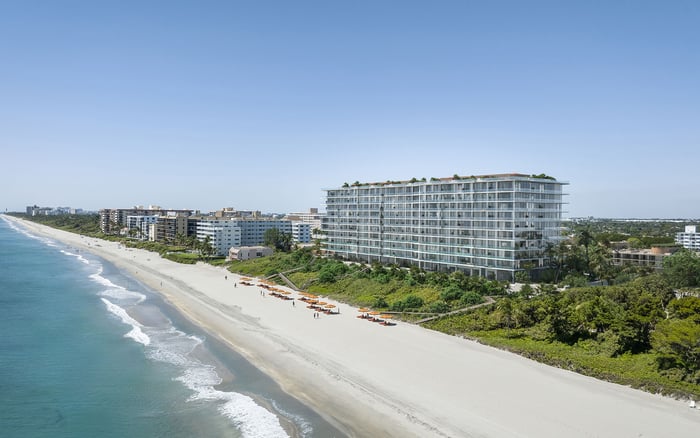
Sunny Isles and Surfside occupy different emotional positions on the same coastline. Sunny Isles is often associated with vertical oceanfront living, full-service condominium culture, and a resort-like level of private residential programming. Surfside is more intimate in scale and tone, prized for its quieter village character and its proximity to Bal Harbour and Miami Beach without the same sense of intensity.
That distinction informs how buyers should think about The Estates at Acqualina and 900 Ocean Surfside. At an ultra-luxury tower in Sunny Isles, the beach experience may be framed by a larger hospitality environment, with greater emphasis on layered services and formalized protocols. In Surfside, the appeal may center on discretion, neighborhood pace, and a more residential relationship to the shoreline. Neither model is inherently superior. The better fit depends on how an owner plans to live.
An oceanfront buyer who spends much of the season in residence may prioritize consistency, staff familiarity, and an easy transition from pool deck to sand. A family using the property during school breaks may focus on guest access, child-friendly logistics, and holiday capacity. A couple seeking quiet early-morning walks may care less about full service and more about simple, predictable entry. These are subtle distinctions, but at the top of the market, subtlety is often where value is felt most clearly.
The finest beach experience is one that requires little visible effort. Yet behind that ease are rules and systems. A buyer should understand where private property ends, where public beach conditions begin, and how the building manages the interface. South Florida beaches are dynamic public environments, and even the most service-rich residences must operate within broader coastal realities.
For The Estates at Acqualina, the ownership conversation should include not only beach access but also the broader amenity rhythm: arrival, valet flow, pool access, food and beverage options, towel service, security presence, and the transition from private indoor space to outdoor leisure. For 900 Ocean Surfside, buyers should similarly ask how the property supports the beach experience across seasons, especially when family or guests are involved.
The key is to separate three concepts: access, service, and atmosphere. Access concerns when and how a resident reaches the sand. Service concerns what the building provides once there. Atmosphere concerns privacy, density, noise, and the pace of the beach at different times of year. A property can be excellent in all three, but the questions should be asked separately because each one affects daily ownership differently.
For seasonal residents, the best evaluation does not happen only during a polished showing. Visit at different hours if possible. Notice the morning routine, late-afternoon return traffic, weekend guest patterns, and how staff communicate beach conditions. Ask for the most current house rules and confirm whether any seasonal updates are circulated to owners. A disciplined buyer treats beach access as part of due diligence, just like parking, elevators, reserves, insurance, and rental restrictions.
Do beach access hours change seasonally? They can vary by property rules, staffing, daylight, weather, and local conditions. Buyers should confirm the current written policy before relying on any assumption.
Is beach access the same as beach service? No. Access may refer to reaching the sand, while service can include chairs, umbrellas, towels, attendants, or food and beverage support.
Why does this matter for luxury buyers? Beach use shapes privacy, daily rhythm, guest hosting, and the sense of ease that defines a true oceanfront residence.
Should buyers ask about guest access? Yes. Guest procedures, registration requirements, and service eligibility can differ from owner access and should be reviewed in writing.
Are early-morning walks usually treated differently from staffed beach service? They may be. A building can permit simple access at one time while staffed beach amenities operate on a different schedule.
What should seasonal owners verify? Seasonal owners should verify high-season rules, holiday practices, after-hours procedures, and how updates are communicated.
Does weather affect beach access? Yes. Storms, wind, tides, and safety conditions can affect access or service even when normal policies are otherwise in place.
How should buyers compare Sunny Isles and Surfside? Sunny Isles often feels more resort-driven, while Surfside tends to offer a quieter residential pace. The preferred choice depends on lifestyle.
Can association rules affect beach equipment? Yes. Equipment placement, removal times, storage, and usage can be governed by building rules or service protocols.
What is the best due diligence step before purchasing? Request the latest written rules and ask direct questions about access, service, guests, security, and seasonal variations.
For a confidential assessment and a building-by-building shortlist, connect with MILLION.
If branded residences are on your mind — as a home or as an allocation — we would be glad to share what we are seeing, privately.
Begin a quiet conversation