A discreet buyer’s guide to evaluating waterfront residences in Bay Harbor Islands, with a focus on view quality, insurance diligence, construction standards, and long-term livability.
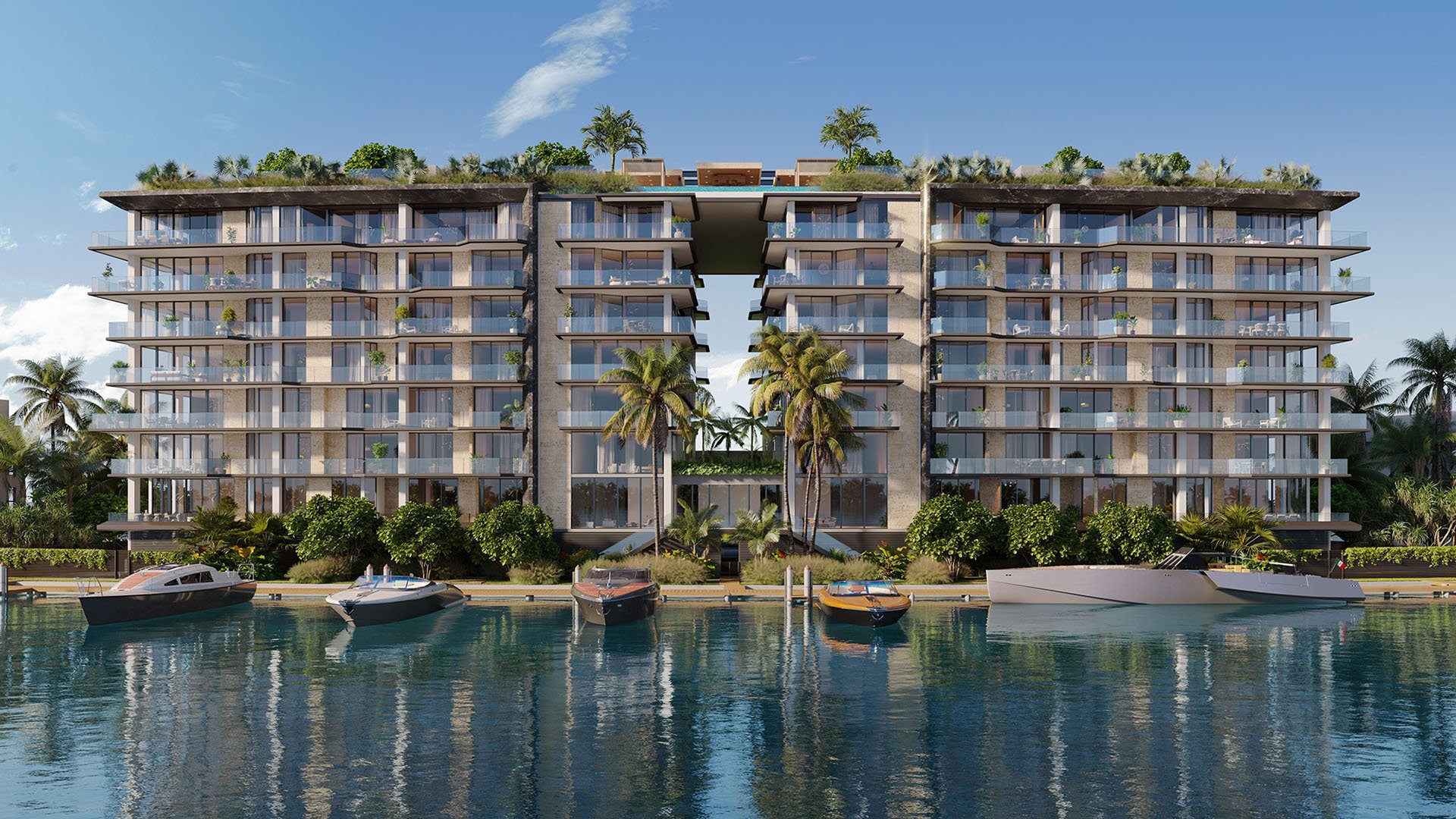
Bay Harbor Islands appeals to buyers who want water, privacy, and proximity without the visual noise of a larger skyline market. At its best, a residence here feels composed rather than performative: quiet approaches, measured architecture, and bay-facing rooms designed for a slower rhythm. Yet waterfront living here should never be judged by the view alone.
For a sophisticated buyer, the essential question is not simply whether a home faces the water. It is whether the view will remain enjoyable throughout the day, whether the building has been conceived and maintained for a coastal environment, and whether insurance conditions support the ownership profile. In a Bay Harbor search, the most successful acquisitions tend to begin with restraint: fewer assumptions, deeper review, and a clear understanding of how beauty, risk, and construction quality intersect.
That is especially true for buyers comparing boutique waterfront condominiums and newer residential offerings. A water-view wish list, a boat-slip preference, boutique scale, and new-construction appeal should all be translated into practical questions before emotion takes over.
A waterfront view is not a single feature. It is a sequence of experiences: morning light, afternoon glare, evening reflection, privacy from neighboring buildings, and the way the room frames the water from a seated position. Buyers often walk onto a terrace, look outward, and decide too quickly. A more disciplined approach is to study the view from the primary suite, living area, kitchen, and terrace edge.
Orientation matters because it shapes the daily temperament of the residence. A bright exposure may be energizing in winter and demanding in summer. A calmer outlook may feel more private but less dramatic. The ideal answer depends on how the owner lives: morning coffee on the terrace, sunset entertaining, remote work, seasonal use, or a quieter second-home rhythm.
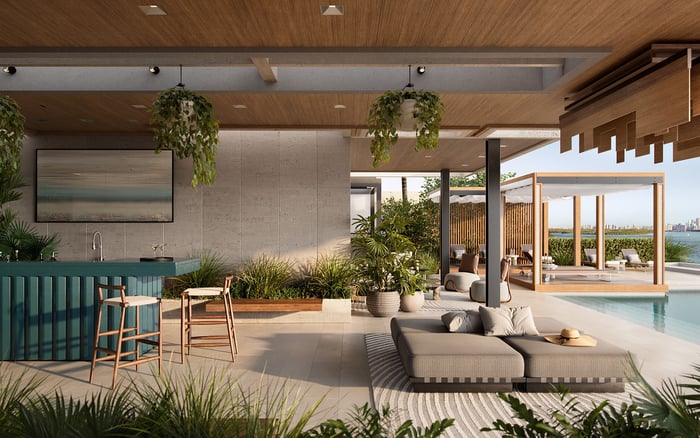
Privacy is equally important. Waterfront does not automatically mean secluded. Consider whether neighboring balconies look directly into the residence, whether boat traffic changes the mood of the setting, and whether the terrace feels like an outdoor room or merely an exposed platform. In this context, projects such as Onda Bay Harbor are best evaluated not only by their water orientation, but by how each individual residence composes light, privacy, and outdoor usability.
For waterfront buyers, insurance should be addressed early in the process. It belongs beside financing, inspection, and title review, not after the emotional decision has already been made. A polished lobby and a beautiful terrace do not answer the questions that matter to an underwriter, an association, or a future buyer.
The review should begin with the building’s current insurance structure, the association’s approach to coverage, and what an individual owner may need to carry separately. Buyers should request clear documentation and have it reviewed by qualified advisors. The goal is not to predict every future condition. The goal is to understand the current ownership obligation and avoid surprises that could affect carrying costs or resale comfort.
It is also important to distinguish between insurability and affordability. A property can be insurable while still requiring careful budgeting. Waterfront ownership rewards buyers who study the full cost of stewardship, including association expenses, reserves, deductibles, maintenance expectations, and personal coverage. A residence that appears similar on price may feel very different once the total ownership picture is understood.
Luxury buyers naturally notice finishes first: stone, millwork, lighting, appliances, and the choreography of the arrival. Those elements matter, but waterfront building quality is often proven in less visible places. The exterior envelope, glazing, waterproofing, roof systems, balcony detailing, mechanical systems, drainage, and maintenance discipline all contribute to long-term confidence.
A beautiful waterfront building should be examined as an instrument designed to manage sun, salt air, wind, moisture, and daily use. Buyers should ask how the building has been maintained, how capital needs are planned, and how the association communicates with owners. In newer developments, the focus shifts toward construction approach, delivery quality, warranties, and the reputation of the professional team involved.
When comparing options such as Bay Harbor Towers and La Baia North Bay Harbor Islands, the conversation should move beyond surface style. The more valuable inquiry is how each building supports quiet ownership: durable materials, thoughtful layouts, appropriate amenity scale, and architectural discipline that will not feel dated after the first season.
Bay Harbor Islands is often attractive to buyers who prefer discretion over spectacle. Boutique living can offer a more intimate arrival, fewer shared spaces, and a calmer residential atmosphere. That can be a meaningful advantage for seasonal owners, downsizers, and buyers who want privacy without leaving the Miami Beach orbit.
Still, boutique does not automatically mean better. Smaller buildings can be elegant and efficient, but buyers should understand how expenses are shared, how management is handled, and whether the amenity program matches the size of the community. A compact amenity package may be ideal if it is well executed and financially sensible. An overextended amenity program can become burdensome if it is not aligned with the building’s scale.
This is where disciplined comparison matters. A buyer looking at La Maré Bay Harbor Islands may be drawn to the intimacy associated with the address and setting, while another considering The Well Bay Harbor Islands may prioritize a wellness-oriented residential language. The right answer is not universal. It is the building that best fits the owner’s actual pattern of use.
The most valuable pre-offer questions are practical. What is the real view from the rooms where you will spend time? How does the terrace perform at different hours? What insurance obligations belong to the association, and what belongs to the owner? Are there known upcoming maintenance items or capital needs? How are reserves handled? How responsive is management? What restrictions affect leasing, guests, pets, or marina-related use if relevant?
Buyers should also examine floor plan efficiency. Waterfront residences sometimes devote too much space to corridors, oversized foyers, or rooms that do not benefit from the view. The strongest layouts pull the eye outward while preserving privacy where it matters. Primary suites, kitchens, and living areas should feel connected to the water without sacrificing storage, service areas, or everyday function.
A final point: compare buildings with the same level of rigor. Do not evaluate one residence emotionally and another analytically. Use the same framework for each: view, insurance, construction, association health, lifestyle fit, and exit strategy. That discipline allows beauty to remain part of the decision without letting it become the entire decision.
Waterfront ownership in Bay Harbor Islands is most compelling when the residence is selected for both pleasure and resilience. The best purchase is not always the most dramatic view or the newest finish package. It is the home that feels effortless on an ordinary Tuesday, defensible in a due-diligence file, and desirable to the next refined buyer.
That long-term lens is especially important in a market where design tastes evolve quickly. Timeless proportions, durable materials, sensible amenity programming, and transparent building operations tend to age better than novelty. Buyers who focus on fundamentals can still enjoy the romance of the water, but with a stronger sense of control.
For the ultra-premium audience, Bay Harbor Islands offers something increasingly rare: waterfront living with an understated register. The opportunity is real, but it rewards precision. Views create the first impression. Insurance and building quality determine whether that impression can mature into confident ownership.
What should buyers evaluate first in a Bay Harbor Islands waterfront residence? Start with the view, the building’s condition, and the insurance picture. These three factors shape both daily enjoyment and long-term confidence.
Is a direct water view always better than a partial view? Not always. A partial view with better privacy, softer light, or a superior floor plan may live better than a more exposed direct view.
When should insurance be reviewed? Insurance should be reviewed before an offer becomes emotionally fixed. Early review helps buyers understand carrying costs and ownership obligations.
What building details matter most near the water? Focus on the exterior envelope, glazing, waterproofing, mechanical systems, drainage, and maintenance history. Finishes matter, but systems protect value.
Are boutique buildings a good fit for seasonal owners? They can be, especially for buyers who value privacy and simplicity. The key is confirming that management, expenses, and amenities match the building scale.
Should buyers prioritize new construction over established buildings? Not automatically. Newer buildings may offer modern design, while established buildings can offer a clearer operating history.
How important is terrace usability? Very important. A terrace should be evaluated for shade, privacy, furniture placement, wind comfort, and connection to the main living areas.
Can a boat-slip preference affect the search? Yes, but availability, rules, and practical use should be reviewed carefully. Buyers should confirm details before assigning value to boating access.
What makes a waterfront floor plan feel more valuable? Strong plans place primary living spaces on the view, minimize wasted circulation, and preserve privacy. The best layouts feel calm and efficient.
How should buyers compare multiple Bay Harbor Islands options? Use the same lens for every property: view, insurance, construction, association quality, lifestyle fit, and resale appeal.
To compare the best-fit options with clarity, connect with MILLION.
If branded residences are on your mind — as a home or as an allocation — we would be glad to share what we are seeing, privately.
Begin a quiet conversation