A discreet buyer’s guide to evaluating Palm Beach waterfront property through view protection, insurance discipline, construction quality, and long-term market resilience.
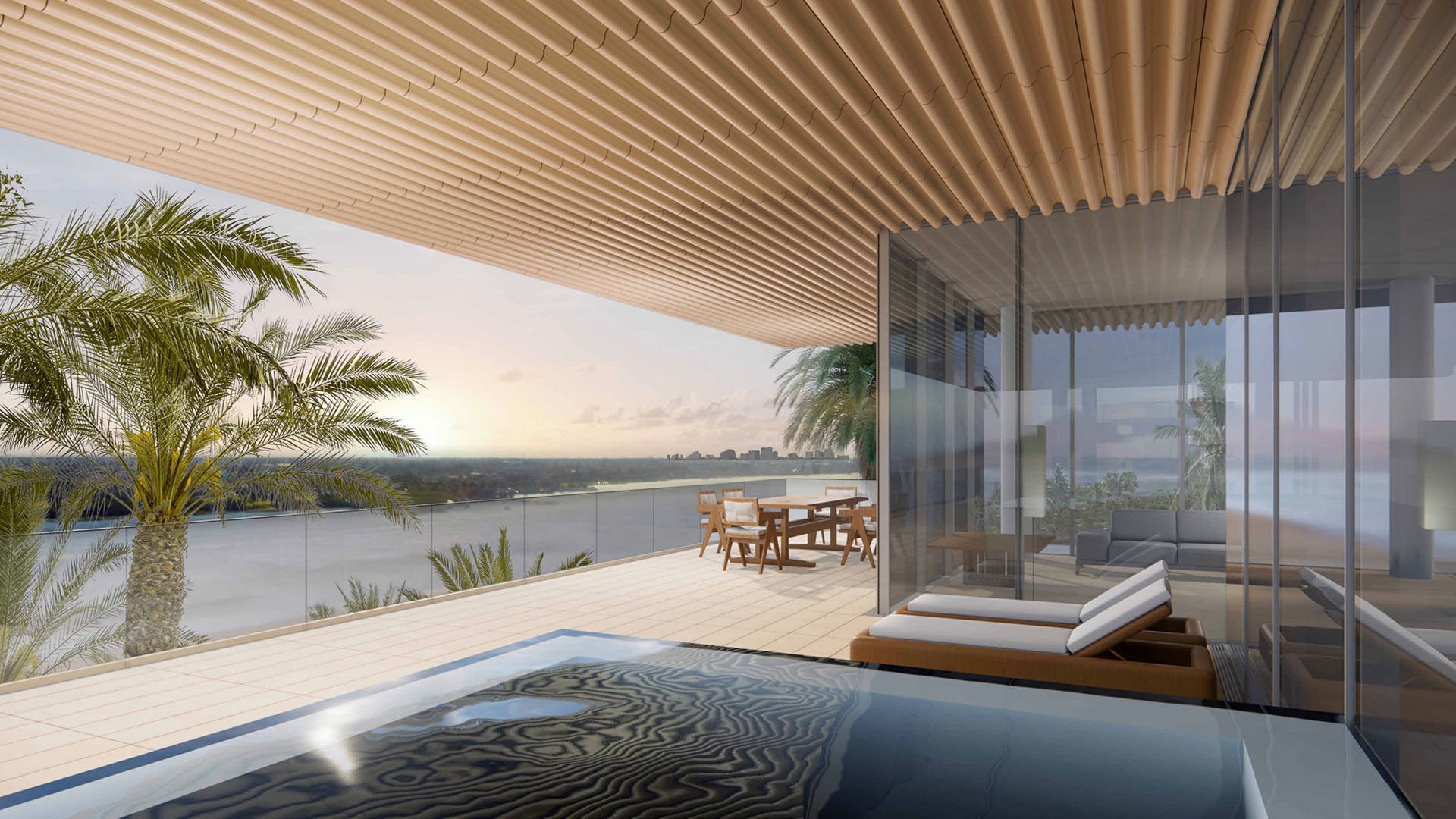
Palm Beach waterfront property is rarely a simple lifestyle acquisition. It is a purchase of light, approach, privacy, elevation, maintenance discipline, and exit strength. The water may create the emotional pull, but the investment logic sits in details that are easy to miss during a sunset showing.
For ultra-premium buyers, the first distinction is between an attractive water outlook and a durable waterfront position. One residence may photograph beautifully from a single angle while revealing compromised sightlines from the primary suite, kitchen, pool deck, or guest rooms. Another may feel quieter at first glance yet deliver a more protected daily experience because its view corridor, site plan, and building envelope work in concert.
A disciplined brief may tag priorities as Palm Beach, West Palm Beach, water views, oceanfront exposure, boat access, or new construction, but the true underwriting happens room by room and document by document. This is where sophisticated buyers separate romance from resilience.
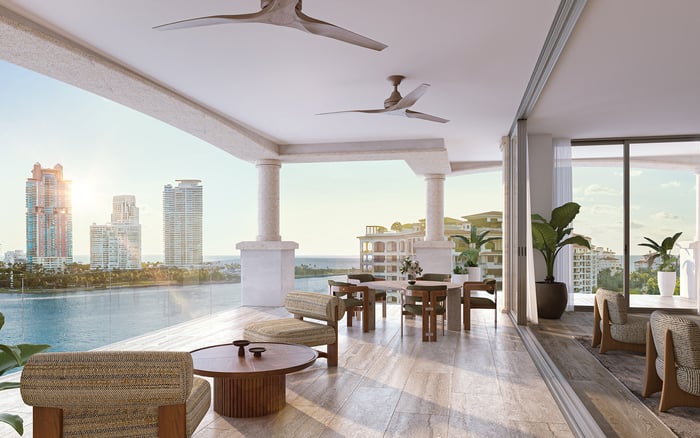
A view corridor is not simply what appears from the terrace. It is the sequence of outlooks from arrival, living room, primary bedroom, kitchen, pool edge, and outdoor dining area. In Palm Beach, where privacy and orientation often matter as much as frontage, the strongest properties create composure throughout the day.
Buyers should evaluate water views at different times whenever possible. Morning glare, afternoon reflection, nearby lighting, marine activity, landscaping, and neighboring structures can materially change the experience. A low, wide view may feel serene from seated interiors, while a higher or more angular view may perform better from terraces and entertaining spaces.
It is also important to distinguish view ownership from view enjoyment. No buyer should assume that an attractive outlook is permanent without reviewing surrounding parcels, setbacks, easements, approvals, and potential redevelopment patterns with appropriate advisers. The question is not only, “What do I see today?” It is, “What protects or threatens this composition over time?”
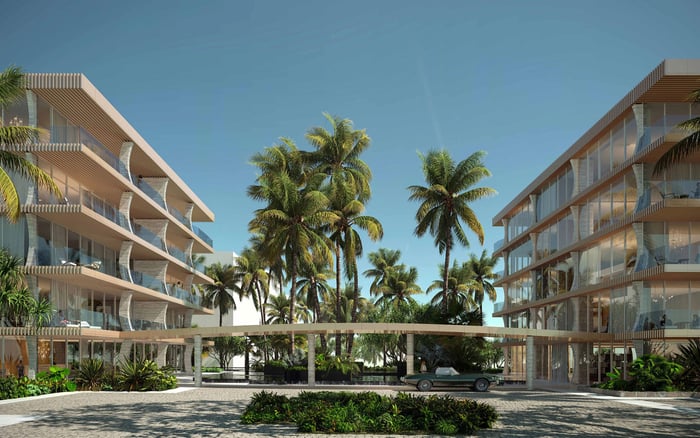
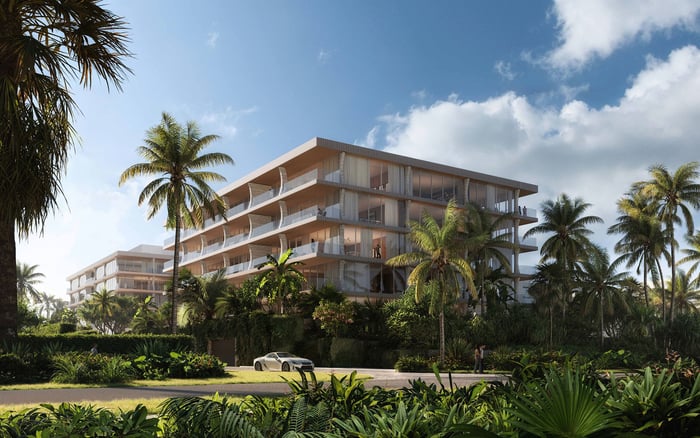
For condominium buyers considering waterfront alternatives beyond the island, Palm Beach Residences can serve as a useful reference point when comparing the convenience of managed living with the individuality of a private estate purchase.
In the luxury segment, insurance is too often treated as a closing item. That is a mistake. Waterfront exposure belongs at the beginning of the process, before negotiations become emotional and before a buyer commits to a pricing thesis that may not reflect carrying-cost realities.
The right questions are practical. What coverage is available for the property as it exists today? What exclusions, deductibles, inspections, or mitigation requirements may apply? How do the roof, openings, drainage, elevation, seawall condition, mechanical systems, and prior improvements influence the underwriting conversation? If the property is part of an association, how are master policy issues, reserves, and building-wide responsibilities addressed?
Insurance analysis should not be reduced to the premium alone. A lower annual cost may matter less if deductibles are aggressive or coverage leaves the owner exposed to material out-of-pocket risk. Conversely, a property that appears more expensive to insure may still be attractive if building standards, documentation, and maintenance culture are stronger.
For buyers comparing Palm Beach with Flagler Drive and West Palm Beach residences, Alba West Palm Beach illustrates the type of urban waterfront consideration where service, access, and building governance may weigh differently than on a single-family parcel.
The old luxury checklist emphasized frontage, ceiling height, finishes, and address. Those still matter, but waterfront buyers now place greater weight on the anatomy of the asset. Building standards have become a form of prestige because they influence comfort, risk, liquidity, and confidence.
In a single-family home, the review should include structural condition, roof age and quality, window and door systems, drainage design, generator capacity, seawall status, exterior materials, mechanical placement, and maintenance records. In a condominium, buyers should study the building envelope, reserve culture, waterproofing history, life-safety systems, balcony maintenance, parking configuration, service protocols, and association governance.
The most desirable properties do not merely look finished. They feel settled. Doors close with precision. Exterior spaces drain logically. Mechanical rooms are accessible and coherent. Landscape choices respect the marine environment rather than fighting it. The residence feels designed for the coast, not merely decorated for it.
This is one reason new and recently delivered residences can command attention. Newness alone is not a guarantee, but a well-executed modern building may offer clearer documentation, contemporary systems, and a more legible maintenance plan. Buyers considering Flagler Drive options may compare Forté on Flagler West Palm Beach with established inventory to understand how building philosophy affects the ownership experience.
Palm Beach and West Palm Beach offer different versions of waterfront living. The island is defined by discretion, residential calm, private arrival, and the intangible value of social geography. West Palm Beach brings proximity, newer residential options, cultural convenience, and a different rhythm of access.
The choice is not simply prestige versus convenience. It is a lifestyle calibration. Some buyers want the enclosed privacy of a Palm Beach address and are prepared to manage the responsibilities of a highly individual property. Others prefer the predictability of a staffed building, lock-and-leave ownership, and immediate connection to dining, offices, and aviation routes.
For this reason, view corridors and building standards should be assessed in tandem with daily life. A private dock, if relevant and properly reviewed, may be more valuable to one buyer than a staffed lobby. A full-service residence may be more practical for another buyer whose principal home is elsewhere. Shorecrest Flagler Drive West Palm Beach belongs in this comparison for buyers studying how waterfront proximity and managed ownership can intersect.
A serious offer should be built around a clear diligence calendar. Before hardening a position, buyers should assemble the right advisers: real estate counsel, insurance specialist, inspector, contractor, engineer when needed, and association document reviewer for condominium purchases. The goal is not to complicate the acquisition. It is to prevent a beautiful property from becoming an imprecise commitment.
Key diligence themes include title, surveys, elevation information, seawall and shoreline condition where applicable, permitting history, renovation records, association documents, rules affecting leasing or use, dock or boating rights when relevant, and maintenance obligations. For condominiums, buyers should understand what belongs to the unit owner, what belongs to the association, and where future capital responsibilities may arise.
A waterfront property should also be tested against the buyer’s actual pattern of use. Will the residence be occupied year-round or seasonally? Will staff manage it in absence? Is boating central or incidental? Are guests frequent? Are pets, children, art collections, automobiles, or wellness routines part of the operating profile? The best purchase is not the most universally impressive property. It is the one whose physical and administrative structure supports the owner’s life with minimal friction.
Liquidity in the high-end waterfront market is often tied to clarity. Buyers pay confidently when they understand what they are acquiring, what is protected, what must be maintained, and what can be improved. Ambiguity can be expensive.
A property with a clean view story, coherent insurance path, strong documentation, and well-maintained systems is easier to defend in negotiation and easier to present later. The opposite is also true. A residence with spectacular water frontage but unresolved building questions may attract attention, then lose momentum in diligence.
This does not mean buyers should avoid complexity. Many of the most compelling waterfront assets require thoughtful interpretation. It means complexity should be priced, documented, and managed. In the northern luxury corridor, The Ritz-Carlton Residences® Palm Beach Gardens offers another lens on branded residential expectations, service culture, and the premium placed on ease of ownership.
What is a view corridor in a waterfront purchase? It is the protected line of sight from key interior and exterior spaces. Buyers should evaluate it from multiple rooms, not only from the main terrace.
Should insurance be reviewed before making an offer? It should be reviewed as early as practical. Insurance availability, exclusions, deductibles, and mitigation issues can materially affect the ownership thesis.
Are newer waterfront buildings always better? Not automatically. Newer buildings may offer modern systems and documentation, but execution, governance, and maintenance culture still require review.
What should single-family waterfront buyers inspect closely? Roof condition, openings, drainage, mechanical placement, exterior materials, seawall condition where relevant, and renovation records deserve careful attention.
What matters most in a waterfront condominium? Building envelope, reserves, association governance, balcony and waterproofing history, parking, service standards, and master insurance structure are central.
Is a direct water view always superior? Not always. Orientation, privacy, glare, neighboring structures, and room-by-room livability can make a more nuanced view more desirable.
How should buyers compare Palm Beach with West Palm Beach? Palm Beach often emphasizes privacy and residential calm, while West Palm Beach may offer access, services, and lock-and-leave convenience.
Do boating rights need separate review? Yes. Any dock, slip, access, or marine-related right should be reviewed through documents and appropriate advisers before value is assigned.
Can building standards affect resale value? Yes. Clear documentation, strong systems, and well-managed maintenance can make a waterfront property easier to underwrite and easier to resell.
What is the most important mindset for buying waterfront? Treat the view as only one component of value. The strongest purchases balance beauty, risk control, construction quality, and lifestyle fit.
If you'd like a private walkthrough and a curated shortlist, connect with MILLION.
If branded residences are on your mind — as a home or as an allocation — we would be glad to share what we are seeing, privately.
Begin a quiet conversation