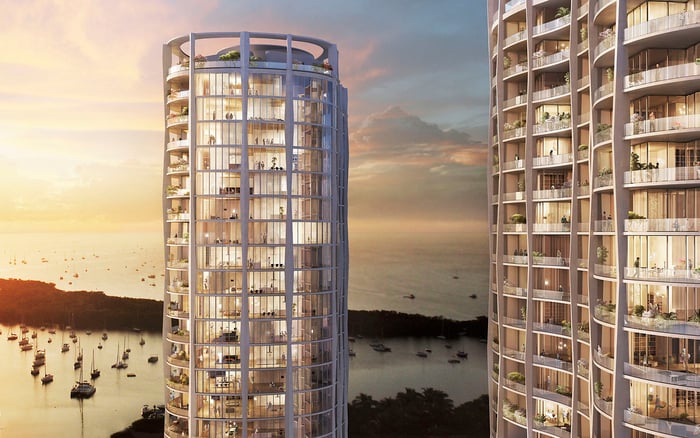
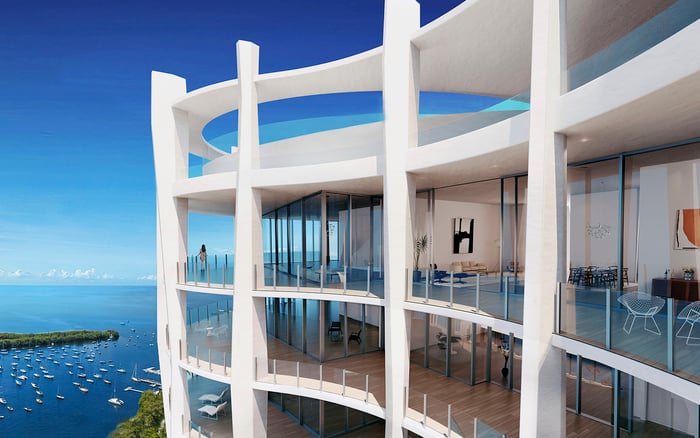
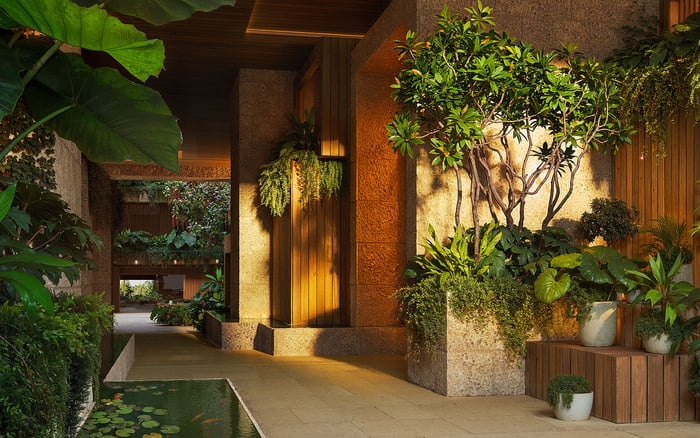
A discreet buyer’s guide to evaluating branded residences in Coconut Grove, with emphasis on service execution, price premiums, ownership costs, and resale discipline.
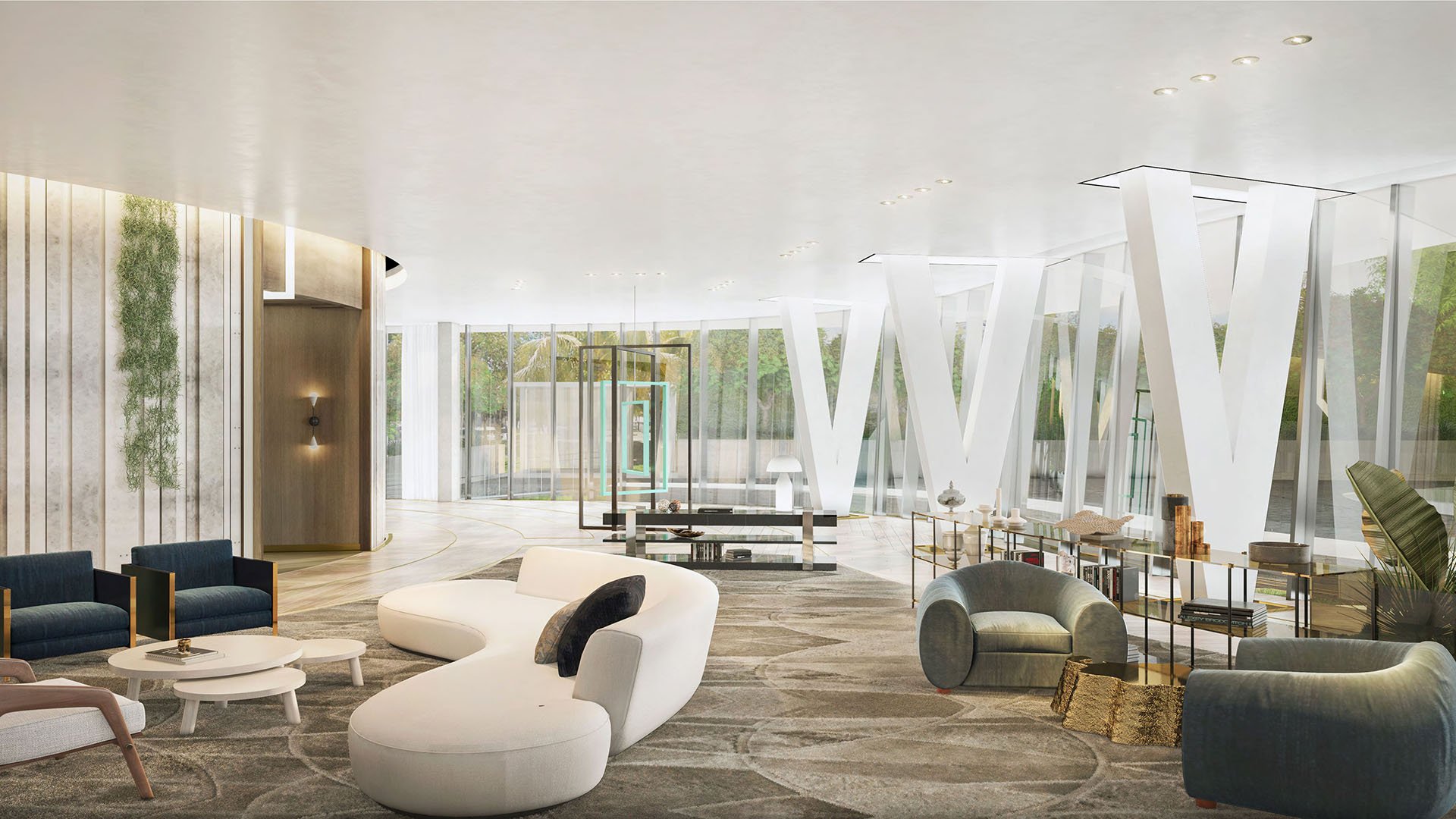
Coconut Grove has always rewarded subtlety. Its most persuasive homes feel private rather than performative: close to the water, yet buffered by canopy, restaurants, marinas, parks, and low-key village life. That is why branded residences in the Grove require a more nuanced reading than they might in a tower-driven urban district. The name on the door matters, but the daily experience matters more.
For a buyer considering Four Seasons Residences Coconut Grove, Mr. C Tigertail Coconut Grove, or The Well Coconut Grove, the central question is not simply whether a residence is branded. It is whether the brand’s operating culture aligns with the owner’s intended way of living. Some buyers prioritize polished hospitality, others want wellness infrastructure, and others value the ease of a serviced building without the atmosphere of a hotel.
Some market shorthand still refers to the neighborhood as Coconut Grove, but sophisticated buyers should think beyond the label. The Grove is not a single product type. It is a collection of waterfront, village, boutique, and estate-adjacent experiences, each with a different resale audience.
A branded residence should convert intention into consistency. That means clear procedures for arrivals, guests, package handling, maintenance requests, amenity use, privacy protocols, staffing coverage, and resident communication. In a premium building, service should feel calm and anticipatory, not theatrical.
The most important diligence is operational. Buyers should ask which services are included in regular assessments, which are à la carte, who trains the staff, how performance is monitored, and whether the brand has a continuing role after sellout. A beautiful lobby is not a service standard. A repeatable system is.
There is also a meaningful distinction between hospitality branding and lifestyle branding. Hospitality-led residences may emphasize concierge culture, food and beverage access, and arrival choreography. Wellness-led residences may frame value around fitness, recovery, programming, and healthier daily routines. Neither is inherently superior. The better fit depends on the owner’s rhythm: seasonal use, full-time living, entertaining, privacy, family needs, and tolerance for activity within the building.
Brand premiums are rarely one-dimensional. A buyer is paying for design expectations, operational oversight, perceived trust, marketing reach, and the possibility that future purchasers will recognize the concept quickly. Still, the premium should not be treated as automatic. It should be tested against floor plan quality, view durability, ceiling heights, terrace usability, parking convenience, storage, noise exposure, and the real cost of maintaining the service culture.
In Coconut Grove, the comparison set is especially important because strong non-branded buildings can create a disciplined benchmark. Park Grove Coconut Grove, for example, remains a useful point of reference for buyers who want to separate architecture, location, and residential scale from the additional layer of brand-managed service. The question is not whether branded is better than non-branded. The question is whether the specific branded premium is justified by what the buyer will use and what the next buyer will value.
Premiums can also vary by line and by lifestyle. A superior residence in a less overtly branded building may compete well against a weaker floor plan in a branded one. At the highest end, buyers are increasingly precise. They will pay for the right name, but not at the expense of light, privacy, proportion, or ease.
Resale begins on purchase day. A branded residence with an inflated entry basis, unclear fees, or narrow buyer appeal can struggle even if the name is admired. Conversely, a well-bought residence with a coherent service proposition can remain compelling because the brand gives future buyers a quick way to understand the lifestyle.
The strongest resale candidates typically share several traits: service that remains consistent after the initial sales cycle, governing documents that explain responsibilities clearly, assessments that feel aligned with the experience, and residences that do not depend on novelty. Flexible rooms, gracious terraces, practical kitchens, and privacy still matter. In the Grove, where many buyers are moving from significant single-family homes, the ability to feel residential rather than transient is critical.
Resale should also be considered against future neighborhood supply. A brand may stand out at launch, but it must keep standing out when newer offerings arrive. Buyers should evaluate whether the project’s identity is durable or merely fashionable. Durable identity comes from architecture, setting, service execution, and a resident culture that can mature elegantly.
The most productive approach is to build a personal scorecard. Start with the use case. Is the home a primary residence, a seasonal base, or a lock-and-leave pied-à-terre? Then rank the importance of service, wellness, dining access, privacy, walkability, water orientation, and building scale. A project such as Vita at Grove Isle may enter the conversation for buyers focused on a more private island-style setting, while branded Grove projects may appeal to those who want a more defined operating philosophy.
New-construction buyers should read beyond renderings. The right questions are practical: who handles special requests, how visitor access works, where service vehicles circulate, whether amenities can become congested, and how the association budget supports the promised experience. In ultra-premium real estate, inconvenience is expensive, even when it is beautifully packaged.
The Grove’s advantage is that its luxury market is not dependent on a single theme. It can absorb branded residences, boutique buildings, waterfront enclaves, and larger architectural statements because the neighborhood itself has depth. For the buyer, that creates choice. For the seller, it demands precision.
Are branded residences in Coconut Grove automatically better investments? No. The brand can support demand, but entry price, fees, layout quality, and service execution still determine long-term performance.
What should buyers review before paying a brand premium? Review the service model, association budget, brand agreement, included services, optional charges, and how the residence compares with non-branded alternatives.
Does a hospitality brand guarantee hotel-style service? Not always. The level of service depends on staffing, training, governance, and what the building documents require or permit.
Why is Coconut Grove different from Brickell or Miami Beach? The Grove is more residential and village-oriented, so buyers often value privacy, greenery, scale, and calm as much as visible branding.
How important are monthly costs in resale? Very important. High service levels require funding, and future buyers will weigh the quality of the experience against the ongoing cost.
Should buyers compare branded and non-branded buildings? Yes. A disciplined comparison helps isolate whether the premium is tied to real lifestyle value or simply to name recognition.
Can wellness branding help resale? It can, if the programming is credible, well maintained, and relevant to daily living rather than treated as a passing amenity trend.
What matters most for seasonal owners? Lock-and-leave convenience, reliable staff communication, security procedures, maintenance support, and ease of arrival are central considerations.
Is resale stronger for larger residences? Size can help, but proportion, privacy, outdoor space, views, and efficient planning are often more important than square footage alone.
How should buyers choose between Grove projects? Match the building’s operating culture to your lifestyle, then test the price against layout quality, ownership costs, and long-term appeal.
For a confidential assessment and a building-by-building shortlist, connect with MILLION.
If branded residences are on your mind — as a home or as an allocation — we would be glad to share what we are seeing, privately.
Begin a quiet conversation