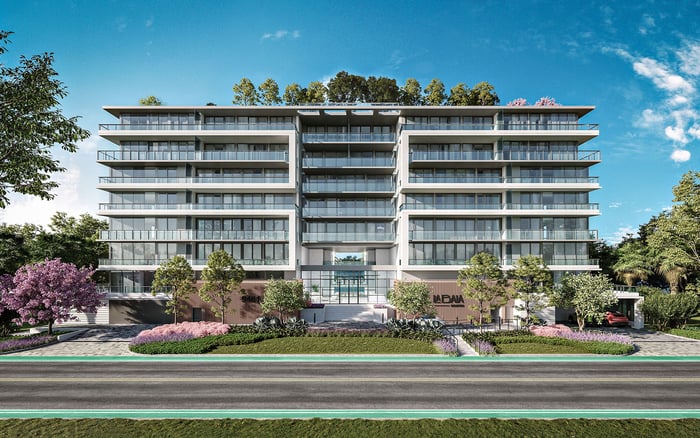
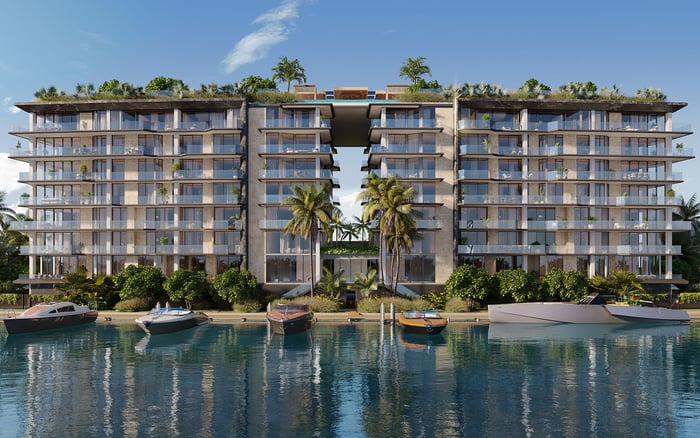
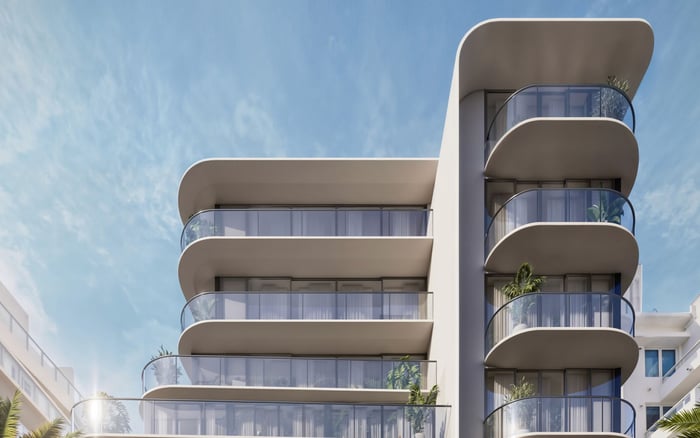
In Bay Harbor Islands, scarcity is not a marketing angle. It is the organizing principle. The village’s most coveted waterfront addresses tend to be intentionally small, with resident profiles that favor privacy, walkability, and lock-and-leave ease over spectacle. This editorial looks at six boutique waterfront condo buildings under fifty units in Bay Harbor Islands. With limited verified specifics available here, the focus is on what discerning buyers typically value in this micro-market: quiet arrival sequences, clean sightlines to the water, sensible amenity programming, and a level of neighbor selectivity that larger towers rarely replicate.
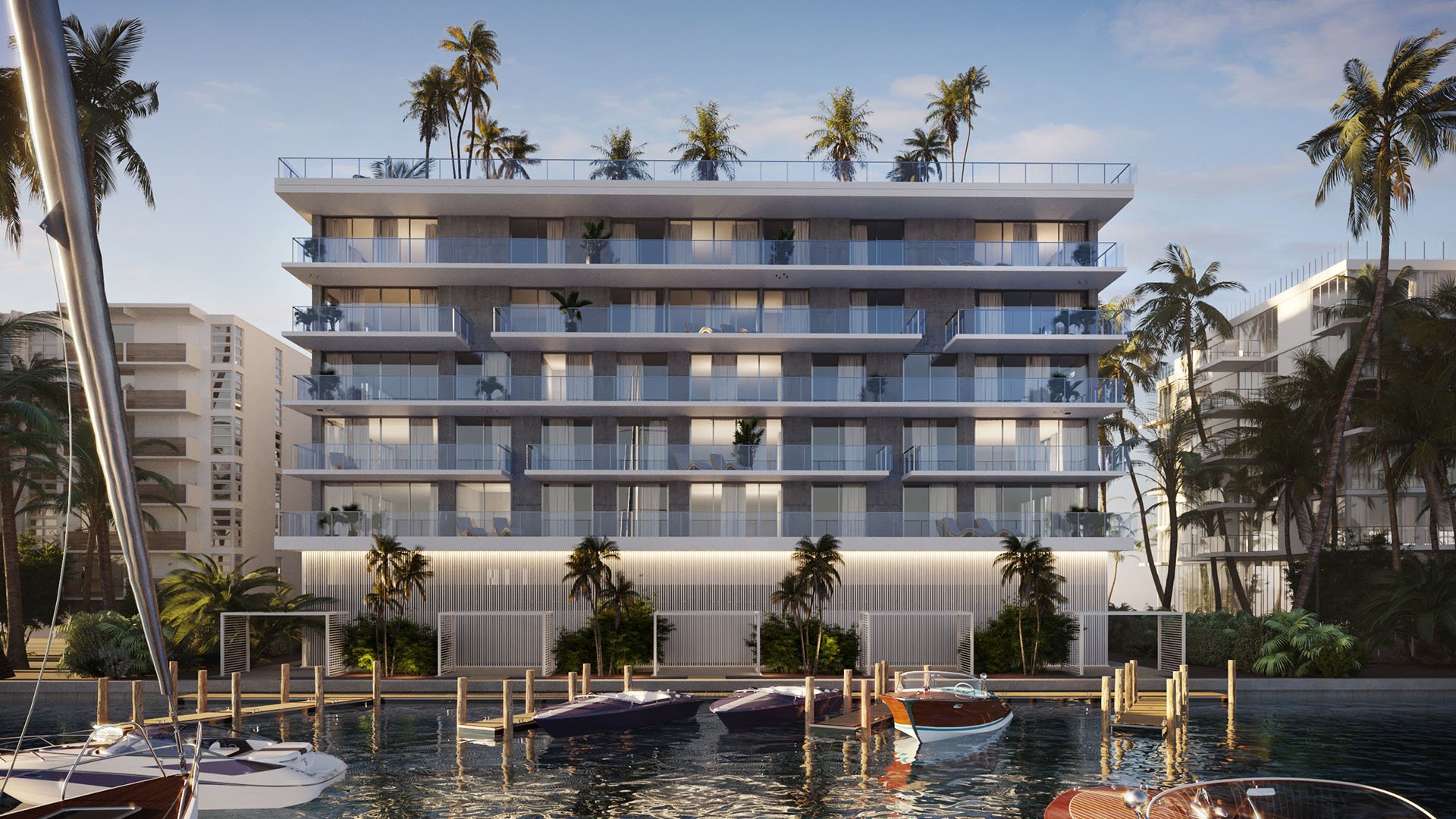
Bay Harbor Islands sits in a sweet spot for South Florida buyers who want waterfront serenity with immediate access to the broader Miami Beach orbit. The appeal is understated: tree-lined streets, a residential rhythm, and bayside horizons that feel removed from the mainland’s tempo. For many second-home owners and primary residents alike, the village reads as intentionally edited.
In practice, boutique waterfront living under fifty units tends to deliver three concrete advantages. First is discretion: fewer residents, fewer guests, and fewer vendor touchpoints. Second is governance: in a smaller association, each owner’s vote and voice carries more weight-often a deciding factor when budgets, renovations, or rule changes are on the agenda. Third is a lifestyle that’s easier to tailor, from arrival and parking routines to how the building handles marina access and deliveries.
For buyers comparing Bay Harbor options, keep one distinction in mind: “waterfront” can mean direct bayfront exposure, a canal setting with boat access, or simple proximity to the water without unobstructed views. The right fit depends on whether your priority is panorama, boating logistics, or day-to-day quiet.
The most important thing to understand about an under-fifty-unit building is that it is not a scaled-down version of a tower. It is a different product. Economics, staffing, amenity choices, and even neighbor dynamics change when only a few dozen households share the same waterfront edge.
1. Bayfront boutique condo - direct water orientation
A true bayfront building is defined by exposure and sound: open-water views, shifting light, and a sense of separation from traffic. In a boutique format, bayfront living can feel almost residential-especially when the lobby and common areas are compact and quiet.
When you tour, prioritize view corridors from primary rooms, balcony depth, and how much of the bay is actually visible once you factor in railings, neighboring buildings, and mangroves.
2. Canal-front residence - boating-first practicality
Canal-front boutique buildings can suit owners who want water access with a more sheltered feel. The tradeoff is often between cinematic bay views and the convenience of protected docking. If boating matters, ask direct questions about slips, waiting lists, seawall condition, and how the association manages maintenance.
Under fifty units, marina decisions can become highly personal. The building’s rules-and the resident culture around them-may matter as much as the physical infrastructure.
3. Low-rise modern waterfront - new-build sensibility
In Bay Harbor, the boutique conversation increasingly includes newer, design-forward properties that emphasize clean lines, higher glazing, and a more contemporary lifestyle package. Buyers who prefer modern planning often gravitate to these projects for quieter mechanical systems, more current code standards, and simplified amenity sets.
If you want a reference point for the new-construction tone in the village, Onda Bay Harbor captures the modern, curated approach that has helped reframe Bay Harbor’s waterfront identity.
4. Classic waterfront cooperative-style living - community and continuity
Some boutique buildings lean traditional, with long-tenured ownership and a steadier resale cadence. The advantage can be stability: fewer short-term decisions, a consistent sense of place, and residents who have lived with the building long enough to know what truly matters.
Buyers should be especially diligent about financial health, long-term maintenance planning, and how the association approaches capital projects. In a smaller building, timing and execution can feel immediate.
5. Boutique wellness-forward waterfront - lifestyle as a core amenity
A growing segment of luxury buyers prioritizes wellness not as an add-on, but as the organizing theme: air quality, natural materials, thoughtful fitness, and calmer shared spaces. In boutique form, this can translate into an atmosphere that feels more private club than condo tower.
For a wellness-oriented lens in Bay Harbor, The Well Bay Harbor Islands is a useful benchmark for buyers who want their home to support a more intentional daily rhythm.
6. Under-the-radar waterfront address - value in discretion
The final category is the one most buyers find only after multiple visits: the building that doesn’t announce itself, yet quietly delivers the essentials. It’s a form of luxury that’s felt rather than displayed.
When evaluating under-the-radar options, focus on fundamentals: elevator-to-residence privacy, noise transfer, storage, parking, and how the building’s waterfront edge is experienced at ground level.
In a boutique building, the resident experience is shaped less by grand amenities and more by frictionless routines. The best ones feel quietly efficient: effortless arrival, secure package handling, intuitive parking, and a calm transition from car to home.
Service is different, too. Staffing may be leaner than in a large Miami Beach tower, which can be a benefit if you prefer less activity in common areas. But it also raises the stakes on vendor quality, preventive maintenance, and an association that is engaged and decisive.
Power dynamics shift as well. With fewer owners, you may have more influence over budgets and policies-but you may also feel disagreements more directly. Buyers who value control often thrive here. Buyers who prefer decisions absorbed by a larger system may not.
Waterfront real estate is not just a view. It’s an operating environment. Salt air, humidity, and the physics of a shoreline add layers of responsibility for both the building and the individual owner.
Start with the waterfront interface. If the building offers boat-slip access, understand how slips are assigned, insured, and maintained, and whether there are restrictions on vessel size and use. Ask how often seawalls are inspected and what the long-range plan is for repairs.
Then evaluate the building’s envelope and mechanical systems. Boutique buildings can be excellent stewards of maintenance, but they can also be vulnerable if a small ownership base delays major projects. Review reserves, recent upgrades, and the cadence of special assessments.
Finally, validate livability. In smaller buildings, details like corridor acoustics, elevator reliability, guest parking, and storage can matter more than a rooftop bar ever will. The goal isn’t maximum amenity count-it’s maximum ease.
Many buyers shop Bay Harbor alongside Bal-harbour, Surfside, and select Miami Beach neighborhoods. The difference is often emotional: Bay Harbor can feel calmer and more residential, while still remaining close to high-end dining, retail, and beach access.
If you want a point of comparison for ultra-boutique scale nearby, Arte Surfside shows how a small resident roster can translate into a highly controlled, gallery-like environment. For a more oceanfront, resort-forward sensibility in the adjacent corridor, Ocean House Surfside is a useful counterpoint when you’re deciding between bayfront tranquility and the immediacy of the Atlantic.
This is where many second-home buyers land: Bay Harbor for day-to-day calm, with the option to be at the beach, the shops, or a dinner reservation in minutes.
Boutique waterfront buildings under fifty units tend to suit buyers who value discretion, predictable routines, and neighbor selectivity. They often work well for those who travel frequently, prefer a quieter social environment, or simply don’t need the scale of a full-service tower.
But the format isn’t universal. If you want constant on-site programming, multiple dining venues, or expansive common areas, boutique may feel too minimal. If you want anonymity in a large crowd, boutique may feel too personal. The right choice depends on how you define luxury: as access, or as absence.
What does “boutique” mean in Bay Harbor Islands condos? It typically means a smaller building with fewer residences, a quieter feel, and a more intimate ownership community.
Why do buyers seek buildings under fifty units? Fewer units can translate into more privacy, less elevator traffic, and more influence over association decisions.
Is “waterfront” always the same as “bayfront”? No. Waterfront can include canals and interior waterways, while bayfront generally implies direct open-water exposure.
How important is boat-slip availability for value? If you boat, slips can be a defining amenity; if you do not, prioritize views, noise levels, and shoreline upkeep instead.
What should I review first in a boutique building’s finances? Look at reserves, recent major repairs, and whether the association has a clear plan for long-term maintenance.
Do boutique buildings usually have full-time staff? Some do, but many operate with lean staffing; ask how packages, security, and maintenance are handled day to day.
Are boutique buildings better for second homes? Often yes, because they can offer lock-and-leave simplicity, especially when rules and operations are well managed.
What lifestyle tradeoff comes with fewer amenities? You may gain quiet and privacy but give up large-scale features like extensive lounges, multiple pools, or on-site dining.
How do I compare Bay Harbor to Bal-harbour or Surfside? Bay Harbor tends to feel more residential and calm, while nearby areas may offer more beach-forward or resort-like living.
What is the biggest risk in a small association? Major repairs can feel more concentrated per owner, so proactive maintenance planning and healthy reserves matter.
If you'd like a private walkthrough and a curated shortlist, connect with MILLION Luxury.
If branded residences are on your mind — as a home or as an allocation — we would be glad to share what we are seeing, privately.
Begin a quiet conversation