A discreet buyer’s guide to understanding Fort Lauderdale luxury condo fees through the lenses of marina exposure, beach proximity, service expectations, and building age.
In Fort Lauderdale, a luxury condominium fee is rarely just a monthly operating charge. It is the financial expression of a building’s lifestyle promise: its staffing model, maintenance philosophy, service standards, and the complexity of its physical setting. For buyers accustomed to weighing square footage, views, and finishes, the more revealing question is often quieter: what, exactly, is the association designed to maintain?
A residence near the Intracoastal, the beach, or a marina carries a different ownership rhythm than a conventional urban condominium. Salt air, waterfront amenities, building systems, exterior exposure, insurance considerations, staffing, security, common-area care, and long-term capital planning all shape how fees should be read. A higher fee is not automatically inefficient. A lower fee is not automatically prudent. The sharper lens is alignment.
That is why buyers looking at Fort Lauderdale inventory often compare buildings by setting and operating style, not only by price. A residence at St. Regis® Residences Bahia Mar Fort Lauderdale may sit within a very different decision framework than a boutique riverfront or inland option. The fee discussion should follow the real estate, not the other way around.
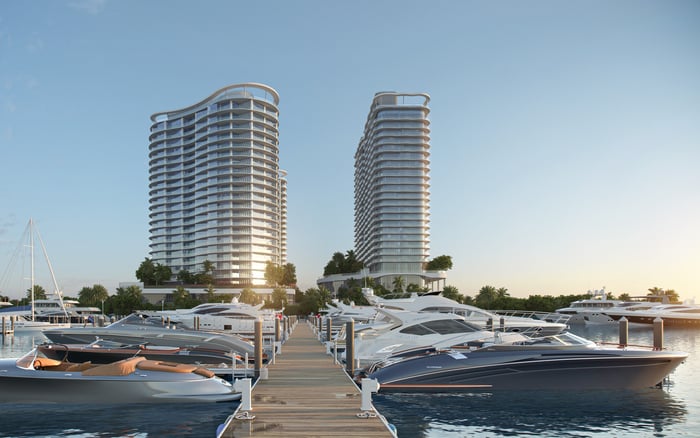
Marina-oriented living is one of Fort Lauderdale’s defining luxury narratives, but it deserves a careful financial reading. Where a building’s identity intersects with boating, water access, dockage adjacency, yacht services, or marina-facing common areas, the association’s responsibilities may become more specialized. Even when a residence does not include a private slip, the surrounding environment can shape the building’s maintenance profile and service expectations.
A buyer should ask what is included, what is separately billed, what is owned by the association, and what is governed by another entity. Marina-adjacent ownership can involve multiple layers of responsibility, and the most elegant buildings tend to clarify those boundaries before closing. The goal is not to avoid complexity. The goal is to understand who pays for what, when, and under whose authority.
For many high-net-worth buyers, marina proximity is less about convenience alone and more about identity. It is the ability to move between residence, vessel, club, restaurant, and airport with minimal friction. That lifestyle carries operational requirements. Staffing, security, access control, lighting, valet flow, waterside hardscape, landscaping, and exterior cleaning may all be part of the fee conversation.
When reviewing a building such as Riva Residenze Fort Lauderdale, buyers should look beyond the monthly number and study the building’s operating documents, reserve posture, and rules around waterfront use. The more specific the lifestyle, the more specific the diligence should be.
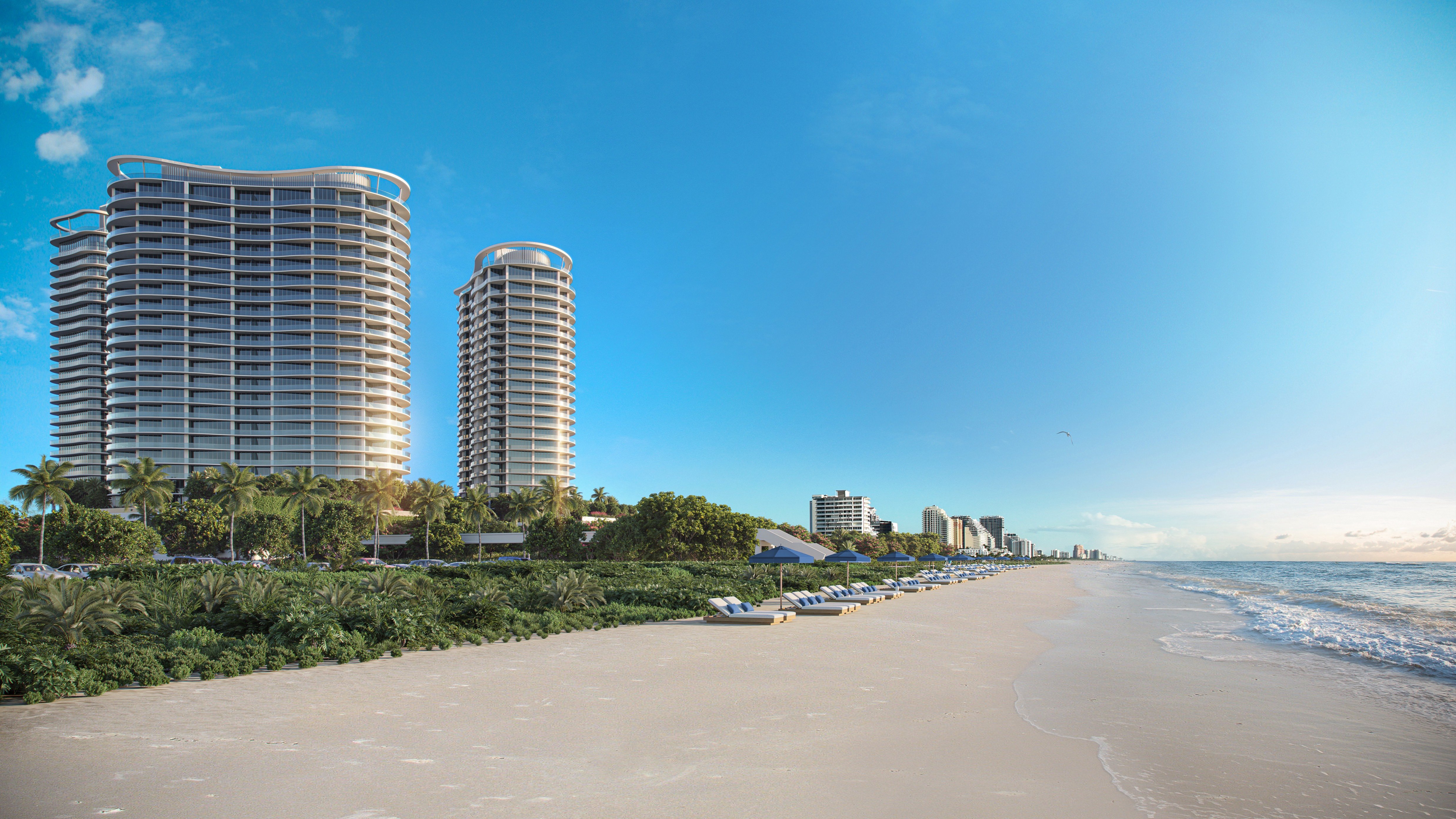
Beach-oriented buildings carry a different kind of intensity. The attraction is immediate: open air, resort cadence, wellness routines, and direct access to one of South Florida’s most enduring luxury amenities. Yet the same elements that make beach living desirable also place steady demands on a building.
Salt, humidity, wind, sand, and sun are not abstract conditions. They shape exterior care, window and door performance, pool deck maintenance, landscaping, mechanical systems, lobby finishes, terrace upkeep, and the useful life of exposed materials. A refined building anticipates these realities rather than reacting to them.
This is where fee comparisons can mislead. A beach-adjacent building with disciplined maintenance, attentive staffing, and consistent reinvestment may appear expensive beside a leaner building, but the comparison may not be equal. Buyers should ask whether the fee supports the level of polish they expect every day. In true luxury, the experience feels calm because the operation behind it is not.
Properties such as Four Seasons Hotel & Private Residences Fort Lauderdale naturally invite buyers to consider hospitality, service continuity, and the relationship between private residential ownership and amenity-rich environments. The key question is not whether services are desirable. It is whether the building’s budget and governance are structured to preserve them over time.
Building age is one of the most nuanced elements in the fee conversation. New-construction can offer contemporary design, newer systems, current amenity planning, and modern expectations around wellness, parking, access, and technology. It can also bring a period of transition as the building moves from developer control into long-term association governance.
Resale buildings may offer established operations, known expense histories, and a clearer view of how an association manages repairs and reserves. They may also carry future capital needs that deserve close attention. The best older buildings are not necessarily those with the lowest fees. They are the ones with a culture of stewardship.
For a buyer, the question is not simply new versus existing. It is whether the fee matches the building’s real condition. Are common areas being maintained at the level promised by the address? Are building systems being monitored? Are reserves being treated as a strategic asset? Are owners aligned on the standard they want to preserve?
A buyer comparing The Ritz-Carlton Residences® Fort Lauderdale with another established or emerging address should evaluate not only brand, view, and amenities, but also how the association or future association is likely to carry the building through years of use. In South Florida, time is not the enemy of a building. Deferred attention is.
The most useful comparison begins with a simple question: what lifestyle is the fee funding? A marina-focused building, a beachfront tower, a hotel-branded residence, and a quieter boutique address can each be rational at different fee levels. The number matters, but the operating model matters more.
Buyers should request the budget, reserve information, insurance overview, recent meeting materials, rules and regulations, and any available capital planning information. Legal and financial advisors should review these materials before a final decision. The objective is not to find perfection. It is to understand the association’s habits, obligations, and risk posture.
A practical file might label priorities as Fort Lauderdale for location, marina for dockage exposure, beach access for walkability, oceanfront exposure for salt-front living, new construction for current systems, and resale for existing-building diligence. This framework keeps the conversation disciplined, especially when the emotional appeal of a view is strong.
The most polished purchases occur when lifestyle and governance agree. A buyer who wants white-glove convenience should expect the budget to support staffing and service. A buyer who prefers privacy and lower operating intensity may prefer fewer shared amenities. Neither approach is inherently better. The right answer is the one that matches how the owner actually intends to live.
Before focusing on the monthly figure, review what the fee includes and excludes. Utilities, parking, valet, storage, cable, internet, reserves, staffing, amenity maintenance, insurance components, and special-use facilities can vary by building. The headline number is meaningful only after the inclusions are clear.
Then study the building’s physical environment. Does the property face heavy salt exposure? Are exterior elements extensive? Are there pools, fitness areas, lounges, guest suites, dining spaces, spa components, private elevators, or staffed entries? Each amenity has a cost, and each cost should be tied to a lifestyle benefit.
Finally, consider the culture of ownership. Luxury condominiums are shared enterprises. The most successful buildings tend to have owners who understand that preserving value requires consistent care. A building can have spectacular architecture and still disappoint if governance is reactive. Conversely, a quieter building can feel exceptional when owners and management are aligned.
Are higher condo fees always a negative in Fort Lauderdale? No. A higher fee may reflect staffing, amenities, reserve discipline, waterfront maintenance, or service expectations that support the property’s long-term value.
Why do marina-oriented buildings require special diligence? Marina settings can involve water access, dockage-related rules, access control, exterior care, and layered responsibilities that should be understood before closing.
How does beach proximity affect condo fees? Beach proximity can increase exposure to salt, humidity, wind, sand, and sun, which may influence maintenance, staffing, and capital planning.
Is new construction always more efficient to own? Not necessarily. New buildings may have newer systems, but buyers should still review budgets, transition issues, service levels, and future operating assumptions.
Can a resale building be a better value? Yes, if it has strong governance, appropriate reserves, consistent maintenance, and a fee structure that matches the building’s condition and lifestyle.
What documents should a buyer review before purchasing? Buyers should review budgets, reserves, rules, insurance information, meeting materials, and any available capital planning documents with qualified advisors.
Do branded residences usually have different fee structures? They can, especially when service, hospitality, amenities, or shared operating components are central to the residential experience.
Should buyers compare fees by square foot only? Square-foot comparisons can be useful, but they should not replace a review of inclusions, amenities, staffing, reserves, and building condition.
What is the most overlooked fee consideration? Governance culture is often overlooked. The way owners fund, maintain, and plan for a building can be as important as the physical structure.
How should a buyer choose between marina, beach, and urban settings? Start with daily lifestyle, then match the fee structure to the operating realities of that setting and the level of service desired.
To compare the best-fit options with clarity, connect with MILLION.
If branded residences are on your mind — as a home or as an allocation — we would be glad to share what we are seeing, privately.
Begin a quiet conversation