A brand-led comparison of two West Palm Beach residential concepts, examining whether Banyan Tree’s wellness-rooted resort sensibility or Mr. C’s intimate urban hospitality better suits the way affluent buyers want to live now.
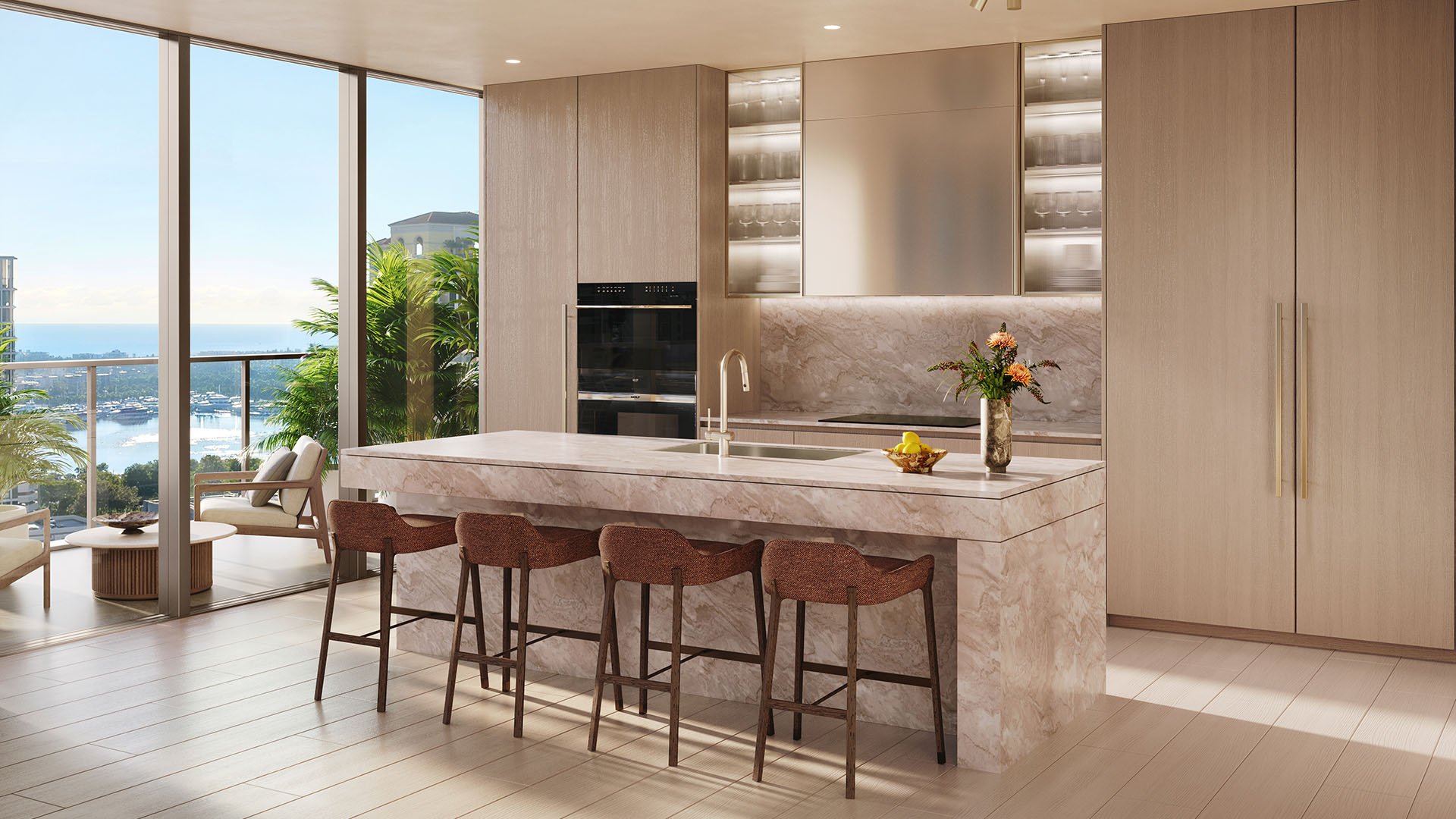
In West Palm Beach, the most interesting branded-residence decisions are no longer purely architectural or even amenity-driven. They are increasingly emotional decisions about atmosphere, service culture, and the kind of daily life ownership is meant to deliver. That is what makes Banyan Tree Residences West Palm Beach and Mr. C Residences West Palm Beach such a compelling pairing.
On paper, both belong to the same broader movement: branded residences designed around hotel-caliber service, privacy, and an elevated sense of care. In practice, however, they express two distinct hospitality moods. Banyan Tree arrives with a luxury identity shaped by resort living and wellness. Mr. C arrives with a sensibility shaped by European hospitality, intimate service, and a more urban social polish.
For the South Florida buyer considering West Palm Beach as either a primary residence or an elegant second-home base, the distinction matters. One proposition feels more like a private retreat, with service wrapped around restoration. The other feels more like living within a refined boutique-hotel mindset, where warmth, sociability, and personalized attention define the tone.
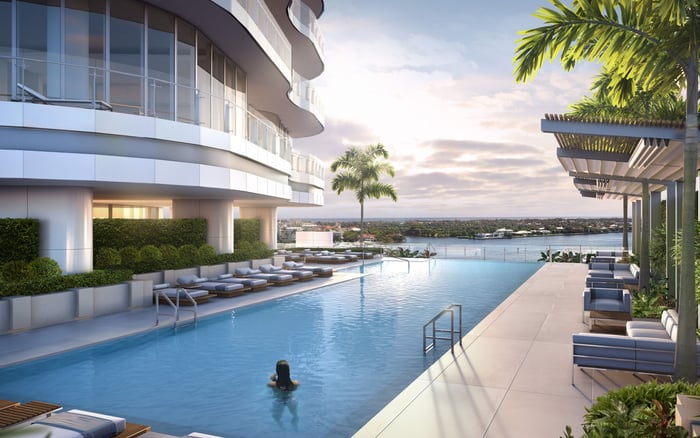
Banyan Tree’s residential platform extends a hospitality brand long associated with luxury resorts and wellness-oriented living. That brand DNA is the key to understanding its appeal. The company’s residential concept is not framed like a conventional condominium with amenities attached. It is framed as hotel-style living, with curated support, concierge-led assistance, and a service standard that draws from a resort portfolio built around calm, privacy, and renewal.
For certain buyers, that distinction is decisive. Resort-flavored service is not simply about a beautiful pool deck or a spa-adjacent aesthetic. It is about the sense that the home is managed with a quieter, more restorative rhythm. The promise is serenity rather than buzz, discretion rather than theatricality, and a lifestyle that prioritizes ease.
That places Banyan Tree in conversation with the broader wellness-leaning side of South Florida luxury. In West Palm Beach, that retreat-oriented point of view complements nearby branded and service-led residential offerings, including Alba West Palm Beach and The Ritz-Carlton Residences® West Palm Beach.
The result is a proposition that feels especially natural for owners who want home to function as an exhale. If your ideal branded residence suggests restoration, quiet service rituals, and a hospitality environment inspired by resorts rather than city hotels, Banyan Tree has the clearer brand alignment.
Mr. C comes from a different tradition altogether. The brand is built around a hospitality language that blends European refinement with contemporary city living. Its residential offering is explicitly hospitality-driven, which means service is not an accessory to the real estate. It is part of the home’s identity.
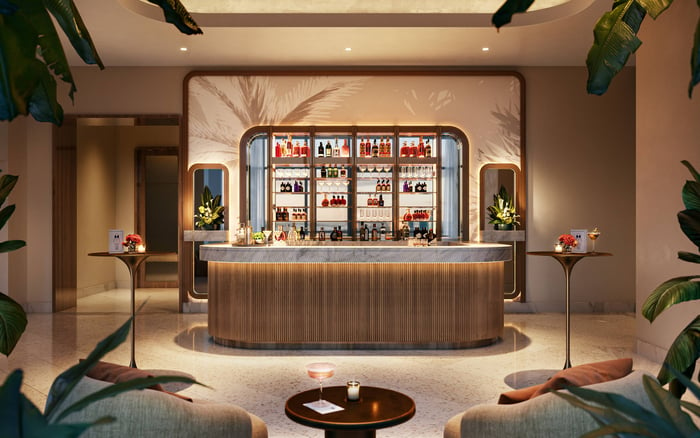
Where Banyan Tree suggests retreat, Mr. C suggests poise. Its appeal is less about destination-spa escapism and more about personalized attention, cultivated ease, and an atmosphere that feels warmly polished rather than ceremonially hushed. The experience is intimate, not anonymous. It carries the tone of a club-like urban residence, where graciousness and style are meant to feel lived in.
That positioning resonates with buyers who prefer branded homes that feel socially intelligent rather than overtly resort-centric. In a South Florida context, that makes Mr. C a natural point of comparison not only within West Palm Beach but also among service-led residential concepts such as Forté on Flagler West Palm Beach and Shorecrest Flagler Drive West Palm Beach.
In West Palm Beach, Mr. C’s identity is especially compelling for buyers who want service to feel deeply personal but never clinical. It is the better fit for residents who imagine entertaining, arriving, departing, and moving through the day with the soft choreography of a well-run boutique hotel.
The simplest way to understand this comparison is to set aside the typical condo checklist for a moment. The better question is: what kind of care do you want built into your ownership experience?
Banyan Tree is more naturally aligned with retreat, restoration, privacy, and wellness-oriented lifestyle management. It speaks to the buyer who wants home to feel buffered from noise and who values the idea that service should lower the temperature of daily life.
Mr. C is more naturally aligned with sociability, polished service, refined style, and a cosmopolitan residential feel. It speaks to the buyer who wants home to feel elegant but animated, discreet but warm, and unmistakably tied to a hospitality tradition centered on people as much as place.
This is also why the comparison has become so resonant across Palm Beach County. Today’s branded residences are not simply selling finishes or views. They are selling an operating philosophy. In West Palm Beach, where luxury inventory increasingly competes on nuance, service culture becomes part of the architecture.
Banyan Tree and Mr. C both belong to the category of residences shaped by hospitality identity. They simply interpret it through different moods.
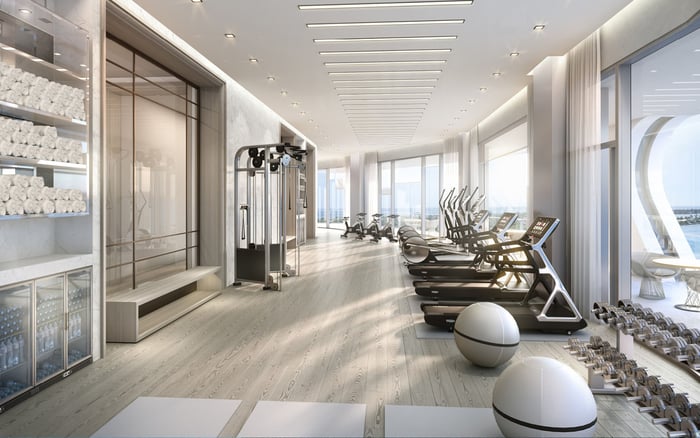
For a primary resident who wants a home that counterbalances a fast-moving schedule, Banyan Tree likely feels more intuitive. Its heritage points toward a private, restorative experience, with wellness as an organizing principle rather than an add-on. The buyer profile here is often less interested in social theater and more interested in equilibrium.
For a second-home purchaser, pied-à-terre owner, or global buyer who prefers the emotional texture of a classic hotel arrival, Mr. C may feel more magnetic. Its warmth is urban rather than retreat-like, and its sophistication comes from intimacy instead of seclusion.
Neither is inherently superior. Each is precise. The question is whether luxury, to you, means stepping away or being beautifully received.
That distinction will continue to shape the next chapter of branded living across South Florida. As the category matures, the most meaningful differences are likely to be less about brochure language and more about hospitality character. In that respect, Banyan Tree and Mr. C stand as two notably clear expressions of where the market is heading.
If resort-flavored service is the deciding factor, Banyan Tree is the stronger match. Its identity is rooted in wellness, serenity, and the idea that ownership should feel supported by a restorative hospitality framework.
If urban hospitality warmth is the priority, Mr. C is the stronger match. Its identity is rooted in intimate service, refined sociability, and a polished residential atmosphere that feels closer to a gracious city hotel than a secluded retreat.
For discerning buyers in West Palm Beach, that makes this less a competition of amenities and more a choice of tempo. Banyan Tree is for exhale. Mr. C is for glow.
What is the core difference between Banyan Tree Residences West Palm Beach and Mr. C Residences West Palm Beach? Banyan Tree is framed around resort-style serenity and wellness, while Mr. C is framed around intimate, urban hospitality and personalized warmth.
Which project better fits a buyer seeking resort-flavored service? Banyan Tree is the clearer match for buyers who prioritize retreat, restoration, and a service environment inspired by luxury resort living.
Which project better fits a buyer seeking urban hospitality warmth? Mr. C is the more natural fit for buyers who want polished service, sociability, and a cosmopolitan residential atmosphere.
Are both projects considered branded residences? Yes. Both sit within the branded-residences category, where ownership is paired with a defined hospitality identity and service culture.
Does Banyan Tree emphasize wellness as part of its residential proposition? Yes. Wellness is central to Banyan Tree’s broader brand positioning and is one of the clearest differentiators in this comparison.
Is Mr. C’s concept more hotel-like than condo-like? In spirit, yes. Mr. C presents a hospitality-driven residential experience in which service and atmosphere are central to the identity.
Which brand feels more private and retreat-oriented? Banyan Tree generally reads as the more serene and retreat-oriented proposition because its hospitality DNA is rooted in resort living.
Which brand feels more social and cosmopolitan? Mr. C generally reads as the more social and cosmopolitan proposition because its hospitality DNA is rooted in urban luxury.
Should buyers focus more on service culture than amenity checklists here? Yes. The strongest distinction between these two brands is not a list of features but the mood and philosophy of the ownership experience.
Why does this comparison matter in today’s luxury market? Because high-end buyers increasingly expect residences to deliver hotel-caliber service, and the most important differentiator is often how that service feels day to day.
When you're ready to tour or underwrite the options, connect with MILLION.
If branded residences are on your mind — as a home or as an allocation — we would be glad to share what we are seeing, privately.
Begin a quiet conversation