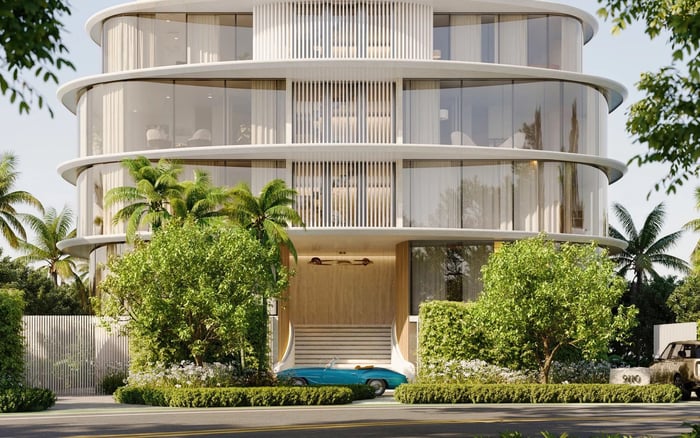
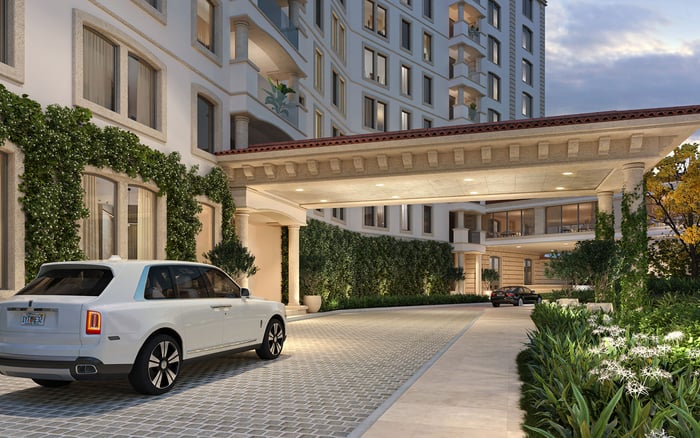
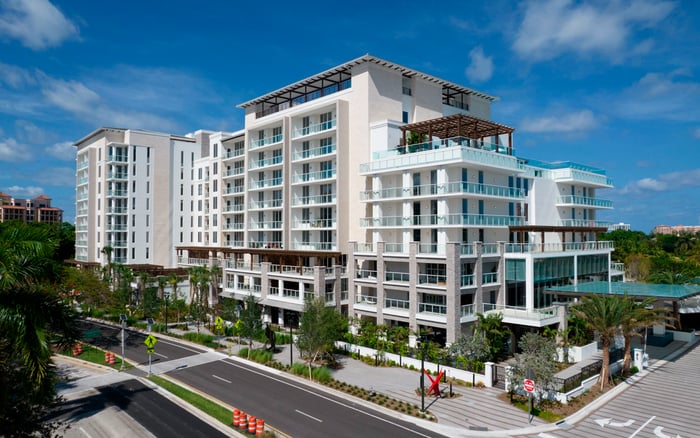
For South Florida buyers planning to live in their residence year-round, a tower’s resident mix can shape daily life as decisively as architecture, views, or finish level. Owner-occupancy influences financing, reserve culture, board governance, amenity wear, and the overall rhythm of the building. In many luxury markets, the most satisfying full-time ownership experience often comes from communities designed less like rotating inventory and more like a long-term address.
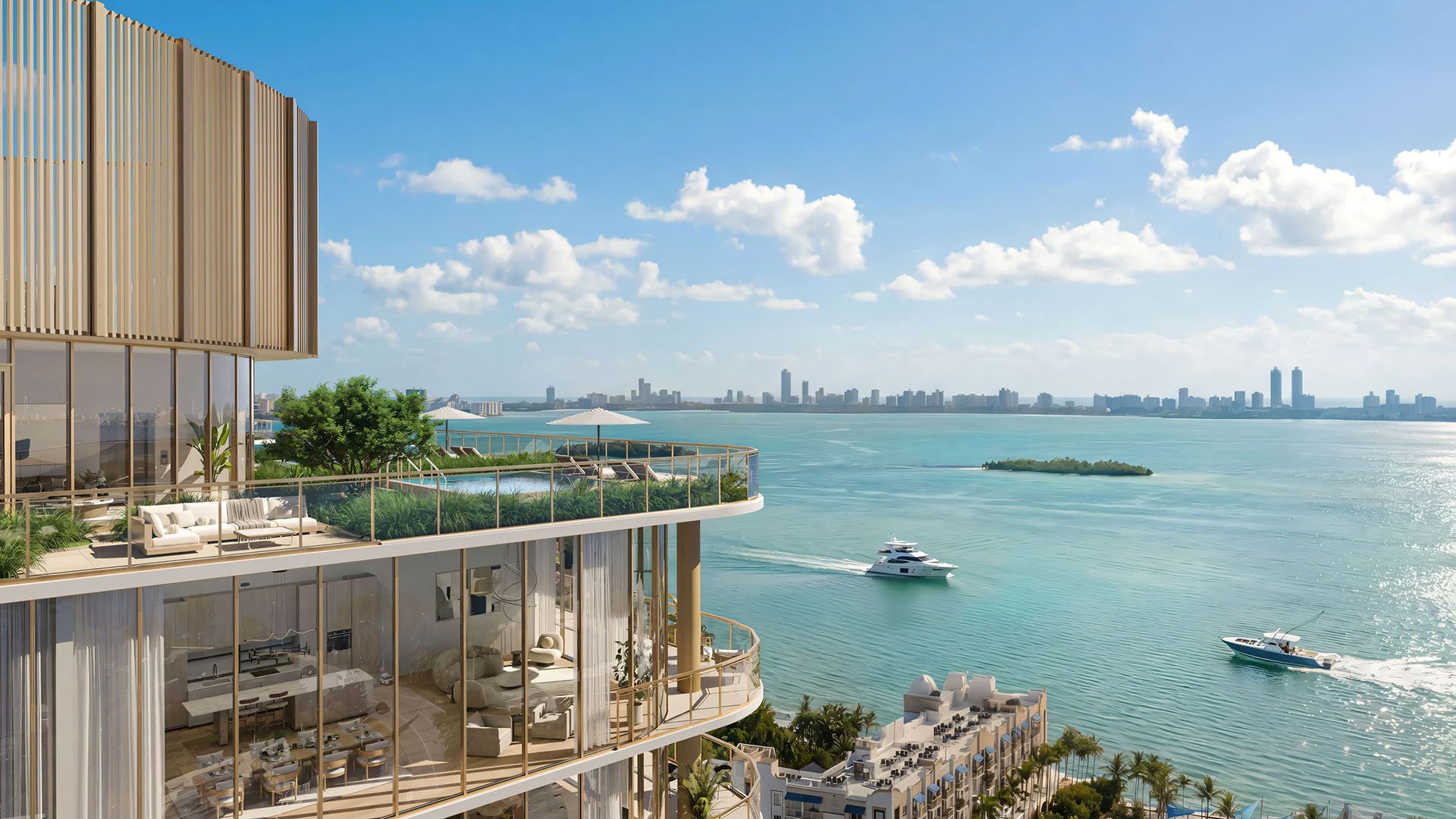
In South Florida, finish level is easy to see. Stone slabs, bespoke millwork, private elevator entries, and dramatic amenity decks all make an immediate impression. For the full-time owner, however, the more consequential question is often less visible: who actually lives in the building.
A tower’s resident mix shapes the ownership experience long after the model residence has done its job. Buildings with a stronger owner-occupant base are often seen as more stable, easier to finance, and more disciplined in how they manage reserves and long-range maintenance. That matters in markets where buyers are not simply purchasing a view, but a daily environment.
For someone considering a primary residence in Brickell, Miami Beach, Aventura, Coral Gables, or along the barrier islands, resident mix is not a niche diligence point. It is a practical buying metric. In many cases, it can influence the lived experience just as much as the finish package inside the residence.
Full-time owners tend to evaluate a building differently from investors. They use the elevators every day. They notice lobby traffic patterns, delivery flow, valet timing, noise, and the consistency of amenity upkeep. Because they directly absorb the effects of board decisions, they are often more inclined to support long-term maintenance, reserve funding, and timely capital improvements.
That dynamic often creates a more predictable environment. Owner-led communities are commonly associated with routine meetings, clearer planning, and a stronger expectation of transparency around budgets, reserves, and audits. For a buyer choosing between a tower that feels like a primary address and one that functions more like a flexible asset, that distinction can be decisive.
This is one reason certain residential concepts resonate so strongly with end users. In Brickell, projects such as 2200 Brickell and The Residences at 1428 Brickell appeal not only for their design, but because they align with buyers seeking a more settled ownership profile in Brickell. The same logic applies in Coconut Grove, where Four Seasons Residences Coconut Grove speaks to purchasers seeking permanence rather than transient turnover.
A building with significant short-term rental activity may still be beautifully finished, but its rhythm of use can feel fundamentally different. Frequent arrivals and departures can increase wear on elevators, corridors, lobbies, and shared amenities. Hospitality-style traffic may also create friction with the privacy and quiet full-time owners expect.
That wear is not merely cosmetic. It can shape operating decisions, staffing patterns, insurance considerations, and the pace at which common areas need refreshing. In towers where a larger share of ownership is focused on near-term rental income, there can be less appetite for funding improvements whose benefits accrue over many years.
For full-time residents, this often shows up in subtle but important ways: a gym that feels overused, pool decks that cycle through unfamiliar guests, or house rules that must accommodate transient use rather than everyday continuity. In an ultra-premium setting, the issue is rarely whether a building is luxurious. It is whether that luxury feels durable and residential.
Resident mix also matters because it can shape the economics of ownership. Buildings with stronger owner-occupancy are generally viewed as less risky than towers dominated by investment ownership. That perception can influence financing dynamics, which in turn affect the future buyer pool.
Reserves are another important dividing line. Owners who live in the building are typically more willing to fund long-term maintenance because they experience the consequences of deferred upkeep immediately. Investor-heavy towers can face a different set of incentives, with some owners more focused on near-term cash flow than on the building’s condition five or ten years ahead.
Over time, those choices can affect resale appeal. In South Florida’s luxury segment, buyers increasingly ask about occupancy mix, leasing rules, vacancy patterns, reserve health, and whether the board is owner-led. A well-finished building with a less stable ownership profile may look excellent during a showing, yet feel less compelling once the diligence process begins.
That is especially relevant in markets where full-time residency is part of the value proposition. On Miami Beach, 57 Ocean Miami Beach and The Perigon Miami Beach fit the kind of private, residential positioning many end users prioritize when comparing options in Miami Beach. In Bay Harbor, The Well Bay Harbor Islands reflects a similar lifestyle-driven conversation around long-term residential use.
Luxury buyers often focus on architecture and service, but board culture can be just as important. In practice, a board led by engaged owner-occupants is often more likely to emphasize predictable planning, routine communication, and clear operating standards. That does not guarantee a perfect experience, but it can create a more coherent one.
Board composition affects everything from reserve strategy to guest policies, pet rules, leasing minimums, and renovation procedures. Longer-tenured owners often support stricter operational standards because they value consistency. For a full-time resident, that can be highly appealing. Predictability is its own form of luxury.
This becomes even more relevant in mixed-use environments, where hospitality patterns may conflict with private residential expectations. Service levels that feel seamless for occasional users can feel intrusive or inefficient to someone who treats the building as home. In those cases, resident mix is not an abstract statistic. It is the framework behind the building’s culture.
The smartest luxury buyers now treat resident mix as part of core diligence. That does not mean chasing a perfect occupancy percentage, especially when exact building-level figures are not always publicly disclosed. It means asking better questions.
Start with the leasing framework. What are the minimum lease terms? Are short-term rentals restricted? How often may an owner lease the residence? Then move to the financial side: how well funded are reserves, have there been recent assessments, and how clearly are financials communicated?
Governance matters just as much. Is the board largely composed of owners who live in the building? How frequently does it meet, and how predictable is its decision-making around capital projects? A building with beautiful finishes and vague governance can be more problematic than a slightly less theatrical tower with stronger operational discipline.
Finally, pay attention to how the building feels during ordinary hours. A tower designed for full-time living tends to show it in the details: calmer traffic, steadier service, more consistent amenity use, and a stronger sense of community. Those qualities are often central to the appeal in places like Aventura and Coral Gables, where many buyers are looking for a refined everyday address rather than a purely seasonal foothold.
For a full-time owner, luxury is not limited to marble selection or the scale of the spa. It is also found in a building’s cadence, discipline, and sense of permanence. Resident mix helps determine whether a tower functions as a residence first or as an asset platform with residential finishes.
The most sophisticated buyers understand that distinction. They look beyond the sales gallery and ask whether the building’s ownership culture supports quiet, continuity, financial transparency, and thoughtful stewardship. In South Florida, that judgment can be every bit as important as ceiling height or waterfront exposure.
Why does resident mix matter in a luxury tower? It affects daily living, from amenity wear and privacy to board decisions, reserve discipline, and financing perception.
Are owner-occupied buildings usually easier to finance? They are often viewed as less risky than investor-heavy towers, which can support a broader financing profile.
Do short-term rentals change the feel of a building? Yes. Frequent turnover can create a more transient atmosphere and add pressure to shared spaces and services.
Can resident mix influence resale value? It can. Buyers increasingly evaluate occupancy patterns, lease rules, and governance alongside design and location.
Why do reserves matter so much for full-time owners? Strong reserves can signal disciplined planning and reduce the likelihood of deferred maintenance becoming a larger issue.
What role does the condo board play? Board culture shapes transparency, rule enforcement, capital planning, and the consistency of the ownership experience.
Should buyers ask about lease restrictions? Absolutely. Lease minimums and rental rules help reveal whether a tower is oriented toward residents or transient use.
Does a stricter building always mean a better one? Not always, but many full-time owners prefer clear rules because they support predictability and quieter daily operations.
Is resident mix more important than finishes? For many primary residents, it can be equally important because it affects how the building lives after closing day.
What is the best first step in diligence? Ask for the building’s lease rules, reserve information, recent assessments, and a sense of whether the board is owner-led.
To compare the best-fit options with clarity, connect with MILLION.
If branded residences are on your mind — as a home or as an allocation — we would be glad to share what we are seeing, privately.
Begin a quiet conversation