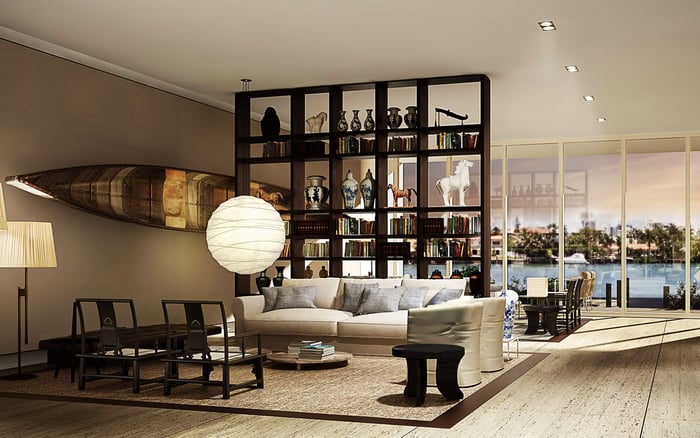
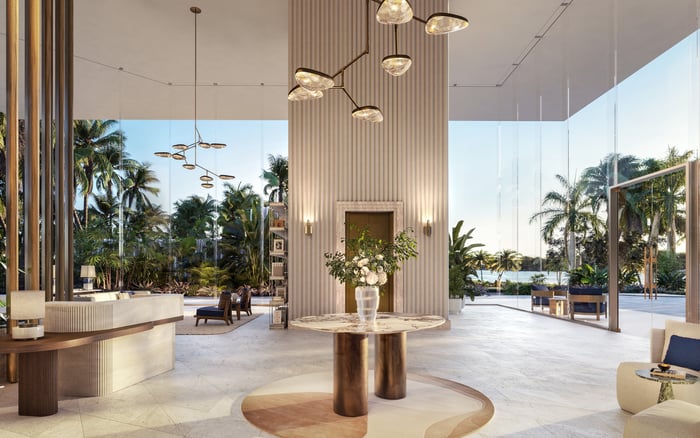
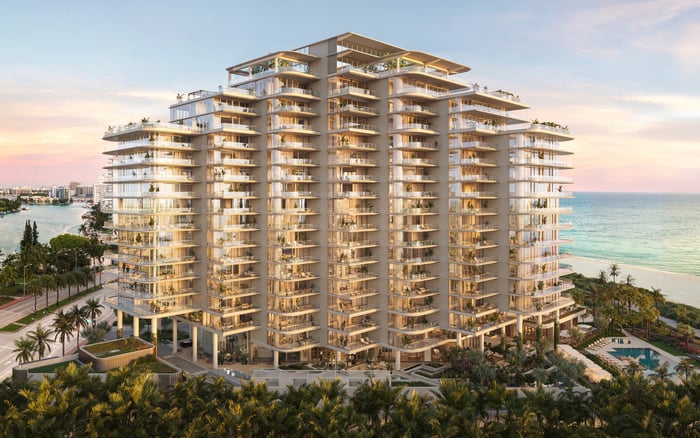
A buyer-focused look at how luxury building culture influences smart-home readiness, resident data privacy, and service responsiveness when comparing Banyan Tree Residences West Palm Beach with The Ritz-Carlton Residences® Miami Beach.
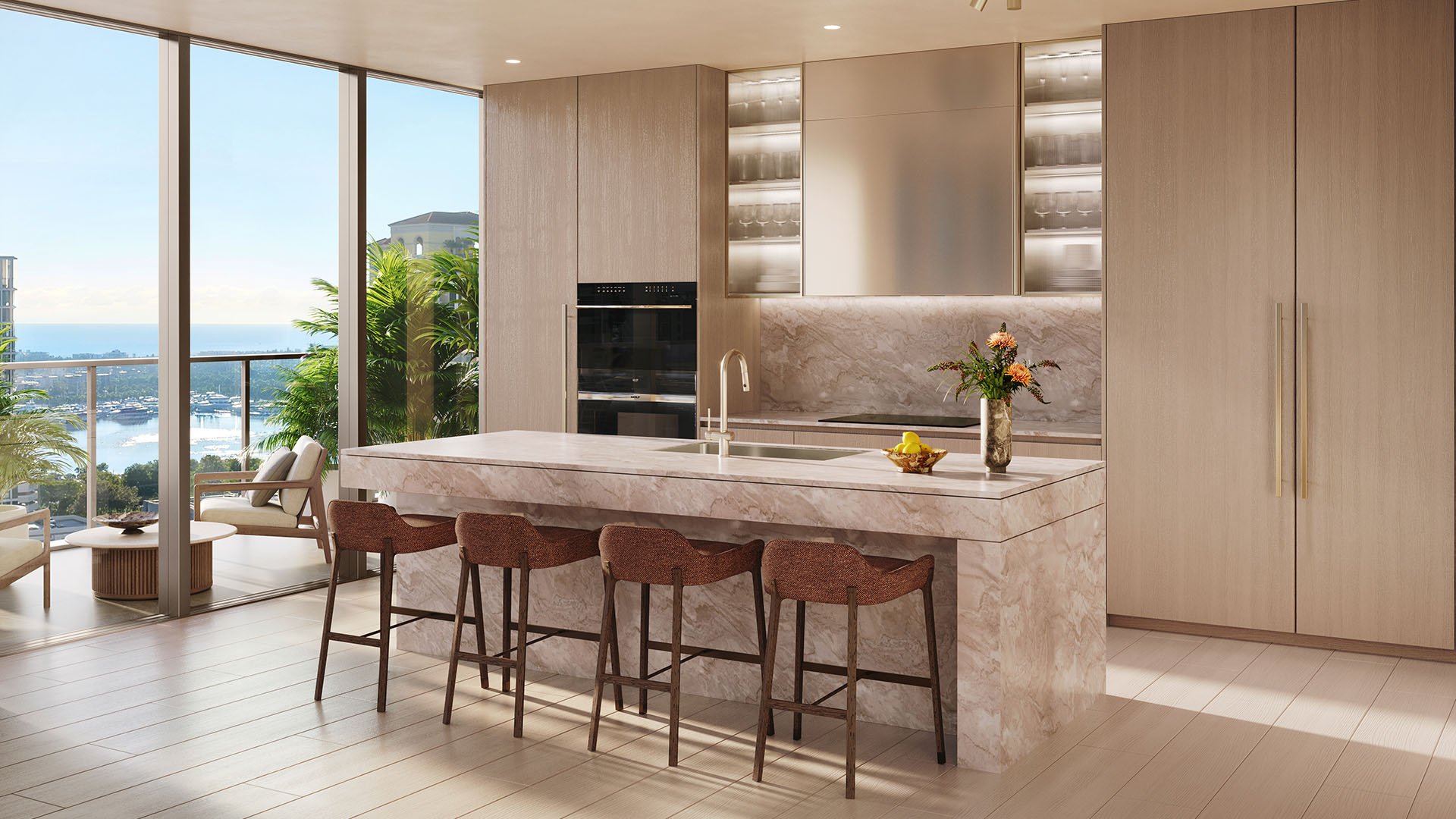
The most sophisticated smart-home system in South Florida is not merely a wall panel, a lighting scene, or a secure elevator credential. It is a living operating environment shaped by the people who manage the building, the rules governing resident data, and the service habits that resolve small issues before they become lifestyle friction.
That is why a comparison between Banyan Tree Residences West Palm Beach and The Ritz-Carlton Residences® Miami Beach should move beyond finishes and floor plans. For a discerning buyer, the question is not only whether the home is connected. It is whether the building culture can support connected living with privacy, discretion, and consistent follow-through.
The Ritz-Carlton Residences® Miami Beach is one of the two named branded-residence properties in this comparison, and its Miami Beach setting naturally places service culture, privacy expectations, smart-home readiness, and response standards at the center of the conversation. In a market where many owners divide time among several homes, a residence must perform reliably whether the owner is present, away, entertaining, or arriving late. That reliability matters as much as the visible luxury.
Buyers often ask whether a residence is prewired for shades, lighting, security, climate, audio, and access control. Those questions are necessary, but they are not sufficient. True readiness includes upgrade paths, vendor coordination, network resilience, and clear rules for who may enter a residence to troubleshoot a device. A smart home becomes valuable when it remains intuitive through software updates, ownership changes, staff transitions, and new devices.
In any new-construction review, the conversation should begin with infrastructure. Is there a dedicated low-voltage plan? Are building-wide systems separated from private in-residence networks? Can the owner select preferred integrators, or is there an approved vendor ecosystem? If an owner wants to change a control interface, add a private server, or separate family, guest, and staff permissions, the building should offer a defined path rather than an improvised answer.
West Palm Beach buyers evaluating a broader field that includes Mr. C Residences West Palm Beach may find that the most important technology questions are rarely the flashiest. The practical issues are quieter: how access is granted, how service requests are documented, how after-hours support is escalated, and whether the building team understands that convenience cannot come at the expense of discretion.
For ultra-premium owners, privacy is not a preference. It is part of the asset. Smart locks, cameras, license-plate systems, package rooms, amenity bookings, valet records, visitor lists, and resident apps can all produce data trails. A building culture reveals its quality in how carefully those trails are limited, protected, and explained.
A buyer should ask who can see resident information, how long records are retained, which vendors have access to resident-facing systems, and whether staff members are trained to avoid casual disclosure. The strongest building cultures do not treat privacy as a legal paragraph buried in paperwork. They treat it as a daily service standard, visible in how names are used, how guests are greeted, how deliveries are handled, and how maintenance is scheduled.
This is especially relevant in a Miami Beach ownership profile, where homes may function as primary residences, seasonal bases, or discreet gathering places for family and guests. Projects such as Shore Club Private Collections Miami Beach sit within a market where privacy expectations are often inseparable from hospitality expectations. The best experience is warm without being familiar, responsive without being intrusive, and connected without being exposed.
Luxury buildings increasingly make service feel effortless through apps, concierge desks, mobile alerts, and resident portals. Yet the button matters less than the culture behind it. A service request is only as strong as the team that receives it, prioritizes it, communicates status, and closes the loop.
For owners comparing Banyan Tree Residences West Palm Beach with The Ritz-Carlton Residences® Miami Beach, practical diligence should include response behavior. How are urgent issues separated from routine requests? Is there a documented escalation path? Does the building communicate when a technician is delayed? Can an owner authorize work remotely? Are recurring issues tracked so the same problem does not return under a new ticket number?
The branded-residence category raises expectations because hospitality language creates an implicit promise. But even a celebrated name must be evaluated at the building level. Buyers should listen for specifics rather than adjectives. A polished service presentation is useful; a precise explanation of staffing, access control, vendor supervision, and after-hours decision-making is more useful.
Investment logic in the ultra-luxury residential market is no longer confined to views, floor height, and amenity scale. Low-friction ownership has become a form of value protection. A residence that can be maintained remotely, updated cleanly, secured intelligently, and serviced without drama is easier to own and easier to explain to a future buyer.
This matters to second-home owners moving among Palm Beach, Miami Beach, Brickell, New York, London, or Latin America. When a home may sit vacant for stretches, a building’s operational maturity becomes visible in the smallest details: humidity alerts, vendor access protocols, pre-arrival preparation, post-storm communication, and the ability to solve a problem without turning the owner into the project manager.
A nearby comparison point such as The Ritz-Carlton Residences® West Palm Beach underscores how brand expectations travel across South Florida submarkets while still depending on local execution. The ownership question is not whether West Palm Beach or Miami Beach is superior. It is which building culture best matches the owner’s tolerance for visibility, dependence on staff, technology needs, and preferred rhythm of daily life.
Before contract, buyers should request a technology walkthrough that goes beyond sales-gallery language. Ask to understand the separation between private and common-area systems, the approval process for personal integrators, the replacement strategy for aging devices, and the extent to which the building can support future upgrades.
They should also ask privacy questions in plain language. Who sees guest names? Who receives service requests? Can vendors access the residence without a staff escort? Is there a log? How are package, valet, and amenity records handled? A confident building team should be able to answer without defensiveness or vagueness.
Finally, buyers should test the responsiveness culture. The most revealing moment is often not the tour, but the follow-up. Did the team answer the real question or redirect to a brochure? Did they acknowledge tradeoffs? Did they explain what happens when something goes wrong? In this tier of the market, perfection is less credible than preparation.
Why does building culture matter for smart-home readiness? Because technology depends on policies, staffing, vendor coordination, and maintenance habits. Hardware alone cannot create a reliable ownership experience.
Is The Ritz-Carlton Residences® Miami Beach relevant to privacy diligence? Yes. The project sits within a Miami Beach luxury residential context where branded service, smart-home readiness, privacy, and responsiveness are central buyer concerns.
Should buyers compare Banyan Tree Residences West Palm Beach and The Ritz-Carlton Residences® Miami Beach only by amenities? No. Amenities matter, but the deeper comparison is how each building supports daily life, remote ownership, guest management, and service resolution.
What smart-home questions should be asked early? Ask about wiring, network separation, approved integrators, remote access, upgrade paths, and who may enter the residence for troubleshooting.
What resident data deserves the most attention? Visitor logs, access records, valet information, package handling, amenity bookings, service requests, and app permissions all merit careful review.
Does a branded residence automatically guarantee better service? A brand can set expectations, but buyers should evaluate the building’s actual escalation paths, staffing practices, and communication habits.
Should a West Palm Beach buyer ask different questions than a Miami Beach buyer? The core questions are similar, but each location may create different expectations around arrival privacy, guest flow, and seasonal use.
How does responsiveness affect resale value? A residence that is easy to operate, maintain, and secure can be more compelling to future buyers seeking low-friction ownership.
What is the simplest test of service culture? Ask a detailed operational question and watch the follow-up. Specific, timely, and candid answers usually signal stronger management discipline.
Can privacy and hospitality coexist in a luxury building? Yes. The best service cultures are attentive without being intrusive and warm without becoming familiar.
When you're ready to tour or underwrite the options, connect with MILLION.
If branded residences are on your mind — as a home or as an allocation — we would be glad to share what we are seeing, privately.
Begin a quiet conversation