A discreet buyer’s guide to assessing lighting scenes in a trophy residence, with emphasis on privacy, household service, evening entertaining, art presentation, and long-term resale appeal.
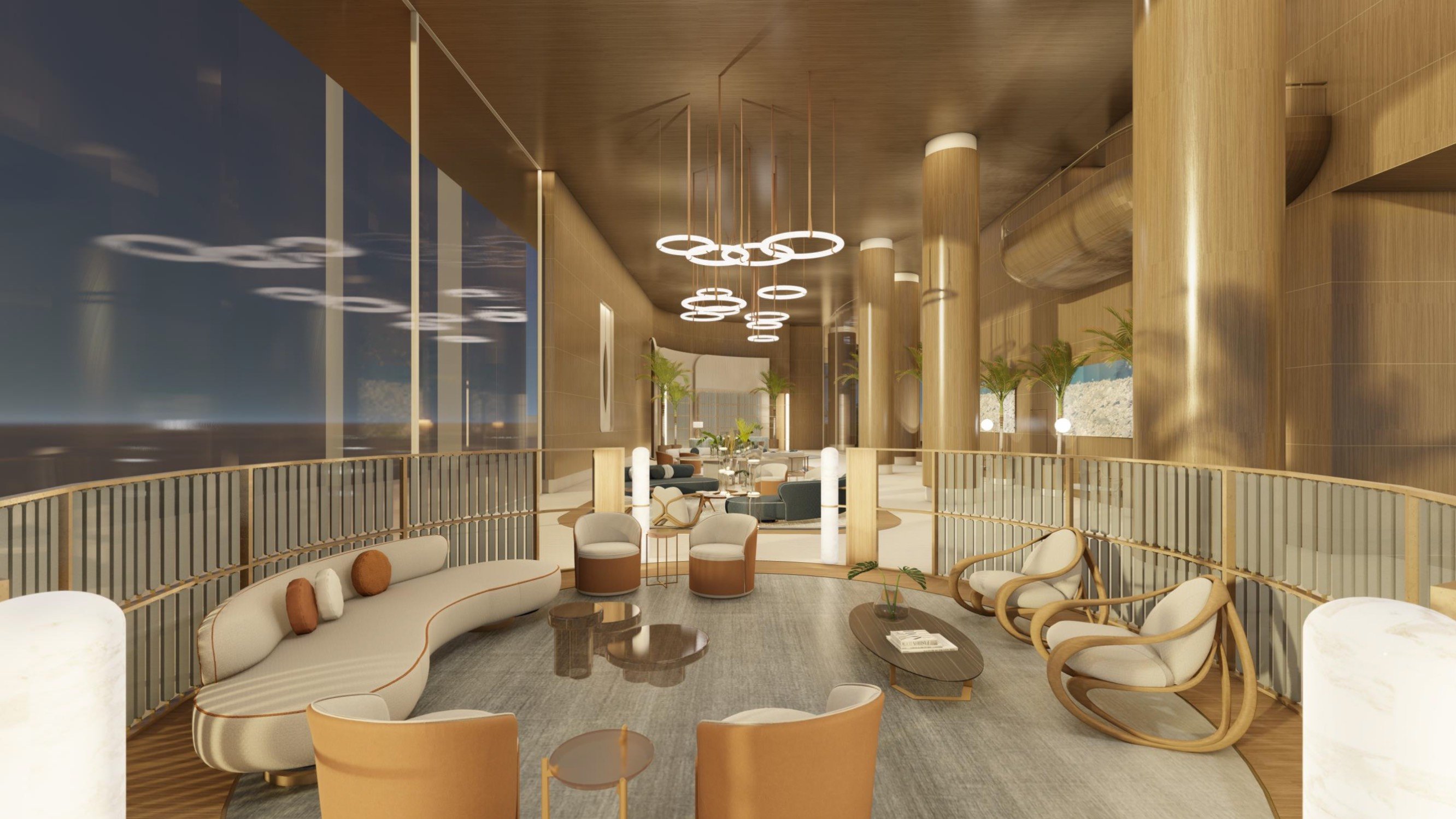
In a trophy residence, lighting is not decoration. It is choreography. It shapes how an owner arrives, how guests circulate, how art is read, how service remains invisible, and how much of private life is revealed beyond the glass. Even a beautifully specified home can feel exposed, flat, or operationally awkward if lighting scenes have been treated as a finishing detail rather than a core residential system.
South Florida makes this especially important. Glass walls, terraces, water views, open entertaining rooms, and double-height living spaces can be extraordinary by day, then surprisingly unforgiving after sunset. A room that feels cinematic at noon may become a glowing display case at night. A lighting review should determine whether the residence can shift from public glamour to private discretion without friction.
For buyers comparing branded towers, waterfront compounds, or a penthouse with expansive glazing, the most valuable question is not simply whether the fixtures are beautiful. It is whether the scenes support the way the residence will actually be lived in.
Privacy should be evaluated after dusk, when interior lighting becomes visible from neighboring towers, boats, streets, gardens, and adjacent terraces. The most refined homes allow owners to illuminate interiors without creating silhouettes against glass. That requires perimeter lighting to be carefully balanced with interior layers, window treatments, and reflected light.
A strong privacy scene usually avoids flooding the ceiling plane or turning every recessed fixture on at once. Instead, it relies on low-level lamps, concealed coves, art lighting, millwork illumination, and selective accent points. The result is a home that feels warm and occupied, but not overexposed.
In vertical neighborhoods such as Brickell, this evaluation becomes essential because sightlines are layered. A residence at The Residences at 1428 Brickell, for example, should be considered not only for its daytime skyline presence, but also for how evening scenes protect bedrooms, baths, studies, and family areas from opposite-view corridors.
Ask to see the residence with shades open, partially closed, and fully closed. Then stand on the terrace, in the corridor, at the elevator lobby, or from any available exterior vantage point. If the room reads as a stage set from outside, the scene needs refinement.
The most successful trophy residences separate presentation lighting from service lighting. A dinner party, a family breakfast, a catered reception, and a quiet night after travel each require different illumination. Staff, chefs, butlers, housekeepers, drivers, security teams, and property managers need light that is functional without disturbing the owner’s atmosphere.
Evaluate whether service zones have dedicated scenes for preparation, cleanup, inventory, and late-night movement. Kitchens should have task lighting that does not spill aggressively into dining or living areas. Back halls, laundry rooms, staff entries, mudrooms, service elevators, and storage areas should be legible without feeling institutional. A well-planned residence allows a tray to move, a door to open, or a delivery to be received without forcing the entire home into brightness.
This is where lighting becomes operational architecture. In a waterfront home or large condominium, the owner may never notice a perfect service scene, which is precisely the point. Poor service lighting, by contrast, is noticed immediately because it interrupts the mood.
Luxury entertaining is rarely one fixed moment. Guests arrive, gather, dine, move outdoors, return inside, and eventually depart. A serious lighting system should accommodate that sequence with scenes that feel natural rather than theatrical.
Arrival scenes should guide the eye without overwhelming it. Art scenes should reveal texture without glare. Dining scenes should flatter faces and table settings. Terrace scenes should preserve the view rather than turning the glass into a mirror. Late-evening scenes should let the residence settle, with enough illumination for safety and conversation.
In Miami Beach settings, where indoor-outdoor entertaining is central, the transition from salon to terrace is especially important. At The Perigon Miami Beach, a buyer would be wise to study how evening light meets the horizon line, how reflections behave on glass, and whether the view remains the main event after sunset.
The most elegant lighting does not announce itself. It lets the room, the people, the materials, and the view hold the attention.
Resale value is influenced by more than fixtures and brands. Buyers respond to systems they can understand. A complicated wall of unlabeled controls, scenes with cryptic names, or programming that only one technician can adjust may diminish the feeling of ease. A trophy residence should offer sophistication without requiring constant explanation.
Look for scene names that correspond to real life: arrival, dinner, art, privacy, terrace, night, service, housekeeping, away. Controls should be located where decisions are made, not merely where wiring was convenient. Bedrooms should allow control from the entry and bedside. Primary baths should offer morning, evening, and night settings. Staff zones should have their own practical logic.
Adaptability also matters. An owner may change art, furniture plans, family routines, or entertaining habits. A strong system allows scenes to be rebalanced without invasive construction. This is particularly relevant for resale, because the next buyer may love the architecture but live differently.
Lighting should be tested against the actual surfaces of the residence. Pale stone, high-gloss lacquer, bronze metal, dark wood, Venetian plaster, and large-format glass all respond differently. A scene that flatters one finish may flatten another. Art walls require particular attention, since glare, hot spots, and uneven color can undermine important works.
South Florida residences often use bright natural palettes by day, then rely on warmer, softer interiors by night. The transition should feel intentional. If the home contains major art, collectible design, or rare materials, the lighting should reveal depth and texture without making rooms feel like retail displays.
In Sunny Isles, where tall residences often pair ocean views with expansive glazing, evening reflection control becomes part of the art conversation. At St. Regis® Residences Sunny Isles, the question is not only how interiors look, but how they read against ocean, sky, and glass once daylight fades.
Exterior lighting should be gracious, not defensive. Drive courts, gardens, pool decks, terraces, docks, and outdoor kitchens need layered light that supports movement and hospitality while preserving discretion. Overly bright outdoor lighting can reduce privacy, create glare, and compete with water or skyline views.
Arrival lighting deserves special attention because it sets the emotional tone. The best homes create a composed progression from vehicle to entry to interior. Paths are readable, faces are visible, and architecture is expressed, but nothing feels exposed. Security lighting should be coordinated with landscape and architectural lighting so the residence does not alternate between resort and floodlight.
On Fisher Island, where privacy and arrival are central to the ownership experience, a residence such as The Residences at Six Fisher Island invites a more forensic review of thresholds: dock, garage, elevator, foyer, terrace, and private bedroom corridors.
A proper lighting walkthrough should happen twice: once in daylight and once at night. Begin with all lights off, then activate each scene slowly. Notice whether the eye understands where to go. Check for glare from downlights, reflections in glass, dark corners along circulation paths, and harsh transitions between rooms.
Test the primary suite with doors open and closed. Stand at the bed, the bath, the wardrobe, and the terrace. Test the kitchen during prep and after cleanup. Test the dining room seated, not standing. Test exterior spaces from inside the home, because terrace lighting can either deepen the view or erase it.
Finally, ask how easily scenes can be edited. A residence with excellent infrastructure should not feel frozen. The goal is a lighting environment that can be tuned to the owner, then retuned for future ownership without compromising architecture.
Why are lighting scenes important in a trophy residence? They shape privacy, atmosphere, service flow, and the way architecture is experienced after sunset.
When should a buyer evaluate lighting? Daylight is useful, but the decisive review should happen at dusk and after dark.
What is a privacy scene? It is a lighting setting that keeps interiors comfortable while reducing visibility from outside.
Should service areas have separate lighting scenes? Yes. Service lighting should support staff movement and work without interrupting owner or guest areas.
What makes lighting good for resale? Clear controls, adaptable programming, and scenes named around daily life are easier for future buyers to value.
How should terrace lighting be tested? View it from both inside and outside, checking whether it preserves the view and avoids glare.
What is the most common lighting mistake in glass residences? Overlighting interiors at night can turn private rooms into visible silhouettes.
Do art walls require special review? Yes. Art lighting should avoid glare, uneven brightness, and color distortion.
Can lighting scenes be changed after purchase? Often they can, provided the system was designed with flexible controls and accessible programming.
What should buyers ask during a walkthrough? Ask to see arrival, dinner, privacy, night, service, housekeeping, and away scenes in real conditions.
To compare the best-fit options with clarity, connect with MILLION.
If branded residences are on your mind — as a home or as an allocation — we would be glad to share what we are seeing, privately.
Begin a quiet conversation