A practical, discreet guide to evaluating terraces, balconies, exposure, materials, privacy, and maintenance responsibilities when buying along Hillsboro Beach and nearby coastal markets.
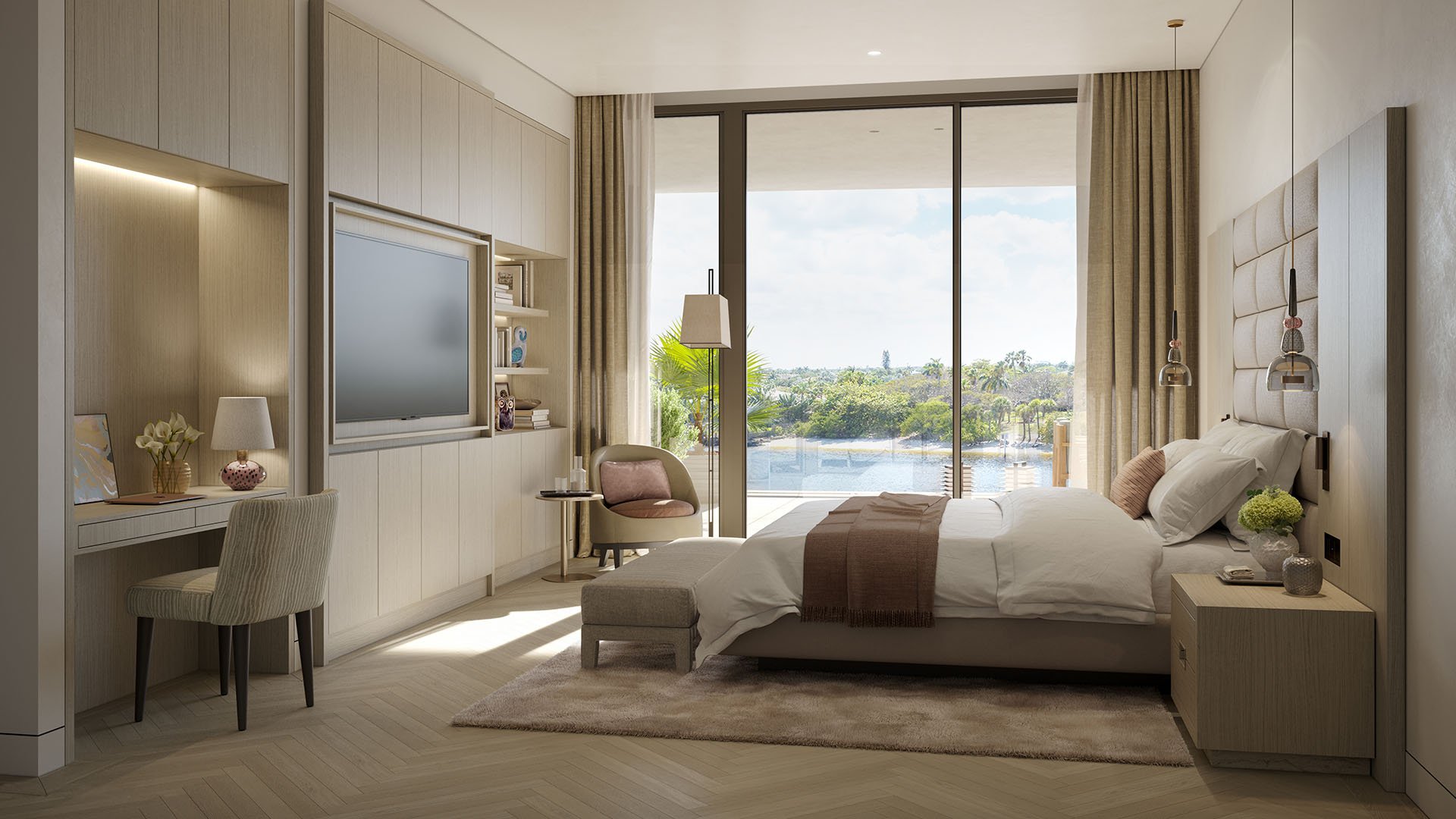
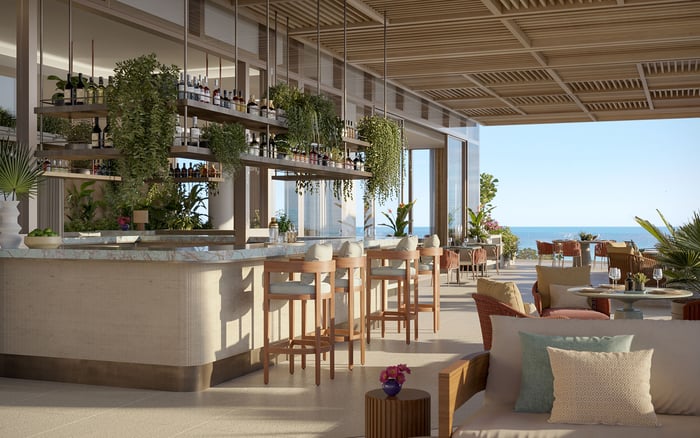
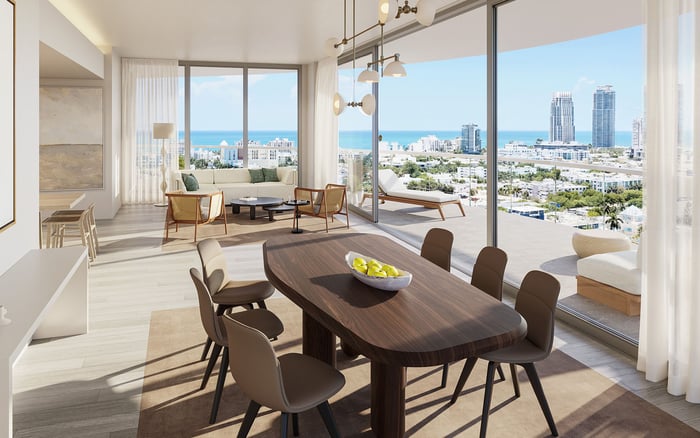
In Hillsboro Beach, the terrace often defines the residence. It is where the day begins before the interior fully wakes, where evening light changes the character of stone and glass, and where a buyer senses whether a home feels like a retreat or simply a well-positioned apartment. For many luxury purchasers, the outdoor area is not a bonus. It is part of the core floor plan.
That distinction matters. A terrace should be evaluated with the same discipline a buyer brings to the kitchen, primary suite, and building services. The question is not only whether the space is large enough for a table or lounge chairs. It is whether it performs gracefully in sun, wind, rain, humidity, and daily use. In search behavior and buyer shorthand, Hillsboro Beach may describe a narrow coastal preference, but the real evaluation is tactile: how the doors move, where water drains, how private the edge feels, and whether maintenance is simple enough to preserve the ease the view promises.
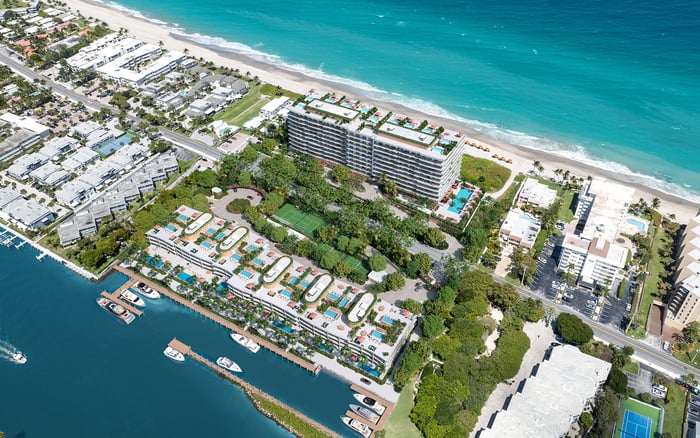
Buyers comparing Rosewood Residences Hillsboro Beach with other coastal options should begin with the same principle: outdoor space is a lifestyle system. It includes architecture, materials, association rules, building staff, storage, furniture strategy, and the owner’s willingness to care for an exposed environment.
The terms terrace and balcony are often used casually, but buyers should be precise. A balcony usually reads as an extension of a room: a place for air, a chair, perhaps a small table. A terrace suggests more ambitious use, often capable of supporting outdoor dining, layered seating, planting, or a quieter private ritual. Neither is inherently better. The stronger choice depends on how the owner actually lives.
A deep terrace can feel more like an outdoor salon, particularly when it allows circulation around furniture rather than forcing every chair against a railing. A narrower balcony can still be exceptional if it aligns with the best view corridor, sits comfortably off the primary living area, and is easy to maintain. Buyers should walk the space slowly and imagine three scenarios: morning coffee alone, a relaxed dinner for four, and a windy afternoon when the terrace may be beautiful but less usable.
Door systems also deserve close attention. Large openings can make interior and exterior space feel continuous, but buyers should test operation, threshold height, screen options, and how the residence behaves when the doors are open. The elegance of indoor-outdoor living depends on small details that are easy to overlook during a first showing.
The most expensive terrace mistakes are often made after closing, when owners furnish for photographs rather than for exposure. Coastal outdoor rooms need materials that can withstand moisture, sun, and frequent cleaning. Cushions, frames, rugs, planters, and lighting should be selected for longevity, not just mood.
Before making an offer, buyers should ask how terrace surfaces are maintained, who is responsible for drains, what types of planters are permitted, and whether exterior modifications require approval. The answers can affect both enjoyment and cost. A terrace that looks effortless may depend on clear rules, disciplined upkeep, and a building culture that treats exterior presentation as part of the property’s identity.
Maintenance is not a negative. In the best residences, it is the quiet infrastructure of luxury. It protects the view, the architecture, and the owner’s time. When evaluating nearby coastal buildings such as The Ritz-Carlton Residences® Pompano Beach or Armani Casa Residences Pompano Beach, the same questions apply: who maintains what, how often, and under which standards?
Oceanfront living is not a single condition. The experience changes with orientation, floor height, neighboring structures, railing design, and the relationship between the terrace and interior rooms. One terrace may offer a spectacular view but limited privacy. Another may have a more restrained outlook yet feel more usable because it is sheltered and proportioned for real life.
Buyers should notice how the terrace feels at different times, if possible. Morning brightness, afternoon heat, reflected glare, and evening breezes all influence use. If the terrace is intended for dining, consider whether the table can be placed without blocking doorways. If it is intended for quiet reading, look for a corner or wall condition that creates a sense of enclosure.
Privacy is equally nuanced. Glass railings may maximize the view, while solid or partially screened edges may create a more intimate atmosphere. Neither choice is universal. The right one depends on whether the owner values panorama, discretion, or a balance of both. In luxury coastal ownership, the best outdoor spaces do not simply display the ocean. They make the owner feel composed beside it.
A private terrace and a pool deck serve different purposes. The pool environment is social, serviced, and often part of the building’s hospitality rhythm. The private terrace is personal, immediate, and available without transition. Buyers should decide how much of their outdoor life they want to share and how much they want to keep entirely their own.
This is especially important for second-home owners. A generous amenity deck can reduce the need to over-program the residence’s private outdoor space. Conversely, an owner who entertains quietly may care far more about a dining terrace than the scale of shared amenities. In either case, service expectations matter. Towel service, furniture management, landscape upkeep, and reservation rules all shape daily experience, even when they are not the first details discussed.
A buyer looking from Hillsboro Beach toward Fort Lauderdale should consider the broader coastal conversation: private space, shared resort energy, and the balance between architectural privacy and amenity life.
Before contract, ask for clarity on terrace rules, weight restrictions, approved furniture types, storm procedures, exterior cleaning access, planter limitations, and responsibility for repairs. Ask whether grills, heaters, umbrellas, lighting, or built-in elements are permitted. If pets will use the outdoor area, confirm rules for surfaces, drainage, and neighbor considerations.
Also ask practical questions about storage. Where do cushions go during storms or extended absences? Is there room inside the residence for seasonal pieces? Can furniture remain outside year-round, or will the owner need a more active management plan? The most beautiful terrace can become a burden if its operation is not aligned with the owner’s schedule.
For buyers who travel frequently, maintenance should be designed as a service plan rather than an afterthought. The goal is not to eliminate care. It is to make care predictable, discreet, and consistent with the caliber of the residence.
What should Hillsboro Beach buyers inspect first on a terrace? Start with drainage, door operation, privacy, exposure, and the condition of surfaces and railings.
Is a larger terrace always better? No. Proportion, usability, privacy, and maintenance demands often matter more than raw size.
How is a balcony different from a terrace? A balcony is typically a smaller exterior extension, while a terrace is often planned for fuller outdoor living.
Why does maintenance matter so much for oceanfront homes? Outdoor areas face greater exposure, so materials, cleaning routines, and building rules directly affect long-term enjoyment.
Should buyers ask about terrace rules before making an offer? Yes. Rules on furniture, planters, grills, lighting, and alterations can shape how the space may be used.
Can a terrace affect resale appeal? Yes. A well-proportioned, easy-to-use outdoor room can make a residence feel more complete and memorable.
What role does the pool deck play in evaluating a residence? It helps determine whether the owner needs a highly programmed private terrace or prefers shared outdoor amenities.
Are low floors or high floors better for outdoor living? Neither is automatically better. The answer depends on privacy, wind, view, access, and the owner’s habits.
Why include Rosewood Residences Hillsboro Beach in a terrace search? It is a relevant Hillsboro Beach reference point for buyers studying refined coastal outdoor living.
How should seasonal owners plan for terrace care? They should clarify storm procedures, cushion storage, cleaning frequency, and who monitors the space while they are away.
If you'd like a private walkthrough and a curated shortlist, connect with MILLION.
If branded residences are on your mind — as a home or as an allocation — we would be glad to share what we are seeing, privately.
Begin a quiet conversation