A buyer-focused guide to finish-package negotiation at Auberge Beach Residences & Spa Fort Lauderdale, with emphasis on written specifications, substitution rights, oceanfront material performance, and pre-closing verification.

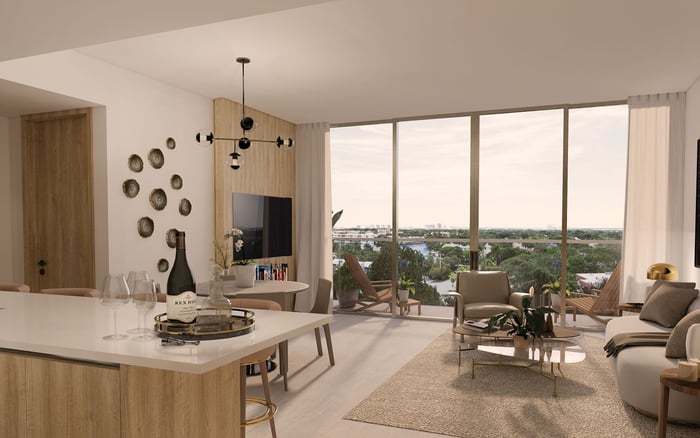
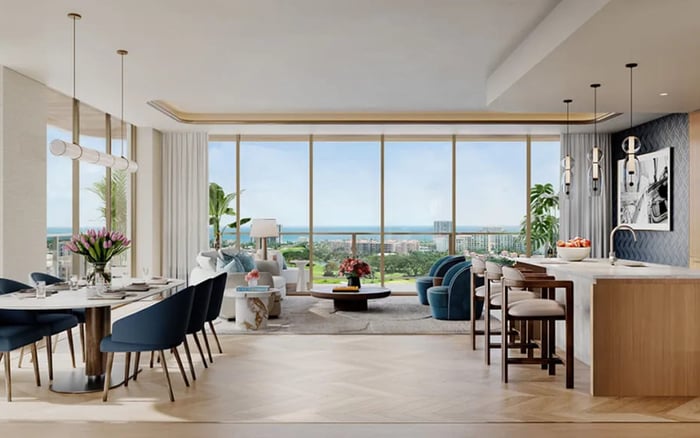
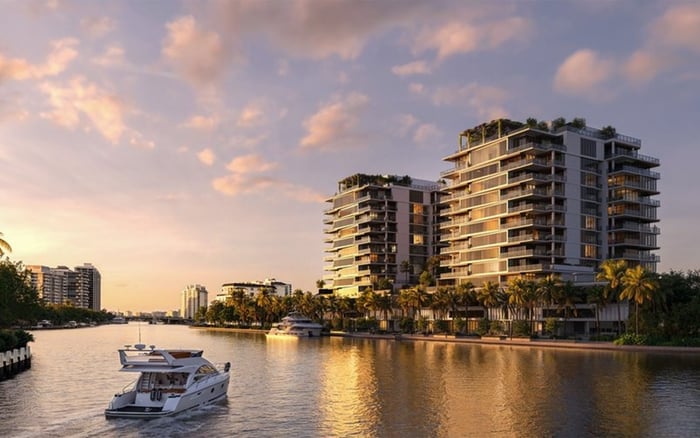
Auberge Beach Residences & Spa Fort Lauderdale sits in the kind of South Florida luxury conversation where the emotional force of a rendering can become part of the product. The imagery may convey calm, polish, and resort-level ease, but the buyer’s real protection sits elsewhere: in the purchase agreement, specification exhibits, finish schedules, approved upgrade documents, and inspection rights.
That distinction matters because a branded residence is not measured by ordinary condominium expectations. Buyers are not simply purchasing square footage. They are buying into a lifestyle promise, a service sensibility, and a design language. None of that should remain dependent on broad brand phrasing when the negotiation turns to stone, cabinetry, appliances, flooring, lighting, hardware, glazing, and balcony systems.
In practical terms, the file sits at the intersection of Fort Lauderdale, oceanfront, new-construction, pre-construction, and balcony diligence. A sophisticated buyer should treat every visible surface and every invisible system as a contract item until proven otherwise.
The first question is deceptively simple: what exactly is included? Model residences and renderings often present the most persuasive version of a home. Some elements may be standard. Others may be optional upgrades. Some may be decorative staging, furniture, art, lighting effects, or styling that will never be delivered with the residence.
For Auberge Beach Residences & Spa Fort Lauderdale, the negotiation should move quickly from aesthetic preference to documented specificity. A buyer should request written details for brand, model, grade, size, color, finish, and installation standard wherever applicable. That applies to cabinetry, appliances, countertops, flooring, plumbing fixtures, lighting, door hardware, millwork, and any built-in elements shown in sales material or model environments.
The strongest position is not, “I want the kitchen from the rendering.” It is, “The executed finish exhibit must identify the kitchen components with enough precision that delivery can be verified before closing.” That shift moves the conversation from taste to enforceability.
Substitution clauses deserve close attention because they can determine how much control the buyer actually retains. A developer may reserve the ability to replace specified items with alternatives described as comparable. In a luxury setting, that word can carry meaningful ambiguity. Comparable in price may not be comparable in performance, finish, design integrity, serviceability, or resale perception.
Buyers should ask how substitutions are approved, who decides comparability, whether notice is required, and whether the buyer has any consent right for visible or high-value items. If consent is not available, the next-best protection may be a tighter written standard: same brand or better, same material class or better, same grade or better, and no downgrade in size, durability, finish, or warranty.
This is where legal counsel and design expertise can work together. Counsel tests the language. A designer or construction adviser tests whether the proposed alternative truly belongs in the same tier.
Renderings rarely celebrate mechanical systems, acoustic assemblies, waterproofing, ventilation, or HVAC components. Yet those hidden systems can define the daily experience of a high-floor or ocean-facing residence. In Fort Lauderdale’s coastal environment, performance is not a secondary luxury. It is part of ownership quality.
A buyer should ask how coastal exposure has been addressed for metals, woods, stones, exterior glazing, balcony assemblies, and HVAC-related components. Salt air, humidity, heat, wind, and sun can all test materials over time. The issue is not whether the residence looks refined at delivery. The issue is whether it remains refined after years of coastal use.
The extensive use of glass and terrace-oriented living also makes window and door performance important. Hurricane resistance, solar gain, sound attenuation, water management, and operational ease should be verified through the condominium documents, construction specifications, and any applicable performance materials available to the buyer. A beautiful view is more valuable when the envelope around it performs with equal discipline.
In luxury negotiation, the most tempting upgrades are often the most decorative. Yet the most intelligent concessions may be quieter: better flooring specifications, more durable exterior-adjacent materials, clearer appliance commitments, improved lighting control, refined hardware, stronger ventilation details, or documented solutions that support long-term maintenance.
A credit can be useful, but it should not become a vague consolation prize. Buyers should define how the credit is applied, whether it offsets purchase price, upgrade cost, closing charges, or post-closing work, and whether unused amounts are forfeited. If the negotiation involves an upgrade, the approved upgrade schedule should be attached to the contract file with clear pricing, delivery expectations, and any effects on timing.
The goal is not simply to make the residence more photogenic. It is to make the residence more livable, more durable, and more legible to the next buyer.
The pre-closing inspection should not rely on memory, mood, or sales-center impressions. It should compare the delivered residence against the executed contract exhibits, approved upgrade schedule, and written developer concessions. The buyer’s representative should bring the finish documents into the residence and verify what was delivered room by room.
That inspection should include visible finish items, but it should also consider operation and fit: doors, drawers, hardware, appliances, plumbing fixtures, lighting, balcony access, glazing operation, ventilation grilles, flooring transitions, stone installation, and any observable signs of water intrusion or incomplete workmanship.
Punch-list items should be documented in writing with enough detail to avoid later disagreement. For Auberge Beach Residences & Spa Fort Lauderdale, the most elegant closing is not the fastest one. It is the one in which the delivered home aligns with the negotiated file.
What is the main finish-package risk at Auberge Beach Residences & Spa Fort Lauderdale? The main risk is assuming that renderings, model details, or brand language are automatically included. Buyers should rely on written contract exhibits and finish schedules.
Should model-unit finishes be treated as included? Not unless the contract documents say so. A model may include standard items, upgrades, or staging-only design elements.
Which finish details should be requested in writing? Buyers should request brand, model, grade, size, finish, and installation details for visible items such as cabinetry, appliances, counters, flooring, fixtures, lighting, and hardware.
Why do substitution clauses matter? They may allow specified items to be replaced with alternatives described as comparable. The buyer should understand who decides comparability and whether notice or consent is required.
Are invisible systems part of finish-package diligence? Yes. Mechanical, acoustic, waterproofing, ventilation, and HVAC-related details can affect comfort, durability, and long-term ownership quality.
Why is oceanfront exposure important here? Salt air, humidity, sun, and wind can affect metals, woods, stones, glazing, balcony systems, and other components. Material performance should be part of the review.
What should buyers ask about glazing? Buyers should verify performance issues such as hurricane resistance, solar gain, sound attenuation, water management, and operation. These items shape daily livability.
Are upgrade credits always valuable? They are most valuable when clearly documented and tied to durable improvements. Vague credits can create confusion if application and timing are not defined.
What should happen at pre-closing inspection? The delivered residence should be compared against contract exhibits, approved upgrades, and written concessions. Any discrepancies should be documented in a punch list.
Who should review the finish-package documents? Florida counsel should review the contract language, while a qualified design or construction adviser can help evaluate specifications and substitutions.
To compare the best-fit options with clarity, connect with MILLION.
If branded residences are on your mind — as a home or as an allocation — we would be glad to share what we are seeing, privately.
Begin a quiet conversation