A buyer-oriented look at how signature, architect-led design can influence long-term value in Surfside, with a discreet framework for evaluating durability, livability, and future resale positioning at The Delmore.
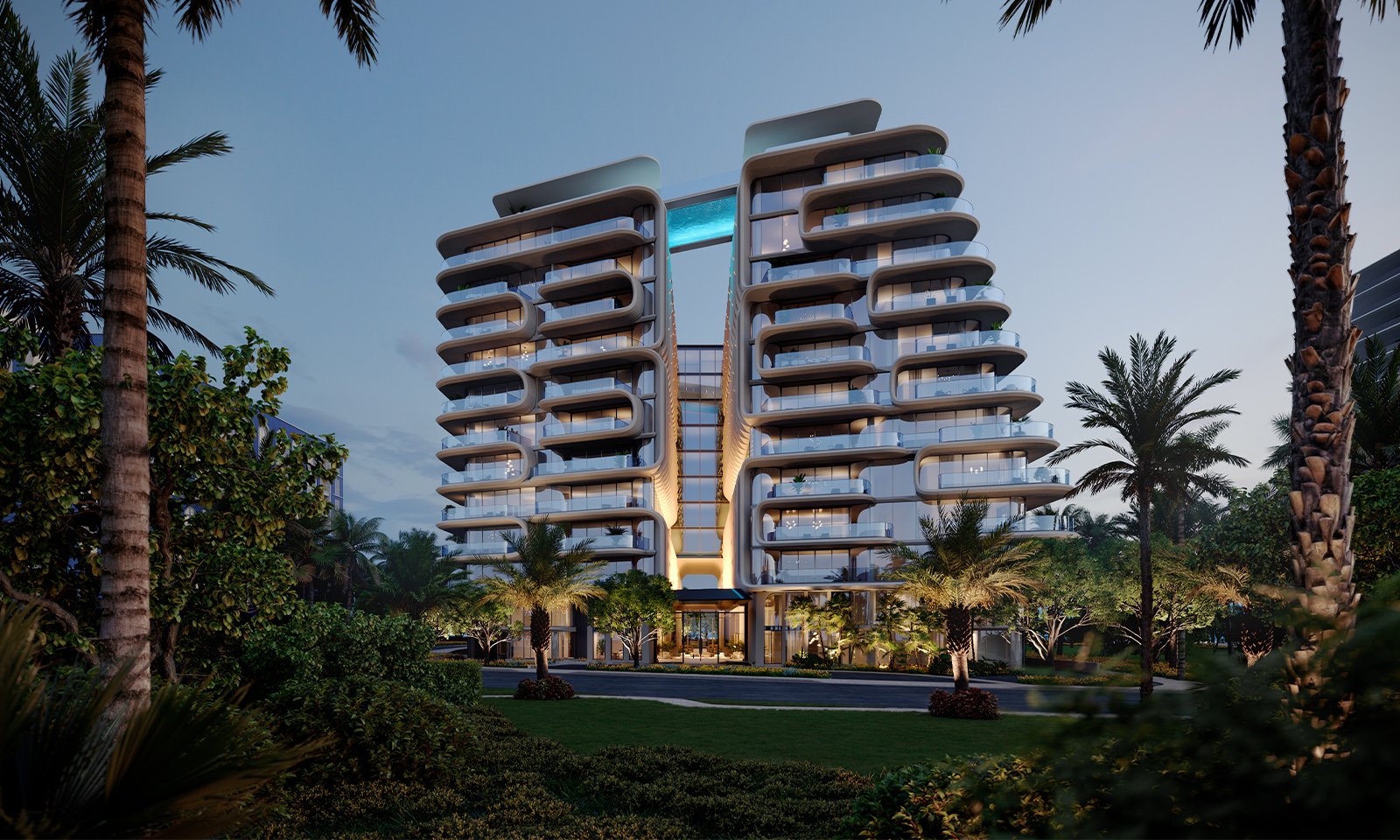
Luxury buyers don’t purchase a name alone-they purchase a durable advantage. A globally recognized design language can justify an immediate premium, but the more consequential question is whether that premium stays defensible five, ten, or fifteen years into ownership.
For an architect-led residence such as The Delmore Surfside, the value-retention conversation is best framed less around short-term appreciation and more around resilience: the ability to maintain pricing power across market cycles, attract deep-pocketed end users on resale, and remain culturally and aesthetically current without constant reinvention.
In practice, durable retention tends to sit at the intersection of four forces: scarcity, livability, operational excellence, and a neighborhood narrative that continues to improve. When any of these weaken, even a famous signature can become a distraction rather than protection.
When buyers contemplate a Zaha Hadid-aligned residential concept, they are often underwriting design scarcity. But scarcity isn’t merely a recognizable silhouette-it’s the number of credible substitutes a buyer can choose from within the same lifestyle set.
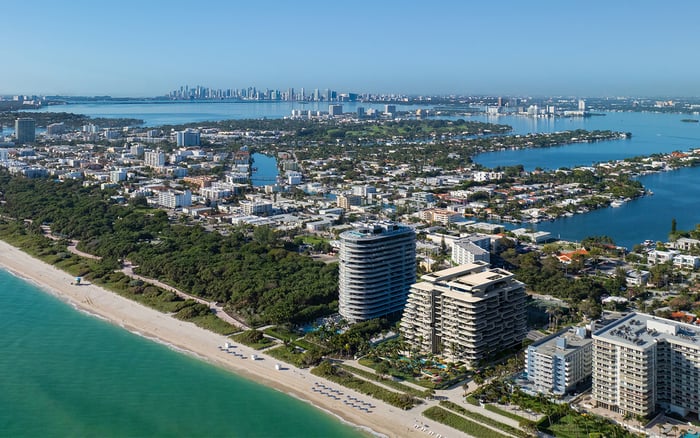
In Surfside, substitutes are constrained by geography and the town’s boutique character. The area moves to a different rhythm than louder beach corridors; it can feel more private, more residential, and more intentionally edited. That dynamic can help truly unique product hold its edge because the buyer pool is not only seeking waterfront access, but also an environment that feels curated.
The practical question is whether the architectural identity converts into a consistent, day-to-day advantage that another luxury tower cannot quickly replicate. When it does, the premium behaves less like a moment in fashion and more like a long-duration asset.
The most durable premiums are the ones competitors can’t mimic without time, approvals, and comparable talent. A globally recognizable architectural language can create that moat-especially in small submarkets where inventory is finite.
But scarcity must remain legible at resale. Years later, the next buyer should still look at the building and feel it’s one of one, not one of many “designer-ish” structures from the same cycle.
Value retention isn’t only visual. It’s functional.
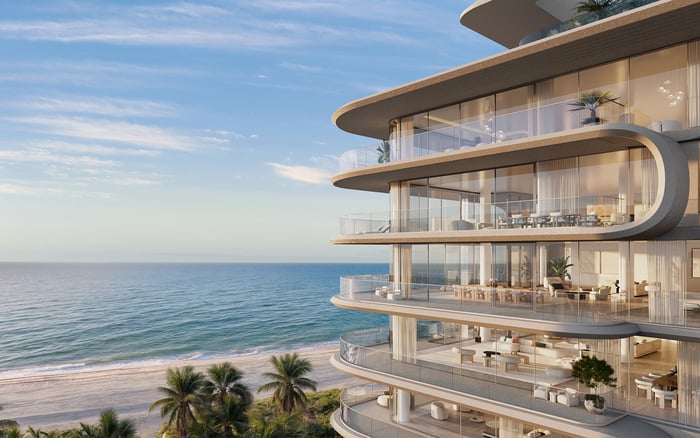
Architectural ambition still has to resolve fundamentals: privacy at entry, sound control, sensible circulation, storage, kitchen ergonomics, and balconies or terraces that feel usable rather than symbolic. The more the design supports everyday living, the less it depends on novelty to sustain its price.
A useful way to pressure-test livability is to think about the second buyer. The first buyer may lead with emotion; the second buyer is often more comparative-reviewing floor plans, HOA trajectory, service consistency, and repair history.
Some signature buildings introduce complex façades, uncommon materials, and custom detailing. Without equally sophisticated maintenance planning, the property can age faster than its peers. In luxury, the perception of aging can be as damaging as the reality.
Buyers focused on retention should look for an ownership culture that treats upkeep as stewardship. The objective isn’t minimal fees-it’s predictable performance, a transparent reserve strategy, and a long view on the envelope and core systems.
Even an iconic building is still anchored to its surroundings. Surfside’s appeal strengthens when the broader environment remains clean, walkable, safe-feeling, and consistently upscale.
From an underwriting standpoint, you’re buying into continuity of lifestyle. When the neighborhood’s story stays positive, architect-led product benefits from a supportive backdrop for future pricing.
Surfside occupies a rare position: intimate in scale, yet adjacent to some of South Florida’s most premium retail and residential corridors. That adjacency matters because it draws buyers who want discretion without sacrificing access.
In this coastal pocket, recent ultra-luxury development has helped condition buyers to pay for design and experience-not only square footage. Nearby examples such as Eighty Seven Park Surfside show how a distinct architectural vision can become a neighborhood reference point rather than a one-off curiosity.
For a buyer evaluating The Delmore, the question is whether it can claim similar “reference” status: a building that becomes shorthand for a certain level of taste, not merely a new address.
South Florida’s top-tier condo market often prices two different kinds of premium.
One is design pedigree: the architectural story, originality, and collectibility. The other is hospitality branding: a service model and global recognition built on operations.
In Surfside, hospitality-linked demand is often tied to established resort living, such as The Surf Club Four Seasons Surfside. That product type can retain value through consistent service expectations and a recognizable lifestyle promise.
Design-led residences can retain value just as well, but through a different mechanism: they stay desirable because they’re difficult to replicate, photograph unmistakably, and continue to signal discernment. In the ideal case, a project aligns both-singular design identity paired with an operational culture that keeps the building feeling new.
Signature architecture is a lever, not an insurance policy. Common risks that can pressure future pricing include:
Design that is visually bold but functionally polarizing, narrowing the resale audience.
High maintenance complexity that accelerates cost growth or creates visible wear.
Amenity packages that date quickly, especially when trend-driven.
Inconsistent service delivery that erodes the luxury confidence buyers expect.
A discreet but effective strategy is to look for quiet excellence. The best-retaining buildings are rarely the loudest-they’re the ones that feel effortless over time.
If value retention is central, evaluate any Delmore residence through the lens of future marketability:
Is the view corridor protected, or vulnerable to future massing nearby?
Do the primary rooms, bedroom separation, and storage read as timeless?
Will terraces function in real life, or only in renderings?
How controlled are elevator arrivals, sightlines, and neighboring exposure?
Is the building’s lifestyle proposition clear and executable long-term?
Do finishes and exterior choices look like they can age gracefully?
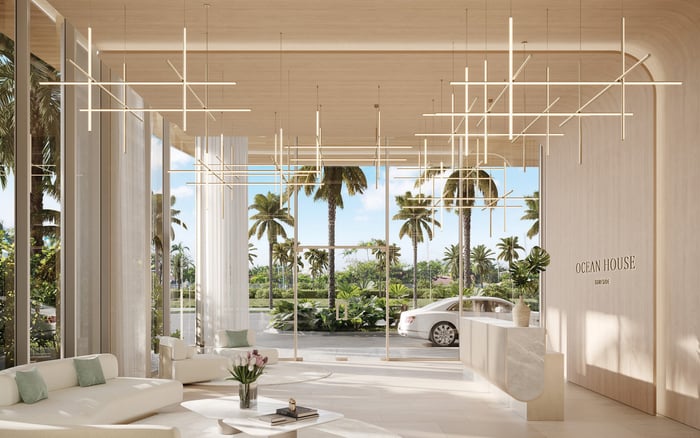
This is also where Surfside’s competitive set matters. Buyers can cross-shop different definitions of luxury. For a more intimate, boutique approach in the same broader coastal ecosystem, Ocean House Surfside offers a useful contrast point: less about global architectural statement, more about quiet residential exclusivity.
The goal isn’t to declare a winner. It’s to understand what kind of premium you’re buying-and whether that premium will still be prized by the next buyer.
In negotiation, collectibility tends to show up in three ways:
If a buyer wants that building, there may be no true alternative.
Emotion can compress time-on-market and reduce discounting.
In collectible buildings, buyers often pay more consistently for the right stack, view, or floor plan.
However, collectible value can be fragile if the building’s story becomes too tied to a specific era. The strongest signature projects read as forward-looking without becoming period pieces.
For an ultra-premium audience, choosing Surfside is often choosing to be adjacent to-but not inside-the most visible luxury node. That distinction can be powerful.
The Bal Harbour area carries global retail gravity and a concentrated luxury buyer base. If Surfside continues to benefit from this halo while maintaining its calmer identity, architect-led residences may find a particularly favorable environment for value retention.
That said, buyers should remember South Florida’s luxury landscape is increasingly polycentric. Some buyers seeking architectural distinction without the beachfront profile look to other markets. For example, a Zaha Hadid-affiliated residential reference already exists in Miami’s skyline through One Thousand Museum Downtown Miami, underscoring a broader point: over time, the market rewards projects that remain unmistakable and well run.
A Zaha Hadid architectural identity can support value retention when singularity is matched by practical livability and a stewardship mindset. In Surfside, scarcity and lifestyle alignment can amplify that effect-particularly when the product reads as timeless rather than trend-driven.
For buyers considering The Delmore Surfside, the smartest posture is not to treat design as a speculative lever. Treat it as a quality filter, then validate the fundamentals that carry resale: views, layouts, privacy, services, and the long-term cost of keeping the building pristine.
Does iconic architecture automatically guarantee higher resale value? No. It can support pricing power, but only if livability and operations remain excellent.
What matters more for retention: the architect name or the building’s execution? Execution. The name opens the door; long-term performance keeps buyers confident.
Is Surfside a strong submarket for boutique ultra-luxury residences? Yes-particularly for buyers who value discretion, beachfront proximity, and scarcity.
How can I evaluate whether a design will feel timeless? Look for restraint in materials and layouts, plus details that age well-not gimmicks.
Do higher HOA fees always hurt value retention in luxury condos? Not necessarily. Predictable fees tied to strong maintenance can help protect long-term value.
Are unique façades and custom materials a risk for owners? They can be if maintenance is complex or underfunded, which is why stewardship matters.
What unit traits tend to be most liquid on resale? Protected views, efficient layouts, privacy, and outdoor space that is truly usable.
How important is the neighborhood narrative versus the building itself? Very important. Even trophy architecture performs best within a thriving, upscale area.
Should buyers compare The Delmore to hospitality-branded residences nearby? Yes. It clarifies whether you prefer a service-driven premium or a design-led premium.
What is a simple way to think about a design premium in negotiations? Ask whether a comparable substitute exists. If it doesn’t, scarcity can reduce discounting.
When you're ready to tour or underwrite the options, connect with MILLION Luxury.
If branded residences are on your mind — as a home or as an allocation — we would be glad to share what we are seeing, privately.
Begin a quiet conversation