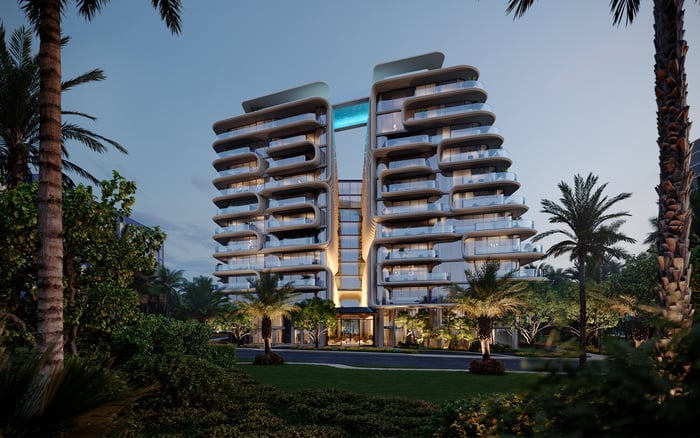
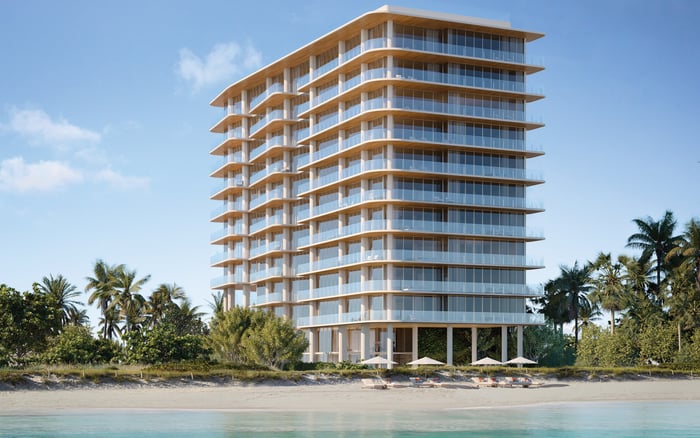
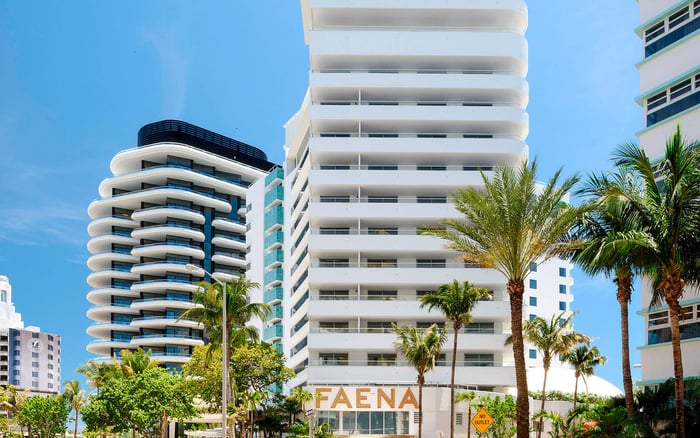
In ultra-premium coastal living, privacy is as much acoustic as it is visual. For buyers considering The Delmore Surfside, the right question is not whether the building will feel quiet on a calm weekday morning, but whether it will stay composed through the full rhythm of Surfside: ocean wind, social arrivals, elevator traffic, adjacent construction cycles, and the subtle hum of shared amenities. Because detailed, building-specific acoustic specifications are not always publicly disclosed at the level an elite buyer would prefer, the most practical approach is a disciplined due-diligence framework. This editorial outlines the protocols to assess acoustic privacy at The Delmore Surfside, the questions to ask, and the tests that separate a merely “luxury” experience from truly discreet residential calm.

In an oceanfront village like Surfside, acoustic privacy is not a single feature-it is a lived condition. Elite buyers tend to register noise the way they register craftsmanship: not as a one-off annoyance, but as a cumulative signal that either communicates restraint or reveals compromise.
At The Delmore Surfside, the objective for many purchasers is a residence that reads as private even when the building is active: arrivals feel seamless, amenities stay energetic without bleeding into living areas, and the home remains a controlled interior environment regardless of weather. That is why sophisticated buyers scrutinize acoustic performance with the same rigor they apply to view corridors, security, and service.
Surfside (and neighboring Bal-harbour) introduces specific variables: salt air and wind loads that influence façade design, a walkable street grid that can concentrate vehicle and delivery noise at certain hours, and the simple fact that oceanfront living includes the ocean itself. You are not buying silence. You are buying a refined, predictable soundscape.
Acoustic privacy in a new luxury condominium is built as an interlocking stack. When one layer underperforms, it can compromise the entire experience.
1) Structural assembly (slabs, walls, and connections).
The most consequential sound control starts with mass and separation. Slab thickness, wall build-ups, and how partitions tie into the structure influence both airborne sound (voices, TV) and impact sound (footfalls, chair movement). Ask how demising walls are constructed and how penetrations are handled-because even exceptional finishes cannot rescue a weak assembly.
2) Façade and glazing.
In coastal towers, windows and sliding doors are the most exposed interface. Acoustic comfort depends on glazing specification, framing, seals, and installation tolerances. A residence can deliver extraordinary views and still feel acoustically vulnerable if sliders are not precisely detailed.
3) Mechanical systems (HVAC).
Many owners experience “noise” as the steady presence of mechanical hum, airflow hiss, or vibration. The best buildings feel quiet because ducts, diffusers, and equipment are selected and installed with residential calm in mind. It is also a privacy issue: acoustic crosstalk through mechanical pathways can carry voices farther than most people expect.
4) Doors and thresholds.
Corridor noise is often the real luxury test. Solid-core entry doors, proper gaskets, and thoughtful vestibule conditions matter. In boutique buildings, the difference between “home” and “hotel” can come down to what you hear when someone walks by.
5) Plan logic and adjacency.
Even a well-built shell can be undermined by poor stacking and adjacency. Bedrooms against elevator lobbies, trash rooms, or amenity zones will rarely feel as composed as bedrooms buffered by closets, baths, or other low-activity uses.
Buyers evaluating The Delmore Surfside should press for clarity in four categories: targets, details, verification, and long-term maintainability.
Targets.
Request the project’s internal performance targets for airborne and impact sound separation, and confirm whether those targets align with luxury residential expectations. You do not need adjectives-you need the thresholds the team designed to achieve.
Details.
Ask for written descriptions of demising wall assemblies, the floor underlayment approach, façade glazing types, and the entry-door sealing strategy. If the response stops at “high-end materials,” treat that as a cue to go deeper.
Verification.
The strongest answer is a defined testing plan-whether pre-delivery mockups, field testing of sample conditions, or post-installation commissioning. “We will meet code” is not the same as “we are building for discretion.”
Maintainability.
Acoustic performance erodes when seals fail, sliders drift out of alignment, and hardware wears. Ask for the recommended maintenance cadence for door gaskets and window seals, and whether the building’s service culture is built to support that level of care.
In the Surfside market, many buyers also calibrate the overall residential feel against established nearby benchmarks, including Ocean House Surfside, where the buyer profile similarly prioritizes quiet, boutique living. The point is not to mirror another building-it is to sharpen expectations for what “private” should feel like in this micro-market.
Noise pathways are often predictable. When you understand them, you can evaluate them with intent.
Corridor and elevator core transmission.
If privacy is a priority, favor lines where primary living and sleeping spaces are not directly on a corridor wall. In any building, elevator lobbies are acoustically busy-footsteps, conversations, door chimes, and occasional moving carts. The best outcomes typically include a buffer such as a foyer, gallery, or layered threshold.
Amenity adjacency.
Amenity decks, fitness rooms, lounges, and pool zones produce a different sound profile: intermittent, social, and often seasonal. Ask how amenities are separated from residences vertically and horizontally, and whether designated service routes keep back-of-house activity from spilling into residential corridors.
Balcony exposure.
A balcony is a luxury feature, but acoustically it is a porous boundary. Factor in wind, wave activity, and city sounds that can reflect off neighboring façades. A disciplined buyer evaluates balcony door seals, track systems, and whether the interior plan allows bedrooms to be closed off from balcony-facing social areas.
Mechanical and plumbing chases.
Bathrooms and kitchens concentrate penetrations. Ask how stacks are isolated, and whether any bedrooms back up to wet walls. The calmest residences often place closets or circulation along these zones.
If you are comparing Surfside’s building types with other waterfront contexts, it can help to visit a different coastal profile like 57 Ocean Miami Beach to experience how façade exposure, setback, and neighborhood tempo influence perceived quiet. You are listening for composure, not just decibel levels.
Acoustic privacy can be evaluated methodically without turning your purchase into an engineering project.
Request a written acoustic scope.
Ask for a concise statement describing the project’s approach to sound control across structure, façade, and MEP. The quality of the response often signals whether acoustic comfort was a foundational design value or a later add-on.
Ask for typical details, not exceptions.
Luxury brochures highlight best-case conditions. You want typical unit-to-unit separation details, corridor wall conditions, and balcony door specifications.
Walk the site like a sound map.
When possible, visit at different times-early morning, mid-day, and early evening. Spend time where noise originates: near elevator cores, amenity entries, and service access points. Then consider what those sounds would feel like one wall away.
Listen for low-frequency issues.
Low-frequency vibration is both the hardest to ignore and the hardest to correct after the fact. Even in an otherwise calm building, mechanical rumble can erode the experience. Track the subtle, continuous sounds.
Plan-based selection.
Choose layouts that inherently protect sleep zones. A bedroom set behind a gallery or closet wall is a meaningful luxury, even when the view is identical.
In top-tier residential buildings, acoustic privacy is also operational.
Move-in and service management.
Well-run buildings schedule moves, manage deliveries, and limit corridor disruption. This is as much cultural as it is procedural.
Amenity etiquette and programming.
Some buildings feel perpetually social; others feel quietly curated. If discretion matters to you, ask how amenity spaces are intended to be used and whether time-based guidelines protect residential calm.
Owner profile and rental posture.
Buildings with a strong long-term ownership culture often feel quieter day to day. Policies vary widely, but buyers who prioritize acoustic privacy commonly ask whether the community skews toward full-time living, second-home use, or frequent turnover.
For perspective, consider how neighborhood ecosystems shape this culture. In Brickell, for instance, pace and density can make lobby and arrival acoustics more pronounced, which is why buyers sometimes compare the lived experience at projects like 2200 Brickell even when they ultimately prefer Surfside’s calmer coastal cadence.
Acoustic issues are easiest to resolve before final installation and turnover. Elite buyers should focus on what can be documented.
Confirm specifications in writing.
Where possible, ensure that key items you care about-such as door type, glazing category, and the underlayment approach-are clearly defined in your purchase documentation or approved addenda. Vague language invites variability.
Prioritize upgrades that protect quiet.
If optional packages exist, favor those that improve seals, door hardware, or underlayment over purely aesthetic upgrades. Acoustic comfort pays you back every day.
Pre-walk and punch with a sound lens.
During walkthroughs, close every door, test every slider, and listen for air leaks. Poor seals often present as both sound intrusion and comfort issues.
Plan for post-close calibration.
Even a well-built home benefits from adjustment: door strike plates, slider alignment, and gasket tuning. Building teams that treat this as standard typically deliver a more polished result.
For the ultra-premium buyer, acoustic privacy is not about extracting an impossible promise of silence. It is about insisting on intentional design, measurable performance, and a building culture that sustains the standard over time.
In Surfside, a residence should read as a retreat without severing you from the sensory pleasure of the ocean. The right protocols help you select the right line, the right level of exposure, and the right expectations for a home that stays discreet through both quiet seasons and active ones.
To broaden your listening benchmark, some buyers also tour a nearby design-forward Surfside address such as Eighty Seven Park Surfside, focusing less on finishes and more on how arrival zones, corridors, and unit thresholds manage sound.
What is acoustic privacy in a luxury condo, in practical terms? It is the ability to live normally without hearing neighbors, corridors, or amenities, and without your own sound carrying outward.
Which noise source is most underestimated by buyers? Corridor and elevator-lobby noise is often more disruptive than street sound because it is intermittent and close.
Do higher floors automatically mean quieter interiors? Not always; higher floors can reduce street noise, but wind and façade exposure can become more noticeable.
Are balconies a liability for acoustic privacy? They can be if sliding doors and seals are not exceptional; the balcony opening is a primary sound pathway.
What should I ask the developer about soundproofing? Ask for performance targets, typical wall and floor assemblies, glazing approach, and whether field testing is planned.
Can HVAC systems compromise privacy between units? Yes; poorly designed ducting and penetrations can transmit sound, even when walls are otherwise robust.
Is it possible to improve sound control after closing? Some improvements are feasible (seals, gaskets, furnishings), but core structure and glazing are difficult to change.
How can I evaluate sound during a walkthrough? Close doors and sliders, stand near wet walls and entry doors, and listen for low-frequency hum or air leaks.
Do amenity floors affect unit quiet? They can; adjacency to gyms, lounges, and pool decks may introduce seasonal and time-of-day sound patterns.
What is the simplest layout choice that improves privacy? Bedrooms buffered by closets or bathrooms, rather than sharing walls with corridors or building cores, tend to feel calmer.
If you'd like a private walkthrough and a curated shortlist, connect with MILLION Luxury.
If branded residences are on your mind — as a home or as an allocation — we would be glad to share what we are seeing, privately.
Begin a quiet conversation