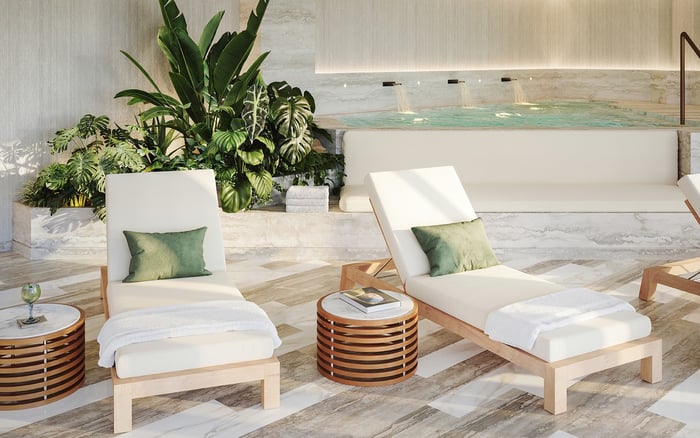
A buyer-oriented look at what “seamless indoor-outdoor” really means at The Perigon Miami Beach, with practical cues to evaluate light, airflow, privacy, and day-to-night usability in an oceanfront residence.
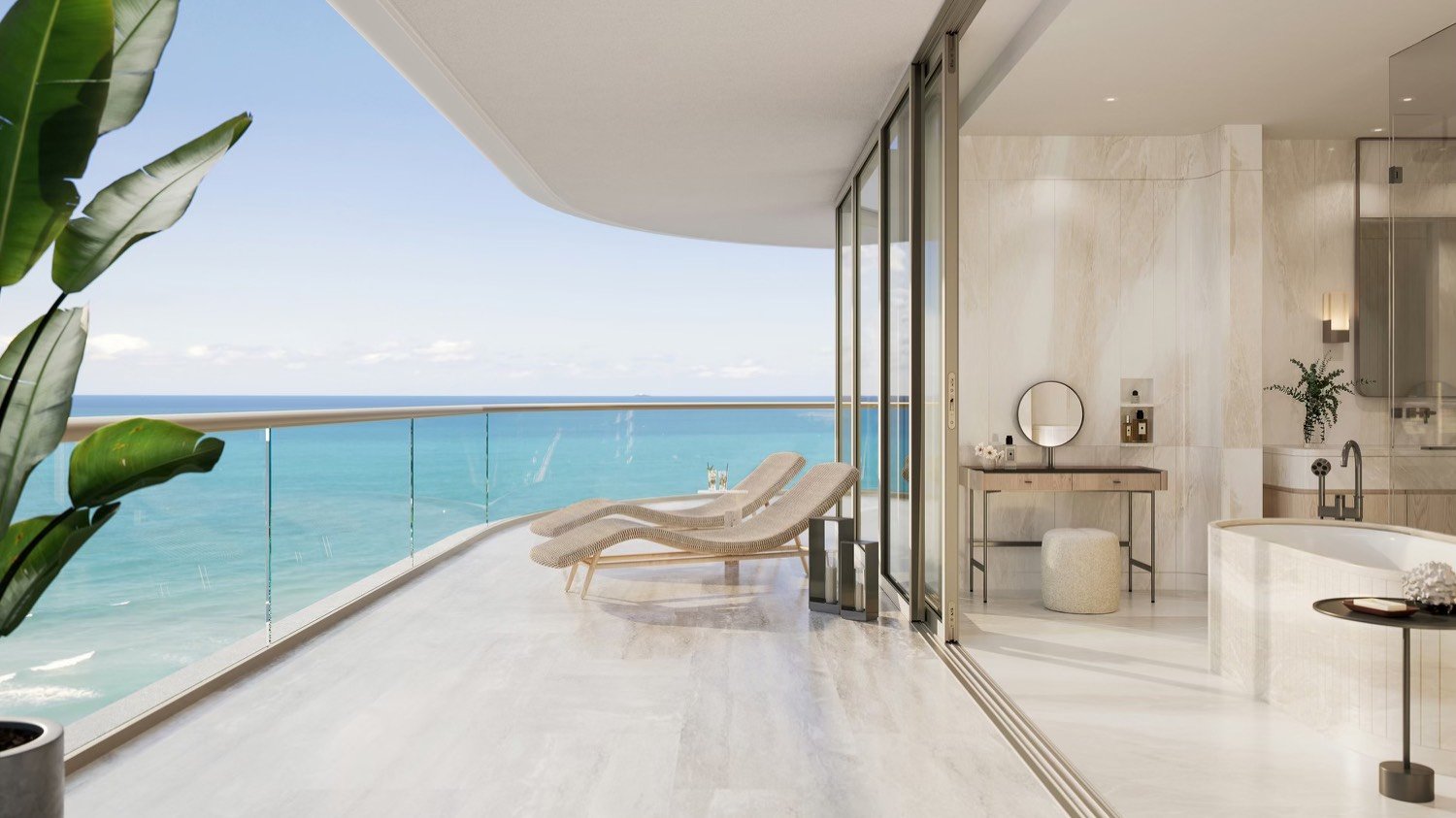
In Miami Beach, “indoor-outdoor living” is not a marketing phrase. It is the difference between a residence that feels expansive in daily use and one that only photographs well. At The Perigon Miami Beach, the promise of a seamless transition sits at the center of the lifestyle proposition: oceanfront air, terrace-forward entertaining, and a home that can shift from quiet retreat to social hosting without friction.
Because publicly disclosed specifications can vary over time and by residence type, the most reliable way to assess “seamless” is to focus on design cues that do not rely on a brochure. Think like an owner who uses the space every day: you want the threshold to disappear, the climate to stay comfortable, and the exterior to perform as a true extension of the interior.
The goal is not maximal openness at all times. The goal is control. The best indoor-outdoor residences feel effortless when open-and just as composed when closed.
Start with the smallest detail, because it sets the tone for everything: the line where interior flooring meets the terrace. A seamless transition is built, not declared.
Look for a minimal step-up or step-down, with clean detailing that reads as a single plane. When the threshold is bulky, it breaks circulation, complicates furniture placement, and subtly signals that the terrace is separate. When it is refined, the terrace becomes part of the living room’s geometry.
Water management is just as critical. Miami Beach exposure makes wind-driven rain a reality. The best transitions anticipate this with discreet drainage, sensible slope, and door systems that close with confidence. A truly usable terrace is one you can furnish without obsessing over every storm.
Finally, pay attention to how the door system behaves in real use. “Pocketing” and “stacking” concepts can photograph similarly, but the experience is different: sightlines, sound attenuation when closed, and whether opening feels smooth or fussy. The buyer’s question is simple: does it feel like a ritual-or a single motion you will actually do every evening?
Miami Beach light is magnificent-and relentless. The most sophisticated indoor-outdoor design is not the one that admits the most sun at noon, but the one that remains pleasant at 3 p.m. in summer.
Evaluate how the interior handles glare with doors open. Floors, walls, and ceiling planes can amplify brightness; glazing can either clarify views or reflect the room back at you. A well-composed residence will feel bright without forcing you to drop shades the moment you sit down.
This is where oceanfront living diverges from skyline-facing districts. In Brickell, the glass-forward experience often prioritizes vertical views and evening glow. In Miami Beach, the terrace is the stage, and daylight management becomes central to daily enjoyment. If you want a useful comparison point for contemporary coastal glazing and outdoor programming, consider how newer oceanfront projects position terraces as primary living zones, such as 57 Ocean Miami Beach.
In practice, look for layered control: shading that deploys without darkening the room, and exterior overhangs or architectural breaks that temper direct sun. The best homes let you curate light the way you curate art.
A seamless transition is also a sensory transition. When the doors open, you invite in breezes, salt air, and the ambient soundtrack of the shoreline. Whether that reads as serenity or distraction comes down to design and orientation.
Cross-ventilation matters. A residence that can breathe naturally will feel cooler and fresher, and it will make you more likely to keep terrace doors open. Even in a fully conditioned home, the option to rely on natural airflow is a luxury because it changes your relationship to the day.
Acoustics matter just as much. Oceanfront is not silent-and neither is Miami Beach. Listen for how the terrace and interior manage sound when open and when closed. True luxury is choice: host with the doors open, then close them and return to a quieter interior without a sense of compromise.
If you are comparing beachfront living to more protected waterfront environments, it can help to experience a different exposure profile. A project like Oceana Key Biscayne can offer a distinct sense of wind, light, and sound, clarifying what you personally want from an indoor-outdoor lifestyle.
A “seamless” terrace should support the same level of furnishing intent as an interior room. The real test is whether you can create zones without fighting the architecture.
Think in three programs:
Dining: A table that seats your preferred number, with circulation around it. If a terrace only fits a small table and two chairs, it can still be charming, but it is not the same value proposition as a true outdoor dining room.
Lounge: A sofa grouping that doesn’t block door movement and doesn’t feel exposed. On Miami Beach, privacy and wind are part of lounge comfort. A usable lounge zone should read like a resort cabana translated into residential scale.
Quiet corner: A single chair or chaise positioned for reading, morning coffee, or sunset decompression. This is often the zone that becomes the most emotionally valuable over time.
Then audit the supporting infrastructure: Where does lighting live so it feels residential rather than temporary? Are there convenient power points for discreet lamps or a speaker? Is there a natural location for greenery that frames views without becoming maintenance-heavy?
In Miami Beach, terraces also need to work from day to night. You want shade at midday and comfort in the evening. If the terrace requires constant rearranging, it will be underused.
Oceanfront living invites attention. The same openness that delivers a cinematic view can also create a feeling of being on display-especially on lower elevations or near amenity decks.
Seamless indoor-outdoor design therefore requires a seamless privacy strategy. That doesn’t mean fortress-like separation; it means controlling what is visible, from where, and when.
Evaluate:
Sightlines from neighboring terraces: Are you framed by architecture, landscaping, or screens that provide discretion without sacrificing the view?
Amenity adjacency: If your terrace faces active common areas, you may want a more layered buffer.
Interior visibility: With doors open at night, interior lighting can turn your living room into a stage. The most refined homes anticipate this with lighting design and shading that preserve ambiance while protecting privacy.
This is one reason buyers often cross-shop Miami Beach with more privacy-forward enclaves. Experiencing a different typology, such as the ultra-curated residential environment at Apogee South Beach, can help clarify whether you prefer a highly social beachfront posture or a more discreet one.
Today’s luxury buyer in Miami Beach is not simply purchasing a view. They are purchasing a daily rhythm: barefoot mornings, terrace lunches, and evenings that move from interior cocktails to ocean air without a wardrobe change.
That’s why the indoor-outdoor connection is the most actionable lens for assessing value. It speaks to:
Lifestyle efficiency: A terrace you actually use can expand your lived experience without chasing novelty.
Entertaining credibility: A home that flows naturally makes hosting feel unforced.
Resale resilience: Design that reads as timeless-and performs in real weather-tends to hold.
While every building expresses this differently, the best outcomes share a consistent sensibility: terraces proportioned as primary rooms, openings that don’t feel compromised, and a clear understanding that Miami Beach luxury is experiential.
When you tour The Perigon Miami Beach or any oceanfront residence, follow a simple sequence. It keeps your evaluation grounded in what matters after the adrenaline of the view fades.
Does it already feel expansive, or does it read like a glass wall?
Note effort, sound, and how far the opening actually goes.
From kitchen to dining to lounge to terrace and back. Pinch points reveal themselves quickly.
If you can’t imagine sitting outside at midday, the terrace may be decorative.
Open, half-open, and closed should all feel livable.
Consider lighting, reflections, and privacy from outside.
This approach applies across South Florida-whether you are evaluating Miami Beach, Key Biscayne, or a different coastal expression such as 2000 Ocean Hallandale Beach. The locations change, but the test stays consistent: does the home make the outdoors easy, comfortable, and genuinely livable?
What does “seamless indoor-outdoor transition” actually mean in a condo? It means the terrace functions like an extension of the living space, with minimal visual and physical interruption.
Is a bigger opening always better for indoor-outdoor living? Not necessarily; the best opening balances view, ventilation, and the ability to close for comfort and quiet.
What should I look for at the terrace threshold? Focus on minimal level changes, refined detailing, and confidence that the system handles wind-driven rain.
How do I evaluate glare and heat during a tour? Tour at different times if possible and note whether you immediately want shades or feel comfortable staying open.
Does oceanfront airflow make a residence feel cooler? It can, especially when the layout supports natural ventilation, but comfort depends on orientation and design.
Will terrace noise always be an issue in Miami Beach? It varies; the key is whether the home feels pleasant both open for lifestyle and closed for privacy and rest.
How do I know if a terrace is truly furnishable? If you can place dining and lounge zones with clear circulation and without blocking door operation, it is viable.
What privacy factors matter most for indoor-outdoor living? Neighbor sightlines, amenity proximity, and nighttime interior visibility are the most common considerations.
Is indoor-outdoor living more valuable for end users or investors? End users often capture the lifestyle value daily, while investors benefit when livability supports long-term demand.
What is the smartest way to compare The Perigon to other South Florida options? Compare how each home handles thresholds, shade, privacy, and real-world terrace usability, not just the view.
For a tailored shortlist and next-step guidance, connect with MILLION Luxury.
If branded residences are on your mind — as a home or as an allocation — we would be glad to share what we are seeing, privately.
Begin a quiet conversation