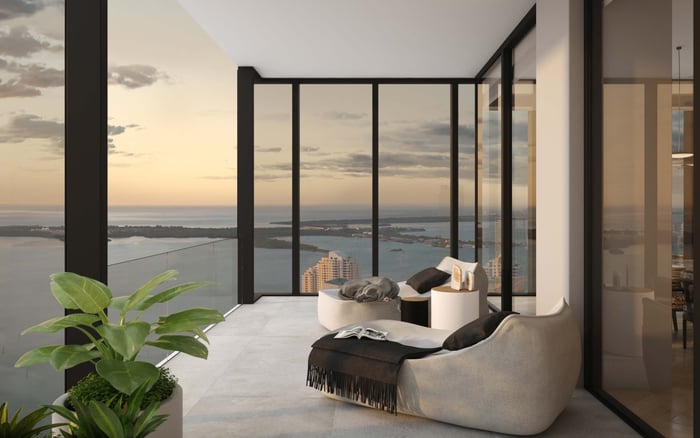
In Downtown Miami’s supertall living, silence is engineered, not assumed. From elevator-core separation and slab detailing to facade performance and mechanical-room isolation, the best towers treat acoustics as a system that begins at the site and ends at the door sweep. This buyer-focused guide explains what to listen for, what to ask for, and how to read between the lines of a glossy finish schedule when you are underwriting comfort at altitude.
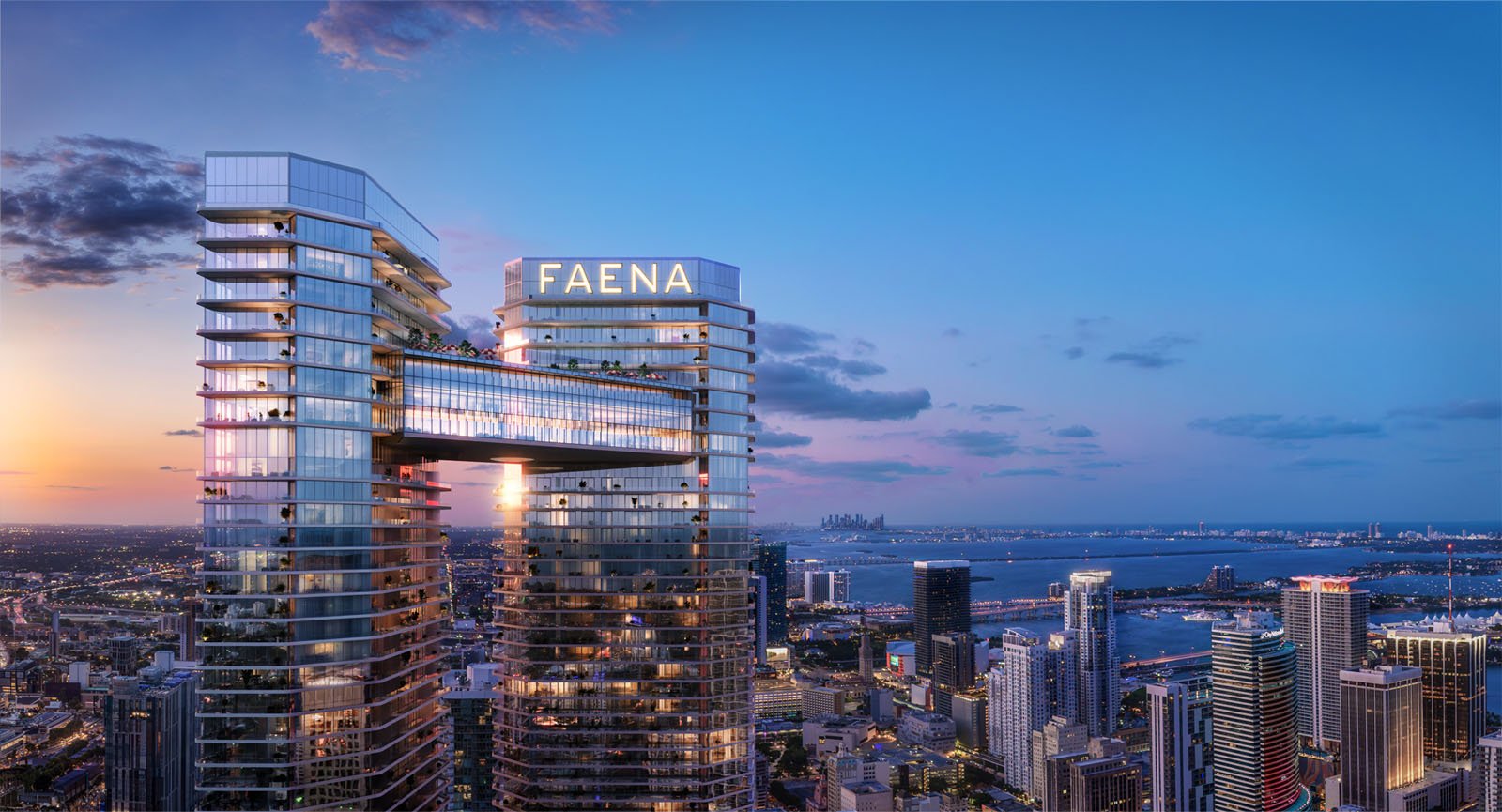
Downtown Miami has matured into a true high-rise neighborhood, where supertalls are no longer a novelty-they are the context. With that scale comes a different acoustic reality: height amplifies wind effects, density multiplies neighbors, and mixed-use programming can place residences above lobbies, restaurants, amenity decks, and building systems that never fully sleep.
For buyers, “quiet” is not a single specification. It is the outcome of dozens of coordinated decisions: preventing sound from entering, limiting how it travels, and reducing how much is generated in the first place. In a supertall, the most convincing silence is rarely accidental.
Downtown’s lifestyle benefits are obvious, but the value proposition for premium residential floors is increasingly tied to acoustic predictability. In this corridor, asking how a tower manages sound is not picky-it is prudent.
Acoustics in vertical living often gets reduced to one vague complaint: “I can hear everything.” In practice, the drivers typically fall into three categories, each requiring different design and detailing.
Airborne sound is what most people imagine: voices in a corridor, a TV next door, or city noise through the facade. Control here is largely dictated by wall assemblies, glazing selection, door construction, and the seals that make those components perform as a system.
Impact sound is the more aggravating cousin: footsteps, chair slides, dropped objects, and fitness activity transmitted through floors and structure. It is addressed through slab design, resilient underlayments, and disciplined detailing at penetrations and perimeter edges.
Mechanical and building services noise is the stealth category: fan hum, pump vibration, elevator movement, plumbing rush, generator testing, and air-handling transitions. In a supertall, this can be the deciding factor between “hotel calm” and “beautiful but restless.”
A buyer evaluating Downtown supertalls should map these categories to the spaces they will actually live in-bedroom, primary bath, home office, balcony-and the adjacent vertical risers. Quiet is location-specific, not just building-specific.
Downtown’s soundscape is layered: traffic, sirens, waterfront activity, and a constant undercurrent of construction and nightlife. Facade performance is the first line of defense, but it is only as strong as its weakest joint.
In practical terms, the buyer experience often comes down to three elements.
First, glazing configuration. Not all “floor-to-ceiling” is equal. Glass thickness, lamination, air gaps, and frame design materially change how a facade attenuates noise. In a supertall-where views sell the unit-glass also has to behave like a true barrier.
Second, operable openings. Sliding doors and window systems are frequent comfort risks because they introduce moving parts and seals that can age. A quiet unit often hinges on an unglamorous detail executed well: intact gaskets, consistent compression, and properly adjusted hardware.
Third, balcony and slab-edge detailing. Sound does not only arrive through the center of the glass. It can flank around edges, particularly where slab meets curtain wall. In coastal high-rises, exterior conditions also stress those junctions over time.
If you are comparing Brickell-adjacent inventory to the Downtown core, it can be useful to tour a few distinct product types to calibrate your ear. For example, the buyer profile considering Casa Bella by B&B Italia Downtown Miami may prioritize “city energy with retreat-level interiors,” while a different lifestyle might lean toward a calmer waterfront orientation.
Luxury buyers often focus on finishes, but floor sound is primarily structural. In supertalls, floors are not just surfaces-they are large, continuous plates tied into a stiffening system that manages wind and lateral forces. Without strategic separation, that structure can become an efficient pathway for vibration and impact.
What tends to matter in daily living:
Resilient underlayments beneath hard flooring. The most refined interiors often favor stone, wide-plank wood, and large-format porcelain. Those materials read elevated, but they are acoustically unforgiving unless the assembly includes resilient layers designed for impact control.
Perimeter isolation. Even with strong underlayment, sound can bypass through perimeter conditions-where flooring meets walls, sliding-door tracks, or built-in millwork. A narrow, unsealed gap can compromise an otherwise capable assembly.
Penetration discipline. Kitchens, bathrooms, and laundry rooms introduce drains, vents, and supply lines. In vertical stacks, small penetrations can act like sound chimneys unless they are sealed and detailed to block flanking paths.
This is one reason touring multiple floors matters. A tower can have an excellent reputation and still deliver different acoustic outcomes depending on stack location, adjacency to amenity levels, and proximity to service risers.
Downtown supertalls are complex buildings. They contain not only residences, but also the machinery required to move people, manage air, handle water pressure, and maintain safety systems. That sophistication can be impressive-and it also introduces more potential noise sources.
Elevator zones are a frequent culprit, particularly for units that share a wall with an elevator core or sit near a lobby vestibule. Elevator noise can present as audible movement, corridor chimes, or structure-borne vibration that is felt more than heard. The best buildings plan buffer zones-storage rooms, service corridors, or thicker assemblies-between the core and residences.
Mechanical floors can be excellent neighbors or problematic ones. A well-isolated mechanical level is largely invisible. A poorly isolated one can produce persistent low-frequency hum that is difficult to mask. If you are considering a unit directly above or below a mechanical level, ask targeted questions about vibration isolation and where equipment is mounted.
Amenity decks, pools, and fitness rooms introduce both impact and airborne noise. In a supertall lifestyle building, amenities are not an afterthought-they can be the social center. Treat adjacency to these levels as a meaningful variable in valuation, especially for bedrooms.
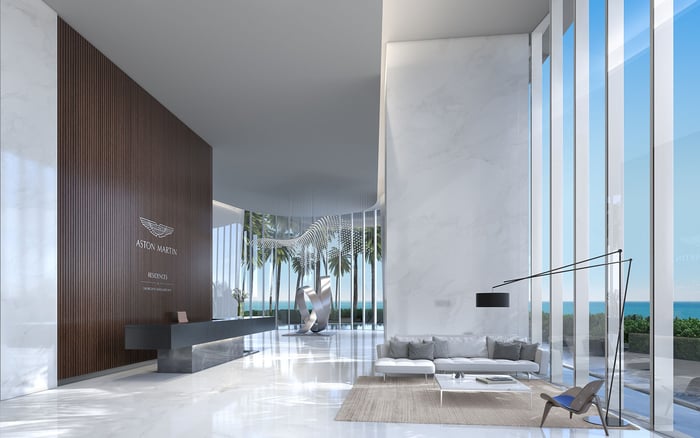
A Downtown buyer comparing residences with a marina-forward address such as Aston Martin Residences Downtown Miami should evaluate not only views and arrival, but also how the tower transitions from public energy to private calm: lobby acoustics, elevator vestibules, and corridor sound control.
Luxury acoustics can be lost at the front door. Corridors are shared spaces with rolling luggage, deliveries, and conversations. The main entry needs to perform like a sound lock.
A strong residential door assembly is typically heavy, well-sealed, and paired with a threshold detail that closes the final millimeter. The presence of a vestibule-or even a slight turn between the door and the living area-can materially improve perceived privacy.
Inside the residence, quiet often depends on what designers call “soft thresholds.” Think of a powder room buffering a bedroom from a corridor wall, or closets positioned along party walls. These moves may not stand out in a brochure, but they become clear in plan review.
In an ultra-urban setting, some buyers also prioritize layouts that place primary bedrooms away from balcony doors or away from the facade facing the loudest street frontage. This is not about avoiding the city. It is about choosing where you want to experience it.
Because the Research Pack and Fact Table provided here do not include project-specific acoustic metrics, the most responsible approach is to focus on what a buyer can verify through due diligence and on-site experience.
During a showing, pay attention to the quiet moments. Stand in the primary bedroom with the doors closed, then with the air-conditioning operating. Listen for tonal hum, intermittent cycling, or vibration. Visit at two different times if possible, because urban sound patterns can shift dramatically between midday and late evening.
Ask for the building’s typical acoustic performance targets where available, especially for party walls and floor assemblies. Terms you may hear include STC for airborne sound and IIC for impact sound. Numbers alone do not guarantee comfort, but a coherent target strategy often signals seriousness.
Evaluate the facade from inside: are there whistling points around sliders, are seals intact, and does the unit feel “pressurized” in a calm way when closed? In high wind conditions, poorly tuned openings can telegraph more than noise.
Confirm where the unit sits relative to elevators, trash rooms, mechanical risers, and amenity floors. A stunning view line is not the only axis of premium.
Brickell’s newest residential wave also raises expectations for a more hotel-like acoustic envelope, particularly in towers positioned as global luxury product. Buyers cross-shopping near Brickell can compare the overall comfort narrative with projects such as 888 Brickell by Dolce & Gabbana or The Residences at 1428 Brickell as a reference point for how the market frames privacy and interior calm.
In a supertall, acoustics rarely fail in one dramatic way. More often, they fail by accumulation: small gaps, hard connections, and a few unlucky adjacencies.
Red flags to treat seriously:
Corridor audibility at the entry door, especially if you can clearly distinguish speech. That suggests weak seals or a lightweight assembly.
Noticeable vibration when HVAC cycles. Low-frequency issues are difficult to “decorate away.”
Units directly adjoining elevator shafts or service rooms without an obvious buffer.
Hard-surface flooring without any indication of resilient separation. Impact noise can become the defining quality of a home.
Green flags worth valuing:
A calm corridor and “dead” sound at the door, suggesting robust assemblies.
Bedrooms buffered by closets or baths rather than directly facing shared walls.
Balanced mechanical sound that reads as soft airflow rather than motor tone.
Well-maintained window and slider hardware with clean compression seals.
Downtown buyers should also remember that acoustic quality is partially an operations issue. Even a well-designed building can feel louder if service policies and maintenance discipline are lax. Conversely, strong management can preserve quiet through upkeep of seals, door closers, and mechanical tuning.
What makes supertall acoustics different from a typical high-rise? The building is taller, denser, and more mechanically complex, so sound control must address more paths and more equipment.
Is exterior noise mostly solved by “better glass”? Glass matters, but seals, frames, and slab-edge detailing often determine whether noise flanks around the system.
What’s the biggest cause of neighbor noise in luxury towers? Impact sound through floors and flanking paths around edges is a common issue, especially with hard flooring.
Should I avoid units near amenity floors? Not always, but adjacency increases risk from footfall and social noise, so it deserves extra listening during tours.
Do higher floors automatically mean quieter interiors? Higher floors can reduce street-level noise, but wind, facade behavior, and mechanical adjacencies can still dominate.
How can I test a unit’s corridor privacy quickly? Close the entry door and listen for hallway speech or rolling carts; strong doors and seals should reduce both.
What should I ask about HVAC noise? Ask where air-handling equipment is located and whether vibration isolation is used to prevent structure-borne hum.
Are sliding balcony doors inherently noisy? They can be, but high-quality systems with good compression seals and proper adjustment can perform very well.
Will adding rugs and drapery fix a noisy residence? Soft furnishings can help with echo and some impact noise, but they rarely solve structural or mechanical issues.
Is acoustic performance consistent across stacks in the same building? It can vary by layout, riser locations, and proximity to elevators or amenities, so evaluate each stack on its own.
To compare the best-fit options with clarity, connect with MILLION Luxury.
If branded residences are on your mind — as a home or as an allocation — we would be glad to share what we are seeing, privately.
Begin a quiet conversation