A practical, discreet guide for seasonal buyers evaluating how private-dining reservation rights should be reviewed at Andare Residences Fort Lauderdale, from priority access and guest use to documentation, fees, and resale implications.
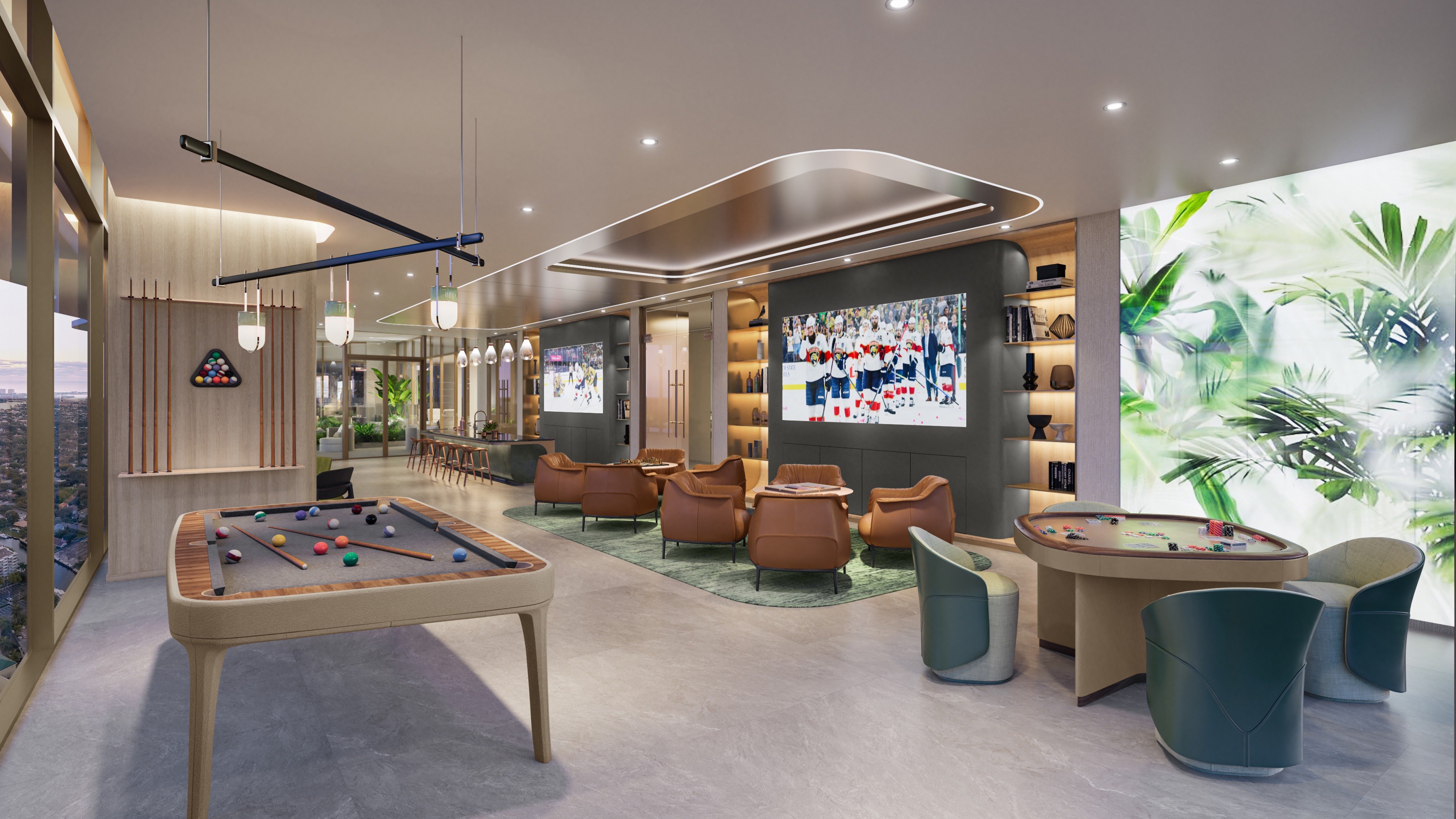
For seasonal buyers, the most meaningful luxury amenities are often the ones that compress time. A private dining room can turn a short winter stay into a polished social calendar, giving owners a private setting for family, visiting friends, business associates, or charity conversations without leaving the building. At Andare Residences Fort Lauderdale, buyers evaluating private-dining reservation rights should treat the subject with the same rigor they bring to parking, storage, pet policy, and terrace use.
The central question is not whether a dining venue appears beautiful in presentation materials. The more important question is how access is controlled when demand is highest. Seasonal ownership concentrates use into the same months when other residents may want the same prime evenings. A room that feels effortless in theory can become complicated if reservation priority, guest rules, service charges, cancellation windows, and holiday limitations are not clearly understood before contract and closing.
In buyer shorthand, this is where Fort Lauderdale lifestyle logic meets Broward seasonality, second-home ownership patterns, new-construction governance, and pre-construction document review. The amenity may be emotional, but the rights should be precise.
Begin with priority. Does every owner receive equal access, or is there a defined hierarchy based on residence type, ownership status, advance booking window, or association rules? If an owner plans to arrive for a limited winter stay, a two-week delay in access can meaningfully affect the entire season.
Next, ask how far in advance reservations may be made. Seasonal buyers often plan dinner parties around flights, yacht days, art events, holidays, and family visits. A clear booking calendar is more valuable than a verbal assurance that access is available. Buyers should also ask whether recurring reservations are permitted, whether owners may hold multiple dates at once, and whether unused reservations are released back to the community.
Guest policy is equally important. Some buildings distinguish between owner-attended events and guest-only use. Others may limit outside guests, outside catering, alcohol service, décor, music, photography, or attendee count. A seasonal buyer who expects to entertain extensively should verify whether the intended use fits the actual rules.
Private-dining rights matter most when South Florida is at full social intensity. During peak season, a Friday dinner, holiday weekend, or major-event evening may be materially different from a quiet weekday in late summer. Seasonal buyers should therefore avoid evaluating access based only on general amenity language.
Ask specifically about blackout dates, holiday policies, special-event surcharges, and association discretion. If the building reserves the right to close the room for maintenance, developer events, association functions, or private programming, those exceptions should be understood. The practical value of reservation rights depends on availability when the owner is actually in residence.
A sophisticated buyer will also consider whether private dining is intended for intimate residential hosting or more formal events. The distinction affects noise, staffing, cleaning, security, insurance, and elevator use. It also shapes neighbor expectations. The most successful amenity programs protect both the host and the broader residential environment.
Private-dining access should be confirmed through the relevant condominium, association, or amenity-use documents, as applicable. Marketing language can express a lifestyle vision, but the binding rules typically live elsewhere. Buyers should ask counsel to review the exact source of any reservation rights, including whether policies may be amended by the association, board, manager, or developer.
Important details include booking procedures, deposits, damage responsibility, cleaning charges, staffing costs, cancellation penalties, transferability, and enforcement. If the rules can change after turnover or by board vote, the buyer should understand that flexibility. A private-dining privilege subject to future rulemaking can still be valuable, but it should not be treated as fixed unless the documents support that conclusion.
Seasonal buyers should also ask whether rights attach to ownership, residency, or active occupancy. That distinction can matter for families, trusts, corporate ownership, permitted occupants, and guests using the residence when the owner is elsewhere.
A reservation right is not always an all-inclusive dining experience. Buyers should separate access to the room from food and beverage costs, staffing, gratuities, cleaning, security, corkage, equipment, audiovisual needs, and potential minimum spends. The financial difference can be modest for a small dinner and significant for a larger seasonal gathering.
Service standards should be clarified as well. Is the dining experience supported by an in-house team, approved vendors, third-party catering, or owner-arranged service? Are menus curated, restricted, or fully customizable? Are there preferred providers, and are owners required to use them? For many luxury buyers, the value lies not merely in reserving a space, but in knowing the experience can be executed without friction.
If entertaining is central to the purchase decision, buyers should request sample rules, sample fee schedules, and a practical explanation of how a typical dinner would be booked from start to finish. The objective is not to overcomplicate the amenity. It is to ensure the service promise matches the owner’s intended lifestyle.
Private-dining reservation rights can support future resale appeal when they are clearly governed and easy to explain. Buyers are increasingly attentive to hospitality-grade convenience inside residential buildings, especially when ownership is seasonal. A private room that extends the residence for hosting can feel like a meaningful addition to the home.
Resale value, however, depends on clarity. If rights are vague, difficult to reserve, or subject to frequent dispute, the amenity may lose some of its persuasive power. Future buyers will ask the same questions: Who gets priority, how often can it be used, what does it cost, and can guests participate?
Rental considerations require separate review. If an owner ever expects to lease the residence, private-dining access may be limited for tenants or occupants. Some associations restrict amenity privileges differently for owners, family members, and renters. A buyer should not assume that every ownership benefit transfers automatically to a seasonal tenant or guest.
Before committing, buyers should request the current private-dining rules and identify who has authority to amend them. They should confirm reservation windows, peak-season limits, guest capacity, holiday treatment, deposits, cancellation policies, service requirements, and all potential fees. They should also ask whether there is a history or anticipated framework for waitlists, priority conflicts, and dispute resolution.
Equally important is lifestyle fit. A buyer who plans two intimate dinners per season needs a different level of access than a buyer who expects to host every visiting weekend. The right question is not simply whether the amenity exists. It is whether the buyer’s real pattern of use is compatible with the building’s operating culture.
For Andare Residences Fort Lauderdale, the private-dining conversation should be part of a broader evaluation of residence choice, amenity governance, and seasonal rhythm. A beautifully designed amenity is most valuable when its rules are understood before the first invitation is sent.
What are private-dining reservation rights? They are the rules or privileges that determine how owners may reserve and use a building’s private dining space.
Why do these rights matter more for seasonal buyers? Seasonal buyers often use the residence during peak months, when demand for prime dining dates may be highest.
Should buyers rely on amenity descriptions alone? No. Buyers should review the governing or amenity-use documents that control access, fees, and operating rules.
Can reservation rights change after purchase? They may be subject to amendment depending on the applicable documents, association authority, and management structure.
What costs should buyers ask about? Buyers should ask about deposits, cleaning, staffing, catering, gratuities, security, cancellation fees, and minimum spends.
Can guests use the private dining room without the owner? That depends on the building’s rules, so owner-attended and guest-only use should be confirmed in writing.
Are holiday dates usually treated differently? They can be. Buyers should ask about blackout dates, peak-season priority, and special-event policies before relying on availability.
Do private-dining rights affect resale value? Clear and usable rights can strengthen lifestyle appeal, while vague or restrictive rules may be harder to market.
Should legal counsel review the dining rules? Yes. Counsel can identify whether the rights are fixed, discretionary, transferable, or subject to future amendment.
What is the best way to shortlist comparable options for touring? Start with location fit, delivery status, and daily lifestyle priorities, then compare stacks and elevations to validate views and privacy.
To compare the best-fit options with clarity, connect with MILLION.
If branded residences are on your mind — as a home or as an allocation — we would be glad to share what we are seeing, privately.
Begin a quiet conversation