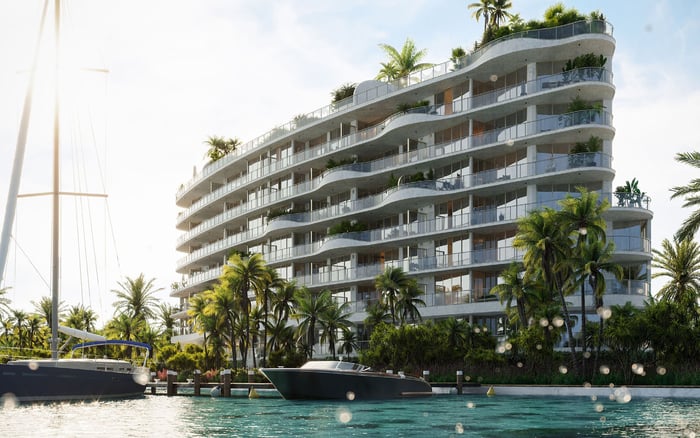
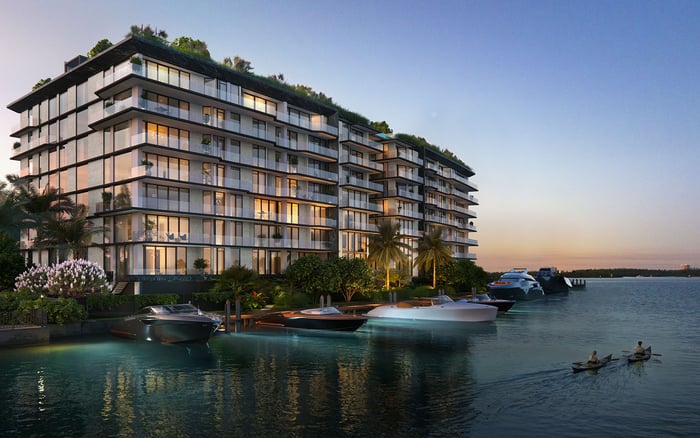
A practical comparison of Onda Bay Harbor and Waldorf Astoria Residences Pompano Beach through the lens of terrace usability, balcony rules, outdoor kitchens, and weather exposure.
At first glance, the choice between Onda Bay Harbor and Waldorf Astoria Residences Pompano Beach appears to be a lifestyle question. One is positioned around Bay Harbor Islands waterfront living. The other presents a Pompano Beach coastal-residence narrative with a stronger direct-ocean identity.
For the practical buyer, the better question is narrower: which outdoor space will actually be used, and under what conditions? In South Florida, a terrace is not just a rendering feature. It is a daily living area exposed to sun, wind, rain, salt air, building rules, and maintenance realities.
That makes this comparison less about glamour than tolerance. Onda Bay Harbor offers a quieter waterfront posture. Waldorf Astoria Residences Pompano Beach offers a more dramatic coastal lifestyle, with outdoor space tied to ocean-view expectations and resort-style living. Both can be compelling, but each asks something different of the buyer.
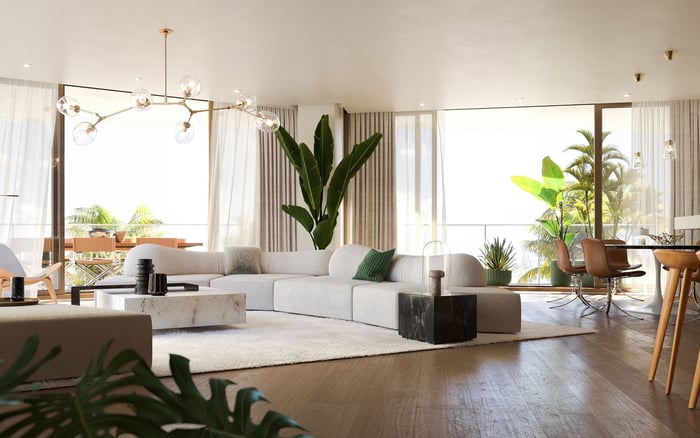
Onda Bay Harbor is best understood through its bayfront setting. Its appeal is not only about water views, but about how an outdoor area can function as an extension of the interior living space. For buyers who imagine the terrace as a breakfast area, reading area, or evening gathering area, that distinction matters.
The Bay Harbor lens is residential rather than theatrical. Onda’s practical advantage is not that every outdoor space must be larger, but that the bayfront context may feel more forgiving than a residence facing the open Atlantic. A buyer who wants to step outside frequently, not only on perfect weather days, should pay close attention to this difference.
This is also where the word boutique becomes meaningful. Boutique living can imply a quieter daily rhythm, a more intimate arrival experience, and a waterfront atmosphere shaped by residential scale. Buyers comparing nearby bayfront residences such as La Baia North Bay Harbor Islands may be responding to that same desire for protected water, residential calm, and outdoor spaces that feel integrated into daily life.
Waldorf Astoria Residences Pompano Beach sits on the other side of the emotional ledger. Its coastal position gives it a stronger direct-ocean identity, with terraces tied to Atlantic views, resort-style living, and the prestige of a branded residential experience. For many buyers, that is precisely the point. The balcony is not merely a usable outdoor area; it is part of the oceanfront experience.
The tradeoff is exposure. A direct beachfront setting naturally raises more questions about wind, salt air, and weather than a more sheltered bayfront island location. That does not make it inferior. It means the buyer must evaluate outdoor space differently. The same terrace that feels spectacular in marketing materials may behave differently in a stiff ocean breeze or after repeated salt-air exposure.
This is the central Pompano Beach question for luxury buyers looking at branded coastal residences. The buyer drawn to Waldorf Astoria may also consider other names in the same market, from Armani Casa Residences Pompano Beach to The Ritz-Carlton Residences® Pompano Beach. In each case, the emotional value of beachfront living should be paired with a serious review of practical outdoor use.
Balcony rules are where luxury buyers often discover that ownership and use are not the same thing. A terrace may be private, but it is still part of a condominium environment governed by declarations, association rules, life-safety standards, and building operations.
Specific grill permissions, gas-line rules, railing requirements, planter restrictions, and storm procedures should not be assumed for either Onda Bay Harbor or Waldorf Astoria Residences Pompano Beach. That should not be treated as a problem, but it should prompt disciplined due diligence.
Before contract, a buyer should request the condominium documents, terrace-use policies, outdoor furniture guidelines, and any rules governing cooking, storage, planters, shading devices, and storm preparation. If a residence is being purchased for entertaining, those rules are not fine print. They are part of the value proposition.
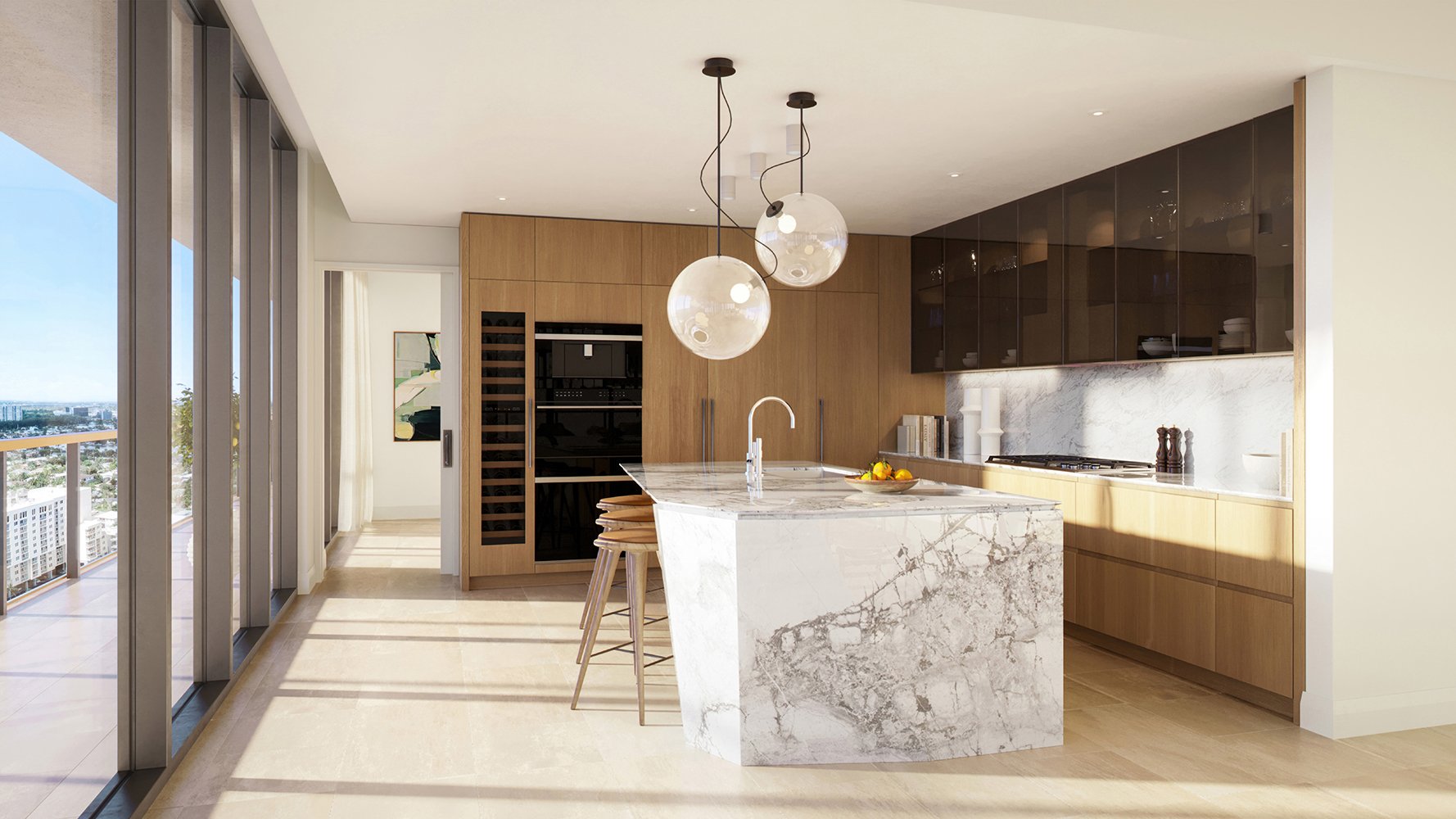
Outdoor kitchens are especially seductive in South Florida marketing. They imply effortless entertaining, long lunches, evening cocktails, and indoor-outdoor living without compromise. Yet the operating question is more technical: what is actually permitted, installed, protected, maintained, and insurable?
A buyer should not assume that every terrace can support the same cooking setup. Electric appliances, ventilation, drainage, cabinetry materials, protective covers, and maintenance obligations should all be reviewed in writing. The inquiry should be even more precise in beachfront settings, where salt air may increase maintenance sensitivity.
At Onda Bay Harbor, the more sheltered waterfront context may support a buyer’s perception of practical terrace living. At Waldorf Astoria Residences Pompano Beach, the stronger oceanfront romance may justify a higher tolerance for exposure. In both cases, the outdoor kitchen should be evaluated as a working feature, not a decorative promise.
Terrace size matters, but comfort determines use. A large outdoor space that is too windy at key hours, too exposed to rain, or too punishing in afternoon sun may become a visual amenity rather than a daily room. A smaller or more sheltered terrace may deliver more actual value if it is comfortable more often.
This is where Onda Bay Harbor’s bayfront environment and Waldorf Astoria Residences Pompano Beach’s beachfront position separate most clearly. Onda is likely to appeal to buyers who prioritize protected waterfront terrace use. Waldorf Astoria is likely to appeal to buyers who prioritize branded beachfront prestige, Atlantic views, and the emotional reward of direct ocean living.
Neither choice is universally better. The right decision depends on how the buyer lives. A second-home owner who visits for long weekends may prioritize the drama of waking up to the Atlantic. A full-time resident who eats outdoors several nights a week may care more about wind comfort, furniture durability, and the ease of leaving a terrace set up between uses.
A buyer should tour with more than a view checklist. Visit the terrace at the time of day it will actually be used. Stand outside long enough to feel wind, sun, glare, noise, and privacy. Ask how furniture is secured, what must be removed before storms, and whether planters, umbrellas, heaters, grills, or built-in appliances are subject to approval.
For Onda Bay Harbor, the question is whether the sheltered bayfront character supports the buyer’s daily routine. Does the terrace feel like part of the residence, or simply a viewing platform? For Waldorf Astoria Residences Pompano Beach, the question is whether the buyer accepts the maintenance and weather realities that come with the direct-ocean lifestyle.
This is the difference between buying an image and buying a life. The most successful luxury purchases are not the ones with the most impressive balcony on paper. They are the ones where the outdoor space behaves the way the owner expected after closing.
Onda Bay Harbor is the more natural fit for buyers who want quieter bayfront living with terraces that may feel more protected and more closely connected to everyday residential use. Its practical appeal lies in discretion, waterfront calm, and an outdoor environment that does not depend on open-ocean drama.
Waldorf Astoria Residences Pompano Beach is the more natural fit for buyers who want a branded beachfront address and the prestige of Atlantic-facing resort living. Its practical tradeoff is the greater exposure that comes with that setting: more wind, more salt air, and a stronger need to understand maintenance and terrace-use rules.
The best buyer question is not “which balcony is bigger?” It is “which terrace will I actually use, and what rules or weather conditions will shape that use?” Once that question is answered, the choice becomes clearer.
Which building is more sheltered for outdoor living? Onda Bay Harbor is the more sheltered context because it is bayfront rather than directly beachfront.
Which option has the stronger oceanfront lifestyle? Waldorf Astoria Residences Pompano Beach has the stronger direct-ocean lifestyle narrative because of its beachfront setting.
Should buyers assume outdoor kitchens are allowed? No. Buyers should review condominium documents and written specifications before assuming any terrace cooking setup is permitted.
Is balcony size the most important factor? No. Terrace comfort in sun, wind, rain, and salt conditions can matter more than size alone.
Who is Onda Bay Harbor best suited for? It is best framed for buyers seeking quieter, residential waterfront living.
Who is Waldorf Astoria Residences Pompano Beach best suited for? It is best framed for buyers prioritizing branded beachfront prestige and Atlantic-facing resort living.
What should buyers ask before contract? Ask for balcony rules, furniture guidelines, outdoor-kitchen specifications, maintenance obligations, and storm procedures.
Does beachfront exposure make Waldorf Astoria a weaker choice? No. It simply means buyers should accept the practical realities of wind, salt air, and weather exposure.
Does bayfront living make Onda less luxurious? No. Its luxury is expressed through a quieter waterfront setting and practical terrace usability.
What is the simplest way to compare the two? Think of Onda as bayfront boutique living and Waldorf Astoria as branded beachfront tower living.
For a tailored shortlist and next-step guidance, connect with MILLION.
If branded residences are on your mind — as a home or as an allocation — we would be glad to share what we are seeing, privately.
Begin a quiet conversation