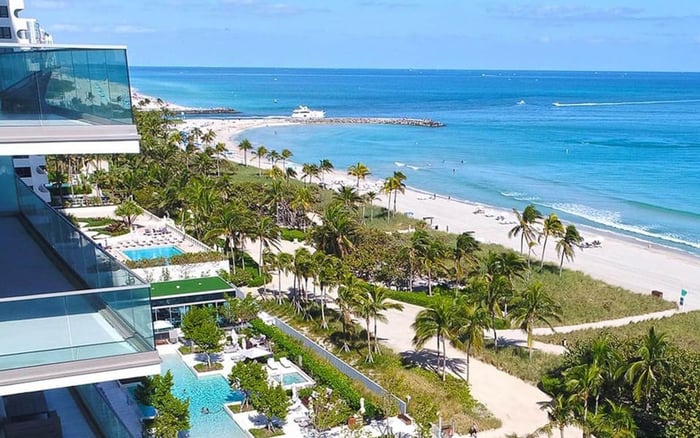
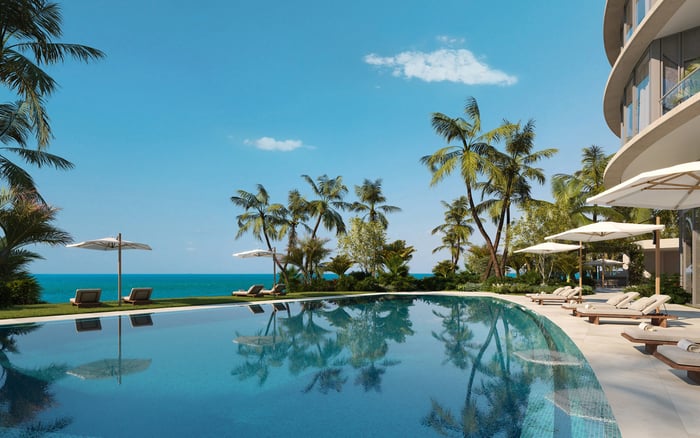
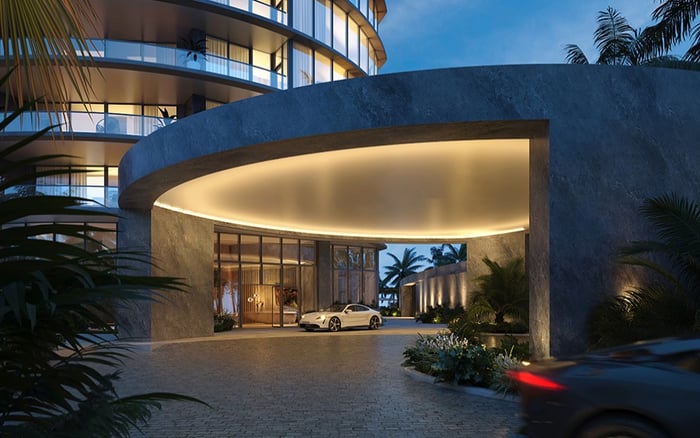
A buyer-focused comparison of Oceana Bal Harbour and 57 Ocean Miami Beach through the lens of lifestyle, resilience expectations, generator due diligence, and storm-season operations.
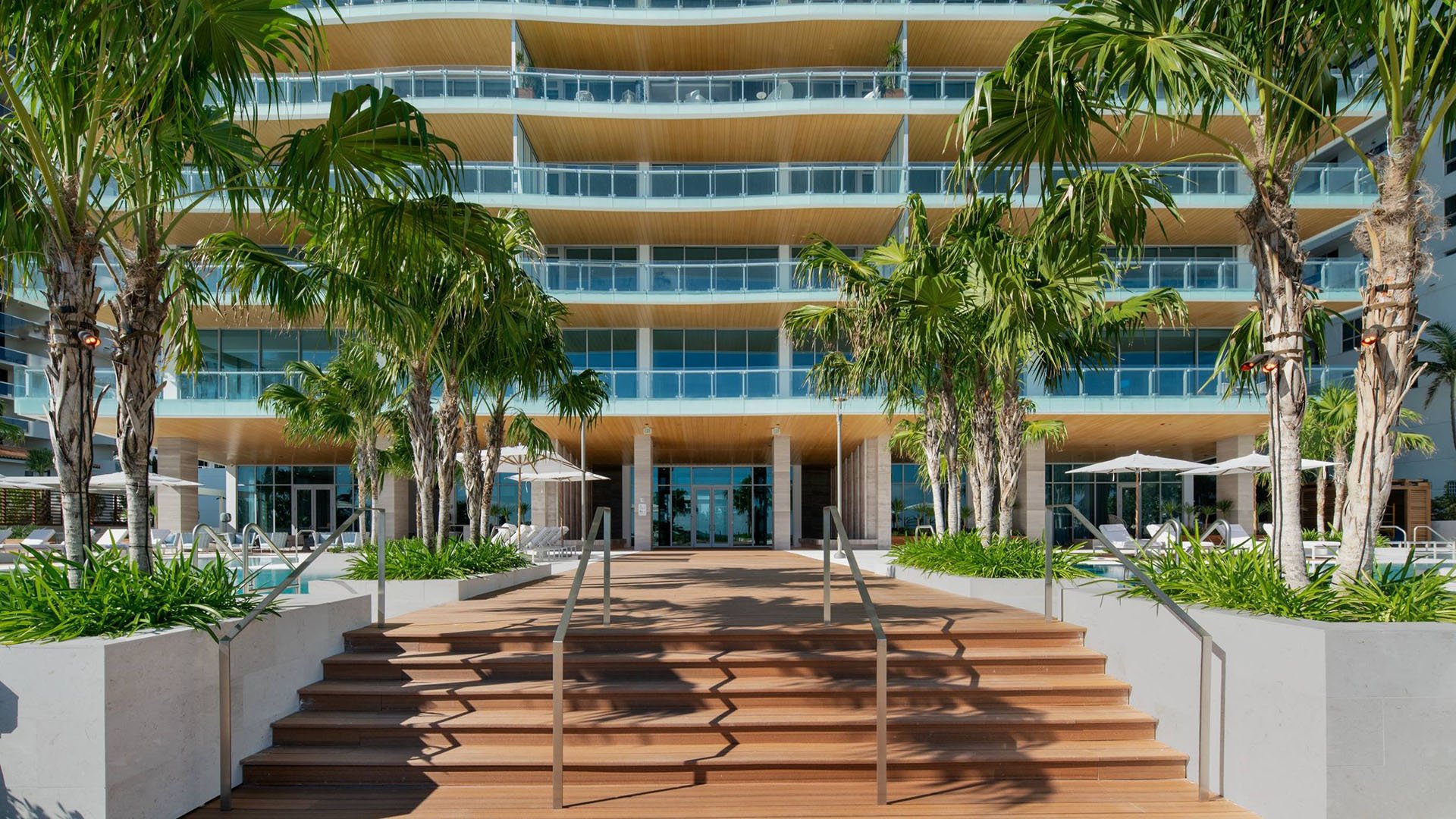
Comparing Oceana Bal Harbour with 57 Ocean Miami Beach is not simply a choice between two oceanfront addresses. For sophisticated buyers, the deeper question is how each setting supports everyday calm, storm-season confidence, and the operational discipline that becomes visible only when weather, power, access, and staffing are tested.
Oceana Bal Harbour carries the emotional language of privacy, controlled arrival, and a quieter village sensibility. 57 Ocean Miami Beach, by contrast, speaks to a more fluid Miami Beach life, where wellness, beach access, and a broader urban rhythm shape the day. Neither profile is inherently superior. The more useful lens is fit: how a household expects to live when skies are clear, and how it expects a building to perform when conditions are not.
For search shorthand, this is an oceanfront, beach-access comparison that often sits within the Bal Harbour and Miami Beach buyer vocabulary. Yet the true premium is not frontage alone. It is continuity.
Oceana Bal Harbour appeals to buyers who value discretion as much as design. The Bal Harbour lifestyle is defined by a more contained pattern of movement: fewer impulses, more intentional routines, and an expectation that the building should absorb complexity before it reaches the residence. That expectation has direct implications for resilience planning.
In a quieter enclave, storm readiness is often judged by how little friction the resident feels. Buyers should ask how communications are handled before severe weather, how access protocols adjust when conditions change, which staff functions remain available, and how restoration priorities are communicated after an event. The most relevant question is not whether a building has plans, but whether those plans are specific enough to protect the experience of living there.
This is where the Oceana Bal Harbour profile differs from a more kinetic Miami Beach address. Residents may be less tolerant of improvisation. They may expect a calm front desk, clear notices, controlled vendor access, and evidence that essential building functions have been considered in advance. Nearby Bal Harbour comparisons, including Rivage Bal Harbour, only reinforce how much the village market rewards a composed, highly managed residential atmosphere.
57 Ocean Miami Beach is shaped by a different daily cadence. Miami Beach living tends to involve more movement, more spontaneous use of the shoreline, and a stronger connection between the private residence and the public energy of the coast. For buyers considering 57 Ocean Miami Beach, resilience planning should therefore be evaluated through the lens of lifestyle continuity.
If morning wellness routines, direct beach use, and easy transitions between indoor and outdoor living are central to ownership, storm protocols matter because they interrupt those rituals. A well-run building helps residents understand when amenities close, how beach-related access is secured, how staff communicates reopening timelines, and which services can reasonably remain available during a disruptive period.
The comparison is not only with Bal Harbour. Within Miami Beach, buyers may also look at addresses such as The Perigon Miami Beach or The Ritz-Carlton Residences® Miami Beach to understand how different luxury buildings position privacy, service, wellness, and coastal exposure. The lesson is consistent: the best purchase is the one whose operating culture matches the owner’s actual life.
Generator coverage has become one of the most important due diligence topics in South Florida luxury condominiums, but it is often discussed too broadly. Buyers should avoid treating “generator” as a yes-or-no feature. Coverage may vary by building system, common area, elevator bank, garage function, cooling component, access control, domestic water support, life-safety equipment, and residence-level capability.
The practical question is what remains usable, for how long, and under what operating conditions. Does backup power support only essential life-safety systems, or does it extend to selected comfort and service functions? Are all elevators treated the same way, or only certain elevators? Are residential units individually supported in any way, or is the backup plan focused on common elements? How is fuel managed, tested, and replenished? These are not abstract technical points. They shape whether a resident can remain in place with confidence or must make other arrangements.
For Oceana Bal Harbour buyers, the generator conversation may center on quiet continuity and controlled reentry. For 57 Ocean Miami Beach buyers, it may center on amenity recovery, vertical access, communications, and the pace at which the beachside routine can resume. In both cases, the right answer is documentary, not verbal. Association materials, building management explanations, insurance context, and engineering summaries should align.
In ultra-premium coastal property, storm staffing is part of the service proposition. It is not glamorous, but it is deeply revealing. A building can have strong architecture and elegant amenities, yet still disappoint if staffing protocols are vague when residents most need clarity.
The staffing questions should be direct. Who remains on site before, during, and after a significant weather event? Which roles are essential? How are residents informed if staff levels change? Are vendors prearranged for cleanup, security, water intrusion response, elevator service, and mechanical support? What is the chain of command when management offices, boards, engineers, and front-line personnel must coordinate quickly?
The lifestyle contrast matters here. Oceana Bal Harbour residents may prize a more insulated, concierge-like sense of order. 57 Ocean Miami Beach residents may focus on the ability to reengage with wellness spaces, beach access, parking, deliveries, and guest movement as soon as conditions allow. Either way, staffing is the human layer of resilience. It turns plans into behavior.
The Oceana Bal Harbour buyer is often best served by a quieter environment where privacy, restraint, and a controlled residential mood define the value proposition. Resilience planning, in that context, should feel almost invisible. The ideal experience is one in which the building communicates early, acts calmly, and protects the household from operational noise.
The 57 Ocean Miami Beach buyer may be more drawn to an active coastal life, where the residence is a base for wellness, sand, light, and Miami Beach movement. For that buyer, resilience is measured by how quickly the building can restore the rhythms that made the address desirable in the first place.
Both buildings deserve serious consideration from an oceanfront buyer. The difference is not only architectural or geographic. It is psychological. One leans toward a more private Bal Harbour cadence; the other toward a more wellness-forward Miami Beach identity. The best due diligence meeting should therefore feel less like a sales presentation and more like an operations interview.
Is Oceana Bal Harbour more private than 57 Ocean Miami Beach? Oceana Bal Harbour generally reads as the quieter, more village-scaled option, while 57 Ocean Miami Beach carries a more active Miami Beach lifestyle association.
Is 57 Ocean Miami Beach better for wellness-oriented buyers? It may suit buyers who prioritize beach rhythm, wellness routines, and a stronger connection to the daily energy of Miami Beach.
Should buyers compare generator systems before purchasing? Yes. Buyers should verify what systems are supported, how long backup power is designed to operate, and whether coverage extends beyond life-safety functions.
Does a generator mean a residence will remain fully powered? Not necessarily. Generator coverage can differ between common areas, life-safety systems, elevators, mechanical equipment, and individual residences.
Why does storm staffing matter in a luxury condominium? Staffing determines how plans are executed, how residents are informed, and how quickly essential services can be stabilized after disruption.
What documents should a buyer request? Buyers should request current association materials, management explanations, insurance-related context, and any available engineering summaries relevant to building operations.
Is Bal Harbour a different lifestyle from Miami Beach? Yes. Bal Harbour typically suggests a quieter, more controlled environment, while Miami Beach suggests a broader coastal and urban rhythm.
Is oceanfront living automatically higher risk? Oceanfront living requires more careful due diligence, but the right building operations, planning, and resident communication can materially improve confidence.
Should storm protocols affect resale thinking? Yes. Buyers increasingly view operational resilience as part of long-term desirability, especially in premium coastal condominium markets.
Which building is the better choice? The better choice depends on whether the buyer values Bal Harbour privacy and composure or Miami Beach wellness, movement, and beachfront rhythm.
To compare the best-fit options with clarity, connect with MILLION.
If branded residences are on your mind — as a home or as an allocation — we would be glad to share what we are seeing, privately.
Begin a quiet conversation