A buyer-focused comparison of Arte Surfside, Aston Martin Residences Downtown Miami, and Fendi Château Residences Surfside through the practical lens of hurricane planning, backup power expectations, and staffing continuity.
For South Florida’s most discerning buyers, resilience is no longer a back-of-house concern. It is part of the luxury experience itself. A residence may offer exquisite finishes, private amenities, and a coveted address, but the deeper test is how it performs when weather interrupts the rhythm of daily life.
That is the lens through which buyers should compare Arte Surfside, Aston Martin Residences Downtown Miami, and Fendi Château Residences Surfside. The decision is not simply Surfside versus Downtown. It is a more nuanced choice between direct oceanfront exposure, urban tower infrastructure, generator coverage, and the staffing protocols that shape ownership before, during, and after severe weather.
Arte Surfside and Fendi Château Residences Surfside sit firmly within the boutique coastal conversation. Aston Martin Residences Downtown Miami is the urban high-rise counterpoint, with a vertical-service profile that raises a different set of questions. None is universally “best.” Each aligns with a different risk tolerance, occupancy pattern, and expectation of service continuity.
Oceanfront living has a distinct emotional pull in South Florida. The light, the horizon, and the quiet immediacy of the water define Surfside’s appeal. Yet that same proximity to the coast makes storm preparedness central to the ownership analysis.
Arte Surfside should be read as the intimate boutique oceanfront option. Its appeal lies in scale and setting, but the essential buyer question is how an intimate coastal building prepares for hurricanes, flooding, power outages, and post-storm recovery. A smaller building may feel more private and personal, but buyers should still examine how emergency procedures, vendor relationships, and staffing depth are documented.
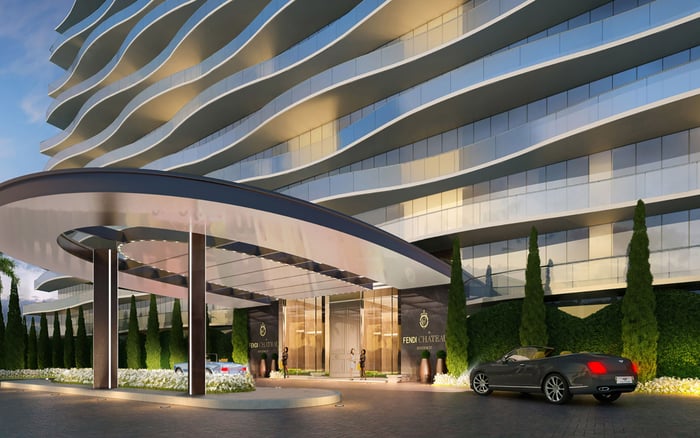
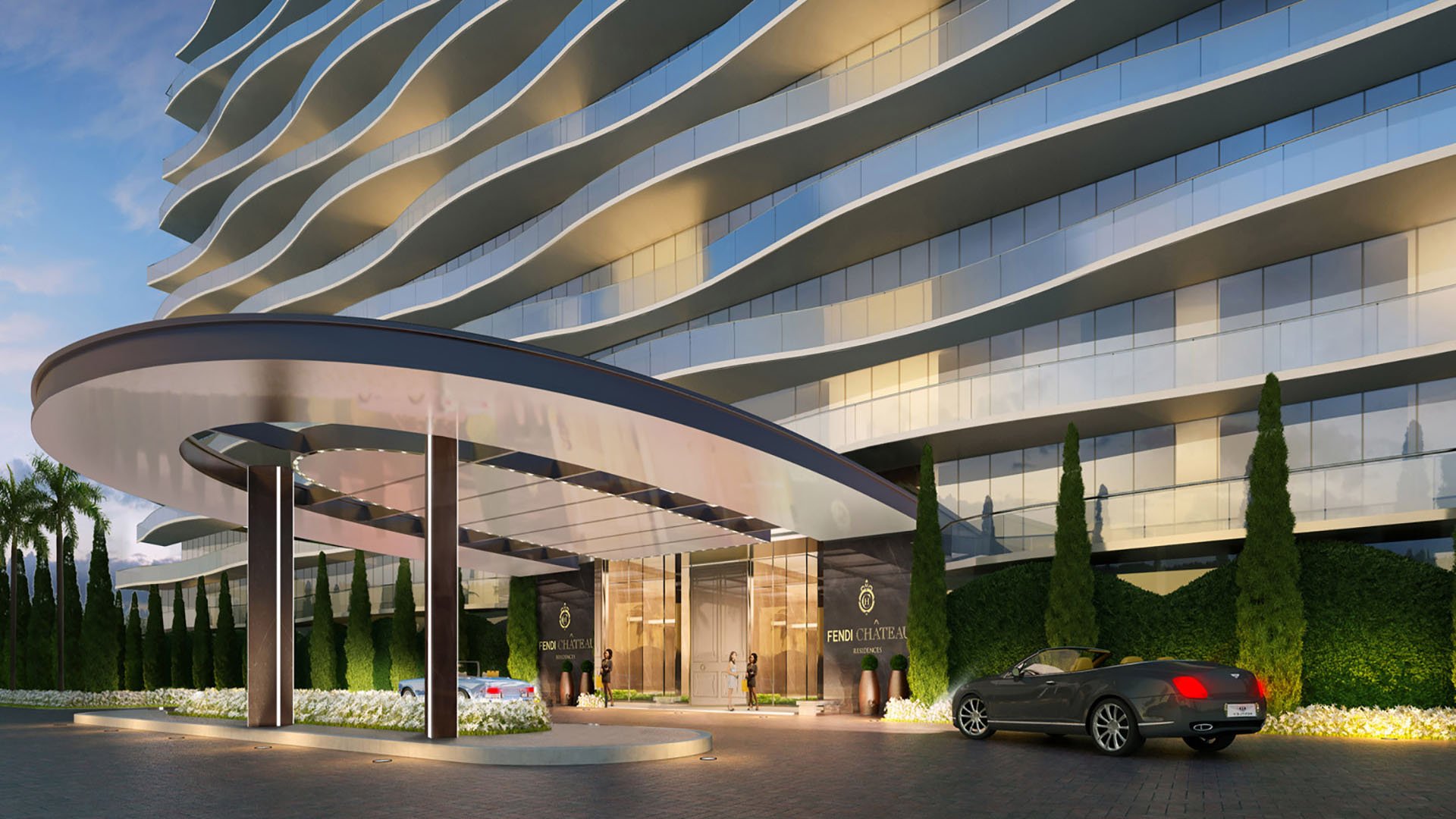
Fendi Château Residences Surfside belongs in the same coastal-resilience category. As a low-rise, ultra-luxury Surfside condominium, it places direct oceanfront exposure at the center of the discussion. The key issue is not only how the building presents in blue-sky conditions, but how it maintains service when access, utilities, and vendor response are strained.
Aston Martin Residences Downtown Miami presents a different equation. As a supertall urban tower, it is less about boutique coastal exposure and more about vertical continuity. Buyers should focus on elevators, tower operations, staffing protocols, backup power expectations, and the complexity of keeping a large building functional when normal systems are disrupted.
Resilience planning starts with written procedures. A well-run luxury condominium should be able to provide emergency plans covering communication, resident access, building shutdown steps, reopening protocols, and post-event inspections. In a storm, the elegance of the lobby matters less than the clarity of the plan.
For Arte Surfside, due diligence should move beyond brand impression or architectural appeal. Buyers should ask how the association prepares for severe weather, how residents are notified, which areas are secured, and what sequence governs post-storm assessment. In a boutique coastal setting, clarity can matter as much as scale.
For Fendi Château Residences Surfside, the continuity question should be equally concrete. How does the building plan for service during storm conditions? Are there defined procedures for securing oceanfront amenities, coordinating vendors, and managing resident expectations if access is limited after a major event?
For Aston Martin Residences Downtown Miami, resilience planning should account for density and height. A tower’s emergency plan must address vertical movement, elevator status, staffing assignments, communication systems, and phased service restoration. The experience of being on a high floor during an outage can be very different from living in a low-rise coastal building.
“Does the building have a generator?” is too vague for serious buyers. The sharper question is what the generator is intended to power, for how long, under what assumptions, and with what fuel or service arrangements.
Generator coverage should be separated into categories: life-safety systems, elevators, common-area lighting, access control, cooling for selected spaces, water systems, garage components, and any limited residential support. Buyers should request generator-load schedules, fuel and runtime assumptions, maintenance records, and the plan for refueling or service if roads or vendors are delayed.
In Surfside, generator questions should be paired with coastal exposure. At Arte Surfside and Fendi Château Residences Surfside, buyers should understand which systems remain operational during an outage and how long the building expects to operate under backup conditions. The documents matter because oceanfront ownership can involve access and recovery issues after the weather has passed.
In Downtown, the generator conversation at Aston Martin Residences Downtown Miami should focus on vertical-service continuity. Elevator operations are central. So are access systems, fire and life-safety requirements, communication, and the staffing required to keep a tower orderly when certain services are limited.
A buyer should not assume that ultra-luxury automatically means full private-residence power continuity. In many buildings, backup systems are designed around code-required and operational priorities, not uninterrupted normal living. The only reliable answer is in the documents.
Storm staffing is where planning becomes lived experience. A building can have strong systems on paper, but residents will judge the event by communication, calm, response time, and the ability of staff to coordinate with vendors and residents.
At Arte Surfside, the staffing question is intimate and operational. Who remains onsite before landfall if conditions allow? Who communicates with residents? Which tasks are handled internally, and which depend on outside vendors? Boutique scale can create a more personal environment, but buyers should confirm that protocols are formal rather than informal.
At Fendi Château Residences Surfside, buyers should ask how staffing supports continuity of service in a low-rise oceanfront setting. Priorities may include securing amenity areas, controlling access, monitoring building systems, coordinating post-storm cleanup, and communicating realistic reopening timelines.
At Aston Martin Residences Downtown Miami, staffing depth has a different meaning. A large vertical tower may require layered roles across security, engineering, management, concierge, valet coordination, and elevator operations. Buyers should ask how staffing is organized during severe weather and whether post-event vendor contracts exist for critical systems.
The best question is practical: if a disruptive storm affects the building on a weekday, a weekend, or during peak seasonal occupancy, who is actually responsible for each decision?
The right choice depends on how the residence will be used. A seasonal owner who leaves before major storms may prioritize post-event communication, security, and reopening procedures. A full-time resident may care more deeply about generator-supported systems, elevator access, staffing continuity, and the livability of common areas during outages.
Arte Surfside may appeal to the buyer who wants a boutique oceanfront lifestyle and is comfortable conducting careful, document-level diligence on coastal resilience. Fendi Château Residences Surfside may suit the buyer drawn to low-rise ultra-luxury Surfside living, with heightened attention to how service continuity is organized in a direct coastal setting. Aston Martin Residences Downtown Miami may fit the buyer who prefers a dense urban tower environment and wants to evaluate how a supertall building manages elevators, staffing, and backup power.
The smartest buyers will compare emergency plans, generator-load schedules, fuel assumptions, staffing protocols, vendor contracts, insurance-related disclosures where available, and post-storm access procedures. In this segment of the market, resilience is not a compromise on luxury. It is one of the ways luxury is measured.
Is Surfside riskier than Downtown Miami for storms? It is different rather than automatically riskier. Surfside brings direct oceanfront exposure, while Downtown brings vertical tower complexity.
What should buyers ask Arte Surfside before purchasing? Ask for emergency plans, generator coverage details, staffing protocols, and post-storm access procedures tied to its boutique coastal setting.
What matters most at Fendi Château Residences Surfside? Buyers should focus on continuity of service in a low-rise oceanfront condominium, including staffing, vendors, and recovery plans.
What is the key storm-readiness issue at Aston Martin Residences Downtown Miami? Vertical-service continuity is central, including elevator operations, backup-power expectations, staffing depth, and resident communication.
Does a generator mean a residence will function normally? Not necessarily. Backup power may support selected life-safety, operational, or common-area systems rather than full private-residence use.
What is a generator-load schedule? It identifies which systems are intended to be powered by backup generation and helps buyers understand real outage performance.
Why does storm staffing matter in a luxury condominium? Staff coordinate communication, access, vendors, building systems, and recovery steps when normal service patterns are disrupted.
Should seasonal owners evaluate resilience differently? Yes. Seasonal owners may focus more on remote communication, security, access after a storm, and protection of the residence while away.
Is one of these buildings the best choice for every buyer? No. The right fit depends on risk tolerance, occupancy pattern, service expectations, and comfort with either oceanfront or tower living.
What documents should a buyer request before contract? Request emergency plans, generator-load schedules, fuel assumptions, staffing protocols, vendor contracts, and post-storm access procedures.
When you're ready to tour or underwrite the options, connect with MILLION.
If branded residences are on your mind — as a home or as an allocation — we would be glad to share what we are seeing, privately.
Begin a quiet conversation