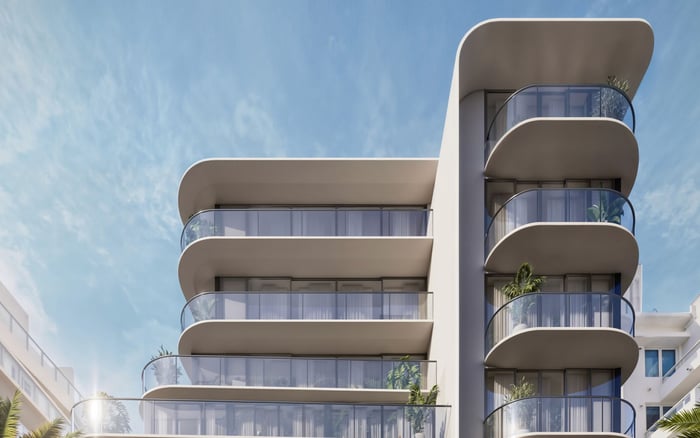
A discreet look at Alma Bay Harbor Islands as a planning-led purchase, where ownership structure, capital preservation, privacy, and dollar strength matter as much as design.
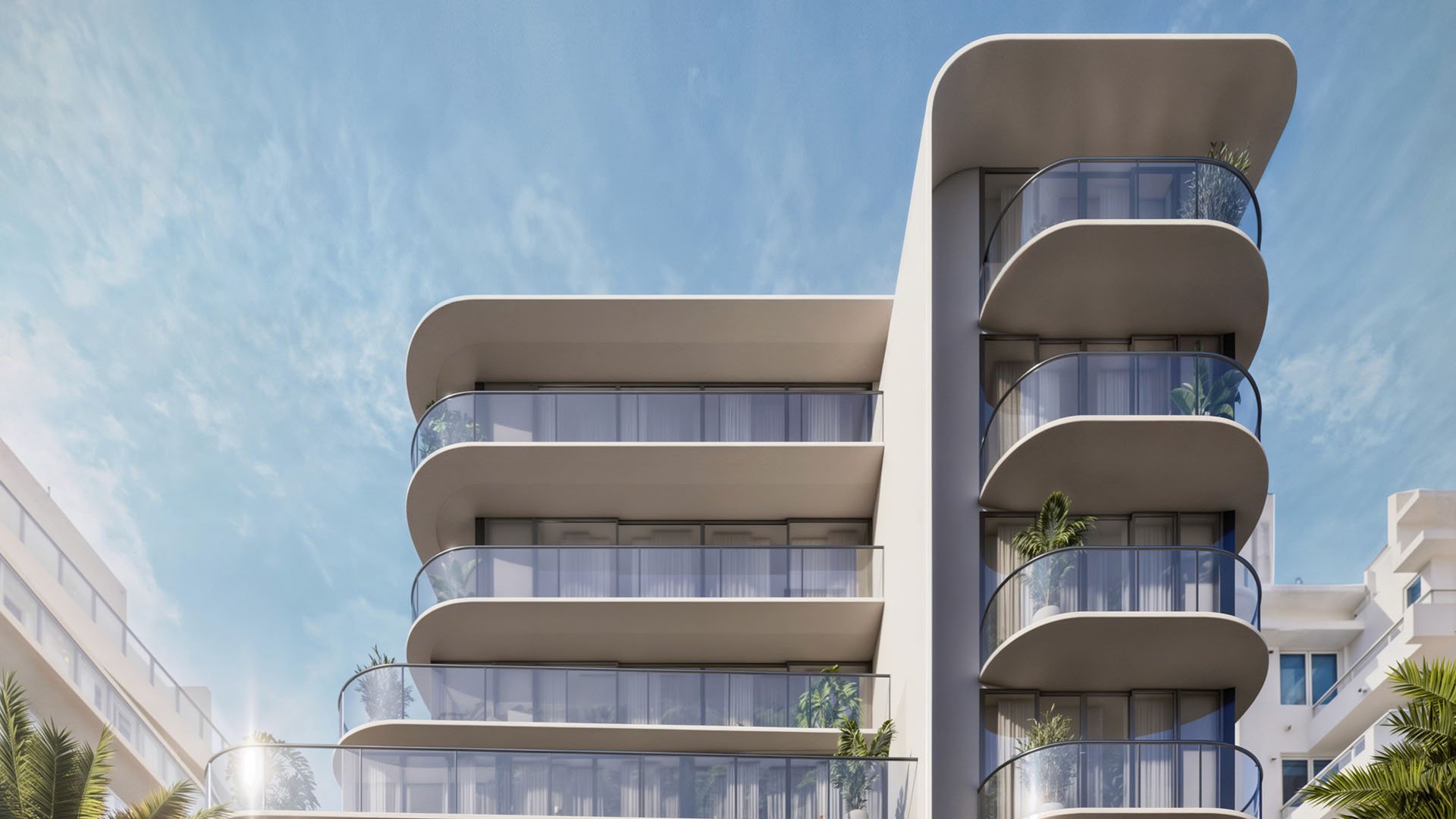
For a certain buyer, Alma Bay Harbor Islands is not simply a question of floor plan, exposure, or finishes. It is a question of how a residence should be owned, protected, transferred, and financed in an environment where the U.S. dollar remains a central planning variable. That is why Alma belongs in a more sophisticated conversation about South Florida luxury real estate: the purchase is also a structure.
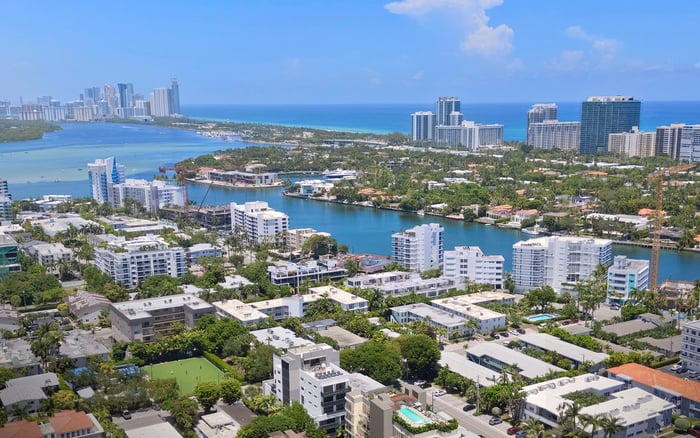
Bay Harbor Islands appeals to buyers who prefer discretion over spectacle. It offers a boutique luxury setting within Miami-Dade’s coastal residential landscape, set apart from the heavier verticality of Brickell and the more visible resort energy of Sunny Isles. Alma fits that mood as part of a design-forward residential conversation where lifestyle and capital strategy meet.
For globally mobile families, the ownership question often arrives before the aesthetic one. Will the residence be held personally, through an entity, or within a broader estate plan? How should privacy be balanced against financing, reporting, tax, succession, and liquidity considerations? These are not decorative questions. They shape the character of the acquisition from the start.
A strong dollar can make South Florida real estate feel more expensive for certain international buyers, yet it can also increase the appeal of holding a U.S.-based asset in a stable currency environment. For buyers whose wealth, income, or liabilities span multiple jurisdictions, timing becomes more nuanced than simply waiting for the right residence.
At Alma, the dollar-strength conversation is less about speculation than capital deployment. A buyer may be seeking a second home, a family base, a long-term store of value, or a privacy-oriented Miami address. Each motivation can point to a different ownership structure and a different tolerance for currency exposure.
This is where South Florida’s luxury market becomes less emotional and more institutional in tone. The most prepared buyers do not treat exchange rates, title, tax, and estate questions as afterthoughts. They coordinate them early, before contract commitments become difficult to adjust. In that context, Alma’s appeal is not only residential. It is strategic.
In practical search terms, Alma sits at the intersection of Bay Harbor, boutique, investment, new-construction, pre-construction, and second-home priorities, but the real decision is more refined than any category label can express.
High-net-worth and ultra-high-net-worth buyers tend to view ownership through several lenses at once. Privacy matters, but so does control. Estate planning matters, but so do financing terms. Tax efficiency matters, but not in isolation from compliance, reporting, and long-term flexibility.
For Alma buyers, the central issue is not whether there is one ideal structure. There rarely is. The better question is which structure best matches the buyer’s family, jurisdiction, intended use, future transfer plans, and appetite for administrative complexity. A structure that suits a domestic end user may not suit a cross-border family. A structure built for privacy may not be the most efficient for financing. A structure selected for estate planning may require careful coordination with tax counsel.
The discipline is to decide before the closing path hardens. Sophisticated buyers typically bring legal, tax, and financial advisors into the process before finalizing the ownership vehicle. That allows the acquisition to support the larger balance sheet rather than become an isolated asset with avoidable friction.
Alma’s strategic relevance also depends on reading the condominium framework with care. In boutique luxury projects, buyers should understand the condominium regime, association powers, development rights, potential assessments, and infrastructure-related obligations. These details can influence future carrying costs, control rights, resale positioning, and the owner experience.
This does not mean approaching the purchase with suspicion. It means approaching it with the seriousness that a major asset deserves. Even the most elegant residences live inside legal documents, budgets, association structures, and long-term maintenance realities. In a boutique building, those realities can feel especially personal because fewer owners may share the experience.
For a buyer considering Alma as part of a capital preservation strategy, diligence should include more than architectural taste. It should include governance, reserves, assessment risk, use rules, leasing limitations if any apply, and the practical implications of future building obligations. The goal is to avoid surprises that weaken the stability the buyer is seeking.
Bay Harbor Islands appeals to buyers who want Miami access without feeling absorbed by Miami intensity. The neighborhood’s boutique character offers an alternative to denser corridors such as Brickell and Sunny Isles, where transaction volume, visibility, and skyline competition can dominate the conversation.
That contrast matters. Boutique supply can support pricing resilience because the market is not defined only by an endless stream of comparable inventory. Scarcity does not guarantee performance, but it can change the character of demand. In Bay Harbor, buyers are often choosing a particular rhythm: quieter streets, proximity to the broader Miami Beach and Bal Harbour orbit, and a residential setting that feels less performative.
Alma’s place in this submarket is therefore not merely about being new. It is about matching a buyer profile that values privacy, quality of life, design, and ownership optimization. For families who already know Miami, the appeal may be precisely that Bay Harbor does not announce itself too loudly.
Before committing to Alma, buyers should clarify their intended use. Is the residence primarily personal, seasonal, investment-oriented, or part of a multi-generational family plan? The answer affects everything from title to insurance, financing, governance review, and future resale strategy.
They should also map currency exposure. A buyer earning or holding wealth outside the United States may want to understand how a dollar-denominated real estate purchase fits within broader liquidity and liability planning. That review should happen alongside legal and tax analysis, not after it.
Finally, buyers should distinguish emotional preference from structural readiness. A beautiful residence can still be poorly owned if the structure fails the family’s needs. Alma’s strongest case may be that it encourages a more disciplined version of luxury acquisition: considered, discreet, and aligned with wealth preservation.
Alma Bay Harbor Islands speaks to a buyer who understands that the best South Florida purchases are rarely impulsive. They are assembled carefully, with lifestyle goals and balance-sheet logic in the same room. In a strong-dollar environment, that discipline becomes even more important.
For the right buyer, Alma is not only a residence in a boutique Miami-Dade submarket. It is a platform for privacy, capital preservation, and long-term optionality. The ownership question is not a complication. It is the point.
Why is ownership structure important at Alma Bay Harbor Islands? Ownership structure can affect privacy, tax treatment, estate planning, financing, and future transfers. Buyers should review options with qualified advisors before finalizing title.
Is Alma mainly a lifestyle purchase or an investment purchase? It can be either, but the strongest reading treats it as both a lifestyle decision and a capital planning exercise. The buyer’s intended use should guide the structure.
How does a strong dollar affect international buyers? A strong dollar can influence timing, purchasing power, and currency exposure. It may also reinforce the appeal of holding a U.S.-denominated asset for some families.
Why does Bay Harbor Islands appeal to discreet luxury buyers? Bay Harbor offers a boutique setting within Miami-Dade’s market. It is positioned as a quieter alternative to higher-density areas such as Brickell and Sunny Isles.
Should buyers choose an entity before contracting? Buyers should discuss title and entity questions early with legal and tax counsel. Waiting too long can create avoidable friction during the purchase process.
What due diligence matters most in a boutique condominium? Buyers should review the condominium regime, association powers, development rights, assessment exposure, and infrastructure obligations. These issues can affect long-term ownership.
Does boutique supply support value resilience? Constrained boutique supply can help distinguish a submarket from more transaction-heavy areas. It does not eliminate risk, but it can shape demand and pricing behavior.
Is Alma suitable for a second-home strategy? Alma may suit buyers seeking a refined Miami base with privacy and quality of life. The ownership structure should reflect how often the residence will be used.
What advisors should be involved? Buyers may need legal, tax, financial, and estate-planning guidance. Cross-border purchasers should be especially careful to coordinate advice across jurisdictions.
What makes Alma strategically relevant? Alma’s relevance lies in its blend of boutique location, discreet luxury, and ownership optimization. The purchase invites planning beyond architecture and amenities.
For a confidential assessment and a building-by-building shortlist, connect with MILLION.
If branded residences are on your mind — as a home or as an allocation — we would be glad to share what we are seeing, privately.
Begin a quiet conversation