A discreet buyer’s guide to choosing a South Florida residence around arrival ease, privacy, service, walkability, waterfront posture, and the cadence of true second-home living.
The most successful South Florida second home is rarely chosen by square footage alone. It is chosen by rhythm. A buyer arriving from Monaco, London, Geneva, São Paulo or New York is not simply purchasing a winter address. They are designing a repeatable pattern: land, arrive, settle, host, restore, depart, and return without friction.
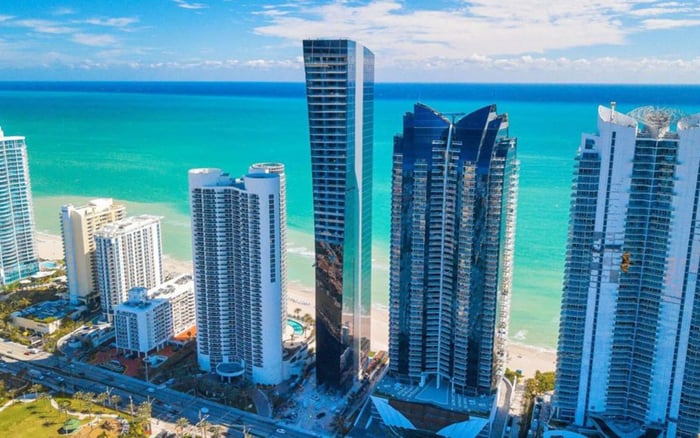
That is why Bal Harbour remains such a useful reference point. It signals a preference for discretion, ocean proximity, polished retail, quiet arrival, and a pace that feels refined without becoming remote. Yet the right answer may be Bal Harbour, Surfside, Sunny Isles Beach, Fisher Island, Miami Beach, Brickell, Coconut Grove, Fort Lauderdale or Palm Beach, depending on how the household actually lives.
For a second-home buyer, the essential question is not “Which building is most impressive?” It is “Which address makes the first hour and the final day feel effortless?”
A Monaco-style residential preference often begins with control. The owner wants privacy without isolation, beauty without spectacle, service without intrusion, and a surrounding neighborhood that supports short stays as gracefully as long ones. In South Florida, that means testing each option against everyday rituals.
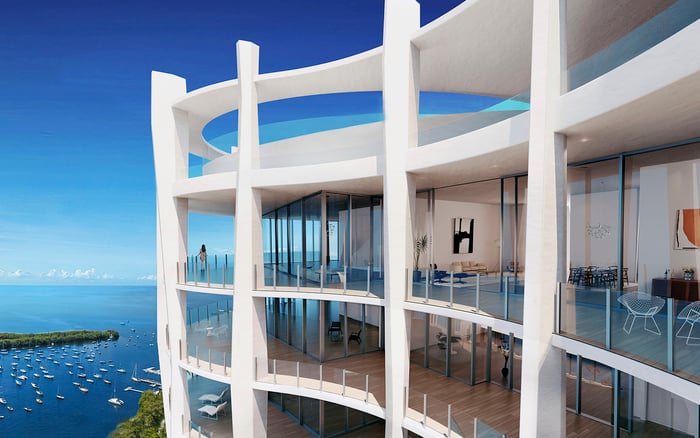
If mornings begin at the beach, oceanfront posture matters. If the household values boating, views and a calmer edge, waterfront positioning may be the better lens. If the owner wants a staffed environment with hospitality language, branded residences may deserve consideration. If the family wants a quieter base with restaurants, shopping and sand nearby, Bal Harbour and its neighboring enclaves can feel especially natural.
The mistake is treating South Florida as one lifestyle. It is not. It is a sequence of micro-rhythms along the coast, each with its own degree of ceremony, energy, access and privacy.
Bal Harbour suits buyers who want coastal elegance with a low-tension daily cadence. The attraction is not loud novelty. It is the ability to keep a refined routine close at hand: beach time, spa time, dining, shopping, family visits, and a residence that can be maintained to a high standard between stays.
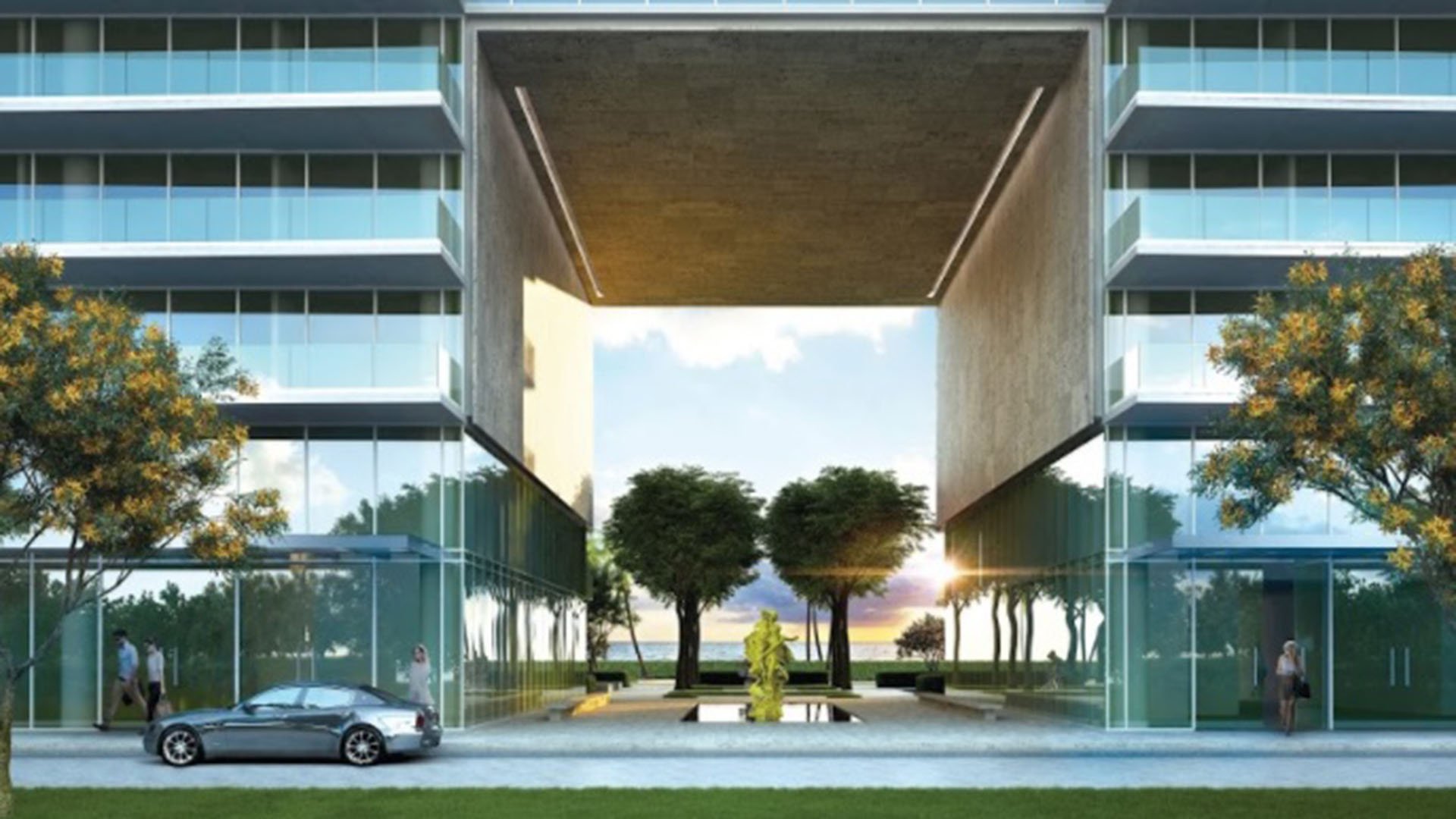
For buyers who want new-residence polish in this pocket, Rivage Bal Harbour sits naturally in the conversation because the name itself aligns with the Bal Harbour decision set. A buyer comparing the area should think less about headline drama and more about arrival sequence, elevator privacy, terrace usability, view orientation, service culture and how the residence will feel during a four-day stay.
Nearby Surfside answers a slightly different mood. It can appeal to owners who want proximity to Bal Harbour while choosing a more intimate coastal setting. The Delmore Surfside is relevant for buyers drawn to that quieter, design-forward stretch, while The Surf Club Four Seasons Surfside speaks to those who prefer a hospitality-inflected setting with a deeply established sense of place.
Sunny Isles Beach is often considered by buyers who want height, views and a more vertical resort-residential feeling. It can suit households that prioritize large terraces, dramatic outlooks and a building environment where amenities carry much of the experience. A residence such as St. Regis® Residences Sunny Isles may enter the discussion when the buyer wants the familiarity of a branded service language in a coastal setting.
Fisher Island is a different proposition. It is for buyers who place privacy and separation at the center of the decision. The rhythm is more enclosed and club-like, which can be compelling for owners who do not want the second home to feel exposed to the city. This is not merely a real estate choice. It is a lifestyle boundary.
Miami Beach is more varied. South of Fifth, Mid-Beach and the quieter northern stretches each behave differently. Some buyers want the cultural and dining energy. Others want to be near it without living inside it. The key is to decide whether energy belongs in the daily routine or only as an occasional pleasure.
Not every polished second-home rhythm is sand-first. Some buyers want a residence that supports business dinners, art weeks, family offices, yacht conversations, wellness routines and longer working stays. In that case, Brickell can function as a metropolitan base. It is especially relevant when the owner wants a lock-and-leave residence with city energy and formal hospitality around it.
Coconut Grove appeals to a softer rhythm. It offers a more residential feeling, with greenery, boating culture and a sense of neighborhood life. For families who want to feel settled rather than staged, the Grove can be a strong counterpoint to the oceanfront tower experience.
Palm Beach and West Palm Beach introduce another cadence entirely. The tone is more classic, often appealing to buyers who favor tradition, society, architecture and a quieter seasonal pattern. The right choice depends on whether the owner wants Miami’s international tempo or a more restrained island-and-inlet rhythm.
Before choosing a building, simulate three stays. First, a 48-hour arrival after a long flight. Second, a ten-day family visit with guests, staff, children and reservations. Third, a quiet off-season stay with no social obligations. A strong second home should perform in all three scenarios.
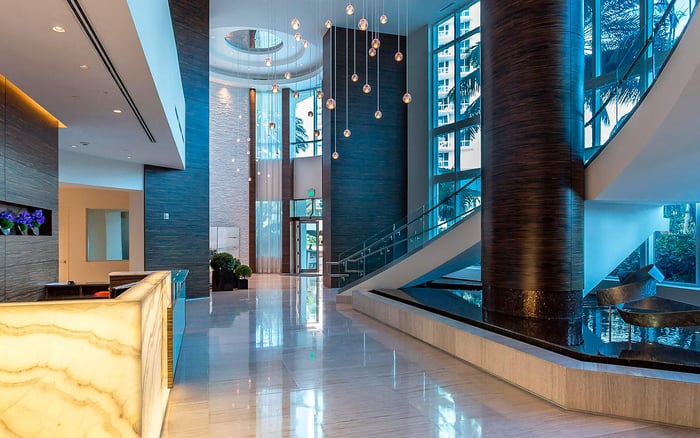
Walk the arrival path. Where does the car stop? How visible is the entrance? How much contact is required before reaching the residence? How does the elevator sequence feel? Where do deliveries go? Can the home be opened, cooled, stocked and lit before arrival? Can the terrace be used at the hours the household actually sits outside?
Then study the departure. A polished home should close as gracefully as it opens. Security, housekeeping, maintenance, package handling and storm-readiness all matter, but the larger issue is psychological. The owner should be able to leave without feeling that the property requires attention from afar every day.
Luxury is often described as abundance, but the best second homes create reduction. Fewer decisions. Fewer transitions. Fewer awkward arrivals. Fewer explanations to guests. The residence becomes a private operating system for the household.
Bal Harbour may be the perfect answer for a buyer who wants a coastal, edited, highly composed lifestyle. Surfside may suit a slightly quieter version of the same instinct. Sunny Isles may deliver height and resort-like scale. Fisher Island may provide the strongest sense of separation. Brickell may be right when business and city life are part of the rhythm. Palm Beach may suit a more traditional seasonal cadence.
The right home is the one that makes refinement repeatable. It should not need a special occasion to make sense. It should work on a Tuesday morning, after a delayed flight, during a family lunch, before an evening swim, and on the last day of the stay when everything must be quietly reset for the next return.
What is the first decision for a South Florida second-home buyer? Decide the rhythm of use before choosing a building. Arrival, privacy, service and daily rituals should lead the search.
Why does Bal Harbour appeal to international second-home buyers? Bal Harbour is attractive to buyers who want a polished coastal setting with discretion, ocean proximity and a quieter residential tone.
Is oceanfront always better than waterfront? Not necessarily. Oceanfront favors beach immediacy, while waterfront can better serve boating, calmer views or a more protected feeling.
Should a buyer prioritize branded service? Branded residences can be valuable when the owner wants hospitality language, staffing consistency and a more managed ownership experience.
How should a buyer compare Surfside with Bal Harbour? Surfside may feel more intimate, while Bal Harbour often reads as more formal and retail-adjacent. The better fit depends on daily routine.
When does Sunny Isles Beach make sense? It can suit buyers who want height, views, larger-scale amenities and a more resort-residential coastal cadence.
Is Brickell appropriate for a second home? Yes, if the owner wants city energy, business access and a lock-and-leave rhythm rather than a purely beach-led lifestyle.
What should families test before buying? Families should test guest flow, storage, service access, terrace use, privacy, beach or pool routines and how easily the home resets.
How important is the final day of a stay? Very important. A true second home should close down smoothly, with maintenance and service systems that reduce remote worry.
What is the best way to shortlist comparable options for touring? Start with location fit, delivery status, and daily lifestyle priorities, then compare stacks and elevations to validate views and privacy.
For a confidential assessment and a building-by-building shortlist, connect with MILLION.
If branded residences are on your mind — as a home or as an allocation — we would be glad to share what we are seeing, privately.
Begin a quiet conversation