A discreet buyer’s guide to evaluating building security protocols before purchasing luxury real estate in South of Fifth, from access control and staffing to vendors, privacy, deliveries, guests, and emergency readiness.
In South of Fifth, security is not simply a front-desk function. For a buyer considering a waterfront condominium, a full-service tower, or a discreet boutique residence, it shapes the architecture of daily life. The strongest buildings make protection feel almost invisible: arrivals are smooth, staff are composed, vendors are expected, and privacy is preserved without ceremony.
The most important questions, then, are not only about cameras, gates, or key fobs. They are about protocol. Who is allowed upstairs? How is identity confirmed? What happens when a contractor arrives unannounced? How are guests handled when an owner is abroad? How does the building balance hospitality with control?
For MILLION readers, this Buyer's Guides perspective is especially relevant in Miami Beach, Sofi, and South of Fifth, where Waterfront living, high-profile ownership, and Gated-community expectations often converge in vertical form.
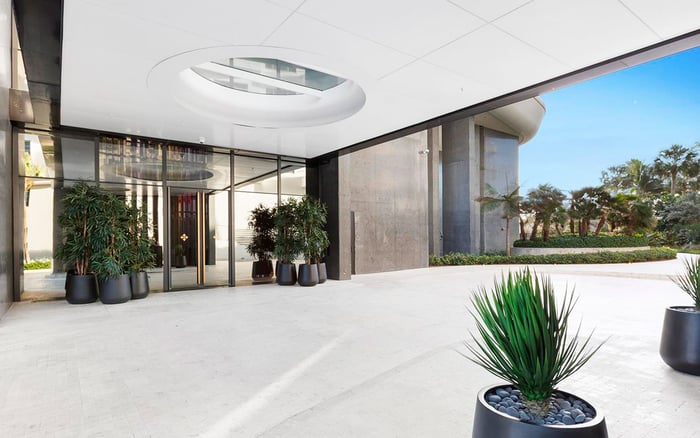
Begin by asking the management team to walk you through a typical arrival. A buyer should understand every threshold: garage, lobby, elevator, private foyer, amenity level, service entrance, package room, loading area, and marina or beach access when applicable. Security quality often reveals itself in the transitions between these zones.
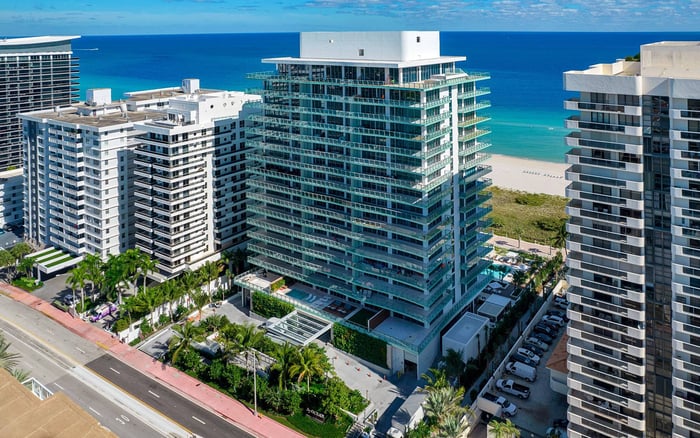
Ask whether residents, guests, domestic staff, contractors, and delivery personnel use different points of entry. A refined building should avoid casual overlap between private residential circulation and service circulation whenever the physical plan allows it. In a property such as Apogee South Beach, where buyers often focus on privacy and scale, the conversation should cover how access is managed from arrival to residence, not merely who sits at the desk.
Then ask how credentials are issued, updated, and revoked. This matters for seasonal owners, families with household staff, and buyers who travel frequently. If a former assistant, driver, dog walker, or contractor once had approved access, the building should have a clear process for removing that permission quickly and documenting the change.
A staffed lobby can be reassuring, but staffing alone is not a security plan. Ask about training, escalation procedures, shift handoffs, overnight coverage, supervisor availability, and how incidents are logged. The most polished buildings are consistent at noon and at 2 a.m.; they do not depend on one exceptional employee remembering every resident’s preferences.
Request clarity on who has authority to deny access, call management, contact law enforcement, notify an owner, or escalate to the association. Ask whether the same standards apply to friends, service providers, real estate agents, caterers, drivers, and short-notice deliveries. Luxury service is warm, but it should never be improvisational.
For large oceanfront communities such as Continuum on South Beach, the buyer’s question should be operational: how does the building coordinate a broad residential environment while maintaining privacy at the individual residence level? The answer should describe process, not personality.
Guest protocol is one of the clearest indicators of a building’s security culture. Ask whether guests must be pre-authorized, whether identification is checked, whether arrival is confirmed with the residence, and how long a visitor approval remains active. A generous lifestyle can still be carefully controlled.
Vendor access deserves separate attention. Housekeepers, private chefs, art installers, florists, nurses, trainers, yacht crew, dog walkers, and maintenance providers all create different risk profiles. Ask whether vendors are required to sign in and out, whether they are escorted, whether they can access residential elevators, and whether after-hours rules differ.
For buyers who entertain frequently, the best question is practical: what happens during a dinner party, holiday weekend, or private event? A building should be able to preserve the resident’s hospitality while keeping a record of who entered, when they arrived, and where they were permitted to go.
It is appropriate to ask about surveillance coverage, retention policies, monitoring, and access to footage. It is not necessary, and often not prudent, to request a detailed camera map. Instead, ask whether common areas, entry points, garages, elevators, service corridors, loading areas, and amenity zones are covered in a manner consistent with the building’s privacy standards.
Also ask who can review footage and under what circumstances. Security information should not circulate casually among residents, vendors, or unauthorized staff. Footage can be sensitive, especially in buildings where owners value discretion. A serious protocol will define access, approval, retention, and release.
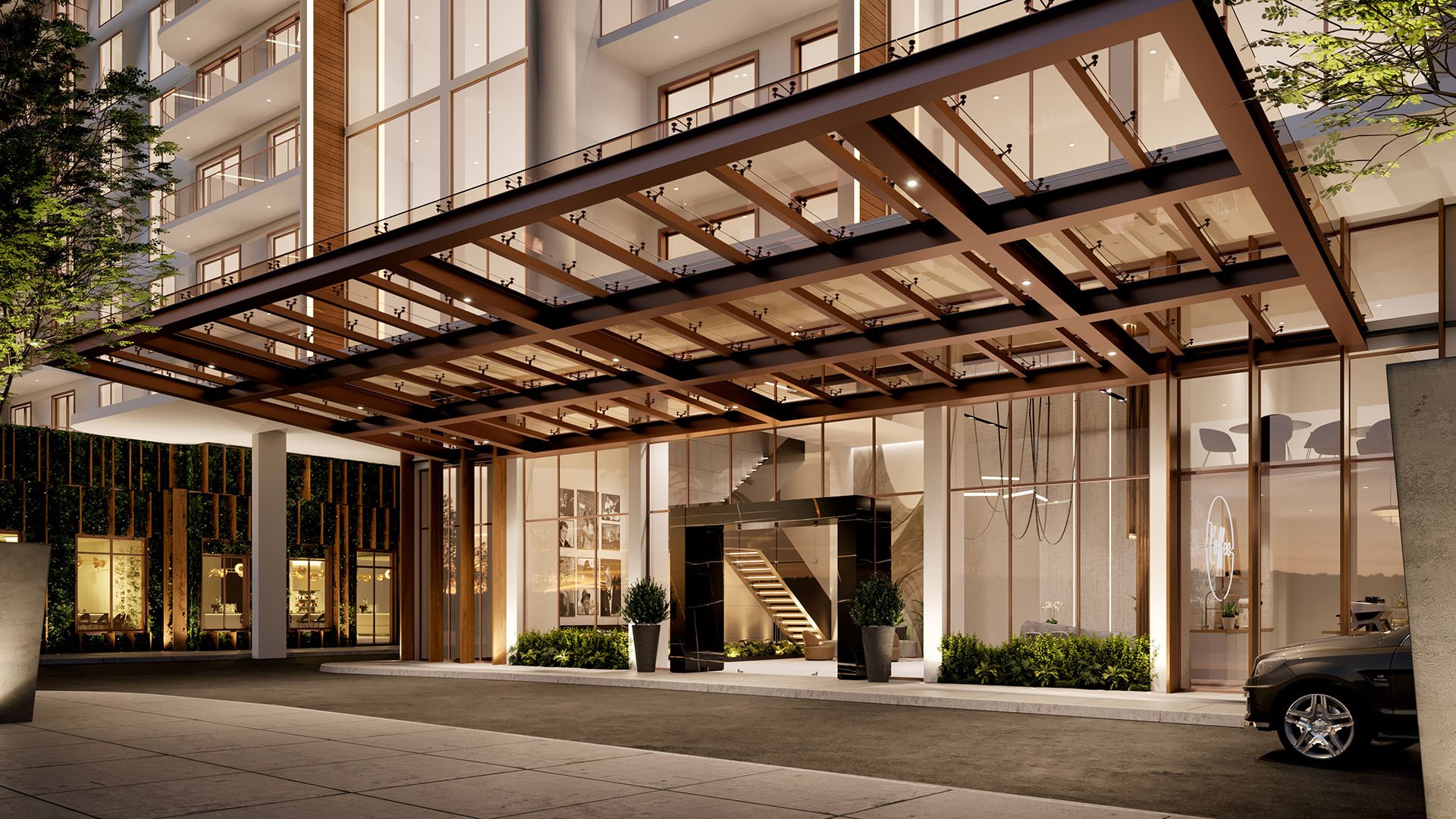
In full-service residences such as The Ritz-Carlton Residences® South Beach, buyers often expect a hospitality sensibility. The due diligence point is whether that hospitality is supported by structured back-of-house controls, rather than informal recognition alone.
Packages are a modern security issue. Ask how deliveries are received, scanned, stored, released, and documented. If the residence receives luxury goods, wine, art, medical supplies, or confidential documents, the building’s package protocol should be more substantial than a shelf behind the desk.
For larger items, the loading dock is equally important. Ask whether movers and installers must provide insurance, whether freight elevators are scheduled, whether staff inspect common areas before and after work, and whether vendors are restricted to defined routes. A building that handles deliveries well protects both privacy and property condition.
Food delivery also deserves scrutiny. Ask whether couriers may enter the lobby, proceed to the elevator, leave items with staff, or meet residents outside a controlled area. Convenience should not create uncontrolled building access.
A condominium building can manage common-area security, but the residence itself requires owner decisions. Ask what the building permits regarding smart locks, alarm systems, private cameras, leak sensors, safes, staff access codes, and remote monitoring. Some buildings have rules to protect neighbor privacy and architectural consistency.
If you are buying a penthouse, a private elevator residence, or a home with expansive terraces, ask how outdoor spaces intersect with security. Terraces, roof decks, pool areas, and private elevator landings require different thinking than a standard corridor-entry apartment. In a design-forward Miami Beach setting such as Five Park Miami Beach, the strongest buyers study how lifestyle, amenity access, and residence privacy work together.
This is also the moment to ask how keys, fobs, clickers, app permissions, and biometric systems are administered. Any access technology is only as strong as the process behind it.
Security systems are easiest when everything goes as planned. The real measure is how the building responds to exceptions. Ask what happens if a guest arrives before authorization, a vendor appears on the wrong day, a resident loses a phone, an elevator access credential fails, or a household employee is terminated while the owner is traveling.
Ask about hurricane procedures, power interruptions, elevator downtime, fire alarms, medical emergencies, and water intrusion. These are not merely safety questions; they are security questions because stress tests reveal how information moves through the building.
You should also understand communication channels. Does management send alerts by email, phone, app, text, or concierge call? Who receives notifications if the owner is abroad? Can an assistant be copied? The answer should match the way you actually live.
Before contract, ask to review the governing documents, house rules, move-in requirements, vendor rules, insurance requirements, and any available security-related policies. Your attorney and advisor can help determine whether the rules are consistent with your expectations.
After contract, create your personal access plan. Decide who may enter, who may receive packages, who may authorize repairs, and how approvals should change when you are away. In South of Fifth, the most secure ownership experience is not the most restrictive one. It is the one where the building’s protocol and the owner’s lifestyle are aligned from the beginning.
What is the first security question to ask before buying in South of Fifth? Ask the building to describe the complete access sequence from arrival to residence, including guests, vendors, garage entry, elevators, and service areas.
Is a 24-hour front desk enough for a luxury building? No. A front desk matters, but buyers should also evaluate training, escalation procedures, visitor verification, logs, and after-hours consistency.
Should I ask where every security camera is located? Ask about general coverage, monitoring, retention, and access to footage, but avoid requesting sensitive details that could compromise the building’s security plan.
How should buildings handle household staff access? The building should have a documented process for approving, limiting, updating, and revoking staff access as household needs change.
What should I ask about deliveries? Ask how packages are received, stored, documented, released, and protected, especially for valuables, confidential documents, wine, art, or medical items.
Are vendor rules important in a luxury condominium? Yes. Vendor protocols affect privacy, elevator use, common-area protection, insurance compliance, and the overall security of the residential environment.
How do I evaluate emergency readiness? Ask about communication procedures, power interruptions, elevator downtime, storm planning, medical emergencies, and who is notified when the owner is away.
Can I add my own residence-level security system? Usually this depends on building rules, privacy policies, wiring limits, and architectural standards, so confirm permissions before closing.
Do privacy and hospitality conflict in a luxury building? They should not. The best buildings deliver gracious service through clear protocols, so residents feel welcomed without sacrificing control.
When should security due diligence happen? Begin before contract, continue during document review, and finalize your personal access plan before move-in.
For a confidential assessment and a building-by-building shortlist, connect with MILLION.
If branded residences are on your mind — as a home or as an allocation — we would be glad to share what we are seeing, privately.
Begin a quiet conversation