A practical Surfside buyer’s guide to evaluating elevator redundancy, backup power, maintenance planning, and day-to-day vertical access before purchasing a luxury residence.
In Surfside, luxury is often measured in quiet details: a calm arrival, a private lobby, a short path from residence to sand, and service that feels invisible until it is needed. Elevator redundancy belongs in that same category. It is rarely the feature that dominates a brochure, yet it can shape daily life more directly than a finish package or amenity image.
For a buyer considering Surfside real estate, the question is not simply, “How many elevators does the building have?” The sharper question is, “What happens when one elevator is unavailable?” A building may feel effortless on a tour, but true operational quality shows itself during maintenance, move-ins, high-occupancy weekends, storms, and service interruptions.
Oceanfront residences add another layer. Owners may use a home seasonally, host family, rely on household staff, receive deliveries, or expect seamless access to wellness, beach, garage, and lobby levels. Elevator redundancy is therefore both a lifestyle issue and a risk-management issue. It affects privacy, convenience, perceived quality, and long-term confidence.
Begin with the simplest question, then refine it. Ask how many elevators serve the residences, whether they operate as one shared bank or separate banks, and whether at least one alternative route remains practical if a cab is out of service. Redundancy is strongest when a resident has more than one functional path to the home, not merely multiple cabs dependent on the same vulnerable arrangement.
When touring Arte Surfside or any other high-end Surfside address, frame the question around lived experience. If one elevator is under maintenance, can residents still reach every residential floor comfortably? Are amenities, garage levels, service areas, and lobby spaces still connected without awkward detours? Does the plan preserve privacy, or does it push residents, staff, and vendors into the same circulation path?
Also ask whether any elevator is dedicated to service, deliveries, staff, or move-ins. In a boutique building, that distinction can be especially important. A residence may have few neighbors, but one poorly timed furniture delivery can still change the feel of arrival if there is no thoughtful service strategy.
Every elevator system requires maintenance. The question is whether maintenance has been anticipated as part of the building’s operating culture. Ask how routine work is scheduled, how residents are notified, and whether the association or management team coordinates service activity around peak arrival times.
A luxury buyer should also ask about move-in policies, contractor access, housekeeping schedules, and package handling. These are not minor operational details. They determine whether vertical transportation remains graceful when the building is busy.
For seasonal owners, the conversation should include holiday weeks and periods of high occupancy. A Surfside residence may be serene for much of the year, but elevator capacity is tested when more owners, guests, staff, and vendors arrive at the same time. A strong building will have clear procedures, not improvised answers.
Backup power can sound technical, but the buyer’s questions should be direct. Which elevators are connected to emergency or backup power? Under what conditions do they operate? How often is the system tested? Who documents the tests? If the building has multiple elevators, does backup power support all of them, one of them, or a specific designated cab?
The answer matters because redundancy without power planning may be incomplete. If an outage occurs, the practical question is whether residents can continue to move safely and predictably through the building. Ask whether backup power also supports related systems that affect access, such as doors, controls, lighting, communications, or garage entry.
Buyers comparing Eighty Seven Park Surfside with other Surfside options should not settle for a general assurance. The right answer should be specific enough for your advisor to understand the sequence: what happens first, who responds, how residents are informed, and which path remains available.
Before making a decision, request the documents that reveal how the building is managed. Ask to review recent elevator maintenance records, current service agreements, inspection-related materials available to buyers, and any association discussion of modernization or capital planning. The point is not to become an elevator technician. The point is to understand whether the building treats vertical access as a core asset.
A well-run building usually has a rhythm: regular service, clear records, professional oversight, and transparent planning. A weaker operation may rely on reactive repairs, vague explanations, or deferred decision-making. For a luxury buyer, the difference can affect daily comfort and future resale perception.
If the building is newer or in development, ask who will maintain the system, what warranties or service commitments are contemplated, and how the transition from developer control to association governance will handle building operations. For a residence positioned at the highest end of Surfside, the operating plan should feel as carefully considered as the architecture.
In ultra-premium real estate, elevator performance is not just functional. It is experiential. Private or semi-private access, controlled service circulation, and reliable backup planning support the sense of discretion that many Surfside buyers prize.
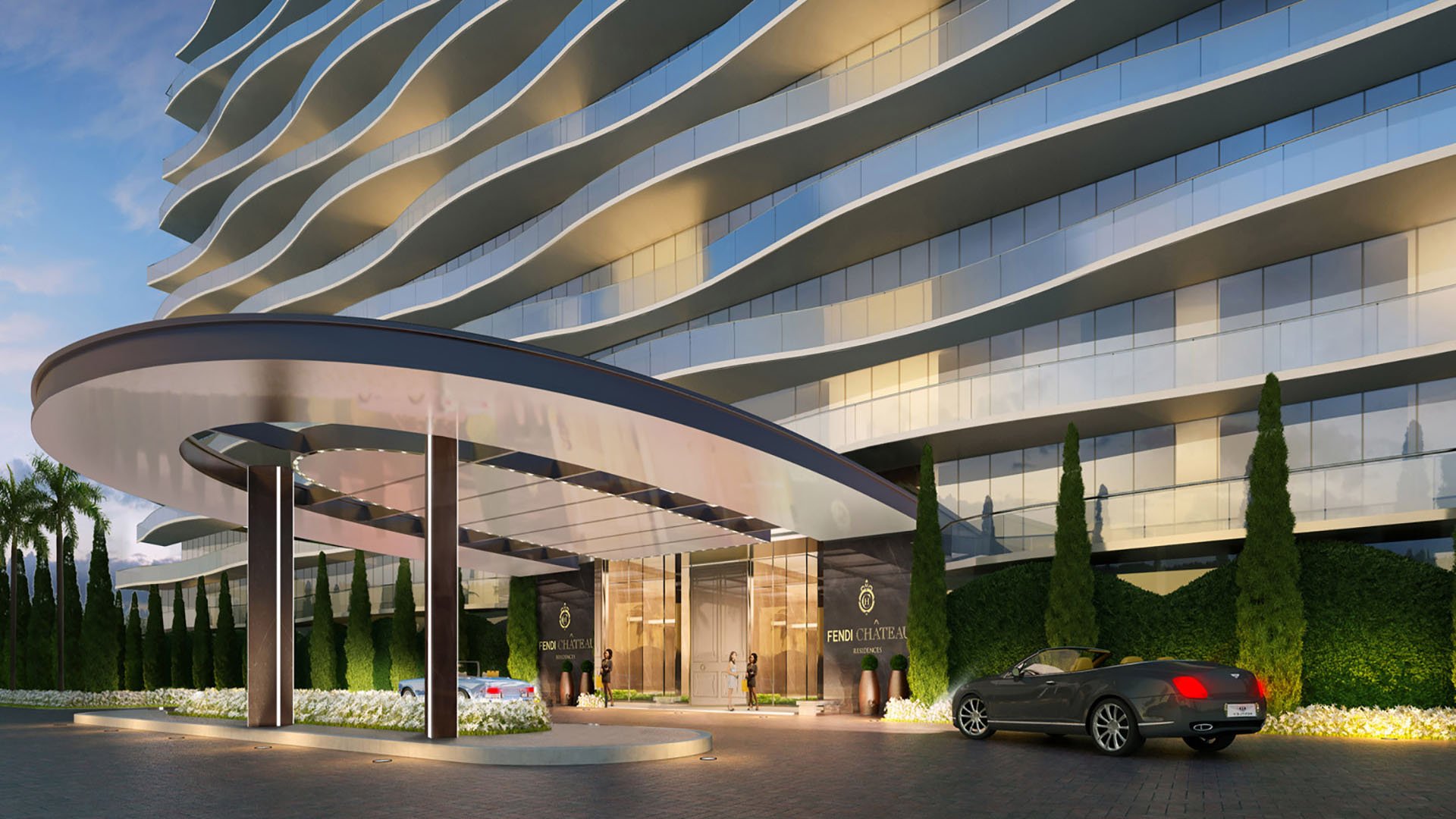
A buyer considering Fendi Château Residences Surfside may be weighing design, location, views, and service expectations. Elevator redundancy should sit alongside those criteria. If two residences feel similar in size and finish, the one with more resilient access may live better over time.
The same logic applies to emerging options such as The Delmore Surfside. As new luxury offerings enter buyer consideration, operational questions become a way to compare substance beneath the presentation. The most refined buildings do not merely look elegant. They function elegantly when conditions are imperfect.
Before submitting an offer, ask your advisor to put the elevator questions in writing. Start with the number of resident elevators, service elevators, and any dedicated access points. Then ask which elevators serve which floors, whether amenities and parking remain accessible during maintenance, and what the procedure is when one cab is out of service.
Next, ask about backup power. Identify the elevator or elevators supported, the testing schedule, and the management protocol during outages. Finally, request maintenance history, service contracts, and any known plans for upgrades, repairs, or modernization.
For a cash buyer, these questions can sharpen negotiating confidence. For a financed buyer, they can help avoid surprises during association review. For any Surfside buyer, they return the conversation to what luxury should mean: not only beauty, but dependability.
What does elevator redundancy mean in a luxury condo? It means the building has more than one practical way to maintain vertical access if an elevator is unavailable.
Is the number of elevators enough to judge redundancy? No. You also need to understand how the elevators are grouped, powered, maintained, and assigned.
Should I ask which elevator runs on backup power? Yes. Ask which cab is supported, how it is tested, and what resident access looks like during an outage.
Why does this matter more in boutique Surfside buildings? Smaller buildings may offer exceptional privacy, but fewer shared systems can make operating details especially important.
Can elevator issues affect resale value? They can influence buyer perception, particularly at the luxury level where convenience and reliability are expected.
What documents should I request before buying? Ask for available maintenance records, service agreements, inspection materials, and any capital planning related to elevators.
Should service elevators be part of the review? Yes. Service circulation affects privacy, move-ins, deliveries, staff access, and the feel of the residential arrival.
How should seasonal owners think about elevator redundancy? They should focus on peak occupancy periods, guest use, staff access, and procedures during maintenance or outages.
Is this only a concern for older buildings? No. Newer and planned buildings should also be evaluated for operating structure, backup power, and long-term maintenance.
When should I ask these questions? Ask during early due diligence, before emotional momentum makes operational concerns easier to overlook.
For a discreet conversation and a curated building-by-building shortlist, connect with MILLION.
If branded residences are on your mind — as a home or as an allocation — we would be glad to share what we are seeing, privately.
Begin a quiet conversation