A buyer-focused comparison of Kempinski Residences Miami Design District and The Residences at Mandarin Oriental Boca Raton, with emphasis on family amenity diligence, teen-space verification, and guest-suite access before committing to a sales-gallery narrative.
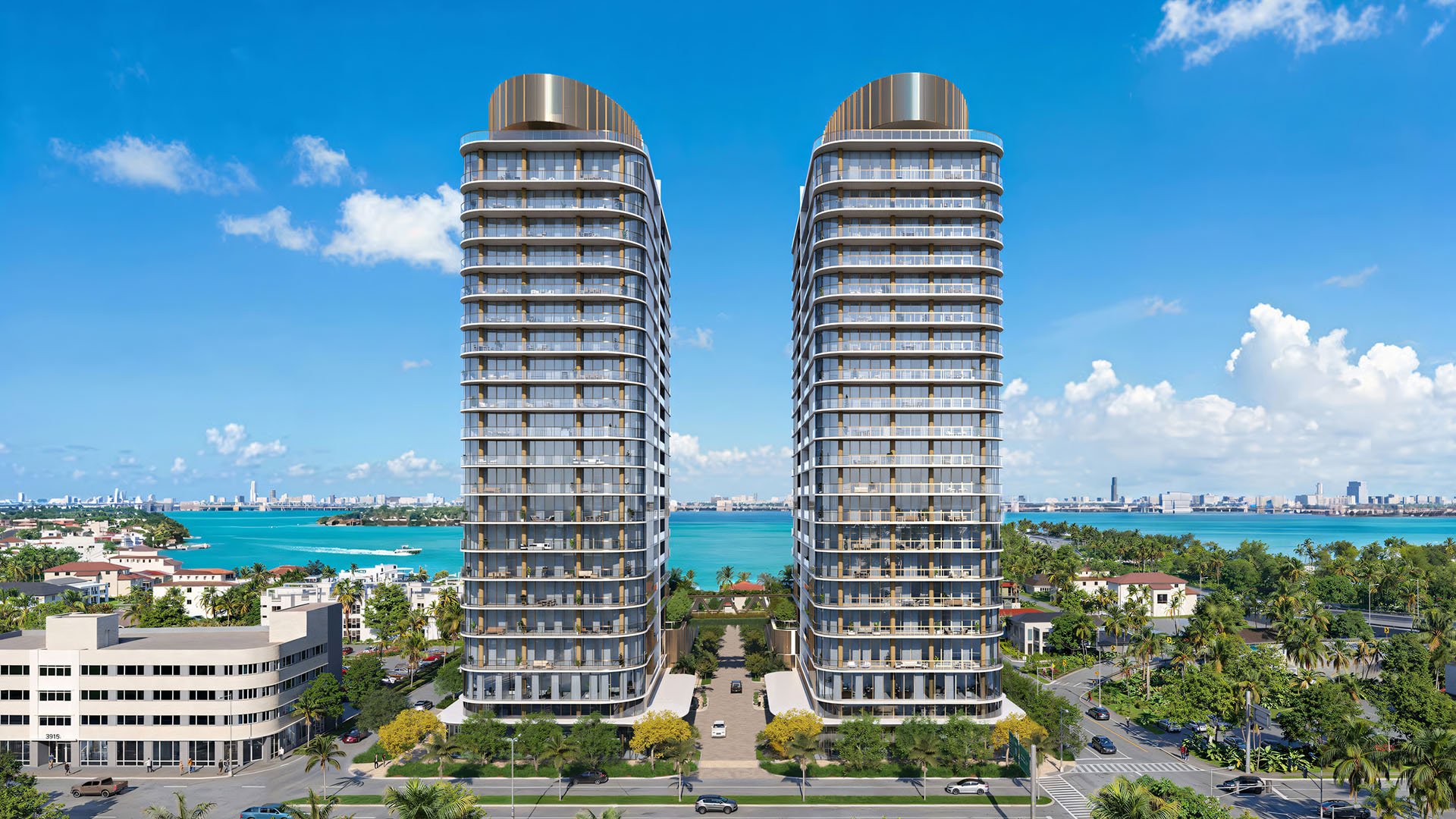
In South Florida’s branded-residence market, the sales gallery is designed to compress desire into certainty. A serene model kitchen, a polished amenity wall, and a hospitality name can make two very different decisions feel deceptively similar. For families comparing Kempinski Residences Miami Design District with The Residences at Mandarin Oriental Boca Raton, the first distinction is not the finishes package or the brand mood. It is location, rhythm, and how much of the promised family lifestyle is documented.
The Mandarin Oriental comparator is the Boca Raton branded-residence option. Kempinski, by contrast, is the Miami Design District option, with a materially different urban cadence. That difference alone may decide the short list for some households. One buyer may want a Miami base surrounded by design, dining, and cultural energy. Another may want the Boca Raton pattern of longer stays, school-year planning, visiting grandparents, and a residential pace that reads more settled than metropolitan.
Yet the title of this comparison points to the real issue: family amenities, teen spaces, and guest-suite access often sound straightforward in conversation, then become complicated in operation. Public-facing detail is thin on the exact elements that matter most to households with children, teenagers, and frequent guests. Before the sales gallery wins, the family should slow the conversation down.
A luxury residence can be beautiful and still be inefficient for a family. The relevant question is not whether the building feels family-friendly during a presentation. It is whether the amenity plan works at 7:30 a.m. on a school day, at 4:00 p.m. after sports practice, during a rainy Saturday, and when cousins arrive for a holiday week.
For The Residences at Mandarin Oriental Boca Raton, the Boca Raton branded-residence context is clear, but the available detail does not provide a complete operational map of family amenities. For Kempinski Residences Miami Design District, the same caution applies: there is not enough project-specific detail to make family amenity claims with confidence. That does not make either project less compelling. It means the buyer’s questions must become more exact.
Families should ask whether children’s areas are dedicated or flexible, whether supervision is offered or merely implied, whether food and beverage service reaches family zones, and whether certain rooms can be reserved for birthdays, tutoring, or small gatherings. It is also worth asking if any amenity areas have age restrictions, quiet-hour policies, guest limits, or holiday-capacity controls.
In Boca Raton, buyers may also benchmark the conversation against other local luxury residential options such as Alina Residences Boca Raton and Glass House Boca Raton, not to assume identical programming, but to sharpen expectations around how a Boca family lifestyle is being packaged. For households that compare several South Florida options at once, the better lens is daily usability rather than a broad label.
Parents of younger children often ask about playrooms. Parents of teenagers should ask a different set of questions. Is there a dedicated teen lounge? Is there a gaming room? Is it staffed, monitored, or simply an open room with screens? Are friends allowed without an owner present? Can guests use the space? Are hours different during school nights, holiday weeks, or summer?
There is not enough detail to state that either property has a dedicated teen lounge, gaming room, or teen programming. That should be treated as a critical point, not a footnote. Teen amenities are among the easiest to describe in broad lifestyle language and among the hardest to operate well. A room that photographs beautifully may become underused if it lacks privacy, programming, acoustical separation, and sensible access rules.
For families choosing between Miami Design District and Boca Raton, the teen question is partly geographic. A Miami Design District home may place older teenagers closer to urban experiences, restaurants, galleries, and the broader Miami social map. A Boca Raton residence may serve families whose teen lives revolve around school, clubs, sports, and multi-generational households. Neither setting is universally superior. The correct choice depends on the teenager’s real week, not the parent’s preferred rendering.
The sales-gallery question should be simple: show the teen-specific plan in writing. If there is no dedicated teen room, ask how older children are expected to use the amenity program without overwhelming adult spaces or feeling exiled to younger-child areas. If a teen space exists, ask who controls it, who cleans it, who supervises it, and how conflicts between residents are handled.
Guest-suite access is one of the most consequential issues for family buyers, especially in South Florida. Grandparents may visit for several weeks. Adult children may arrive with partners. Friends may fly in during Art Week, holidays, spring break, or winter season. If the residence itself is sized around a particular household, any shared guest-suite program can become a major lifestyle advantage, but only if the rules are clear.
At present, there is not enough detail to state that either property offers shared guest suites, or to confirm inventory, fees, booking rules, owner priority, or blackout dates. This is exactly the type of topic that should be settled before emotional momentum builds. A buyer should not assume that a hospitality-branded residence automatically solves overflow guests.
The essential questions are practical. How many guest suites exist, if any? Who may reserve them? How far in advance may an owner book? Is there a nightly fee, cleaning fee, minimum stay, or maximum stay? Are peak weeks blocked? Can an owner reserve multiple suites? Do renters, family members, or unaccompanied guests receive access? What happens if demand exceeds supply?
The answer may influence unit selection. A family that cannot rely on guest suites may prefer an extra bedroom, a larger den, or a floor plan with more separation between sleeping areas. A couple buying a pied-à-terre may reach a different conclusion. This is where luxury becomes arithmetic.
Kempinski’s Miami Design District positioning and Mandarin Oriental’s Boca Raton positioning should not be evaluated as interchangeable branded objects. They sit inside different lifestyle ecosystems. The Miami Design District decision is more urban, more Miami-centric, and potentially more appealing to buyers who want proximity to cultural and dining energy. The Boca Raton decision is more aligned with households that want a branded-residence experience in a city long associated with established residential living.
That distinction matters for families. A parent choosing Miami may be optimizing for weekend access, design-world adjacency, and a more contemporary city rhythm. A parent choosing Boca Raton may be optimizing for school logistics, grandparents, quieter daily routines, and a home that serves as a South Florida anchor rather than a pure urban perch.
For buyers who are comparing branded hospitality across markets, The Residences at Mandarin Oriental, Miami may also enter the broader conversation, but it should not blur the Boca Raton comparison. Each address must be tested on its own documents, its own service model, and its own access policies.
A polished presentation is useful, but it should not replace written confirmation. Family buyers should request the amenity plan, house rules, preliminary association documents when available, guest policies, reservation procedures, service menus, and any age-related restrictions. If a representative describes a teen lounge, ask for the page where it appears. If guest suites are mentioned, ask for the booking framework. If family programming is discussed, ask whether it is permanent, seasonal, outsourced, or subject to change.
The most sophisticated buyers are not skeptical because they distrust the project. They are disciplined because they understand that branded residential living is both emotional and operational. The better the brand, the more important it is to separate service language from enforceable access.
In this comparison, the advantage does not automatically belong to the louder presentation. It belongs to the project that can answer a family’s specific questions with clarity. For some households, that may ultimately favor the Miami Design District energy of Kempinski. For others, it may favor the Boca Raton branded-residence setting of Mandarin Oriental. The decision should be made after the documents, not before them.
Is Kempinski Residences Miami Design District confirmed to have a teen lounge? A dedicated teen lounge, gaming room, or teen programming is not confirmed here. Buyers should request written project documentation before relying on that feature.
Is The Residences at Mandarin Oriental Boca Raton confirmed to have guest suites? Guest-suite inventory, booking rules, fees, and owner access policies are not confirmed here. Treat guest accommodations as a sales-gallery question requiring written confirmation.
Which location is more family-oriented, Miami Design District or Boca Raton? The answer depends on the family’s daily rhythm. Miami Design District reads more urban, while Boca Raton is a materially different residential setting.
Should buyers assume branded residences include hotel-style guest access? No. Hospitality branding does not automatically define guest-suite rights, reservation priority, fees, or blackout dates.
What should parents ask about children’s amenities? Ask whether spaces are dedicated, supervised, age-restricted, reservable, and governed by written rules. Also ask how peak periods are managed.
Why are teen spaces so important in luxury condos? Teenagers need age-appropriate areas that are neither children’s playrooms nor adult lounges. Without clear planning, those spaces can become operationally awkward.
Can a sales-gallery presentation be enough for a family decision? It can introduce the lifestyle, but it should not finalize the decision. Families should ask for written policies before committing.
Should guest-suite access affect floor-plan choice? Yes. If shared guest suites are not confirmed, a buyer may need more bedrooms, a den, or a more flexible layout.
Is Mandarin Oriental Boca Raton the Boca Raton comparator in this discussion? Yes. The Residences at Mandarin Oriental Boca Raton is the Boca Raton branded-residence option in this comparison.
What is the safest next step before choosing between the two? Request the written amenity, teen-space, and guest-access policies for each project. Then compare the rules against how your family actually lives.
For a tailored shortlist and next-step guidance, connect with MILLION.
If branded residences are on your mind — as a home or as an allocation — we would be glad to share what we are seeing, privately.
Begin a quiet conversation