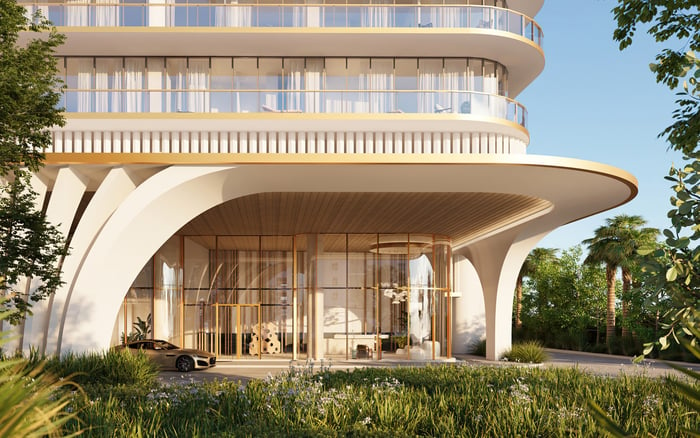
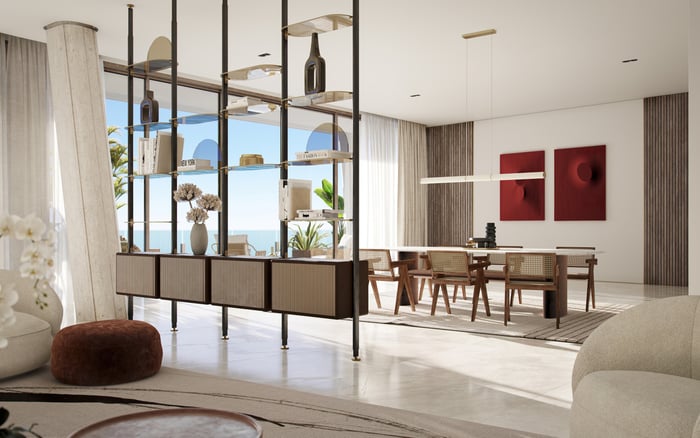
A buyer-focused comparison of three South Florida luxury ownership models: Grove Isle’s island-enclave calm, Waldorf Astoria’s branded hospitality in Broward, and Alma’s boutique waterfront cadence in Bay Harbor Islands.
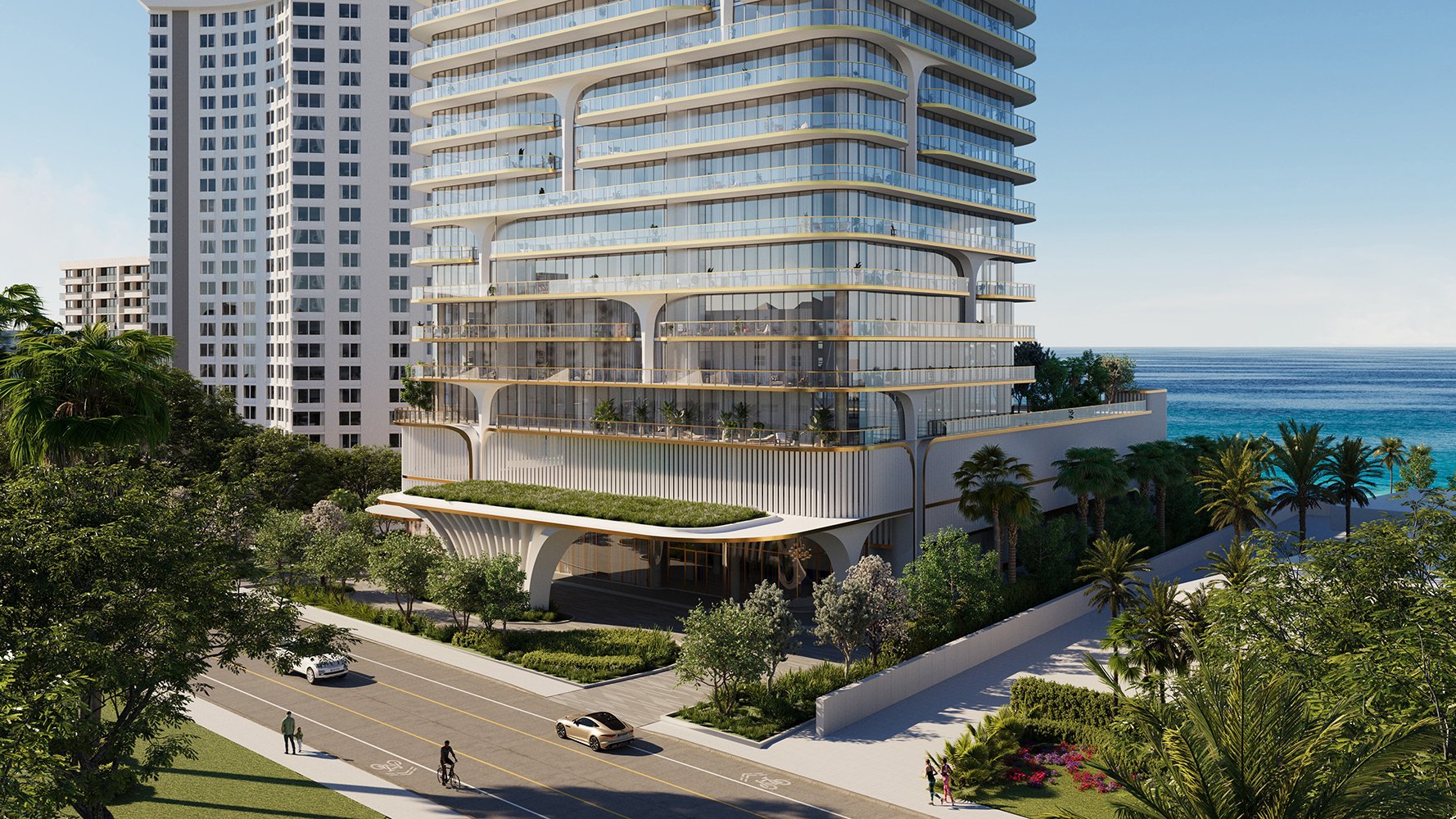
At the upper end of South Florida real estate, the decisive question is rarely whether a building is beautiful. It is how the residence performs on an ordinary Tuesday morning: how much service is present without becoming intrusive, how the neighborhood receives you, and whether the setting makes daily life feel simplified rather than over-managed.
That is the useful lens for comparing Vita at Grove Isle, Waldorf Astoria Residences Pompano Beach, and Alma Bay Harbor Islands. Each speaks to a sophisticated buyer, but each defines luxury through a different daily rhythm. Vita is best understood through its Miami island-enclave address. Waldorf Astoria Residences Pompano Beach is the clearest service-led proposition, anchored by the expectations of a global hospitality name. Alma is quieter and more residential, shaped by water, outdoor living, and the harbor setting of Bay Harbor Islands.
For buyers moving between these three, the comparison is not simply Miami versus Broward, or boutique versus branded. It is privacy, predictability, neighborhood texture, and the level of daily orchestration one actually wants.
Vita at Grove Isle enters the conversation as the Miami-based option with an island-enclave sensibility. That distinction matters. In a market where many luxury towers emphasize skyline energy, beach frontage, or full resort programming, Grove Isle has a more contained mood. The appeal is less about constant activation and more about separation from the surrounding pace.
For a buyer who wants Miami without the full pressure of Miami every day, that island quality is the draw. The ownership experience is likely to feel more inward-looking than a high-traffic urban condominium corridor, with the psychological value of crossing into a defined residential setting. It is a lifestyle rooted in discretion, access, and a sense of remove.
Because the strongest available comparison here is experiential rather than specification-driven, Vita should be assessed carefully in person. The buyer question is simple: does the island-enclave setting create enough daily calm to outweigh the pull of a branded service model elsewhere? For many Miami loyalists, the answer may be yes.
Waldorf Astoria Residences Pompano Beach separates itself most clearly through service. Among the three, it is the most hospitality-forward concept, with ownership framed around branded-residence expectations rather than a conventional condominium mindset. Prestige is part of the appeal, but the deeper value is consistency. The name signals a promise of managed luxury, where the daily environment is expected to feel polished, coordinated, and attentive.
That matters for owners who travel frequently, split time between homes, or prefer a more supported residential experience. A branded residence is not just about signage. It is about the feeling that the building knows how to receive residents, guests, requests, and routines with a level of discipline associated with hotel culture.
Its Broward location is equally important. Pompano Beach offers a coastal Broward rhythm rather than a Miami-Dade one. Commutes, social patterns, restaurants, marinas, beaches, and weekend movement all play differently. For some buyers, that is a strategic advantage. They may want ocean-oriented living with less reliance on Miami’s denser residential corridors. In that sense, Waldorf Astoria Residences Pompano Beach is not trying to imitate Coconut Grove or Bay Harbor Islands. It offers a separate geography and a separate idea of ease.
This is the natural fit for the buyer who wants the most managed daily environment of the three. If the priority is a recognizable hospitality brand, defined service expectations, and the reassurance of a globally understood luxury identity, Waldorf stands apart.
Alma Bay Harbor Islands is a different proposition. It is less about the authority of a global hospitality flag and more about a boutique residential experience in a waterfront setting. Daily life is shaped by water views, outdoor living, and the harbor itself, giving the project a softer, more neighborhood-driven cadence.
Bay Harbor Islands has its own luxury logic. It sits close to Miami Beach and Bal Harbour, yet tends to feel lower-density than many larger coastal condominium corridors. That balance is central to Alma’s appeal. Owners can remain connected to major luxury, dining, shopping, and beach destinations without surrendering the quieter village-like quality that defines the islands.
In the language buyers use when searching, Bay Harbor and Broward often point to very different ownership expectations. Alma belongs to the Bay Harbor side of that divide: residential, waterfront, measured, and modern rather than overtly hotel-branded. The water-view component matters because it affects how the home is used, not just how it photographs. Morning light, evening terraces, and the harbor backdrop become part of the daily routine.
For buyers also considering nearby boutique inventory, projects such as La Maré Bay Harbor Islands help illustrate the broader appetite for quieter waterfront living in the area. Alma’s specific appeal remains its combination of modern waterfront positioning and a neighborhood-residential pace.
The Vita buyer is likely choosing Miami with a layer of separation. This is a resident who values the cachet and access of a Grove Isle address, but wants the day to begin and end in a more protected island context. The emotional premium is privacy, calm, and the feeling of being apart without being remote.
The Waldorf buyer is choosing service as infrastructure. This owner may value predictability above personalization, or may want a residence that feels capable of supporting a high-mobility lifestyle. The brand reduces ambiguity. It tells residents what kind of service culture to expect and frames ownership around hospitality-grade polish.
The Alma buyer is choosing water, neighborhood, and scale. This is not the buyer seeking the most conspicuous global flag. It is the buyer who prefers a modern home base near Miami Beach and Bal Harbour, but with a quieter residential identity. Alma is strongest when judged as a waterfront residence first, not as a resort concept.
None of the three is inherently superior. The right decision depends on whether luxury should feel secluded, serviced, or settled into a waterfront neighborhood.
South Florida buyers often compare buildings before comparing maps, but here the map is central. Grove Isle places Vita within a Miami island-enclave frame. Pompano Beach places Waldorf Astoria Residences in a coastal Broward context. Bay Harbor Islands places Alma between the energy of Miami Beach and Bal Harbour and the calm of a lower-density residential setting.
That geography affects everything from school runs and office access to dinner plans and weekend boating culture. A buyer who lives primarily in Miami may experience Pompano as a lifestyle relocation, not just a building choice. Conversely, a Broward-oriented buyer may find Miami-Dade’s rhythm less convenient, even when the architecture is compelling.
This is why the daily ownership test is so revealing. Where will the owner actually spend mornings, evenings, and unscheduled hours? Which location reduces friction rather than adding prestige at the cost of ease?
Service is not one universal good. Some owners want maximal support, with a residence that feels professionally managed at every touchpoint. Others want privacy and autonomy, with staff and amenities present but not central to the identity of the home.
Waldorf Astoria Residences Pompano Beach is the clearest answer for the first group. Alma Bay Harbor Islands is more compelling for the second group if waterfront residential calm is the priority. Vita at Grove Isle sits in a separate lane, where the island-enclave character may be more important than either branding or neighborhood village texture.
The most sophisticated buyers will not ask which project has the most features. They will ask which one feels easiest to live in over time.
Which residence has the most service-driven ownership experience? Waldorf Astoria Residences Pompano Beach is the most service-led of the three, with the strongest hospitality-branded positioning.
Which option is best for a quieter waterfront lifestyle? Alma Bay Harbor Islands is the clearest fit for buyers who want a boutique waterfront setting with a neighborhood-residential cadence.
How should buyers understand Vita at Grove Isle? Vita at Grove Isle is best viewed through its Miami island-enclave appeal, where privacy and separation shape the daily experience.
Is Waldorf Astoria Residences Pompano Beach in Miami-Dade? No. It is in Broward County, which creates a different coastal lifestyle and commute pattern from Miami-based options.
Does Alma Bay Harbor Islands rely on hotel-style branding? Alma is better understood as a boutique waterfront residence rather than a global hospitality-branded ownership model.
Why does Bay Harbor Islands appeal to luxury buyers? It offers proximity to Miami Beach and Bal Harbour while maintaining a quieter, lower-density residential feel.
Which project is best for buyers who travel often? Waldorf Astoria Residences Pompano Beach may suit frequent travelers who value managed service and brand consistency.
Which residence feels most neighborhood-oriented? Alma Bay Harbor Islands has the strongest neighborhood-residential character among the three, shaped by its harbor setting.
Should buyers compare these only by amenities? No. The better comparison is daily rhythm, including service expectations, geography, privacy, and how each location functions.
What is the simplest way to choose among them? Choose Vita for island-enclave Miami living, Waldorf for branded service in Broward, and Alma for boutique waterfront calm.
For a confidential assessment and a building-by-building shortlist, connect with MILLION.
If branded residences are on your mind — as a home or as an allocation — we would be glad to share what we are seeing, privately.
Begin a quiet conversation