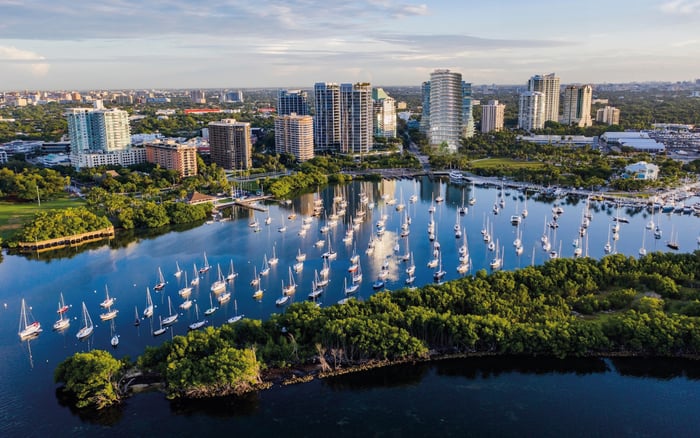
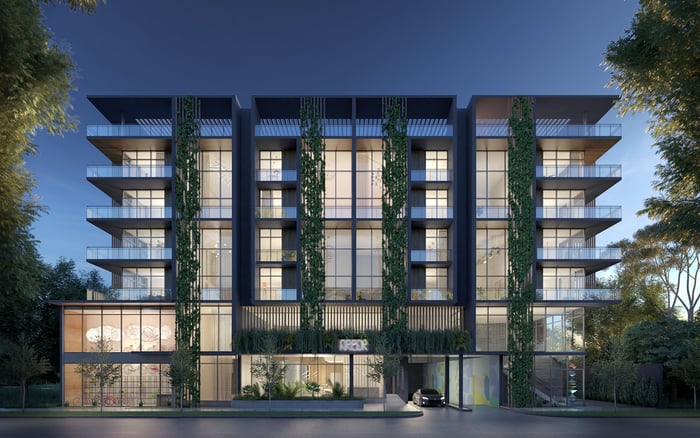
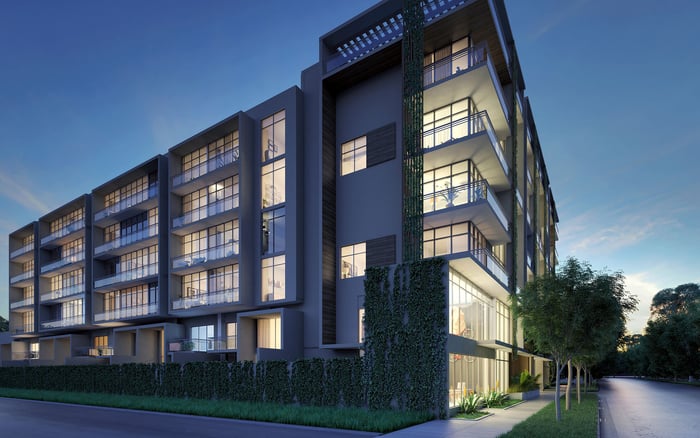
A buyer-focused look at how Arbor Coconut Grove, Mr. C Tigertail Coconut Grove, and Opus Coconut Grove frame logistics as a luxury differentiator in one of Miami’s most nuanced residential markets.
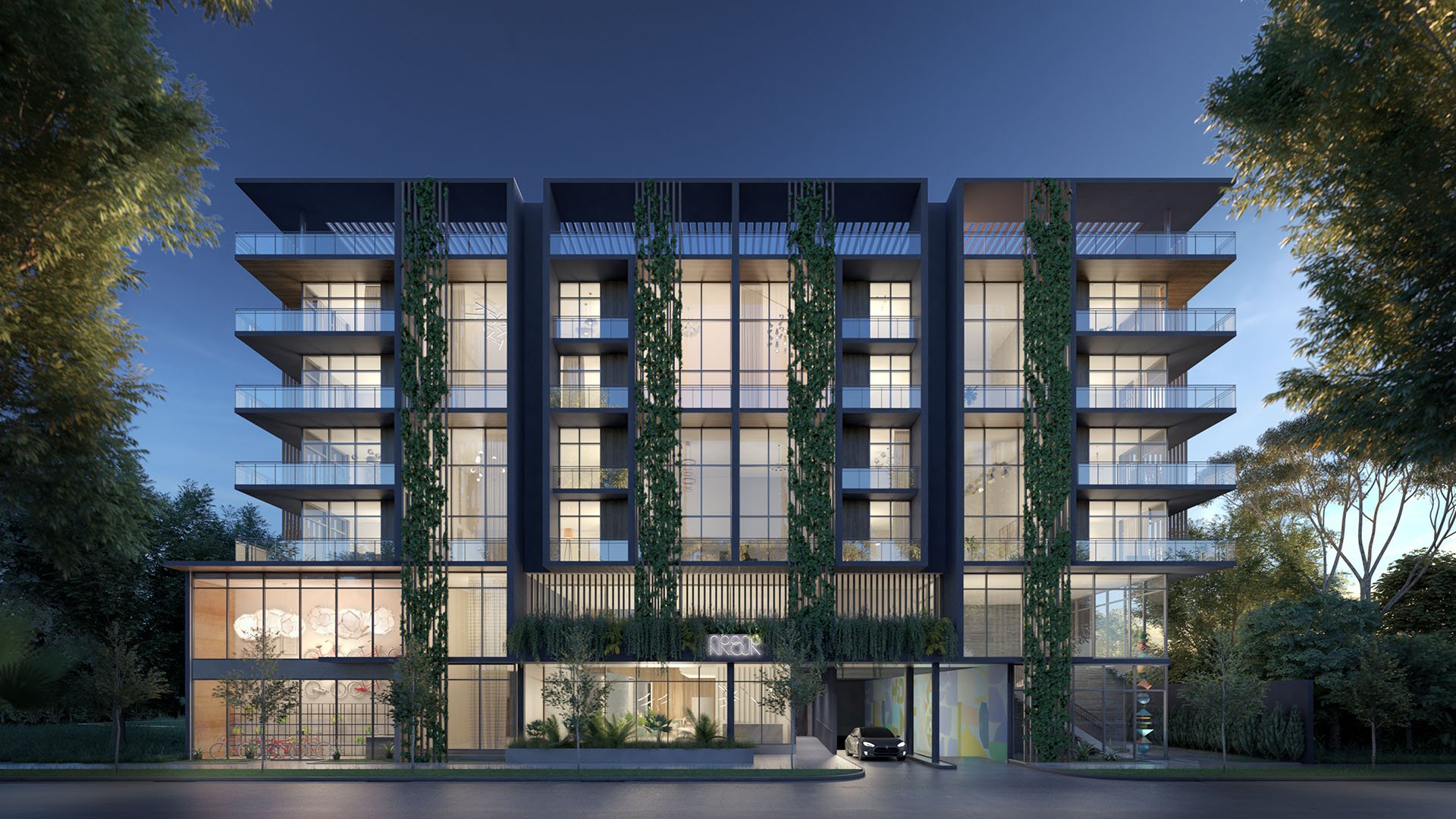
In Coconut Grove, luxury is rarely defined by spectacle alone. The neighborhood’s appeal is more intimate: walkable streets beneath a mature tree canopy, proximity to Biscayne Bay, and a daily rhythm shaped by village life and marina culture. For buyers evaluating Arbor Coconut Grove, Mr. C Tigertail Coconut Grove, and Opus Coconut Grove, the decisive question is not only how a residence looks. It is how the building behaves.
That behavior becomes visible in three ordinary moments: arriving home, receiving guests, and moving services through the property without interrupting private life. In a market where finishes, views, and amenities can all be compelling, operational grace becomes a higher form of design. The best buildings make friction disappear. Valet feels composed, deliveries do not feel intrusive, household support moves discreetly, and boat-related routines feel like part of the lifestyle rather than a complication.
These three Coconut Grove projects can be read as three operating models. Arbor Coconut Grove reflects the boutique, village-scale residential approach. Mr. C Tigertail Coconut Grove translates branded hospitality into a residential environment. Opus Coconut Grove represents the ultra-luxury bayfront tower model, where scale and service expectations create more demanding choreography. For buyers tracking Coconut Grove, the vocabulary is no longer limited to square footage and views. Marina access, boutique privacy, and service circulation have become part of the value conversation.
Arbor Coconut Grove begins with the advantage of scale. A smaller residential project can feel more personal, less performative, and more controlled. Its buyer is likely to value privacy, simplicity, and a low-friction relationship with the neighborhood. In this context, arrival is not a grand procession. It is a quiet transition from Grove street life to private residence.
Mr. C Tigertail Coconut Grove is a different proposition. Branded residences bring hospitality expectations into the home, which gives the arrival sequence greater symbolic weight. Guests expect polish. Residents expect service to anticipate rather than react. The operational question is how a property with hotel-style instincts can maintain residential calm, especially when arrivals, valet, concierge touchpoints, and service requests overlap.
Opus Coconut Grove sits in the ultra-luxury bayfront tower category, where the stakes are broader. A larger, high-expectation residential product near the bay must manage not only resident arrival and guest experience, but also the invisible machinery of elevated living. Service providers, deliveries, household staff, maintenance, and boat-oriented routines all place pressure on the building’s internal logic. The more luxurious the promise, the more disciplined the back-of-house system must be.
Coconut Grove’s relationship to the water is central to its identity. Yet marina culture introduces a complexity that is easy to romanticize and harder to manage. Boat days have a rhythm: gear, guests, timing, valet coordination, ride-share activity, provisions, and the return home when everyone arrives at once. A residence does not need to own every part of that journey to influence how smooth it feels.
For Arbor Coconut Grove, the relevant advantage is restraint. A boutique, village-scale property can appeal to residents who want the Grove’s boating culture nearby without turning the building itself into a high-traffic hospitality stage. The ideal experience is understated: simple arrivals, intuitive drop-offs, and enough privacy that weekend routines do not feel exposed.
At Mr. C Tigertail Coconut Grove, marina-adjacent living intersects with branded service expectations. The hospitality-led model suggests a buyer who may want more assistance, more polish, and a stronger sense that the property understands guest movement. The risk in any branded environment is overactivity. The opportunity is coordination. When the service culture is well conceived, a complex day can feel composed.
Opus Coconut Grove has the most demanding brief. As an ultra-luxury bayfront tower reference point, it speaks to buyers who expect the waterfront lifestyle to feel effortless at a larger residential scale. Here, marina logistics become less about a single moment and more about cumulative flow. The building must feel capable when multiple residents are living the same bayfront routine at the same time.
Guest arrival is one of the clearest expressions of a building’s personality. Some properties aim for discretion. Others offer ceremony. The best ones understand which experience their residents actually want.
Arbor Coconut Grove’s guest-arrival story is rooted in privacy. In a village-scaled setting, the most luxurious gesture may be the absence of fuss. Friends and family should be able to arrive without a feeling of congestion or overmanagement. The arrival sequence should support the residential character of the building, keeping the tone calm and personal.
Mr. C Tigertail Coconut Grove naturally carries a more theatrical expectation, though theatrical does not have to mean loud. Branded hospitality depends on cues: welcome, recognition, service readiness, and an arrival moment that feels intentional. For buyers drawn to this model, the entrance is not merely functional. It is part of the lifestyle proposition.
Opus Coconut Grove asks a different question: how does a larger ultra-luxury property maintain an elevated welcome without creating bottlenecks? In the tower model, arrival quality depends on sequencing. Residents, private drivers, guests, valet, and service activity all need enough separation for the front-of-house experience to remain serene.
Back-of-house circulation is rarely the first topic in a sales conversation, but sophisticated buyers understand its importance. It determines whether deliveries interrupt the lobby, whether staff movement feels discreet, and whether the building can maintain its standard during busy periods. In luxury residential life, elegance is often a function of what stays unseen.
For Arbor Coconut Grove, the back-of-house question is proportion. A smaller building may not require the same operational intensity as a large tower, but it still needs disciplined separation between private life and support functions. Buyers should look for signs that daily maintenance, packages, vendors, and household needs can be absorbed without disturbing the intimate residential tone.
For Mr. C Tigertail Coconut Grove, service flow is part of the brand promise. Hospitality-led living raises expectations around responsiveness, but responsiveness depends on infrastructure and choreography. If front-of-house teams are meant to deliver a polished experience, the back-of-house environment must allow them to move efficiently and discreetly.
For Opus Coconut Grove, back-of-house planning is central to credibility. Ultra-luxury tower living brings higher service expectations, more simultaneous resident needs, and a greater need for separation between public-facing spaces and operational movement. Buyers should not simply ask what services are offered. The better question is how those services move through the building.
The right Coconut Grove residence depends on how a buyer lives. A resident who prizes privacy, neighborhood texture, and a quieter threshold may respond to Arbor Coconut Grove. A buyer who values a hospitality cadence, guest recognition, and service culture may find the Mr. C Tigertail Coconut Grove model more aligned. A buyer seeking a larger ultra-luxury bayfront environment may focus on Opus Coconut Grove and its ability to sustain high expectations at scale.
The practical questions are revealing. How does the property handle peak arrival times? Where do guests wait? How are deliveries absorbed? Does valet feel calm or compressed? Can service providers move without crossing the resident’s emotional center of gravity? How do boat-day routines feel when residents are carrying bags, receiving friends, or returning from the water?
In the Grove, flow is not a technical afterthought. It is a marker of taste. The most successful residence is the one that makes the complex parts of luxury living feel almost invisible.
Why compare Arbor Coconut Grove, Mr. C Tigertail Coconut Grove, and Opus Coconut Grove together? They represent three different Coconut Grove luxury operating models: boutique residential, branded hospitality-residential, and ultra-luxury bayfront tower.
What makes marina logistics important in Coconut Grove? The neighborhood’s lifestyle is closely tied to Biscayne Bay and marina culture, so boat-related routines can affect how effortless daily living feels.
How does Arbor Coconut Grove fit this comparison? Arbor Coconut Grove is the boutique, village-scale reference point, with the appeal of a more private and low-friction residential experience.
How does Mr. C Tigertail Coconut Grove differ? Mr. C Tigertail Coconut Grove brings a branded hospitality lens, where arrival, service expectations, and guest choreography become central to the experience.
How does Opus Coconut Grove differ? Opus Coconut Grove is the ultra-luxury bayfront tower reference point, where scale and elevated service expectations make operational flow especially important.
Should buyers ask about valet and arrival flow? Yes. Arrival quality shapes the first and last impression of daily life, particularly when residents, guests, and service providers overlap.
Is back-of-house planning really a luxury issue? Yes. The best service environments feel quiet because deliveries, staff movement, and maintenance are handled without disrupting private spaces.
Which model is best for privacy? A boutique residential model may appeal most to buyers who want discretion, though the right fit depends on lifestyle and expectations.
Which model is best for hospitality-style service? A branded residence such as Mr. C Tigertail Coconut Grove is designed around a stronger service identity and more formal arrival expectations.
What is the best way to shortlist comparable options for touring? Start with location fit, delivery status, and daily lifestyle priorities, then compare stacks and elevations to validate views and privacy.
To compare the best-fit options with clarity, connect with MILLION.
If branded residences are on your mind — as a home or as an allocation — we would be glad to share what we are seeing, privately.
Begin a quiet conversation