A practical 2026 guide to evaluating hallway exposure in Las Olas condominiums, with a focus on privacy, sound, elevator proximity, daily arrival experience and resale-minded selection.

In a Las Olas condominium search, buyers naturally focus on the visible luxuries: water views, terrace depth, ceiling height, finishes, garage access and the sense of arrival in the lobby. Yet one of the most revealing details appears before the residence door opens. Hallway exposure, the relationship between a unit’s entry and the shared corridor, can shape privacy, sound, convenience and the daily ritual of coming home.
The phrase may sound technical, but the concept is simple. It asks what the residence is exposed to from the corridor: elevator traffic, service doors, trash rooms, stairwells, neighboring entries, sightlines from common areas and the acoustics of the hallway itself. In the upper tier of the market, buyers are not only purchasing square footage. They are buying discretion, calm and control. The corridor is part of that experience.
For 2026, the most sophisticated Las Olas buyer should treat hallway exposure as a quiet due diligence category. It will rarely replace view, layout or building quality as the primary decision point, but it can separate a residence that feels serene from one that feels too public.
Hallway exposure begins at the threshold. Stand outside the residence door and ask what the entry reveals. Can someone stepping off the elevator see directly into the foyer when the door opens? Does the entry sit opposite another unit, creating an unavoidable face-to-face moment? Is there a service function nearby that may bring more movement throughout the day?
A highly private entry does not have to be isolated, but it should feel composed. The best corridors create a clear sense of transition: from lobby to elevator, from elevator to hallway, from hallway to residence. Each step should become quieter and more private. When the opposite occurs, and the hallway grows busier near the door, the residence can feel less protected than its price point suggests.
For Las Olas buyers, the private experience begins in the corridor. A spectacular outlook, balcony or waterview can lose some of its emotional force if the entry sequence feels compromised.
First, how many people are likely to pass the residence on a normal day? A unit at the end of a corridor may have fewer passersby than one between elevators and a frequently used amenity route. This is not automatically good or bad. Convenience has value, but privacy has value too.
Second, what happens when the elevator opens? Step out, pause and look toward the unit. If the door is directly visible, the residence may have more visual exposure. If the entry is offset, recessed or approached from a quieter angle, it may feel more discreet.
Third, what is adjacent to the entry? Proximity to trash rooms, mechanical rooms, service elevators or stairwells should be evaluated in person. The issue is not merely noise. It is the rhythm of use: carts, doors closing, staff circulation or residents passing at irregular hours.
Fourth, how does the corridor sound? Luxury buyers often inspect windows and balcony doors for acoustics, but corridor sound matters as well. Listen for footsteps, elevator tones, closing doors and voices. A short visit can be misleading, so repeat the test at more than one time of day when possible.
Fifth, how does the door open into the home? A generous foyer can soften hallway exposure. A direct view into the living room, kitchen or primary entertaining space can make the entry feel less private. The most elegant plans manage the reveal.
High-floors often appeal to buyers seeking light, views and separation from street-level energy. In corridor terms, they can feel calmer if fewer residents share the same destination and if amenity traffic is not routed nearby. Still, a high floor is not automatically more private. The deciding factor is the unit’s position relative to elevators, service areas and neighboring doors.
Low-floors require a different lens. They may offer easier access, less elevator dependence and a more immediate relationship to the building’s daily life. Some buyers appreciate that convenience, especially for pets, frequent errands or quick departures. The tradeoff is that lower levels may feel more connected to movement through the building. The question is not whether a low floor is inferior. The question is whether its corridor exposure suits the buyer’s routine.
For both categories, avoid assumptions based on floor number alone. A beautifully placed lower residence can feel more discreet than a poorly positioned higher one. Conversely, a high-floor home near a busy elevator bank can feel more exposed than expected.
Las Olas buyers often want a residence that functions as both retreat and social base. The home may support dinners, visiting family, boating weekends, remote work or seasonal stays. Hallway exposure affects all of that because it shapes how private the home feels before the door closes.
From a resale perspective, the issue becomes especially important when two comparable residences compete. If views, finishes and pricing are similar, the quieter entry may be easier to defend. Buyers may not articulate hallway exposure at first, but they feel it quickly. A calm threshold creates confidence.
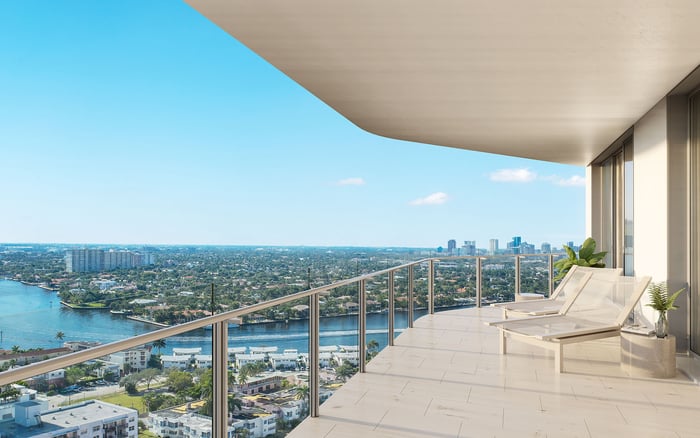
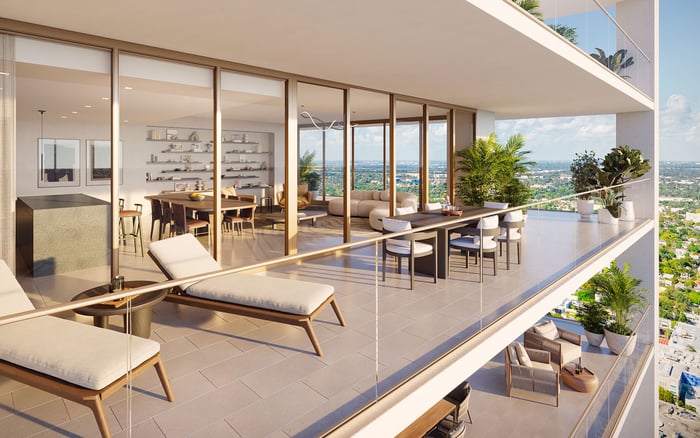
Balcony quality and waterview orientation still command attention, and rightly so. They define much of the emotional and visual appeal of a Las Olas residence. But the corridor defines the daily approach. The most complete purchase balances both: the beauty beyond the glass and the discretion before the door.
Begin your visit in the lobby and move slowly. Do not treat the corridor as dead space between amenities and the residence. Notice how the building transitions from public to private. Does the elevator landing feel gracious? Is the hallway lighting flattering and calm? Are doors spaced in a way that gives each residence presence?
At the unit door, pause for a full minute. This is where many buyers rush. Listen. Study the sightlines. Imagine arriving with guests, luggage, groceries or after dinner on Las Olas. Imagine opening the door while someone exits the elevator. The best entry sequence should feel natural, not performative.
Inside the residence, stand with the front door open. What can be seen from the hall: a foyer, a wall, a piece of art or the full living area? There is no single correct answer, but privacy-minded buyers usually prefer a controlled first reveal.
Then return to the hallway after seeing the residence. A strong interior can make buyers forget the approach. Revisiting the corridor after the emotional high of the tour helps restore objectivity.
Hallway exposure is not a substitute for core fundamentals. It should sit beside view quality, floor plan, terrace usability, building services, parking, maintenance structure and overall fit. Still, it belongs in the conversation because it captures something affluent buyers prize deeply: the feeling that home begins before the door opens.
For Las Olas in 2026, the best purchase is not simply the residence with the most dramatic outlook or the most polished finishes. It is the one that supports a refined daily life from the first step off the elevator to the final view from the living room. Quiet, privacy and proportion are not extras. They are part of luxury itself.
What is hallway exposure in a condo? It is the degree to which a residence entry is affected by corridor traffic, elevator sightlines, neighboring doors and service areas.
Why does hallway exposure matter for Las Olas buyers? It influences privacy, sound and the feeling of arrival, which are central to a refined condominium lifestyle.
Is being near the elevator always a negative? No. It can be convenient, but buyers should test whether the entry still feels quiet, private and well composed.
Are end-of-hall residences always better? Not always. They may reduce passersby, but layout, service access and corridor design still need to be evaluated.
Do High-floors have less hallway exposure? Sometimes, but floor height alone does not determine privacy. The unit’s position on the corridor matters more.
Can Low-floors still feel private? Yes. A lower residence with a discreet entry and thoughtful corridor placement can feel very composed.
Should I visit the hallway at different times? Yes. Sound and traffic patterns can change throughout the day, especially near elevators or service areas.
Does hallway exposure affect resale? It can. When comparable homes compete, a quieter and more private entry may be easier for buyers to appreciate.
What should I look for when the front door opens? Notice whether the corridor can see directly into private or entertaining areas, or whether the foyer controls the reveal.
Is hallway exposure more important than the view? Usually no, but it should be weighed alongside view, layout, terrace quality and the overall sense of privacy.
For a tailored shortlist and next-step guidance, connect with MILLION.
If branded residences are on your mind — as a home or as an allocation — we would be glad to share what we are seeing, privately.
Begin a quiet conversation