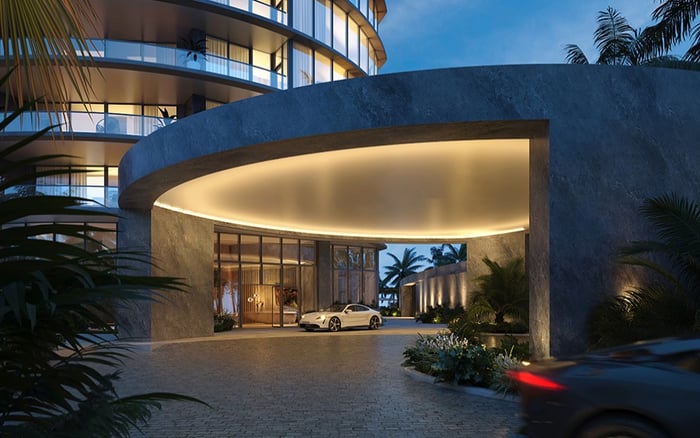
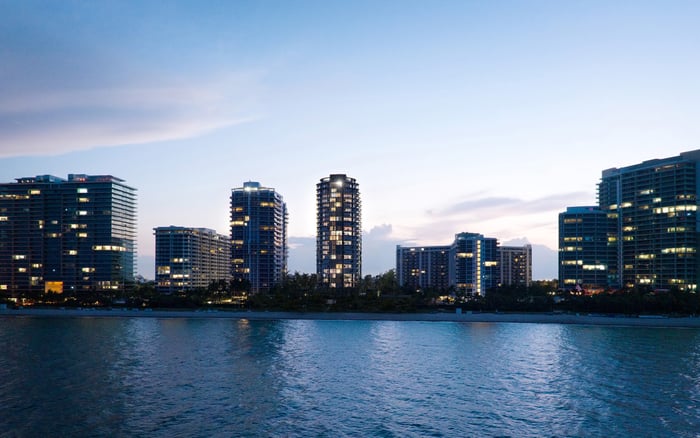
A buyer-focused 2026 due-diligence guide for Rivage Bal Harbour, centered on documentation, service continuity, cybersecurity, privacy, and the human standard of luxury building operations.
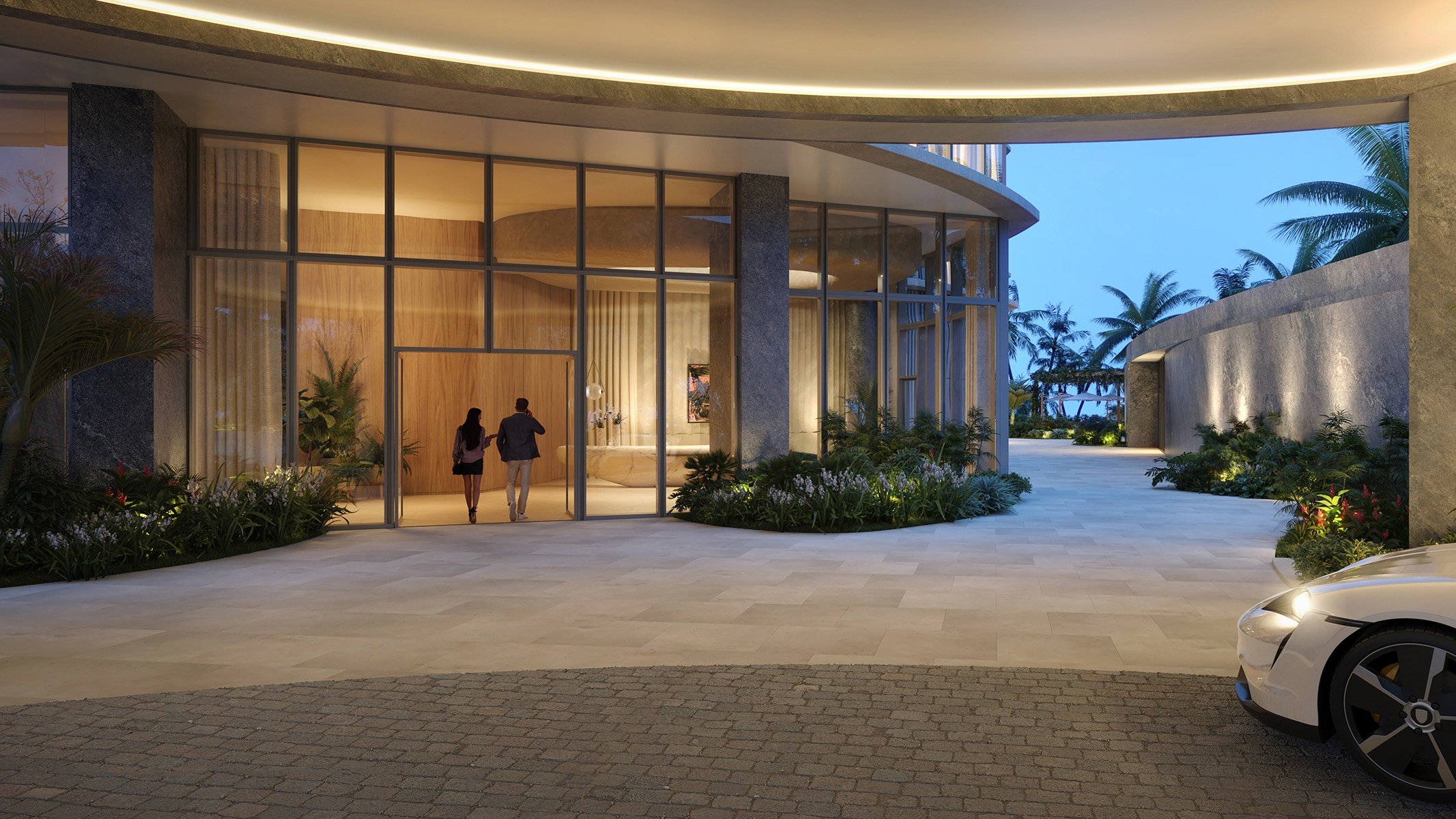
For buyers evaluating Rivage Bal Harbour in 2026, the more sophisticated question is no longer whether a building is technologically advanced. It is whether that technology has been documented, governed, maintained, and made resilient enough to support a private, high-touch residential life.
In ultra-premium coastal real estate, AI-enabled building services can sound effortless: intelligent access, anticipatory concierge tools, optimized energy use, predictive maintenance, integrated residences, and app-based convenience. Yet the substance behind those phrases belongs in the due-diligence file, not in the imagination. A sophisticated buyer should treat AI as part of the building’s operating infrastructure, alongside elevators, generators, fire-life-safety systems, mechanical rooms, staffing plans, and association budgets.
That is particularly important in an Oceanfront environment, where convenience is only one measure of value. Storm planning, service continuity, privacy, staff discretion, and the ability to operate essential systems without fragile digital dependency all matter. A residence may feel seamless on a sales tour, but the real test is what happens when the internet is down, a vendor changes terms, an app stops working, or the association inherits long-term operating obligations.
The first checklist item is deceptively simple: confirm exactly what is being purchased. Reconcile the sales name Rivage Bal Harbour with the legal condominium name, developer entity, address, recorded documents, and offering materials. The name on a brochure, the name in a contract, and the name in public records should align clearly enough that counsel, lender, insurer, and future resale advisors can trace the asset without ambiguity.
This identity review should come before any assessment of AI-enabled services. If a buyer cannot clearly connect branding, legal documents, association obligations, and recorded instruments, the technology discussion is premature. In the New Project segment, polished language often arrives before operational details are fully visible. That is not a defect by itself, but it is a reason to insist on written confirmation rather than verbal assurances.
A Pre-construction purchase adds another layer. Systems may be described before final vendor agreements, warranties, maintenance schedules, and turnover responsibilities are complete. The buyer’s task is not to reject innovation, but to ensure every promised feature can be matched to an accountable party, a written scope, and a cost structure after the developer’s initial period ends.
Begin by asking for a clear inventory of all AI-enabled or smart-building services. The list should distinguish building management tools, security and access control, concierge applications, energy optimization, predictive maintenance, smart-home integration, amenity reservations, package systems, parking systems, elevator integrations, and resident communications.
For each item, request the vendor name, service scope, warranty term, support agreement, service-level commitment, renewal cost, and the party responsible after turnover. If a feature is presented as AI-enabled, ask what the system actually does. Does it automate a workflow, recommend actions to staff, detect abnormal equipment performance, personalize resident preferences, or merely provide a branded app interface?
The distinction matters. A discreet luxury building should use technology to strengthen service, not replace judgment. A concierge tool that helps staff remember preferences may enhance daily life. A system that forces residents through automated menus, rigid apps, or impersonal protocols can undermine the very experience a buyer is paying to secure.
Every AI-enabled system should have a manual pathway. Ask for proof that essential building functions remain operable during power interruptions, storms, cybersecurity events, vendor-service interruptions, cloud-platform outages, internet-provider failures, and local server problems. Access control, elevators, garage entry, package retrieval, amenity operations, in-unit controls, and resident communications should not depend exclusively on one app or one remote service.
Manual override should be more than a theoretical capability. Buyers should ask who can activate it, where the procedures are stored, how often staff are trained, and whether the override has been tested under realistic conditions. In a coastal luxury property, the ability to operate calmly during disruption is part of the amenity package.
This is also where human staffing remains central. The best systems should be subordinate to trained personnel. A building that cannot function gracefully without a vendor dashboard may be technologically impressive, but operationally fragile.
A serious review should include the physical and network infrastructure supporting the technology. Ask for information on network redundancy, backup power, equipment-room conditions, server or controller locations, sensor placement, integration diagrams, and maintenance access responsibilities.
The buyer does not need to become an engineer, but the buyer’s team should understand whether systems are modular or tightly locked together. If access control, cameras, elevators, parking, and concierge software are integrated, the integration diagram should show how failures are contained. A single-point failure can turn convenience into exposure.
Equipment rooms also tell a quiet story. Cooling, access control, cable management, labeling, spare-capacity planning, and protection from moisture are not glamorous, but they determine whether the building’s intelligence can remain reliable over time. In an Investment context, these issues can influence operating costs, resale confidence, and future association decision-making.
AI-enabled residential services collect and process sensitive information. A buyer should ask what data is collected by concierge systems, access points, cameras, elevators, parking systems, package systems, amenity reservations, and in-unit devices. The next questions are who owns the data, who can access it, how long it is retained, and whether residents can opt out of nonessential collection.
Cybersecurity review should include penetration-test summaries where available, patching policies, access-control logs, administrator privileges, incident-response procedures, and vendor notification obligations. The board and management team should know how software updates are handled, what happens when a vulnerability is discovered, and who communicates with residents if an incident occurs.
Privacy is a luxury issue, not merely a legal issue. The most valuable homes in Bal Harbour, Surfside, and the broader coastal market often appeal to buyers who expect discretion as a core service. Technology that tracks too much, shares too widely, or lacks clear governance can work against that expectation.
The final layer is financial and contractual. AI-enabled systems can create recurring association costs, paid software upgrades, license renewals, proprietary replacement parts, and post-warranty service obligations. Ask whether the association can change vendors, whether data can be exported, whether hardware is compatible with alternative platforms, and whether critical systems rely on a proprietary ecosystem.
Vendor lock-in is not automatically negative. Some premium systems perform best when tightly controlled. The question is whether future owners understand the cost and flexibility trade-off. A building with elegant automation but expensive replacement obligations may require higher reserves or future assessments.
The due-diligence file should therefore include not only glossy feature descriptions, but operating budgets, maintenance responsibilities, warranty matrices, software renewal terms, and turnover obligations. That is how technology becomes an asset rather than a hidden liability.
What is the first due-diligence step for Rivage Bal Harbour? Confirm the project identity by reconciling the sales name, legal condominium name, developer entity, address, recorded documents, and contract materials.
Should buyers rely on AI marketing language? No. Ask for written vendor names, scopes, warranties, service levels, renewal terms, and post-turnover association obligations.
Which building services should be reviewed? Review building management, access control, concierge tools, energy optimization, predictive maintenance, smart-home integrations, and data governance.
Why are manual overrides important? Essential systems should keep working during outages, storms, cyber events, cloud failures, vendor interruptions, or internet-service problems.
What technical documents should a buyer request? Ask for integration diagrams, network redundancy details, backup-power information, sensor-placement summaries, and maintenance access responsibilities.
What cybersecurity questions matter most? Request patching policies, access-control logs, incident-response procedures, administrator controls, and penetration-test summaries where available.
How should privacy be evaluated? Identify what resident data is collected, who owns it, who can access it, how long it is kept, and whether opt-outs exist.
Can AI systems create future association costs? Yes. Software renewals, proprietary hardware, upgrades, support contracts, and post-warranty replacements can affect long-term budgets.
Should AI replace human service in a luxury building? No. The strongest model uses technology to support discreet, personalized service delivered by trained staff.
Is this checklist only for Rivage Bal Harbour? It is tailored to Rivage Bal Harbour, but the same discipline applies across high-end coastal condominium purchases.
For a confidential assessment and a building-by-building shortlist, connect with MILLION.
If branded residences are on your mind — as a home or as an allocation — we would be glad to share what we are seeing, privately.
Begin a quiet conversation