Ultra-luxury buyers are increasingly evaluating concierge staffing as a core ownership criterion, not a decorative amenity. In South Florida, the new filter is less about the length of an amenity menu and more about whether a residence can protect privacy, time, access, and operational ease across daily life, seasonal arrivals, and entertaining.

In South Florida’s upper tier, the conversation around service has become more exacting. Buyers are no longer satisfied with a glossy amenity roster or a lobby desk described in broad terms. They want to know who is present, how requests are handled, what happens after hours, how privacy is protected, and whether the building can make ownership feel seamless when life is divided among cities, yachts, aircraft, offices, family commitments, and seasonal schedules.
That is why concierge staffing is emerging as a 2026 filter. It is not a decorative preference. It is a practical test of how a property performs once the closing is complete. A residence may offer beautiful materials, dramatic water views, and a coveted address, but if the staffing model is thin, inconsistent, or poorly integrated, the ownership experience can feel less private and less effortless than the price implies.
For buyers comparing Brickell, Miami Beach, Sunny Isles, Fort Lauderdale, and Palm Beach area options, the question is increasingly direct: does the building have the human infrastructure to support the lifestyle it promises?
The most sophisticated purchasers tend to evaluate staffing in layers. The first is visibility: who greets residents, receives guests, coordinates vehicles, manages packages, and responds to routine requests. The second is discretion: how the building handles names, arrivals, preferences, staff access, vendors, and family movements. The third is problem solving: what happens when something goes wrong on a holiday weekend, during a storm watch, before a dinner, or while the owner is out of state.
This is where concierge quality separates itself from hospitality theater. A polished welcome has value, but buyers are studying execution. Can the team coordinate with housekeeping, security, valet, engineering, wellness staff, and management without forcing the resident to repeat instructions? Is there a clear chain of communication? Are recurring preferences remembered with taste rather than intrusion? Does the staff understand the difference between attention and overfamiliarity?
The best programs feel almost invisible. They reduce friction without creating dependence. They make a residence easier to own, easier to leave, and easier to return to.
South Florida has always appealed to buyers who divide time among multiple residences. For a second-home purchase, concierge staffing can be the difference between occasional use and true readiness. A part-time owner may care less about daily amenity novelty and more about whether the home is prepared before arrival, whether trusted vendors can be coordinated, whether deliveries are handled securely, and whether the building can respond while the owner is elsewhere.
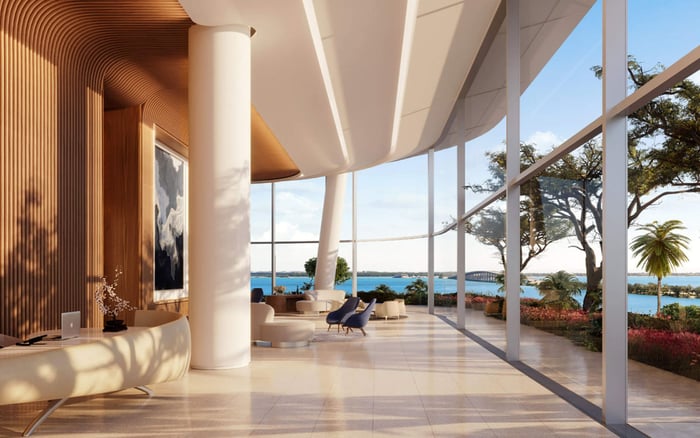
This is especially relevant in new-construction settings, where buyers often evaluate lifestyle promises before the building has fully matured. A render can show a lobby, spa, club room, or porte cochere. It cannot, by itself, prove the discipline of the staffing culture. Buyers therefore ask sharper questions early: who will operate the service program, how will staffing be funded, what is included in ownership, and what requires separate arrangement?
The answer matters because high-net-worth ownership is not only about possession. It is about reliability. A second residence should not behave like a project that must be reopened every time the owner lands.
In the most competitive segment, privacy is no longer defined only by a gated entry, private elevator, or secure garage. It extends to information flow. Who knows when the owner is in residence? Who sees guest names? How are vendors cleared? How are deliveries screened? How are drivers, chefs, trainers, stylists, medical professionals, and household staff handled without turning the lobby into a public stage?
This is one reason concierge staffing has become more important than a long amenity list. An undertrained team can compromise the tone of an otherwise exceptional property. A disciplined team can make even a busy building feel composed.
Discretion also affects entertaining. South Florida buyers often host across terraces, dining rooms, beach clubs, marinas, lounges, and private residences. The service experience begins before a guest reaches the front door. Valet flow, arrival recognition, elevator management, catering access, and security coordination all influence whether the evening feels effortless or improvised.
Amenities photograph well. Operations determine daily value. A pool, spa, gym, screening room, private dining room, marina component, or residents’ lounge can elevate a property only if the staff makes it usable. Buyers are learning to separate square footage from service capacity.
For example, a wellness suite may be architecturally impressive, but how are appointments managed? A private dining room may be beautiful, but who coordinates chefs, setup, access, and cleanup? A residents’ lounge may be dramatic, but does the building maintain an atmosphere that feels residential rather than transient? These are operational questions, not design questions.
This shift is particularly important in waterfront and urban towers where owners expect hotel-level ease while still wanting the boundaries of a private residence. Too little staffing can make a building feel unattended. Too much visible choreography can make it feel performative. The premium is in balance.
The concierge conversation is moving earlier in the search process because buyers want to avoid surprises after signing. They are not waiting until the final walk-through to understand service. They are asking during the first serious comparison, alongside views, floor plans, exposures, parking, elevators, club access, pet policies, rental rules, and carrying costs.
The best buyer representatives know to probe beyond labels. “Concierge” can mean many things. It may describe a front-desk presence, a residential hospitality program, a lifestyle manager, a security-adjacent function, or a broader ecosystem of services. The title is less important than the scope, training, coverage, accountability, and culture.
Buyers also understand that staffing is funded and managed. If a building promises a highly serviced lifestyle, there should be a credible structure behind it. Understaffed luxury is rarely sustainable. Overpromised service can become a future source of frustration if the actual budget or management philosophy does not match the marketing language.
A discerning buyer should ask how service works on an ordinary Tuesday, not only during a sales presentation. Who answers the phone? Who is present overnight? How are urgent requests escalated? How are vendors approved? What is the protocol for absentee owners? How are packages, art deliveries, vehicles, and guests managed? Are preferences tracked? How is staff turnover addressed? What services are included, and what must be arranged separately?
It is also worth observing the building in motion. The tone of the lobby, the pace of valet, the confidence of the front desk, and the way staff interact with residents can reveal more than a brochure. Luxury service has a cadence. It is calm, precise, and anticipatory, without being theatrical.
For buyers comparing high-design residences across South Florida, concierge staffing now belongs in the same tier of due diligence as view protection, association structure, construction quality, and long-term building management.
Service quality can shape how a property feels over time. A well-run building tends to inspire confidence among owners, guests, and future purchasers. It suggests that the residence is not merely attractive, but cared for within a broader system. In a market where many buildings compete on architecture and amenities, operational excellence can become a quiet differentiator.
This does not mean every buyer wants the same intensity of service. Some prefer a highly private, understated environment with minimal interaction. Others want a broader hospitality layer. The key is fit. The right building should match the owner’s rhythm, not force the owner to adapt to the building’s limitations.
By 2026, concierge staffing is likely to remain a core filter because it answers the question luxury buyers care about most: will this residence simplify my life while protecting my privacy?
Why is concierge staffing becoming more important to South Florida buyers? Buyers are placing more value on service execution, privacy, and ease of ownership, especially when comparing residences with similar views and amenities.
Is concierge staffing only relevant in large towers? No. Boutique buildings and larger developments both depend on the quality, consistency, and discretion of their staffing model.
What should a buyer ask about concierge coverage? Ask who is present, when they are present, how requests are handled, and what happens after normal business hours.
How does staffing affect second-home ownership? Strong staffing can help prepare the residence for arrivals, coordinate vendors, and reduce friction when the owner is away.
Does a longer amenity list mean better service? Not necessarily. Amenities matter most when the building has the operational discipline to make them easy and pleasant to use.
Why does privacy depend on staffing? Staff often manage arrivals, vendors, deliveries, guests, and information flow, all of which influence how discreet a building feels.
Should new-construction buyers ask about future staffing? Yes. Early questions about management, service scope, and funding can clarify whether the promised lifestyle is realistic.
Can concierge quality influence resale appeal? Yes. A well-operated building can create confidence for future buyers who value ease, order, and long-term stewardship.
Is high-touch service always the best choice? Not for every owner. The best fit depends on whether the buyer prefers visible hospitality or a quieter, more private service style.
What is the best way to shortlist comparable options for touring? Start with location fit, delivery status, and daily lifestyle priorities, then compare stacks and elevations to validate views and privacy.
To compare the best-fit options with clarity, connect with MILLION.
If branded residences are on your mind — as a home or as an allocation — we would be glad to share what we are seeing, privately.
Begin a quiet conversation