In South of Fifth, luxury is often measured less by finishes than by how a building is run. Apogee South Beach and The Ritz-Carlton Residences® South Beach sit on opposite sides of a defining question for high-net-worth owners: do you prefer an owner-directed condominium with discreet, resident-first staffing, or a branded residence where hospitality standards and programming shape daily life? This editorial comparison focuses on governance, staffing, amenity access, and the lived feel of each model, helping buyers align lifestyle expectations with the operating structure behind the doors.
In Miami Beach, the top tier of residential real estate is no longer defined solely by a view corridor or a designer name. For buyers who already expect standout architecture and refined interiors, the true differentiator is operational: who sets the rules, how service is delivered, and whether the building lives like a private club or an extension of a five-star hospitality platform.
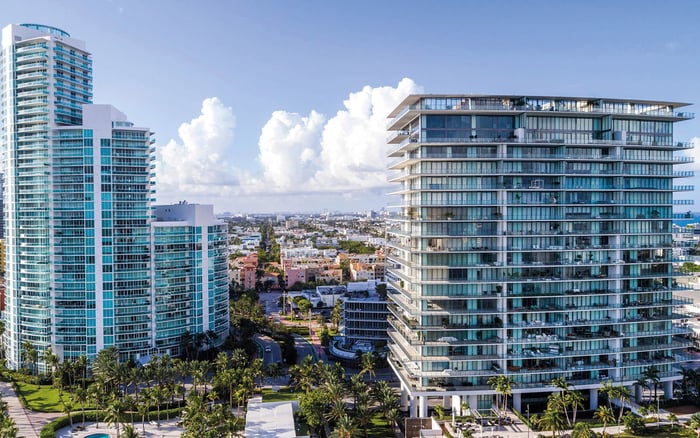
Two South of Fifth addresses illustrate this divide with unusual clarity. Apogee South Beach is a traditional, ultra-luxury condominium at 800 South Pointe Dr, completed in 2008 with just 67 residences in a 22-story tower. It was developed by The Related Group, designed by Sieger Suarez, with interiors by Yabu Pushelberg. The model is classic owner-governed condo association living-built around resident privacy and owner-directed decision-making.
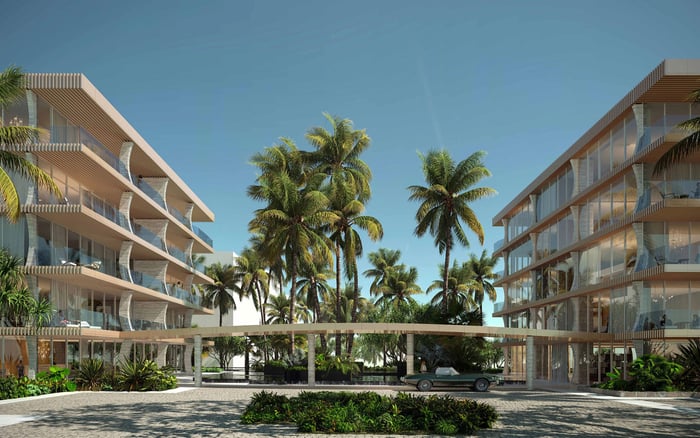
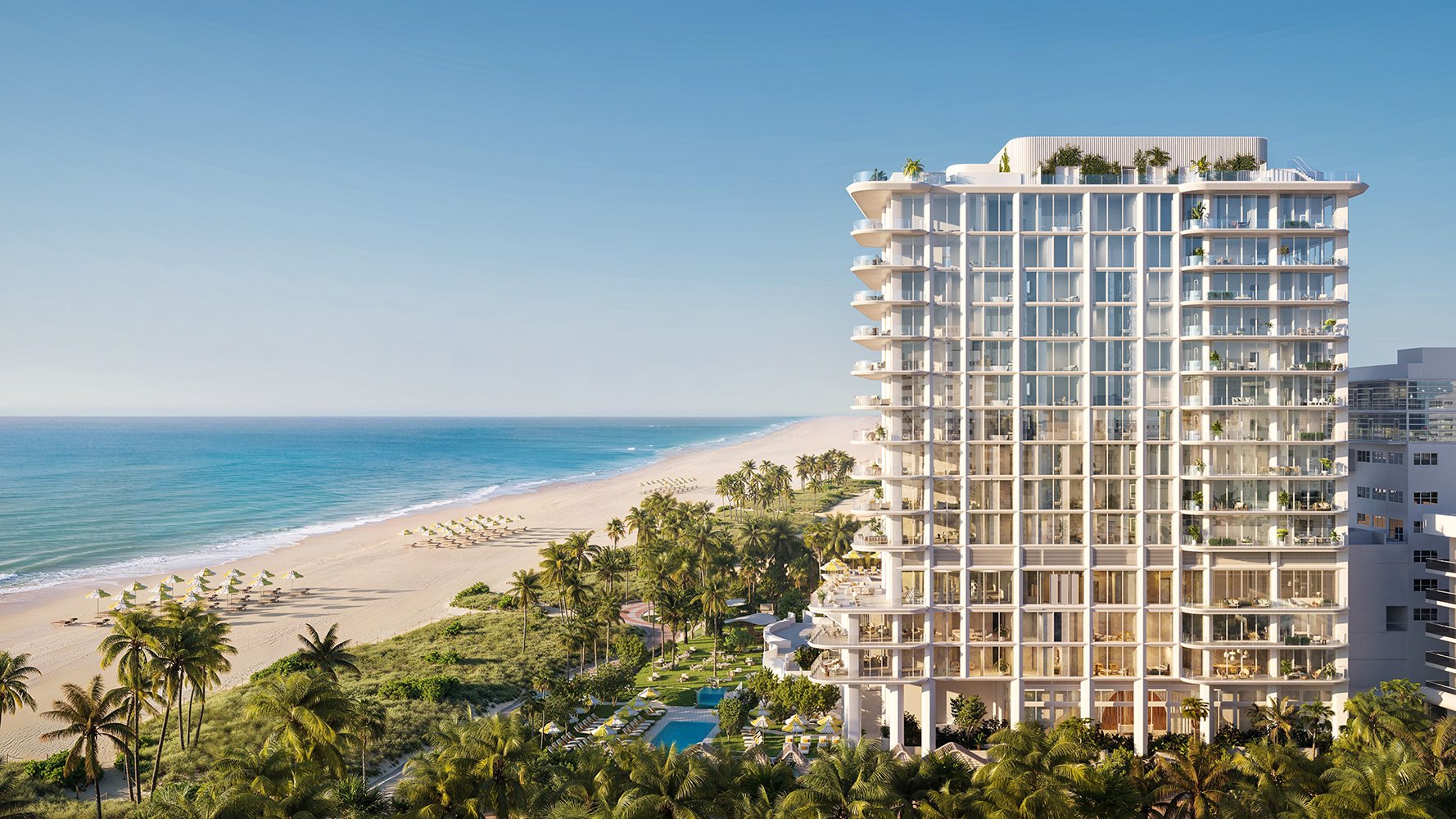
By contrast, The Ritz-Carlton Residences® South Beach is positioned as a boutique branded-residence offering marketed as “beach houses in the sky,” with a fact sheet describing 30 residences and a hospitality-forward orientation. The ethos will feel familiar to frequent hotel guests: standardized service expectations, front-of-house coverage, and in-residence support aligned with brand standards.
If you are weighing these two philosophies, the sharper question is not “which is more luxurious,” but “which definition of luxury matches how I live.”
Apogee South Beach was conceived in the South-of-fifth (Sofi) neighborhood as a low-density, privacy-first tower. With 67 residences, the building’s daily tempo is inherently quieter than larger waterfront properties, where a constant flow of guests and vendors can become part of the experience.
The defining feature is governance. Apogee operates under a traditional condominium and HOA structure, meaning owners-through an association and elected board-shape budgets, house rules, and the level of service the building elects to provide. That may sound procedural, but for seasoned owners it is a real lifestyle lever. It can mean greater influence over policies, staffing priorities, and the tone of the property over time.
Service at Apogee is best described as concierge-enhanced condo living. The building supports residents with high-touch staffing, without importing a global hotel playbook that mandates standardized rituals. The result aligns with what privacy-driven buyers often value most: familiarity, discretion, and operations that feel resident-led.
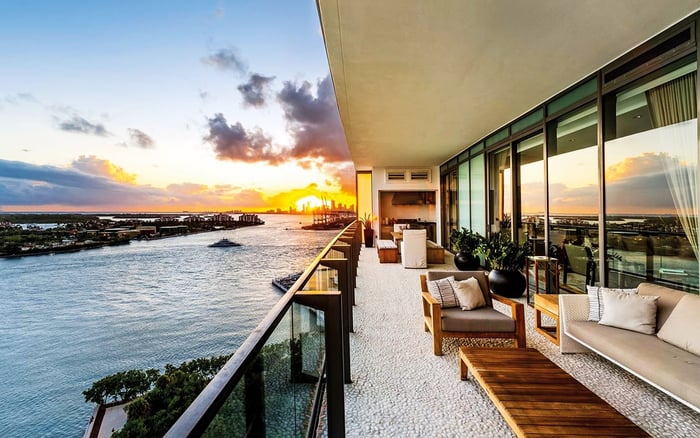
Amenities follow the same philosophy-resident-exclusive rather than hotel-like operations. Publicly presented amenities include a pool, fitness center, and spa, delivered as private condo features. For owners who view the amenity deck as an extension of the home, the distinction is meaningful: the experience is designed around residents, not visitors, and the culture tends to protect that boundary.
In the broader Miami Beach context, Apogee sits naturally among other luxury choices that emphasize residential quiet and design clarity, such as Five Park Miami Beach and 57 Ocean Miami Beach, where buyers often weigh neighborhood feel and building culture as heavily as the floorplan.
Branded residences appeal to a specific buyer: someone who wants the predictability of a luxury hospitality platform, translated into private ownership. The Ritz-Carlton residential model is built on standardized service and training expectations consistent with the brand, and the South Beach project is marketed with the hallmarks of hotel-style front-of-house coverage.
Market materials emphasize 24-hour concierge and doorman, plus valet-creating a familiar arrival sequence for owners accustomed to full-service hotels. Beyond the lobby, the positioning leans into in-residence services and lifestyle support, including culinary and wellness-oriented touchpoints. While a traditional condo can certainly deliver excellent service, branded residences distinguish themselves by making service part of the identity, with programming and execution anchored to brand standards.
Scale is part of the appeal. The project’s disclosed boutique size of 30 residences suggests an intent to pair exclusivity with a staffed, managed environment that feels curated rather than crowded. For buyers who split time between cities, consistency can be a form of ease: you know what “arrival,” “requests,” and “support” should feel like, regardless of who is on shift.
In South Florida, this preference often shows up among buyers comparing across neighborhoods, from The Ritz-Carlton Residences® Miami Beach to other hospitality-anchored offerings. The throughline is not simply the name-it’s the operating system behind it.
For sophisticated buyers, governance is not an afterthought. It is the architecture behind the lifestyle.
With a traditional condominium like Apogee, the association and board can directly shape the building’s posture: how firmly it enforces privacy norms, what vendor access looks like, how the staff-to-resident dynamic feels, and how amenity rules protect residents’ use. The tradeoff is that service levels can be locally variable over time, depending on board leadership, budget decisions, and resident priorities.
Branded residences tend to invert that equation. Brand standards can drive operations, training, and service expectations, which many owners experience as a clear advantage: consistent execution and a more defined sense of “what’s included” in the lifestyle. The tradeoff is that owners may feel less inclined to customize operations away from the brand’s established service posture.
Neither approach is inherently better. They are simply different answers to the same question: do you want the building to feel like an owner-directed private residence community, or a residential extension of a hospitality platform?
A building’s staffing model sets its emotional temperature.
Apogee’s low-density, resident-first framing typically produces a quieter cadence. The staffing intent is to anticipate needs without creating a public scene. In this model, luxury feels intimate: fewer unfamiliar faces, fewer competing demands on staff attention, and a stronger sense that the building exists for its residents alone.
The Ritz-Carlton model, conversely, leans into recognizable front-of-house coverage. 24-hour concierge and doorman, plus valet, create a more structured arrival-and-departure experience. For some owners, that structure is reassuring-especially for those who travel frequently and want a consistent service interface that doesn’t hinge on the personalities of a small local team.
The contrast becomes most visible during high-traffic periods: weekends, holidays, and peak event seasons. A privacy-first condo often aims to minimize friction by limiting exposure. A hospitality-forward residence more often aims to manage it through staffing and choreography.
Apogee’s amenities are presented as resident-exclusive, including a pool, fitness center, and spa. The framing is consistent with the building’s broader priority: a home environment with strong support services, not a resort identity.
The Ritz-Carlton Residences® South Beach are positioned with resort-style amenity cues: pool and terrace concepts, fitness and wellness, and beach service components. The point is not simply the amenity set-it’s the expectation of staff-led execution and programming. If you want the building to feel active, curated, and supported by a deep service bench, the branded model speaks that language.
A useful comparison for buyers who want a highly serviced environment but in a different submarket is the resort-forward beachfront lifestyle associated with places like The Surf Club Four Seasons Surfside, where service and amenity execution sit at the center of the value proposition.
Apogee South Beach tends to suit owners who:
The Ritz-Carlton Residences® South Beach tend to suit owners who:
Both appeal to demanding owners. The distinction is whether your ideal day is quiet and owner-directed, or supported by a brand-defined hospitality rhythm.
When clients at MILLION Luxury evaluate Apogee versus a branded residence, the most productive conversations aren’t about whether one is “more prestigious.” They’re about operational alignment.
Start with three questions:
Answering these usually clarifies the choice quickly. Architecture is the headline. Operations are the lived experience.
Is Apogee South Beach a traditional condominium? Yes. It operates with an owner-governed condo association and board structure.
Where is Apogee located? Apogee is at 800 South Pointe Dr in the South of Fifth area of Miami Beach.
How many residences are in Apogee South Beach? Apogee has 67 residences in a 22-story tower.
When was Apogee completed and who designed it? It was completed in 2008, designed by Sieger Suarez with interiors by Yabu Pushelberg.
What is the service style at Apogee? It is high-touch, concierge-enhanced condo living oriented around residents, not hotel operations.
How many residences are at The Ritz-Carlton Residences® South Beach? Market materials describe a boutique scale of 30 residences.
What staffing is emphasized at The Ritz-Carlton Residences® South Beach? The project is marketed with 24-hour concierge and doorman coverage plus valet service.
Do branded residences typically follow standardized service expectations? Yes. The model is designed around brand standards and consistent training.
Are amenities handled differently in a condo vs. a branded residence? Often, yes. Condos focus on resident-exclusive amenities, while branded models emphasize resort-style execution.
Which option is better for privacy-focused owners in Miami-beach? Privacy-first buyers often prefer a low-density, owner-directed condo environment like Apogee.
For a discreet conversation and a curated building-by-building shortlist, connect with MILLION Luxury.
If branded residences are on your mind — as a home or as an allocation — we would be glad to share what we are seeing, privately.
Begin a quiet conversation